
Sell Car with Check Engine Light On

Selling a car with the check engine light on is possible, but it requires transparency, preparation, and smart strategy. You can still get a fair price by diagnosing the issue, disclosing it honestly, and targeting the right buyers.
Key Takeaways
- You can legally sell a car with the check engine light on in most states, but disclosure is often required to avoid legal trouble.
- Diagnose the problem first using an OBD2 scanner to understand the severity and cost of repair.
- Be honest with buyers—hiding the issue can lead to failed inspections, lost sales, or even lawsuits.
- Price the car fairly by deducting repair costs from the market value to reflect the mechanical issue.
- Target the right buyers such as mechanics, DIYers, or dealerships that specialize in used or damaged vehicles.
- Consider selling “as-is” through private sales or online platforms to avoid dealer markups and reach motivated buyers.
- Fixing minor issues may increase value—sometimes a simple fix like replacing an oxygen sensor pays for itself in the final sale price.
📑 Table of Contents
- Can You Actually Sell a Car with the Check Engine Light On?
- Understanding the Check Engine Light: What It Really Means
- Is It Legal to Sell a Car with the Check Engine Light On?
- How to Price a Car with the Check Engine Light On
- Where to Sell a Car with the Check Engine Light On
- Should You Fix the Problem Before Selling?
- Tips for a Smooth Sale
- Final Thoughts: Turning a Problem into an Opportunity
Can You Actually Sell a Car with the Check Engine Light On?
So your check engine light just came on—again. You’re staring at that little orange icon on your dashboard, wondering if it’s time to finally let go of your trusty (but temperamental) ride. But here’s the real question: can you even sell a car with the check engine light on?
The short answer? Yes, you can. But it’s not as simple as slapping a “For Sale” sign on the windshield and hoping for the best. Selling a car with the check engine light illuminated requires a mix of honesty, strategy, and a little know-how. Whether you’re dealing with a minor sensor glitch or a more serious engine issue, understanding your options can help you sell quickly, legally, and for a fair price.
Let’s be real—no one wants to buy a car that’s signaling trouble. But that doesn’t mean your vehicle is worthless. In fact, many buyers are actively looking for cars with check engine lights because they know how to fix them or are willing to take on the risk for a lower price. The key is knowing how to position your car, who to sell it to, and how much to ask.
In this guide, we’ll walk you through everything you need to know about selling a car with the check engine light on—from diagnosing the problem to closing the deal. Whether you’re selling privately, trading in, or listing online, we’ve got practical tips to help you navigate the process with confidence.
Understanding the Check Engine Light: What It Really Means
Visual guide about Sell Car with Check Engine Light On
Image source: goodcar.com
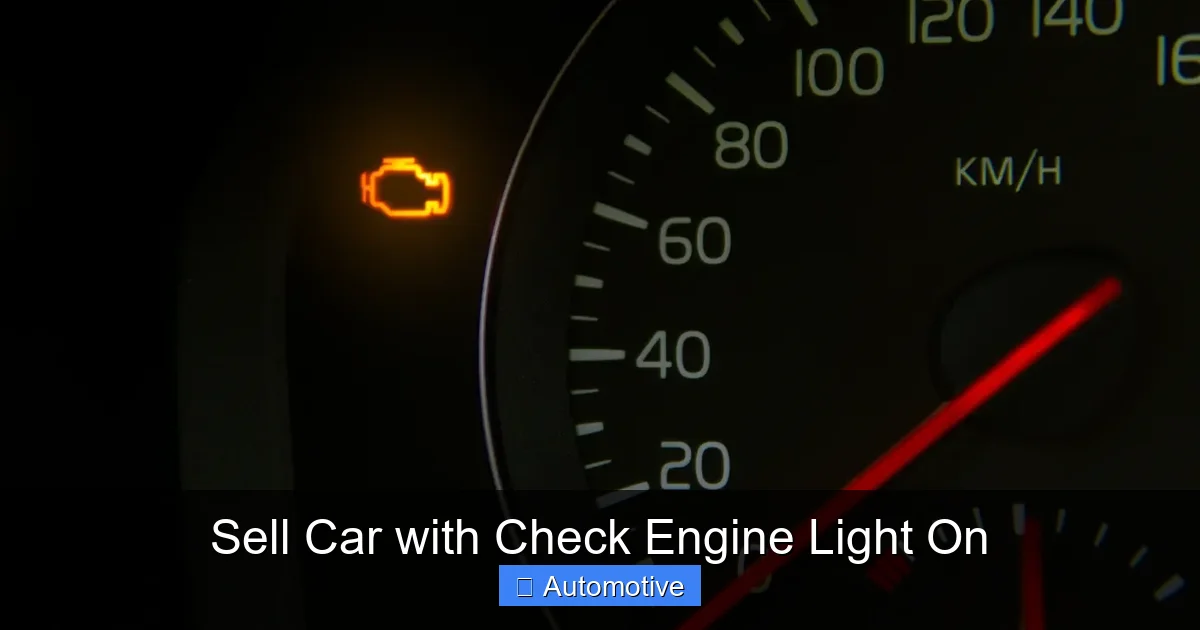
Before you even think about selling, it’s crucial to understand what that little light is trying to tell you. The check engine light—also known as the malfunction indicator lamp (MIL)—is part of your car’s onboard diagnostics system (OBD2). When it lights up, it means the system has detected a problem that could affect emissions, performance, or safety.
But here’s the thing: the check engine light doesn’t always mean your engine is about to explode. In fact, many triggers are relatively minor. Common causes include:
– A loose or faulty gas cap
– A failing oxygen (O2) sensor
– A worn-out spark plug or ignition coil
– A clogged catalytic converter
– Mass airflow (MAF) sensor issues
– Exhaust gas recirculation (EGR) valve problems
Some of these issues cost less than $100 to fix. Others, like a failing catalytic converter, can run into the thousands. That’s why diagnosing the problem early is so important—not just for your peace of mind, but for your wallet.
How to Diagnose the Problem
The first step in selling your car with the check engine light on is figuring out what’s wrong. You don’t need to be a mechanic to do this. Most auto parts stores—like AutoZone, O’Reilly, or Advance Auto Parts—offer free OBD2 code scans. Just drive in, and they’ll plug a scanner into your car’s diagnostic port (usually under the dashboard near the steering wheel) and read the trouble code.
For example, you might get a code like P0420, which typically indicates a problem with the catalytic converter’s efficiency. Or P0171, which means the engine is running too lean (not enough fuel). These codes give you a starting point to research the issue and estimate repair costs.
You can also buy a basic OBD2 scanner online for $20–$50. These handheld devices connect to your car and display the code on a small screen. Pair it with a free app like Torque Pro (for Android) or OBD Fusion (for iOS), and you can even monitor live data like engine temperature, fuel trim, and oxygen sensor readings.
Severity Matters: Is It Safe to Drive?
Not all check engine lights are created equal. Some are steady, others flash. A steady light usually means the issue is less urgent—something that should be checked soon but won’t leave you stranded. A flashing light, however, indicates a serious problem like engine misfiring, which can damage the catalytic converter if ignored.
If your light is flashing, it’s best not to drive the car long distances. But if it’s steady, you can usually drive it to a mechanic or even to a buyer’s test drive—just keep an eye on performance. Listen for rough idling, hesitation, or reduced fuel economy. These are signs the problem is affecting how the car runs.
Is It Legal to Sell a Car with the Check Engine Light On?
Visual guide about Sell Car with Check Engine Light On
Image source: c8.alamy.com
Now for the legal stuff. Can you actually sell a car with the check engine light on without breaking the law?
In most states, yes—but with important caveats. Federal and state laws require that vehicles meet certain emissions standards, especially if they’re being sold in states with strict smog checks (like California, New York, or Colorado). If your check engine light is on, your car will likely fail an emissions test because the OBD2 system detects a fault.
Disclosure Requirements
While it’s not illegal to sell a car with the check engine light on, you are generally required to disclose known mechanical issues to the buyer. Hiding the problem—or turning off the light without fixing the underlying issue—can be considered fraud in many jurisdictions.
For example, in California, sellers must complete a “Vehicle Transfer and Release of Liability” form and disclose any known defects. Failing to do so could result in fines or even legal action if the buyer feels misled.
Even in states without strict disclosure laws, ethical selling practices matter. A buyer who discovers the light was on but not disclosed may back out of the deal, leave a negative review, or take legal action.
“As-Is” Sales and Liability
One way to protect yourself is to sell the car “as-is.” This means you’re selling it in its current condition, with no warranties or guarantees. Most private sales are “as-is,” and buyers understand they’re taking on the risk.
However, even in “as-is” sales, you still can’t lie about the car’s condition. If you say “the engine runs great” but the check engine light has been on for months, that could be considered misrepresentation.
Bottom line: Be honest. Disclose the light, explain what you know (or don’t know), and let the buyer decide.
How to Price a Car with the Check Engine Light On
Visual guide about Sell Car with Check Engine Light On
Image source: fixedopsdigital.s3.amazonaws.com
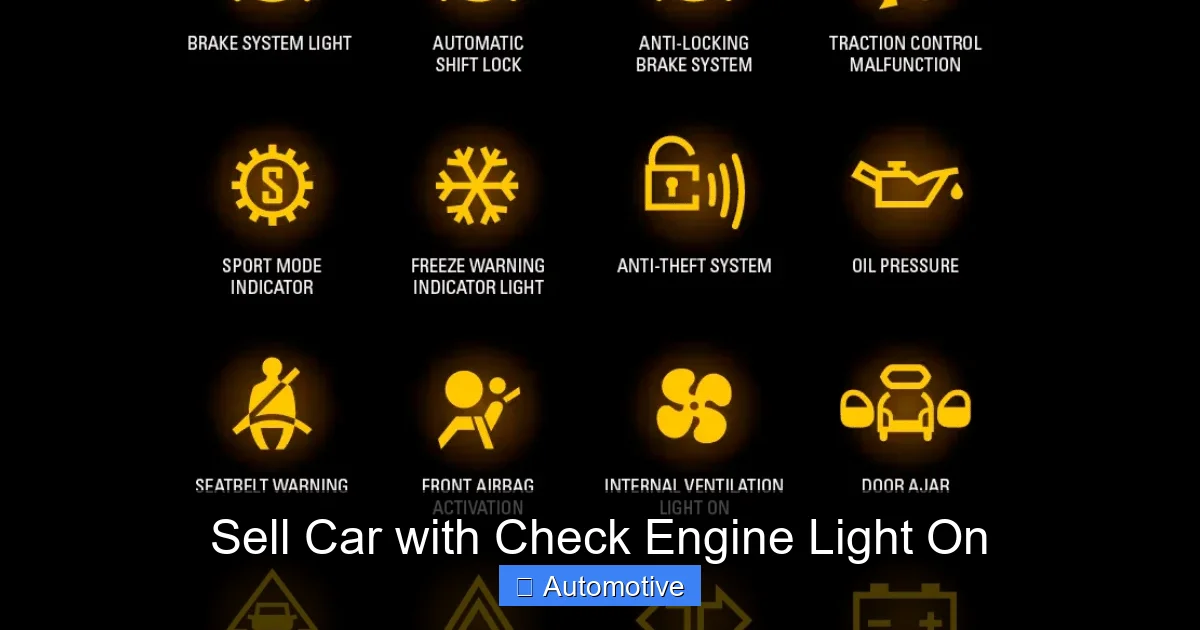
Pricing a car with the check engine light on is tricky. You can’t ask for the same price as a similar car with no issues. But you also don’t want to lowball yourself if the problem is minor.
The key is to adjust the price based on the estimated repair cost. Here’s how to do it:
Step 1: Determine the Fair Market Value
Start by researching the value of your car in good condition. Use tools like Kelley Blue Book (KBB), Edmunds, or NADA Guides. Enter your car’s year, make, model, mileage, and condition (choose “Good” or “Fair” as a baseline).
For example, a 2018 Honda Civic with 60,000 miles might be worth $16,000 in good condition.
Step 2: Estimate Repair Costs
Next, get a rough idea of how much it will cost to fix the issue. Use the OBD2 code to research common repairs. For instance:
– O2 sensor replacement: $150–$300
– Spark plug and coil replacement: $200–$400
– Catalytic converter replacement: $1,000–$2,500
If you’re unsure, get a quote from a trusted mechanic. Even a phone consultation can give you a ballpark figure.
Step 3: Subtract the Repair Cost
Now, subtract the estimated repair cost from the fair market value. Using the Honda Civic example:
– Fair value: $16,000
– Repair cost (O2 sensor): $250
– Adjusted price: $15,750
This gives you a realistic starting point. You can then adjust based on market demand, the car’s overall condition, and how quickly you need to sell.
Consider the Buyer’s Perspective
Buyers know that a check engine light means extra work and expense. They’ll factor that into their offer. If you price too high, they’ll walk away. If you price too low, you leave money on the table.
A good rule of thumb: deduct 1.5x the repair cost to account for the buyer’s time, hassle, and uncertainty. So if the repair is $250, deduct $375. This gives the buyer room to negotiate and still feel like they’re getting a deal.
Where to Sell a Car with the Check Engine Light On
Not all buyers are created equal. Some will run from a check engine light. Others will see it as an opportunity. The key is finding the right audience.
Private Sale: Best for Control and Value
Selling privately gives you the most control over price and terms. You can explain the issue in detail, provide documentation (like the OBD2 code), and negotiate directly with the buyer.
Platforms like Craigslist, Facebook Marketplace, and OfferUp are great for private sales. When listing, be upfront: “Check engine light on—diagnosed as P0420 (catalytic converter). Runs well, needs repair. Priced accordingly.”
Include photos of the car, the dashboard (showing the light), and any maintenance records. This builds trust and attracts serious buyers.
Mechanics and DIY Enthusiasts
Mechanics, car enthusiasts, and DIYers are often the best buyers for cars with check engine lights. They understand the problem, have the tools to fix it, and may even specialize in that make or model.
Try posting in local car forums, Facebook groups (like “Honda Civic Owners” or “DIY Mechanics”), or Reddit communities (r/MechanicAdvice or r/UsedCars). These buyers are more likely to appreciate the value and take on the repair.
Dealerships and “Cash for Cars” Services
If you need a quick sale, consider selling to a dealership or a “cash for cars” company. These buyers specialize in damaged, high-mileage, or problematic vehicles. They’ll inspect the car, make an offer, and handle the paperwork.
The downside? They’ll offer less than private sale prices—sometimes 20–30% below market value. But if speed and convenience matter more than top dollar, it’s a viable option.
Auction Sites and Online Buyers
Websites like CarGurus, Vroom, or Carvana allow you to sell your car online. Some will even buy cars with check engine lights—but they’ll deduct the repair cost from your offer.
Be honest in the listing. Upload photos of the light, describe the issue, and provide the OBD2 code. These platforms use algorithms to assess value, so transparency helps you get a fair offer.
Should You Fix the Problem Before Selling?
This is the million-dollar question: should you fix the check engine light before selling?
The answer depends on the cost, the car’s value, and how quickly you need to sell.
When to Fix It
Fixing the issue makes sense if:
– The repair is cheap (under $200)
– The fix increases the car’s value by more than the cost
– You’re selling to a retail buyer (not a dealer)
For example, replacing a $10 gas cap that triggered the light is a no-brainer. It costs almost nothing and removes a major red flag.
Similarly, fixing a faulty O2 sensor for $250 might let you sell the car for $500 more—netting you $250 in profit.
When to Sell As-Is
Sell as-is if:
– The repair is expensive (over $500)
– The car is older or high-mileage
– You need to sell quickly
For instance, if your 2008 Toyota Camry needs a new catalytic converter ($1,800), it may not be worth fixing. The car’s value might only be $4,000, so spending nearly half that on a repair doesn’t make financial sense.
In this case, sell as-is and let the buyer decide if they want to tackle the repair.
Document Everything
Whether you fix it or not, keep records. Save receipts, photos of the repair, and the OBD2 code. This builds credibility and shows the buyer you’re not hiding anything.
Tips for a Smooth Sale
Selling a car with the check engine light on doesn’t have to be stressful. Follow these tips to make the process smoother:
Be Transparent from the Start
Don’t wait for the buyer to notice the light. Mention it in your ad, during the first call, and in person. Say something like: “The check engine light is on due to a P0420 code. I’ve driven it for 500 miles with no performance issues, but it will need a catalytic converter inspection.”
Transparency builds trust and reduces the chance of disputes.
Offer a Test Drive (With Caution)
Let serious buyers test drive the car—but only if it’s safe. If the light is flashing or the car is misfiring, skip the test drive. Instead, offer to start the engine and let them listen.
Provide Documentation
Include the OBD2 code, any repair estimates, and maintenance records. This shows you’ve done your homework and helps the buyer make an informed decision.
Be Ready to Negotiate
Buyers will lowball you. Expect offers 10–20% below your asking price. Know your bottom line and be prepared to walk away if the offer isn’t fair.
Complete the Paperwork Properly
Once you agree on a price, complete the sale correctly. Sign over the title, fill out a bill of sale, and notify your state’s DMV of the transfer. This protects you from liability if the buyer gets a ticket or has an accident.
Final Thoughts: Turning a Problem into an Opportunity
Selling a car with the check engine light on might seem like a headache, but it’s far from impossible. With the right approach, you can sell your car quickly, legally, and for a fair price.
The key is to diagnose the issue, price the car realistically, and target the right buyers. Whether you fix the problem or sell as-is, honesty and transparency will go a long way in building trust and closing the deal.
Remember: that little orange light doesn’t define your car’s value. It’s just a signal—one that, with the right strategy, can lead to a successful sale.
So don’t panic. Grab your OBD2 scanner, do your research, and get ready to sell with confidence.
Frequently Asked Questions
Can I sell my car if the check engine light is on?
Yes, you can legally sell a car with the check engine light on in most states, but you must disclose the issue to the buyer. Hiding the problem can lead to legal trouble or a failed sale.
Will a car with the check engine light pass inspection?
No, a car with the check engine light on will typically fail an emissions or safety inspection because the onboard diagnostics system detects a fault. The light must be off and the issue resolved to pass.
How much less can I sell a car with the check engine light on?
You should reduce the price by the estimated repair cost, plus a buffer for buyer uncertainty—typically 1.5x the repair cost. For example, a $300 repair might mean pricing the car $450 below market value.
Can I turn off the check engine light to sell the car?
You can reset the light with an OBD2 scanner, but if the underlying problem isn’t fixed, the light will come back on. Doing this to deceive a buyer is unethical and could be considered fraud.
Who buys cars with check engine lights?
Mechanics, DIY enthusiasts, dealerships that specialize in used cars, and online buyers like Carvana or Vroom often purchase cars with check engine lights because they can repair or resell them.
Should I fix the check engine light before selling?
It depends on the cost. Fix minor issues (under $200) if they increase the car’s value. For expensive repairs, sell as-is and let the buyer decide. Always disclose the issue either way.