
How to Sell Car in Pa

Selling a car in Pennsylvania doesn’t have to be stressful. With the right preparation, knowledge of state laws, and a clear plan, you can complete the process quickly and legally. This guide walks you through every step—from pricing your vehicle to transferring ownership—so you can sell your car in PA with confidence.
Selling a car can feel overwhelming, especially when you’re not sure where to start. Whether you’re upgrading to a newer model, downsizing, or simply ready to part ways with your current vehicle, knowing how to sell car in PA the right way saves you time, money, and headaches. Pennsylvania has specific rules and procedures that differ from other states, so it’s important to follow them closely to ensure a smooth and legal transaction.
The good news? Selling your car in Pennsylvania doesn’t have to be complicated. With a little preparation and the right information, you can navigate the process like a pro. From understanding title requirements to safely meeting potential buyers, this guide breaks down every step you need to take. We’ll cover everything from pricing your vehicle fairly to completing the paperwork correctly—so you can walk away from the sale with confidence and cash in hand.
Key Takeaways
- Understand PA’s title transfer rules: Pennsylvania requires a notarized title and specific documentation to legally transfer ownership.
- Price your car competitively: Use tools like Kelley Blue Book or Edmunds to research fair market value based on condition, mileage, and location.
- Prepare your vehicle for sale: Clean it inside and out, fix minor issues, and gather maintenance records to boost buyer confidence.
- Advertise effectively: Use online platforms like Craigslist, Facebook Marketplace, or Autotrader to reach local buyers quickly.
- Complete the Bill of Sale: Pennsylvania doesn’t require a state-specific form, but a detailed Bill of Sale protects both buyer and seller.
- Handle payment securely: Use cash, cashier’s checks, or bank transfers—avoid personal checks to prevent fraud.
- Notify PennDOT promptly: File a Notice of Vehicle Sale within 5 days to avoid liability for parking tickets or tolls after the sale.
📑 Table of Contents
Step 1: Prepare Your Vehicle for Sale
Before you even think about listing your car, take the time to get it ready. First impressions matter, and a clean, well-maintained vehicle is far more appealing to buyers. Start by giving your car a thorough cleaning—both inside and out. Wash the exterior, wax it if possible, and vacuum the interior. Don’t forget the trunk, cup holders, and under the seats. A little elbow grease can go a long way in making your car look well-cared-for.
Next, address any minor mechanical issues. You don’t need to invest in major repairs, but fixing things like burnt-out bulbs, worn wiper blades, or a cracked windshield can significantly boost your car’s value. If your tires are bald or unevenly worn, consider replacing them—safety is a top concern for buyers. Also, check the oil, coolant, and brake fluid levels. A car that runs smoothly and looks good tells buyers you’ve been a responsible owner.
Gather all your maintenance records. If you’ve kept receipts for oil changes, brake jobs, or other services, include them in a folder or binder. This shows transparency and proves the car has been properly maintained. Buyers are more likely to trust—and pay more for—a vehicle with a documented service history.
Finally, take high-quality photos. Use natural lighting and shoot from multiple angles: front, back, sides, interior, engine bay, and trunk. Highlight any special features like upgraded audio systems, sunroofs, or alloy wheels. Good photos can make your listing stand out and attract more serious inquiries.
Step 2: Determine the Right Price
Visual guide about How to Sell Car in Pa
Image source: m.media-amazon.com
Pricing your car correctly is one of the most important steps in how to sell car in PA. Set it too high, and you’ll scare off buyers. Set it too low, and you’ll lose money. The key is to find the sweet spot—a fair price that reflects your car’s condition, mileage, age, and market demand.
Start by researching similar vehicles in your area. Use trusted online tools like Kelley Blue Book (KBB), Edmunds, or NADA Guides. Enter your car’s make, model, year, mileage, and condition to get a suggested retail and private party value. These tools also let you compare prices for similar cars listed in Pennsylvania, so you can see what others are asking.
Keep in mind that location matters. A used SUV might sell for more in rural areas where trucks are popular, while a compact car could fetch a better price in a city with high gas prices and limited parking. Also, consider seasonal trends—convertibles sell better in spring and summer, while four-wheel-drive vehicles are in higher demand in winter.
Once you have a baseline, adjust based on your car’s condition. If it’s in excellent shape with low mileage and a clean history, you can price it at or near the top of the range. If it has high mileage, cosmetic flaws, or needs minor repairs, price it slightly below market value to attract buyers quickly.
Avoid emotional pricing. It’s easy to overvalue a car because of sentimental attachment, but buyers will only pay what the market supports. Be realistic, and remember: a fair price leads to faster sales and fewer negotiations.
Step 3: Gather Required Documents
Visual guide about How to Sell Car in Pa
Image source: m.media-amazon.com
Pennsylvania has specific documentation requirements for selling a vehicle, and missing even one piece can delay or derail the sale. Make sure you have everything ready before meeting with a buyer.
The most important document is the vehicle title. In Pennsylvania, the title must be signed by the seller and notarized. If you have a co-owner, both signatures are required. Make sure the title is free of liens—if you still owe money on the car, you’ll need to pay off the loan before selling. Contact your lender to get a lien release once the loan is satisfied.
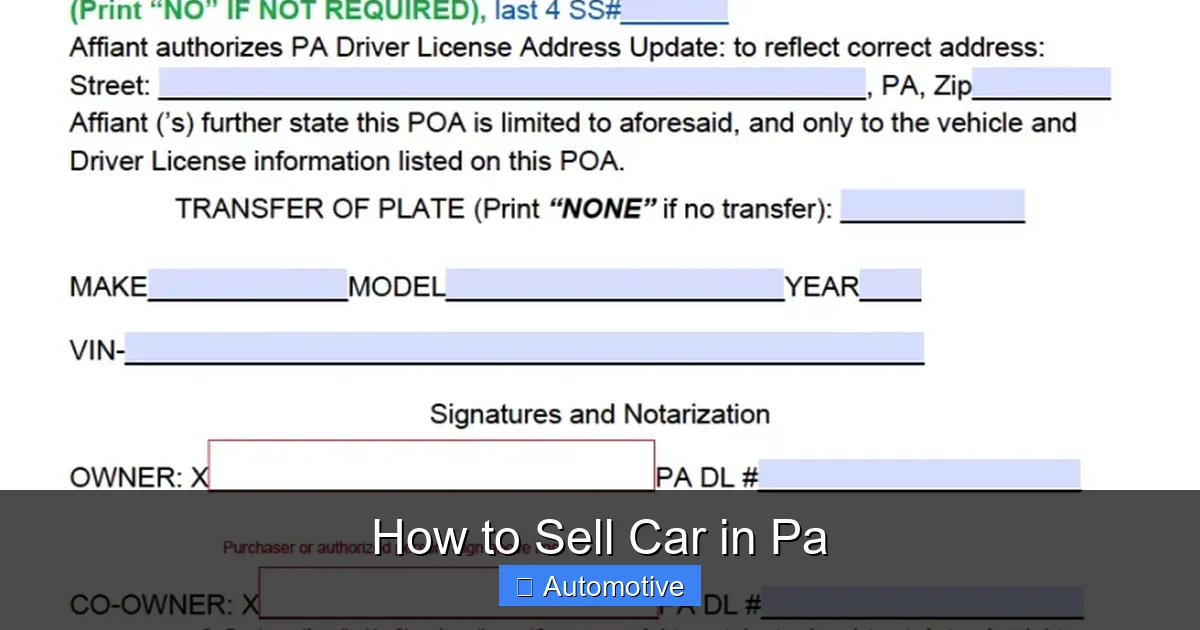
You’ll also need a completed Bill of Sale. While Pennsylvania doesn’t provide an official form, it’s smart to create one that includes:
– Seller and buyer names and addresses
– Vehicle identification number (VIN)
– Make, model, year, and mileage
– Sale price
– Date of sale
– Signatures of both parties
You can find free Bill of Sale templates online or use one from the Pennsylvania Department of Transportation (PennDOT) website. Including this document protects both you and the buyer by creating a legal record of the transaction.
Don’t forget the odometer disclosure. Federal law requires you to state the current mileage at the time of sale. This is usually done on the title itself, but if your title doesn’t have a space for it, include it in the Bill of Sale.
If your car is less than 10 years old and has passed a recent emissions test, you may need to provide a valid emissions certificate. However, this is only required if the buyer is registering the vehicle in a county that requires emissions testing (like Philadelphia or Pittsburgh). Check with PennDOT to confirm.
Finally, keep a copy of all documents for your records. This includes the title, Bill of Sale, and any communication with the buyer. These records can help resolve disputes or prove the sale occurred if issues arise later.
Step 4: Advertise Your Car Effectively
Visual guide about How to Sell Car in Pa
Image source: freeforms.com
Once your car is ready and your documents are in order, it’s time to list it for sale. The goal is to reach as many potential buyers as possible while keeping the process safe and efficient.
Start by choosing the right platform. Online marketplaces like Craigslist, Facebook Marketplace, and Autotrader are popular choices in Pennsylvania. Each has its pros and cons:
– Craigslist is free and widely used, but attracts scammers and lowball offers.
– Facebook Marketplace is convenient and allows you to see buyer profiles, but may limit visibility.
– Autotrader reaches serious buyers but charges a fee.
Consider using multiple platforms to maximize exposure. Include a clear, honest description of your car. Mention the make, model, year, mileage, condition, and any notable features. Be upfront about flaws—this builds trust and reduces the chance of disputes later.
Use the photos you took earlier. Upload at least 5–10 high-quality images. Show the exterior, interior, engine, tires, and any damage. A well-photographed listing gets more views and attracts serious buyers.
Set a reasonable response time. Aim to reply to inquiries within 24 hours. When communicating with potential buyers, be polite and professional. Answer questions honestly and avoid overselling. If someone asks about rust, transmission issues, or accident history, tell the truth—even if it’s not flattering.
When scheduling test drives, always meet in a public place during daylight hours. Bring a friend or family member for safety. Never let a buyer take the car alone—ride along to supervise. Keep your personal information private; avoid sharing your home address or financial details.
Step 5: Complete the Sale Safely
The final step in how to sell car in PA is completing the transaction securely. This involves transferring ownership, receiving payment, and protecting yourself from future liability.
Start by meeting the buyer in a safe, public location—like a police station parking lot or a busy shopping center. Many police departments in Pennsylvania even offer “safe exchange zones” with surveillance cameras for this purpose. Avoid meeting at your home or in isolated areas.
Once you’re satisfied with the buyer, complete the title transfer. Sign the title in the designated area and have it notarized. If you’re selling to a dealership or using an online car-buying service, they may handle the notarization, but for private sales, you’ll need to visit a notary public. Many banks, UPS stores, and courthouses offer notary services for a small fee.
Hand over the Bill of Sale, odometer disclosure, and any maintenance records. Make sure the buyer signs the Bill of Sale and keeps a copy.
Now, handle the payment. Cash is the safest option for private sales—it’s immediate and irreversible. If the buyer wants to pay by check, only accept a cashier’s check from a local bank. Never accept a personal check, as it can bounce. For larger amounts, consider meeting at the buyer’s bank to verify funds before handing over the keys.
Once payment is confirmed, remove your license plates. In Pennsylvania, license plates stay with the seller, not the vehicle. You can transfer them to a new car or return them to PennDOT. Do not leave them on the sold vehicle—this could lead to liability if the buyer gets a ticket or commits a crime.
Finally, notify PennDOT of the sale. You must file a Notice of Vehicle Sale within 5 days to avoid being held responsible for parking tickets, toll violations, or other issues after the sale. You can do this online through the PennDOT website or by mailing Form MV-120. Keep a copy of the confirmation for your records.
Step 6: Post-Sale Responsibilities
After the sale is complete, your responsibilities aren’t over. There are a few final steps to protect yourself and ensure a clean break from the vehicle.
First, cancel your insurance policy. Contact your insurer and let them know you’ve sold the car. Provide the sale date and buyer’s information if required. Most insurers will refund any unused premium, so don’t wait—cancel as soon as the sale is final.
Next, update your registration. Even though you’ve filed the Notice of Vehicle Sale, it’s a good idea to confirm with PennDOT that the transfer is complete. You can check the status online or call their customer service line.
If you had a loan on the vehicle, notify your lender that the car has been sold. They’ll send you a lien release, which you should keep with your records. This document proves the loan is paid off and the title is clear.
Finally, consider sending a follow-up message to the buyer. A simple “Thanks for the smooth transaction” can leave a positive impression. If the buyer has questions about the car later, respond politely—this helps maintain goodwill and reduces the chance of disputes.
By following these steps, you’ve not only sold your car successfully but also protected yourself from future issues. Selling a car in Pennsylvania is straightforward when you know the process—and now you do.
Common Mistakes to Avoid
Even with the best preparation, sellers often make avoidable mistakes. Here are some common pitfalls and how to avoid them:
One major error is skipping the notarization. In Pennsylvania, a title must be notarized to be valid. Don’t assume a signature alone is enough—visit a notary before meeting the buyer.
Another mistake is pricing too high. Overpricing leads to long listing times and frustrated buyers. Use market data to set a realistic price, and be willing to negotiate slightly.
Failing to disclose known issues is also risky. If you know about a problem—like a check engine light or transmission noise—tell the buyer upfront. Hiding flaws can lead to legal trouble or a forced refund.
Accepting unsafe payment methods is another danger. Personal checks, wire transfers, or cryptocurrency can be scams. Stick to cash or verified cashier’s checks.
Finally, forgetting to notify PennDOT is a common oversight. Without filing the Notice of Vehicle Sale, you could be liable for tickets or tolls for months. Make it a priority to submit the form within 5 days.
Avoiding these mistakes ensures a smooth, legal, and stress-free sale.
Conclusion
Selling a car in Pennsylvania doesn’t have to be a daunting task. By preparing your vehicle, pricing it fairly, gathering the right documents, and following state laws, you can complete the process efficiently and securely. From cleaning the interior to notifying PennDOT, every step matters.
Remember, the key to a successful sale is transparency and preparation. Be honest about your car’s condition, communicate clearly with buyers, and protect yourself with proper documentation and safe practices. Whether you’re selling to a private buyer or trading in at a dealership, knowing how to sell car in PA gives you the confidence to make smart decisions.
With this guide, you’re equipped with everything you need to sell your car quickly, legally, and for a fair price. So take a deep breath, follow the steps, and get ready to hand over the keys with peace of mind.
Frequently Asked Questions
Do I need a notary to sell my car in Pennsylvania?
Yes, Pennsylvania law requires that the vehicle title be signed by the seller and notarized. Both signatures must be notarized if there are co-owners. You can visit a bank, UPS store, or courthouse to get this done.
Can I sell my car if I still owe money on it?
No, you cannot legally sell a car with an outstanding loan unless the lienholder agrees. You must pay off the loan first and obtain a lien release before transferring the title to a new owner.
How long do I have to notify PennDOT after selling my car?
You must file a Notice of Vehicle Sale with PennDOT within 5 days of the sale. This protects you from liability for parking tickets, tolls, or other violations after the transfer.
What should I do with my license plates after selling my car?
In Pennsylvania, license plates remain with the seller. You can transfer them to a new vehicle or return them to PennDOT. Do not leave them on the sold car.
Is a Bill of Sale required in Pennsylvania?
While not legally required, a Bill of Sale is highly recommended. It documents the sale details and protects both buyer and seller in case of disputes.
Can I sell my car without an emissions test?
It depends on the county. If the buyer is registering the car in a county that requires emissions testing (like Philadelphia or Allegheny), you may need a valid certificate. Check with PennDOT for specific requirements.
