
Sell Junk Car Seattle

Selling a junk car in Seattle doesn’t have to be stressful or time-consuming. With the right buyer, you can get cash quickly—even if your car doesn’t run—and enjoy free towing and hassle-free paperwork. Whether it’s wrecked, rusted, or just outdated, there are reliable services ready to take it off your hands today.
Key Takeaways
- You can sell a non-running or damaged car in Seattle: Most junk car buyers accept vehicles in any condition, including those that are wrecked, flooded, or completely dead.
- Get paid in cash the same day: Many reputable companies offer instant cash payments upon pickup, so you don’t have to wait weeks for a check.
- Free towing is standard: Legitimate junk car buyers in Seattle provide free towing services—no hidden fees or surprise charges.
- Paperwork is simple and handled for you: The buyer typically manages title transfers and DOL paperwork, making the process smooth and legal.
- Prices depend on weight, condition, and market demand: Heavier vehicles and those with usable parts fetch higher payouts, especially when scrap metal prices are high.
- Choose licensed and insured buyers: Always verify the company’s credentials to avoid scams and ensure a safe, legal transaction.
- Act fast—scrap metal prices fluctuate: The value of your junk car can change weekly based on market conditions, so timing matters.
📑 Table of Contents
Why Sell Your Junk Car in Seattle?
Let’s face it—holding onto an old, broken-down car in Seattle isn’t doing you any favors. It’s taking up space in your driveway, costing you money in registration fees, and possibly becoming an eyesore in your neighborhood. Whether your car has been sitting for months or was recently totaled in an accident, now is the perfect time to sell junk car Seattle and turn that liability into cash.
Seattle’s rainy climate and urban density make car maintenance a constant challenge. Salt from winter roads, moisture from frequent rain, and limited parking space all contribute to faster wear and tear. If your vehicle is no longer reliable—or worse, not roadworthy—it’s smarter to sell it than keep sinking money into repairs. Plus, with rising scrap metal prices and a strong demand for auto parts, there’s never been a better time to cash in on that old clunker.
Common Reasons People Sell Junk Cars in Seattle
- Mechanical failure: Transmission gone? Engine seized? If repair costs exceed the car’s value, selling is the logical choice.
- Accident damage: Even if the car looks okay, hidden frame damage can make it unsafe and expensive to fix.
- Flood or water damage: Seattle’s wet weather increases the risk of flood damage, especially in low-lying areas. Water can ruin electronics, upholstery, and engine components.
- Failed emissions test: Older cars often struggle to pass Washington’s strict emissions standards, making them illegal to drive without costly upgrades.
- No longer needed: Upgraded to a new vehicle? Downsizing? A junk car sitting unused is just wasted space.
How Much Can You Get for a Junk Car in Seattle?
The amount you’ll receive when you sell junk car Seattle depends on several factors, but you can typically expect between $100 and $1,000—sometimes more. While that might not sound like a windfall, remember: you’re getting paid for something you likely considered worthless. And with free towing and no repair costs, it’s pure profit.
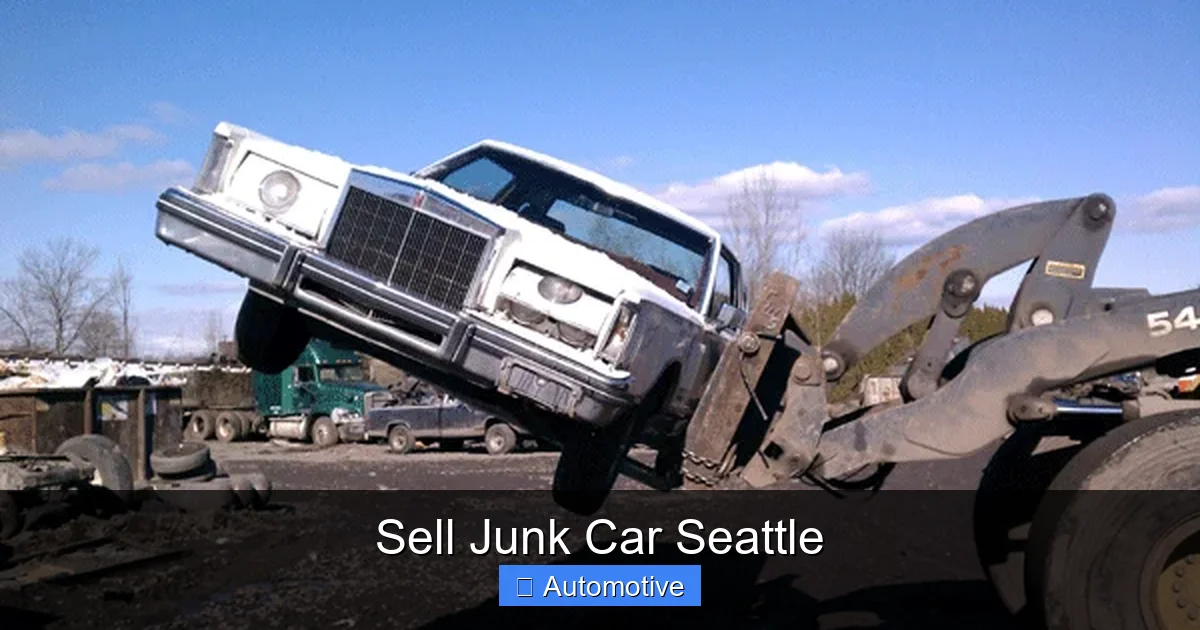
Visual guide about Sell Junk Car Seattle
Image source: s3-media0.fl.yelpcdn.com
Factors That Affect Your Junk Car’s Value
- Weight of the vehicle: Heavier cars (like trucks and SUVs) contain more scrap metal, so they usually fetch higher prices. A full-size pickup might be worth $500–$800, while a compact car could be $200–$400.
- Condition of the car: A car with intact parts (like a working engine, transmission, or catalytic converter) is worth more than one that’s completely stripped.
- Current scrap metal prices: Steel and aluminum prices fluctuate weekly. When demand is high, your payout increases. Check local scrap yards or online indexes to gauge current rates.
- Make, model, and year: Some brands retain value better due to parts demand. A Toyota or Honda with usable parts may sell for more than a lesser-known brand.
- Location and towing distance: Buyers factor in fuel and labor costs. Cars closer to scrap yards or processing centers may get slightly higher offers.
Real-Life Example: Selling a 2005 Honda Civic
Imagine you have a 2005 Honda Civic that won’t start. The engine is shot, the transmission is slipping, and the interior is moldy from Seattle’s damp weather. You’ve tried jump-starting it, but it’s clear this car is beyond saving. Instead of paying $1,500 for a new engine, you decide to sell junk car Seattle.
You call a local buyer who offers $320 based on the car’s weight (about 2,800 pounds), the value of its aluminum wheels, and the potential resale of its catalytic converter. They arrive the next day, tow it away for free, and hand you $320 in cash. No paperwork stress, no waiting—just instant cash for a car you couldn’t even give away.
How to Sell Your Junk Car in Seattle: Step-by-Step
Selling a junk car in Seattle is simpler than you might think. Most reputable buyers follow a straightforward process designed to save you time and stress. Here’s exactly what to expect—and how to prepare.
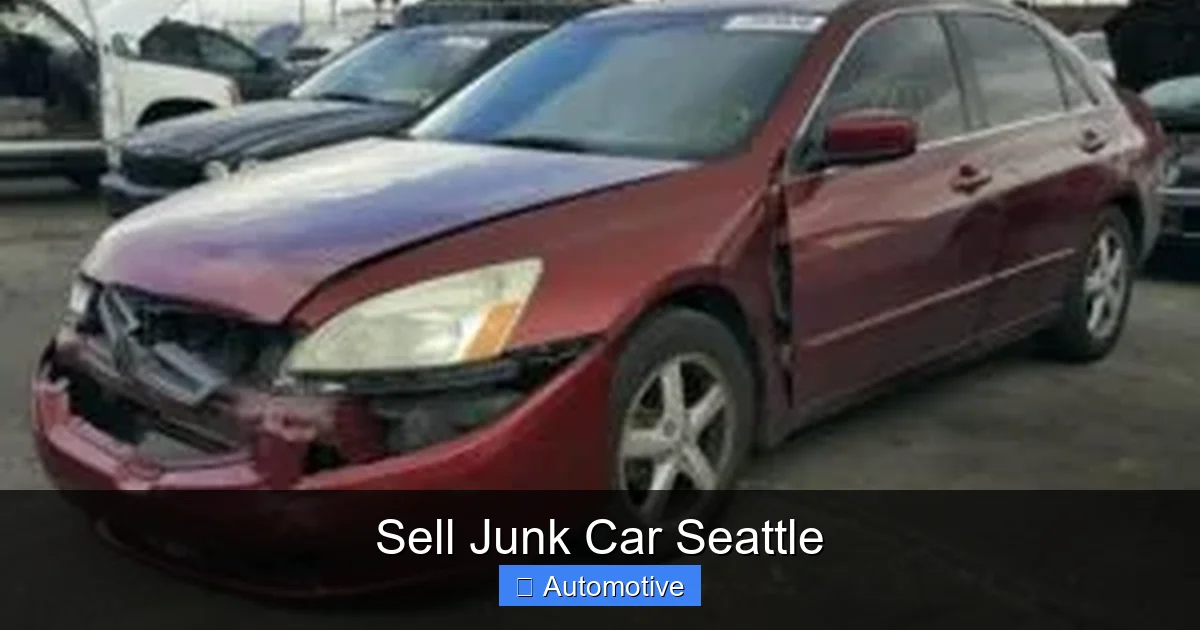
Visual guide about Sell Junk Car Seattle
Image source: junkcarboysseattlewa.com
Step 1: Gather Your Documents
Before calling a buyer, make sure you have the following:
- Vehicle title: This proves ownership. If you’ve lost it, contact the Washington Department of Licensing (DOL) to request a replacement.
- Valid ID: A driver’s license or state ID to verify your identity.
- Registration (optional but helpful): Shows the car is legally registered in your name.
If you don’t have the title, some buyers may still purchase the car, but the process takes longer and may require a bonded title or court order. It’s always best to have it ready.
Step 2: Get Multiple Quotes
Don’t settle for the first offer you receive. Call at least three licensed junk car buyers in Seattle to compare prices. Be honest about the car’s condition—mention if it doesn’t run, has flood damage, or missing parts. This ensures you get an accurate quote.
Example: You call Company A and get $250. Company B offers $300. Company C says $275 but includes free same-day pickup. Now you can make an informed decision based on price, service, and convenience.
Step 3: Schedule Pickup
Once you choose a buyer, schedule a pickup time that works for you. Most companies offer same-day or next-day service, especially in urban areas like Seattle. They’ll send a tow truck to your location—home, work, or even a repair shop—and handle everything on-site.
Step 4: Complete the Sale
When the tow truck arrives, the driver will inspect the car, verify your documents, and hand you cash or a check. They’ll also provide a bill of sale and help you sign over the title. Make sure to keep a copy for your records.
Step 5: Notify the DOL
Within 10 days of selling, you must notify the Washington DOL that you’ve transferred ownership. This protects you from liability if the car is later involved in an accident or traffic violation. You can do this online, by mail, or in person at a DOL office.
Top Tips for Getting the Best Price
Want to maximize your payout when you sell junk car Seattle? These insider tips can help you get more cash for your clunker.

Visual guide about Sell Junk Car Seattle
Image source: sellmycarseattle.com
Remove Valuable Parts First
If you’re handy with tools, consider removing high-value components before selling. Catalytic converters, for example, contain precious metals like platinum and can be worth $100–$300 on the secondary market. Tires in good condition, alloy wheels, and even working batteries can also be sold separately.
Warning: Only remove parts if you’re confident in your skills. Improper removal can damage the car further or void the sale. And always inform the buyer what’s been removed—they’ll adjust the offer accordingly.
Clean the Car (A Little)
You don’t need to detail it, but removing trash, personal items, and excess dirt makes a good impression. A cleaner car suggests better care, which might lead to a slightly higher offer. Plus, it’s just polite.
Time Your Sale Right
Scrap metal prices rise and fall with the market. If you’re not in a rush, monitor local scrap prices or ask buyers about current trends. Selling during a peak (like spring or summer) could net you an extra $50–$100.
Avoid Scams and Shady Buyers
Unfortunately, not all junk car buyers are trustworthy. Watch out for red flags like:
- No physical address or website
- Refusal to provide a written quote
- Pressure to decide immediately
- Requests for upfront fees
Always choose a licensed, insured company with positive reviews on Google, Yelp, or the Better Business Bureau.
What Happens to Your Junk Car After You Sell It?
You might be curious—what actually happens to your car once it’s towed away? The journey from your driveway to its final destination involves recycling, reuse, and responsible disposal.
Step 1: Inspection and Dismantling
The car is taken to a licensed auto recycling facility. Technicians inspect it for usable parts—engines, transmissions, alternators, and more. These parts are cleaned, tested, and sold as used auto parts, often at a fraction of the cost of new ones.
Step 2: Fluid Removal
All hazardous fluids—gasoline, oil, coolant, brake fluid, and transmission fluid—are carefully drained and disposed of according to environmental regulations. This prevents soil and water contamination.
Step 3: Metal Recycling
The car is crushed and shredded. The metal (mostly steel and aluminum) is separated using magnets and sent to steel mills to be melted down and reused. This process saves energy and reduces the need for mining raw materials.
Step 4: Responsible Disposal
Non-recyclable materials like plastic, rubber, and glass are disposed of safely. Modern recycling centers aim to recycle over 90% of each vehicle, minimizing landfill waste.
By selling your junk car, you’re not just making money—you’re supporting sustainable practices and reducing environmental harm.
Best Junk Car Buyers in Seattle
With so many options, how do you choose the right company to sell junk car Seattle? Here are a few trusted local buyers known for fair prices, fast service, and excellent customer reviews.
Cash for Cars Seattle
This locally owned company offers same-day pickup, free towing, and instant cash payments. They accept all vehicles—running or not—and handle all paperwork. Customers praise their transparency and quick response times.
Seattle Junk Car Buyers
Specializing in damaged and non-running vehicles, this buyer provides free quotes online and over the phone. They’re licensed, insured, and serve all Seattle neighborhoods, including Capitol Hill, Ballard, and West Seattle.
Green Car Removal Seattle
As the name suggests, this company focuses on eco-friendly car disposal. They recycle 95% of each vehicle and offer competitive prices. Ideal for environmentally conscious sellers.
When choosing a buyer, look for:
- Licensed and insured operations
- Positive online reviews
- Clear, written quotes
- No hidden fees
- Fast, reliable service
Common Mistakes to Avoid
Even with the best intentions, sellers sometimes make errors that cost them time or money. Here’s what to avoid when you sell junk car Seattle.
Selling Without a Title
While some buyers accept cars without titles, it complicates the process and may reduce your payout. Always try to obtain a replacement title before selling.
Accepting the First Offer
One quote isn’t enough. Shop around to ensure you’re getting a fair price. A $50 difference might not seem like much, but it adds up.
Forgetting to Remove Personal Items
Check the glove box, trunk, and under seats for phones, documents, or valuables. Once the car is towed, you won’t be able to retrieve them.
Not Notifying the DOL
Failing to report the sale can leave you liable for parking tickets, tolls, or accidents involving your former car. It’s a simple step that protects you legally.
Conclusion
Selling a junk car in Seattle is a smart, simple way to turn an unused asset into cash. Whether your car is broken, wrecked, or just old, there are reputable buyers ready to take it off your hands—no questions asked. With free towing, instant payments, and minimal paperwork, the process is designed for your convenience.
Don’t let that rusty old car continue to drain your space and sanity. Take action today, get multiple quotes, and choose a trusted buyer. In less than 24 hours, you could be walking away with cash in hand and a clean driveway. When you sell junk car Seattle, you’re not just decluttering—you’re making a practical, profitable decision.
Frequently Asked Questions
Can I sell a junk car in Seattle if it doesn’t run?
Yes! Most junk car buyers in Seattle accept non-running vehicles. Whether your car has a dead engine, flat tires, or no battery, they’ll still make you an offer based on weight and parts value.
Do I need a title to sell my junk car?
A title is preferred, but some buyers may purchase the car without it. However, the process takes longer and may require additional paperwork. It’s best to obtain a replacement title from the Washington DOL if possible.
How quickly can I get my car picked up?
Many Seattle junk car buyers offer same-day or next-day pickup. Once you accept the quote, they’ll schedule a time that works for you—often within 24 hours.
Will I get cash or a check?
Most reputable buyers pay in cash upon pickup. Some may offer a check, but cash is standard for junk car sales in Seattle. Always confirm payment method before scheduling.
Is towing really free?
Yes, legitimate junk car buyers include free towing in their service. They send a tow truck to your location at no cost to you. Be wary of companies that charge hidden fees.
What if my car is missing parts?
Missing parts will lower the offer, but you can still sell the car. Buyers base their price on what’s left—especially the weight of the metal. Be honest about what’s missing to get an accurate quote.