
Sell Car with Expired Registration

Selling a car with expired registration is possible, but it requires careful planning and awareness of state laws. This guide walks you through the legal steps, potential challenges, and smart strategies to ensure a smooth, lawful transaction—without costly surprises.
Key Takeaways
- Check your state’s laws: Rules for selling a car with expired registration vary widely—some states allow it, others require renewal first.
- Disclose the expired registration: Honesty builds trust and protects you from legal issues or buyer disputes later.
- Renew registration if required: In many states, you must renew before selling to transfer ownership legally.
- Use a bill of sale: This document helps prove the transaction and can include notes about the registration status.
- Consider selling to a dealer or scrap yard: These buyers often handle registration issues, making the process easier.
- Avoid driving the car: Operating a vehicle with expired registration can lead to fines or towing—use a transport service instead.
- Prepare for lower offers: Buyers may negotiate harder knowing they’ll need to handle registration renewal.
📑 Table of Contents
Can You Legally Sell a Car with Expired Registration?
If you’re looking to sell a car but notice the registration has expired, you’re not alone. Many car owners find themselves in this situation—whether due to forgetfulness, financial constraints, or simply not driving the vehicle often. The good news? In most cases, you *can* sell a car with expired registration. But it’s not as simple as handing over the keys and walking away.
The legality of selling a car with expired registration depends heavily on where you live. Each state has its own Department of Motor Vehicles (DMV) rules, and these can differ significantly. Some states allow private sellers to transfer ownership even if the registration is expired, while others require the registration to be current at the time of sale. For example, in California, you can sell a car with expired registration, but the buyer must renew it within a certain timeframe after purchase. In contrast, states like New York may require the seller to renew the registration before completing the sale.
Before listing your vehicle, it’s crucial to research your state’s specific requirements. A quick visit to your local DMV website or a phone call to their office can save you from legal headaches down the road. Ignorance of the law isn’t an excuse, and failing to comply could result in fines, delays, or even the inability to transfer the title.
Why Registration Matters in a Car Sale
You might wonder, “Why does registration matter if I’m just selling the car?” After all, the title proves ownership, right? While the title is the primary legal document showing you own the vehicle, registration serves several important functions in a sale.
First, registration confirms that the vehicle is legally allowed to be on the road. Even if the car isn’t being driven, an expired registration can raise red flags for buyers and DMV officials. It may suggest the car has been abandoned, neglected, or involved in past violations.
Second, many states require a current registration to complete the title transfer process. The DMV often checks registration status when processing a new owner’s application. If it’s expired, they may delay the transfer until it’s renewed—sometimes requiring the *seller* to handle it.
Finally, registration ties the vehicle to insurance and emissions testing. If your registration lapsed because you canceled insurance or failed an inspection, those issues may need to be resolved before the sale can go through smoothly.
State-by-State Variations: What You Need to Know
Let’s look at a few examples to illustrate how different states handle expired registration during a sale.
In **Texas**, you can sell a car with expired registration, but the buyer must renew it within 30 days of purchase. The seller isn’t required to renew it beforehand, but it’s often helpful to do so to make the car more attractive.
In **Florida**, the registration must be current at the time of sale. If it’s expired, you’ll need to renew it before transferring the title. This can involve paying back fees and possibly passing a re-inspection.
In **Illinois**, expired registration doesn’t prevent a sale, but the buyer will need to renew it before registering the car in their name. However, if the registration has been expired for more than a year, the DMV may require additional steps, such as a vehicle inspection.
These examples show why it’s essential to check your local rules. Don’t assume that what works in one state will work in another. When in doubt, contact your DMV or consult a legal professional familiar with automotive transactions.
Steps to Sell a Car with Expired Registration
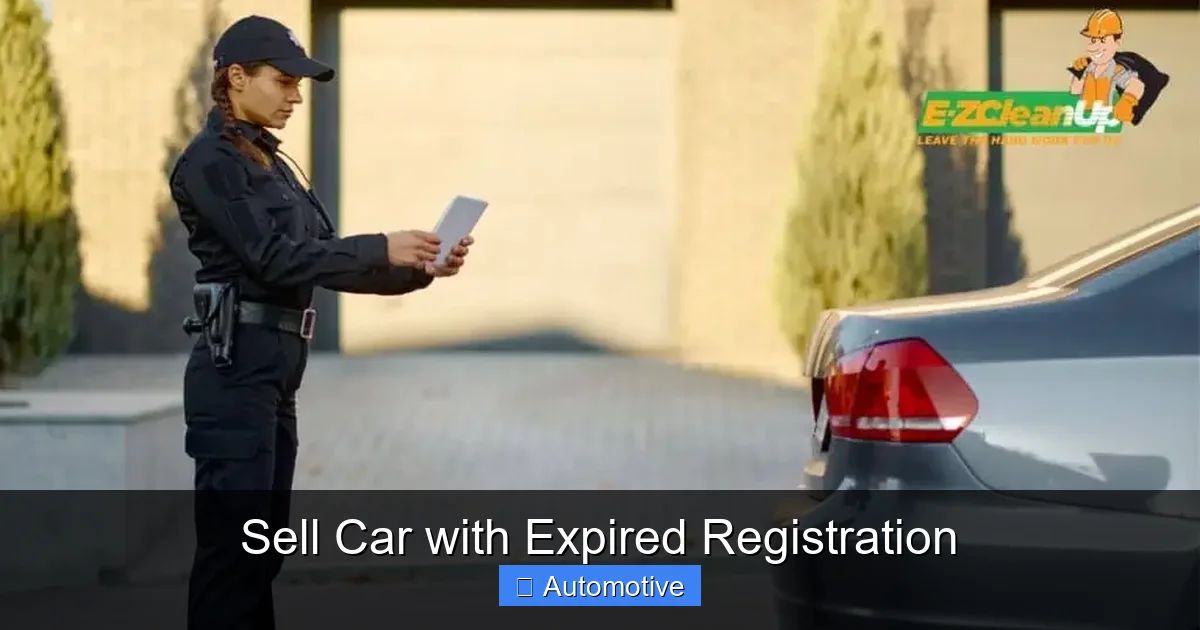
Visual guide about Sell Car with Expired Registration
Image source: ezcleanup.com
Selling a car with expired registration doesn’t have to be complicated—if you follow the right steps. Here’s a clear, actionable roadmap to help you navigate the process smoothly and legally.
Step 1: Verify Your State’s Requirements
Start by visiting your state’s DMV website or calling their customer service line. Ask specifically: “Can I sell a car with expired registration?” and “What documents are needed for the transfer?” Take notes and, if possible, get written confirmation or a reference number.
Some states provide online tools or checklists for private vehicle sales. These can be incredibly helpful. For instance, California’s DMV website has a “Private Party Sale” guide that outlines exactly what sellers and buyers need to do.
Step 2: Gather All Necessary Documents
Even with expired registration, you’ll need several key documents to complete the sale:
– **Vehicle Title:** This must be signed over to the buyer. Make sure there are no liens or loans attached.
– **Bill of Sale:** This legally records the transaction. Include the sale price, date, vehicle details (VIN, make, model, year), and both parties’ information.
– **Odometer Disclosure:** Required in most states for vehicles under 10 years old.
– **Release of Liability Form:** This protects you from future tickets or accidents after the sale. File it with the DMV as soon as possible.
– **Registration Certificate (if available):** Even if expired, include it so the buyer knows the status.
If your title is lost, you’ll need to apply for a duplicate before selling. This can take a few days to a week, so plan ahead.
Step 3: Decide Whether to Renew the Registration
This is a critical decision. In some states, renewing the registration before selling is optional but highly recommended. In others, it’s mandatory.
Renewing the registration can make your car more appealing to buyers. It shows the vehicle is in good standing and reduces the buyer’s upfront costs. However, it also means paying renewal fees, which can range from $20 to over $200 depending on your state and vehicle type.
If you choose not to renew, be upfront with buyers. Explain the situation and let them know they’ll need to handle the renewal. Some buyers may still be interested, especially if the car is priced fairly.
Step 4: Advertise the Car Honestly
When listing your car online or in local classifieds, be transparent about the expired registration. Mention it in the description. For example:
> “2015 Honda Civic – Excellent condition, low mileage. Registration expired in March 2024. Buyer responsible for renewal. Clean title, no accidents.”
Honesty builds trust and prevents misunderstandings. Buyers appreciate transparency, and it reduces the risk of disputes after the sale.
Consider listing on platforms like Craigslist, Facebook Marketplace, or Autotrader. Use clear photos and highlight the car’s best features. Price it competitively—buyers may negotiate more if they know they’ll have to pay for registration.
Step 5: Complete the Sale and Transfer Ownership
Once you find a buyer, meet in a safe, public place. Bring all your documents. Have the buyer inspect the car and take it for a test drive if allowed (more on that below).
Sign the title over to the buyer. Make sure to fill out all required sections, including the odometer reading and sale price. Some states require notarization, so check your local rules.
Provide a bill of sale. You can find free templates online or use your DMV’s official form. Both parties should keep a copy.
After the sale, file a release of liability with your DMV immediately. This removes your responsibility for the vehicle. In most states, you can do this online.
Step 6: Handle Post-Sale Responsibilities
Even after the sale, there are a few loose ends to tie up:
– **Cancel your insurance:** Once the car is sold, you no longer need coverage. Contact your insurer to cancel the policy and request a refund for any unused premium.
– **Remove license plates:** In many states, you must remove the plates before handing over the car. Keep them or return them to the DMV.
– **Keep records:** Save copies of the bill of sale, title transfer, and release of liability for at least a few years. You may need them if questions arise later.
Challenges and How to Overcome Them
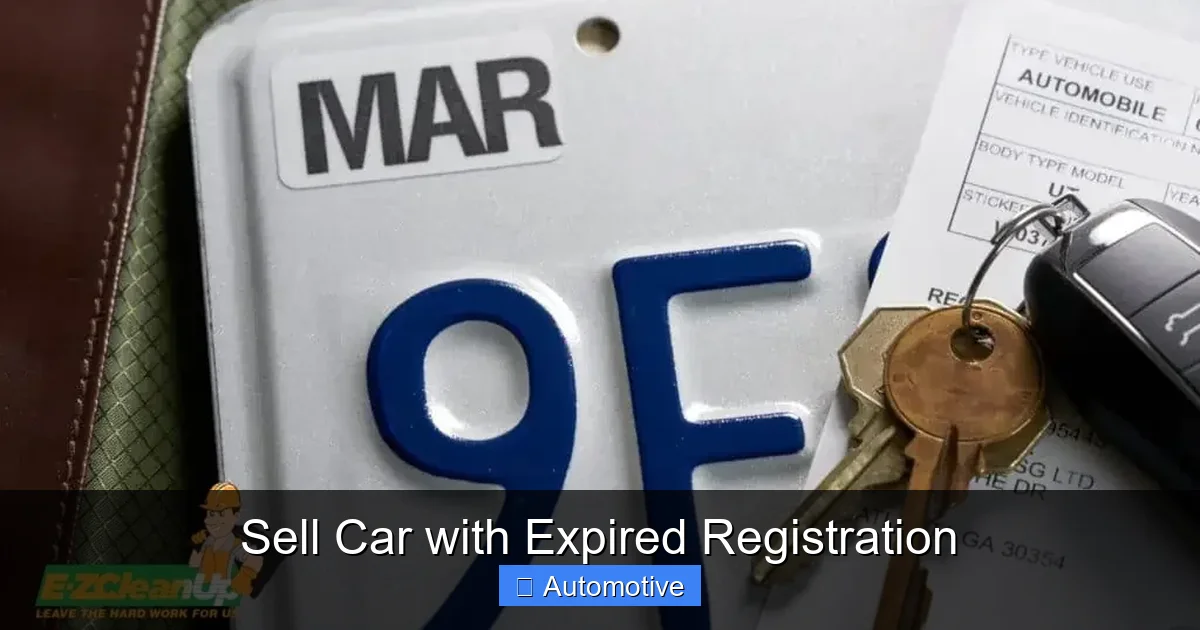
Visual guide about Sell Car with Expired Registration
Image source: ezcleanup.com
Selling a car with expired registration comes with unique challenges. But with the right approach, you can overcome them and close the deal successfully.
Challenge 1: Buyer Hesitation
Many buyers are wary of cars with expired registration. They may worry about hidden problems, legal issues, or extra costs.
**Solution:** Be proactive. Explain why the registration expired (e.g., “I stopped driving it after moving”) and reassure them that the car is in good condition. Offer to provide maintenance records or a recent inspection report.
Challenge 2: Difficulty with Test Drives
Driving a car with expired registration can be risky. In most states, it’s illegal to operate a vehicle with expired tags, even for a test drive.
**Solution:** Instead of letting the buyer drive it, offer to meet at a mechanic for a pre-purchase inspection. Or, use a licensed transport service to move the car to a safe location for testing. Some buyers may be willing to skip the test drive if the car is priced well and has a clean history.
Challenge 3: Title Transfer Delays
If your state requires current registration for title transfer, delays can occur if you don’t renew it beforehand.
**Solution:** Renew the registration before listing the car. This shows buyers you’re serious and helps the DMV process the transfer faster. If you can’t afford to renew, clearly state that in your listing and be prepared for a longer selling process.
Challenge 4: Lower Offers
Buyers may lowball you, knowing they’ll have to pay for registration renewal.
**Solution:** Price the car fairly from the start. Research similar models in your area and adjust for the expired registration. You might list it slightly below market value to attract interest, but don’t undervalue it too much.
Alternative Selling Options
Visual guide about Sell Car with Expired Registration
Image source: ezcleanup.com
If selling privately feels too complicated, consider alternative routes. These can save time and reduce stress, especially if your registration has been expired for a long time.
Sell to a Dealership
Many dealerships will buy cars with expired registration, especially if they plan to resell or use them for parts. They handle the paperwork and registration renewal, making it easy for you.
The downside? You’ll likely get less money than selling privately. Dealers need to make a profit, so their offers are often lower. But if convenience is your priority, it’s a solid option.
Trade-In at a Dealership
If you’re buying a new car, consider trading in your old one. Most dealerships accept trade-ins with expired registration. They’ll apply the value toward your new purchase and take care of the rest.
This is a great way to simplify the process, especially if you’re upgrading. Just be aware that trade-in values are typically lower than private sale prices.
Sell to a Scrap Yard or Junkyard
If your car isn’t running or is in poor condition, selling it for parts or scrap might be the best choice. Many junkyards will buy vehicles regardless of registration status.
They often pay in cash and tow the car away for free. While you won’t get top dollar, it’s a quick way to get rid of an unwanted vehicle.
Use an Online Car Buying Service
Companies like CarMax, Carvana, and Vroom allow you to sell your car online. They’ll inspect it (sometimes at your home) and make an offer. If accepted, they handle the paperwork and registration.
These services are convenient but may offer less than private buyers. Still, they’re worth considering if you want a hassle-free sale.
Tips for a Smooth and Legal Sale
To ensure your sale goes smoothly and stays within the law, keep these practical tips in mind:
– **Be honest from the start.** Disclose the expired registration in your listing and during conversations with buyers.
– **Keep records organized.** Have all documents ready before meeting a buyer.
– **Meet in a safe location.** Choose a public place with good lighting and security cameras.
– **Avoid cash-only deals.** Use a cashier’s check or bank transfer for larger amounts to protect yourself from fraud.
– **Don’t drive the car illegally.** If you need to move it, use a tow truck or transport service.
– **File the release of liability immediately.** This protects you from future liabilities.
– **Stay calm and patient.** Selling a car with expired registration may take longer, but it’s still possible.
Final Thoughts
Selling a car with expired registration isn’t ideal, but it’s far from impossible. With the right knowledge and preparation, you can complete the sale legally and fairly. The key is understanding your state’s rules, being transparent with buyers, and taking the necessary steps to transfer ownership properly.
While it may require a bit more effort than selling a car with current registration, the process is manageable—especially if you plan ahead. Whether you choose to renew the registration, sell privately, or go through a dealer, there’s a solution that fits your situation.
Remember, honesty and organization are your best tools. By following this guide, you’ll not only sell your car but also protect yourself from legal issues and build trust with your buyer. So don’t let an expired registration stop you—take action, stay informed, and close the deal with confidence.
Frequently Asked Questions
Can I sell my car if the registration is expired?
Yes, in most states you can sell a car with expired registration, but rules vary. Some states require the registration to be current at the time of sale, while others allow the buyer to renew it after purchase. Always check your local DMV guidelines.
Do I need to renew the registration before selling?
It depends on your state. In places like Florida, renewal is required before the sale. In states like Texas, it’s not mandatory, but renewing can make the car more attractive to buyers and simplify the transfer process.
What happens if I don’t disclose the expired registration?
Failing to disclose an expired registration can lead to disputes, legal issues, or the buyer refusing to complete the sale. Honesty builds trust and protects you from liability after the transaction.
Can the buyer drive the car home with expired registration?
Generally, no. Driving with expired registration is illegal in most states, even for a short trip. The buyer should arrange for a tow or transport service, or renew the registration first if allowed.
Will selling a car with expired registration lower its value?
It may, as buyers often factor in the cost and hassle of renewal. However, pricing the car fairly and being transparent can help offset this and attract serious buyers.
What documents do I need to sell a car with expired registration?
You’ll need the vehicle title, a bill of sale, odometer disclosure, release of liability form, and possibly the expired registration certificate. Check your state’s DMV for a complete list.
