
Sell Non Working Car Near Me

Selling a non working car doesn’t have to be stressful or time-consuming. Whether your vehicle won’t start, has engine trouble, or is simply too damaged to drive, there are local buyers ready to take it off your hands—often paying cash on the spot. With the right approach, you can turn that eyesore in your driveway into instant money.
Key Takeaways
- You can sell a non working car even if it doesn’t run: Many local junkyards, scrap yards, and cash-for-cars companies buy vehicles in any condition—no title? No problem in most cases.
- Get paid fast with same-day pickup: Reputable buyers often offer free towing and immediate payment, so you don’t have to wait weeks to clear your space.
- Compare multiple offers to maximize value: Prices vary widely based on location, vehicle make, model, weight, and current scrap metal rates—always get at least three quotes.
- Prepare your paperwork in advance: Having your vehicle title (or a duplicate), ID, and registration ready speeds up the process and avoids last-minute delays.
- Avoid scams by choosing licensed, reviewed buyers: Stick with companies that are BBB-accredited, have Google reviews, and provide written estimates before towing.
- Environmental benefits matter: Selling to a licensed recycler ensures your car is disposed of responsibly, reducing pollution and conserving resources.
- Even severely damaged cars have value: From catalytic converters to aluminum wheels, salvageable parts and scrap metal can still generate solid returns.
📑 Table of Contents
- Why Sell Your Non Working Car Instead of Letting It Sit?
- How Much Can You Get for a Non Working Car?
- Step-by-Step Guide to Selling Your Non Working Car
- Avoiding Scams When Selling a Non Working Car
- Environmental and Legal Benefits of Selling Responsibly
- Alternatives to Selling: When to Consider Other Options
- Final Thoughts: Turn That Clunker Into Cash Today
Why Sell Your Non Working Car Instead of Letting It Sit?
That old car parked in your driveway might seem like a lost cause—especially if it hasn’t started in months or has visible damage from an accident. But here’s the truth: even a completely non working car still has value. Whether it’s a 2005 sedan with a seized engine or a pickup truck that rolled into a ditch, someone out there is willing to buy it. And not just for parts—many buyers pay based on the weight of the metal alone.
Leaving a broken-down vehicle sitting on your property isn’t just an eyesore—it can actually cost you money over time. In many cities, ordinances prohibit abandoned vehicles on private property, and you could face fines or even forced removal by the city. Plus, insurance premiums don’t drop just because your car isn’t running. By selling it now, you free up space, eliminate liability, and put cash in your pocket—all without spending a dime on repairs.
The Hidden Costs of Keeping a Dead Car
It’s easy to think, “I’ll fix it someday,” but that “someday” rarely comes—and in the meantime, your non working car becomes a money pit. Storage fees, parking violations, and depreciation all add up. Worse, if the car leaks fluids or becomes a nesting spot for pests, you could face environmental cleanup costs. Selling it quickly avoids these hidden expenses and gives you a clean slate.
Who Buys Non Working Cars Near You?
You might be surprised by how many local businesses specialize in buying cars that don’t run. These include:
- Junkyards and scrap yards: They pay based on weight and often offer free towing.
- Cash-for-cars companies: Local operators who buy vehicles for resale, parts, or recycling.
- Auto salvage yards: Focused on harvesting usable parts before scrapping the rest.
- Online car buyers: National services like CarMax, Carvana, or Peddle that operate locally with mobile pickup.
Many of these buyers advertise with phrases like “We buy cars that don’t run” or “Cash for junk cars”—so a quick online search for “sell non working car near me” will reveal plenty of options in your area.
How Much Can You Get for a Non Working Car?
The value of your non running vehicle depends on several factors, but don’t assume it’s worthless. Even if the engine is toast and the transmission is shot, the car’s metal frame, tires, battery, and interior components still hold resale or scrap value. On average, most non working cars sell for $100 to $500, though luxury models, heavy trucks, or vehicles with rare parts can fetch $1,000 or more.
Visual guide about Sell Non Working Car Near Me
Image source: webuytotaledcars.s3-us-west-2.amazonaws.com
Factors That Affect Your Car’s Value
Several key elements determine how much a buyer will offer:
- Make and model: Popular brands like Honda, Toyota, and Ford often have higher demand for parts.
- Year and mileage: Newer cars (even if broken) may have valuable electronics or safety systems.
- Condition of body and frame: Minimal rust and no major collision damage increase value.
- Weight of the vehicle: Heavier cars = more scrap metal = higher payout.
- Local scrap metal prices: Steel and aluminum prices fluctuate weekly—buyers adjust offers accordingly.
- Working components: A functioning alternator, catalytic converter, or AC compressor can boost value significantly.
Real-World Examples
Let’s say you have a 2008 Honda Civic that won’t start due to a bad alternator. Even though it’s not drivable, the engine block, transmission, and body are intact. A local junkyard might offer $350 based on its weight (around 2,800 lbs) and the value of its aluminum wheels and catalytic converter. Meanwhile, a 1999 Ford F-150 with a blown head gasket but minimal rust could go for $450–$600 because trucks weigh more and their parts are in higher demand.
On the flip side, a 1995 sedan with severe rust, missing parts, and a shredded interior might only fetch $120–$180. But remember: any amount is better than paying to have it towed to a landfill.
Step-by-Step Guide to Selling Your Non Working Car
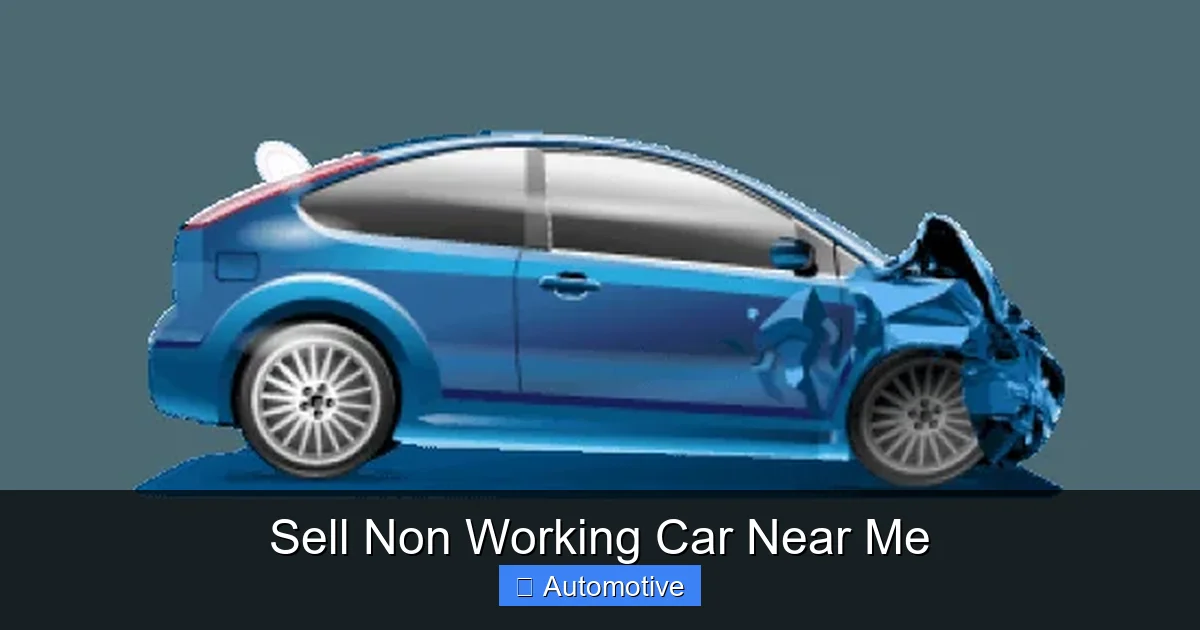
Selling a car that doesn’t run is simpler than you think—especially when you follow a clear process. Here’s how to do it efficiently and safely.
Visual guide about Sell Non Working Car Near Me
Image source: webuytotaledcars.s3-us-west-2.amazonaws.com
Step 1: Gather Your Documents
Before contacting buyers, make sure you have:
- Vehicle title: This proves ownership. If you’ve lost it, contact your state’s DMV to request a duplicate (usually takes 1–2 weeks).
- Valid photo ID: Drivers license or state ID.
- Registration (if available): Not always required, but helpful.
- Release of liability form: Some states require you to file this with the DMV after sale to avoid future tickets or fees.
Note: In most states, you can sell a car without a title if you provide proper identification and sign a bill of sale. However, some buyers may charge less or refuse the transaction—so having the title maximizes your offer.
Step 2: Get Multiple Quotes
Don’t settle for the first offer you receive. Call or fill out online forms for at least three local buyers. Be honest about the car’s condition: mention if it doesn’t start, has fluid leaks, or missing parts. Most companies will give you a free, no-obligation quote over the phone or via email within minutes.
Pro tip: Ask specifically if they charge for towing. Reputable buyers almost always offer free removal—if a company asks you to pay for transport, walk away.
Step 3: Choose the Best Offer
Compare not just the price, but also:
- Same-day vs. scheduled pickup
- Payment method (cash, check, or electronic transfer)
- Customer reviews and ratings
- Licensing and insurance (ask for proof if unsure)
For example, if Buyer A offers $400 with next-day pickup and 4.8-star Google reviews, while Buyer B offers $450 but can’t tow for a week and has no online presence, Buyer A is likely the safer, more convenient choice.
Step 4: Finalize the Sale
Once you’ve chosen a buyer, schedule pickup. On the day of removal:
- Remove all personal items from the car (gloves, documents, garage door openers).
- Take photos of the vehicle before it’s towed (for your records).
- Sign over the title (or complete a bill of sale if no title).
- Get a receipt confirming the sale and payment.
Payment is typically made on the spot—either in cash or via a certified check. Avoid buyers who ask you to wait days for payment; legitimate companies pay immediately upon pickup.
Avoiding Scams When Selling a Non Working Car
While most car buyers are honest, the industry does attract scammers—especially online. Protect yourself by knowing the red flags.
Visual guide about Sell Non Working Car Near Me
Image source: assets.carpages.ca
Common Scam Tactics
- “We’ll pay you after inspection”: Legitimate buyers pay upfront. If they insist on inspecting first and delaying payment, it’s a scam.
- Requests for upfront fees: No reputable buyer will ask you to pay for towing, processing, or “administrative costs.”
- Vague or fake contact info: Check their website, phone number, and physical address. Scammers often use PO boxes or no address at all.
- Pressure to act immediately: High-pressure tactics (“This offer expires in 2 hours!”) are a classic sign of fraud.
How to Verify a Buyer’s Legitimacy
Before committing:
- Search their business name + “scam” or “reviews” on Google.
- Check the Better Business Bureau (BBB) website for complaints.
- Look for verified Google reviews with photos and detailed comments.
- Ask for a written contract or estimate before towing.
If something feels off, trust your gut. There are plenty of trustworthy buyers—don’t let one bad apple ruin your experience.
Environmental and Legal Benefits of Selling Responsibly
Beyond the financial upside, selling your non working car to a licensed recycler has significant environmental and legal advantages.
Eco-Friendly Disposal
Modern auto recycling recovers up to 95% of a vehicle’s materials. Fluids like oil, coolant, and gasoline are safely drained and reused or disposed of properly. Metals are melted down and repurposed, reducing the need for mining. Even tires and batteries are recycled into new products. By choosing a certified recycler, you’re helping reduce landfill waste and carbon emissions.
Legal Protection
Selling through a licensed buyer ensures compliance with state laws. They’ll handle the DMV paperwork, file release of liability forms, and provide documentation that transfers ownership. This protects you from future fines, toll violations, or even criminal liability if the car is later involved in an accident.
Alternatives to Selling: When to Consider Other Options
While selling is usually the best choice, there are rare cases where other paths make sense.
Donating Your Car
If your car has minimal value (under $500), consider donating it to a qualified charity. You’ll receive a tax deduction, and many nonprofits offer free towing. Just ensure the organization is IRS-recognized (check IRS.gov) and get a receipt.
Parting It Out Yourself
For mechanically inclined owners, removing and selling valuable parts (like the transmission, wheels, or infotainment system) can yield more profit than a bulk sale. However, this requires tools, storage space, and time—and you’ll still need to dispose of the shell afterward. Only pursue this if you’re confident in your abilities.
Trading In (Rare but Possible)
Some dealerships accept non running cars as trade-ins, especially if you’re buying a new vehicle. The value will be low, but it simplifies the process. Call ahead to confirm their policy.
Final Thoughts: Turn That Clunker Into Cash Today
Selling a non working car near you isn’t just possible—it’s often quick, easy, and profitable. With dozens of local buyers competing for your vehicle, you have more power than you think. The key is acting fast, doing your research, and choosing a reputable partner who values transparency and customer service.
Don’t let that broken-down car continue to drain your time, space, and peace of mind. Whether it’s a rusted hatchback or a flooded SUV, there’s someone ready to take it off your hands—and pay you for the privilege. So grab your title, call a few buyers, and turn that liability into liquid cash. Your driveway (and wallet) will thank you.
Frequently Asked Questions
Can I sell a car that doesn’t run and has no title?
Yes, in most states you can sell a non working car without a title, but you’ll need to provide valid ID and sign a bill of sale. Some buyers may offer less or require additional documentation, so check local laws first.
How quickly can I sell my non working car?
Many buyers offer same-day or next-day pickup, especially if the car is located in a convenient area. Once you accept an offer, the process can be completed within 24 hours.
Do I have to pay for towing when selling a junk car?
No—reputable buyers almost always provide free towing as part of the service. If a company asks you to cover towing costs, it’s likely a scam or an unlicensed operator.
What if my car is completely destroyed in an accident?
Even severely damaged cars have scrap value. Buyers will assess the weight, metal content, and any salvageable parts. Don’t assume it’s worthless—get a quote.
Can I sell a car that’s been sitting for years?
Absolutely. Age doesn’t disqualify a vehicle from sale. Just be honest about its condition, including rust, fluid leaks, or missing components, when requesting quotes.
Is it better to sell privately or to a junkyard?
For non working cars, selling to a junkyard or cash-for-cars company is usually faster and easier than private sale. Private buyers typically want running vehicles, so you’ll get a better deal with a specialized buyer.