
How to Sell a Car with a Rebuilt Title

Selling a car with a rebuilt title can be tricky, but it’s absolutely doable with the right approach. By being transparent, pricing fairly, and preparing thorough documentation, you can attract serious buyers and complete a smooth, legal sale.
Key Takeaways
- Disclose the rebuilt title upfront: Honesty builds trust and avoids legal issues. Always inform buyers before they inspect the vehicle.
- Understand what a rebuilt title means: It indicates the car was previously declared a total loss but has since been repaired and passed inspection.
- Price the car competitively: Rebuilt-title vehicles typically sell for 20–40% less than clean-title equivalents. Research local market values.
- Gather all repair and inspection records: Documentation proves the car is safe and roadworthy, increasing buyer confidence.
- Choose the right selling platform: Use niche marketplaces or local classifieds where buyers expect rebuilt titles.
- Be prepared for financing challenges: Some lenders won’t finance rebuilt-title cars, so cash buyers or private financing may be necessary.
- Complete the sale legally: Ensure proper title transfer, bill of sale, and release of liability to protect yourself.
📑 Table of Contents
Understanding Rebuilt Titles: What Buyers Need to Know
If you’re selling a car with a rebuilt title, the first step is understanding exactly what that means—and how it affects your sale. A rebuilt title is issued when a vehicle was previously declared a total loss by an insurance company (usually due to severe damage from an accident, flood, or fire) but has since been repaired and inspected by a state authority to ensure it meets safety and roadworthiness standards.
Unlike a clean title, which indicates no major damage history, a rebuilt title signals that the car had a significant past. However, that doesn’t automatically mean it’s unsafe or unreliable. Many rebuilt-title cars are perfectly functional and safe to drive—especially if they were professionally repaired and passed rigorous inspections. The key is transparency. Buyers will want to know the full story, so being upfront about the car’s history builds trust and reduces the risk of disputes later.
Why Do Rebuilt Titles Exist?
Rebuilt titles exist to protect consumers and maintain transparency in the used car market. When a car is severely damaged, insurance companies often declare it a “total loss” if repair costs exceed a certain percentage of the vehicle’s value—typically 70% to 80%, depending on the state. At that point, the insurer takes ownership and sells the car to a salvage yard or rebuild shop.
Rebuilders then repair the vehicle, often using high-quality parts and professional labor. Once repairs are complete, the car must pass a state inspection to verify it’s safe to drive. Only then can it be issued a rebuilt title and returned to the road. This process ensures that even though the car has a troubled past, it’s been restored to a legal and safe condition.
Common Misconceptions About Rebuilt Titles
One of the biggest challenges in selling a rebuilt-title car is overcoming buyer skepticism. Many people assume that a rebuilt title means the car is dangerous, unreliable, or a “lemon.” While it’s true that some rebuilt cars were poorly repaired, many are just as good as clean-title vehicles—especially if the repairs were done correctly.
Another misconception is that rebuilt-title cars can’t be insured or registered. In most states, they can. However, some insurance companies may charge higher premiums or refuse comprehensive coverage. Similarly, registration is usually possible, but you may need to provide extra documentation, such as inspection certificates or repair receipts.
It’s also worth noting that not all rebuilt titles are created equal. A car rebuilt after minor flood damage might be in better shape than one repaired after a high-speed collision. The extent and quality of repairs matter more than the title status alone.
Preparing Your Rebuilt-Title Car for Sale
Once you understand what a rebuilt title means, the next step is preparing your car for sale. This isn’t just about washing the exterior and vacuuming the interior—though those steps help. It’s about presenting your vehicle as a safe, reliable, and well-documented option for buyers who are open to rebuilt titles.
Visual guide about How to Sell a Car with a Rebuilt Title
Image source: res.cloudinary.com
Get a Professional Inspection
Even though your car already passed a state inspection to earn its rebuilt title, getting a fresh inspection from a trusted mechanic can boost buyer confidence. A pre-sale inspection report shows that the car is in good working order and hasn’t developed new issues since the rebuild.
Ask the mechanic to check critical systems like the engine, transmission, brakes, suspension, and electrical components. If any minor repairs are needed—like replacing worn brake pads or fixing a small exhaust leak—do them before listing the car. A well-maintained vehicle is more appealing, even with a rebuilt title.
Gather All Documentation
Documentation is your best friend when selling a rebuilt-title car. Buyers will want proof that the vehicle was properly repaired and inspected. Collect and organize the following:
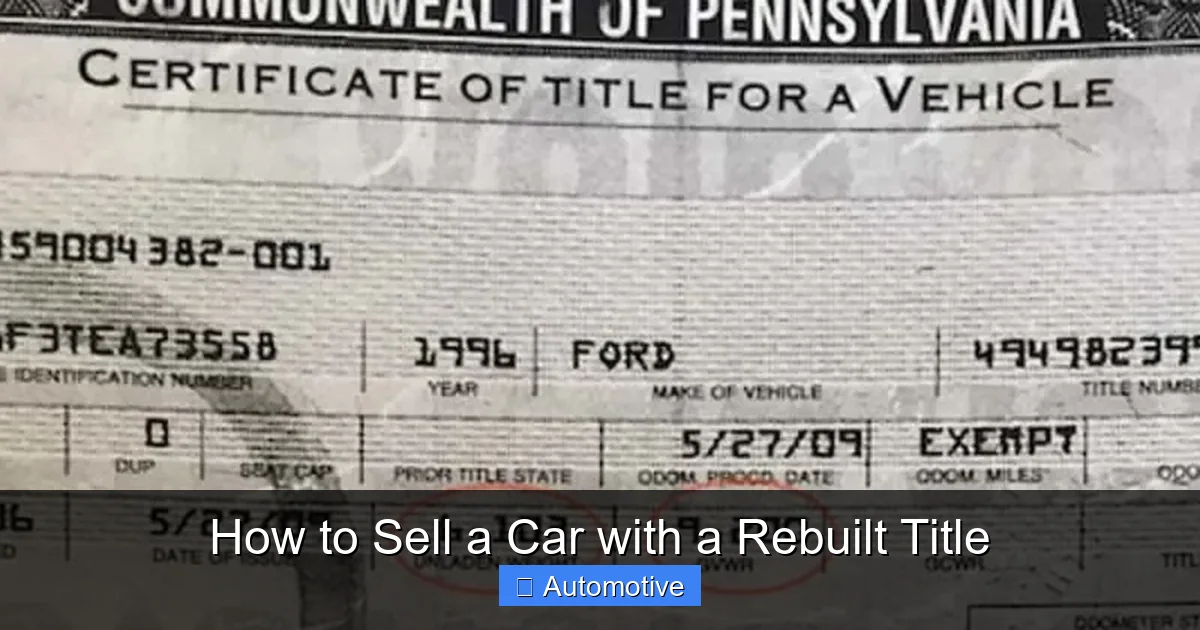
- Rebuilt title certificate: The official document showing the car’s current title status.
- Salvage title history: Proof of the original total loss declaration.
- Repair invoices and receipts: Detailed records of all parts and labor used in the rebuild.
- State inspection reports: Certificates showing the car passed safety and emissions tests.
- Photos of the damage and repairs: Before-and-after images can help buyers visualize the extent of the work done.
- Maintenance records: Regular oil changes, tire rotations, and other upkeep show the car has been cared for since the rebuild.
Having this paperwork ready makes the sale process smoother and reassures buyers that you’re not hiding anything. It also helps justify your asking price.
Clean and Detail the Vehicle
First impressions matter. A clean, well-presented car—even with a rebuilt title—can attract more interest. Wash the exterior, wax it if possible, and clean the interior thoroughly. Remove any personal items, vacuum the carpets, and wipe down surfaces. If there are odors, use an odor eliminator rather than masking sprays.
Consider investing in professional detailing. A detailed car looks cared for and suggests that the owner took pride in maintaining it. This can subtly influence buyers to view the rebuilt title as less of a red flag.
Address Minor Cosmetic Issues
While you don’t need to restore the car to showroom condition, fixing small cosmetic flaws can make a big difference. Touch up scratches, replace cracked trim, and repair minor dents if possible. These small improvements show attention to detail and can increase perceived value.
For example, if the dashboard has a crack or a headliner is sagging, fixing those issues can make the interior look newer and more inviting. Buyers are more likely to overlook a rebuilt title if the car looks and feels well-maintained.
Pricing Your Rebuilt-Title Car Fairly
Pricing is one of the most critical aspects of selling a car with a rebuilt title. Set the price too high, and you’ll scare off buyers. Set it too low, and you’ll lose money unnecessarily. The goal is to find a fair, competitive price that reflects the car’s condition, history, and market demand.
Visual guide about How to Sell a Car with a Rebuilt Title
Image source: junkyardsnearme.net
Research Comparable Listings
Start by researching similar vehicles in your area. Use platforms like Kelley Blue Book (KBB), Edmunds, and local classifieds to find cars with similar make, model, year, mileage, and condition—both clean-title and rebuilt-title examples.
You’ll quickly notice that rebuilt-title cars sell for significantly less. On average, expect to price your car 20% to 40% below the value of a clean-title equivalent. For example, if a clean 2018 Honda Civic EX with 60,000 miles sells for $16,000, a rebuilt-title version in similar condition might fetch $10,000 to $12,800.
Factors that can influence pricing include:
- The severity of the original damage (minor vs. major)
- The quality of repairs
- The car’s current mechanical condition
- Local market demand
- Whether the car has passed recent inspections
Adjust for Condition and Upgrades
If your car has been exceptionally well-maintained or includes valuable upgrades (like new tires, a premium sound system, or recent brake work), you can justify pricing slightly higher within the rebuilt-title range. However, don’t overvalue these additions—buyers will still factor in the title status.
Conversely, if the car has high mileage, minor mechanical issues, or cosmetic flaws, you may need to price it at the lower end of the spectrum. Be realistic about what buyers are willing to pay.
Consider Offering a Warranty or Guarantee
To sweeten the deal, consider offering a short warranty or “money-back guarantee” for a limited time (e.g., 7 days or 500 miles). This reduces buyer risk and shows confidence in the car’s condition. While not common for private sales, it can be a powerful selling tool—especially for rebuilt-title vehicles.
For example, you might say: “I’m so confident in this car’s reliability that I’ll refund your purchase price within 7 days if you’re not satisfied.” This kind of offer can tip the scales in your favor when competing with other listings.
Where and How to Sell Your Rebuilt-Title Car
Choosing the right platform and marketing strategy can make or break your sale. Rebuilt-title cars don’t appeal to everyone, so you need to target the right audience and present your vehicle in the best possible light.

Visual guide about How to Sell a Car with a Rebuilt Title
Image source: loanscanada.ca
Best Platforms for Selling Rebuilt-Title Cars
Not all car-selling platforms are created equal when it comes to rebuilt titles. Some cater specifically to buyers looking for affordable, project, or salvage vehicles. Consider these options:
- Facebook Marketplace: Great for local sales. You can share photos, videos, and detailed descriptions. Join local car groups to reach enthusiasts.
- Craigslist: Still popular for private sales. Be cautious of scams and meet in safe, public places.
- OfferUp or Letgo: Mobile-friendly apps with built-in messaging and local pickup options.
- eBay Motors: Attracts serious buyers, including those searching for rebuilt or salvage vehicles. You can set a reserve price or auction format.
- Salvage-specific sites: Websites like Copart, IAAI, or CarGurus’ “Salvage” section cater to buyers expecting rebuilt titles.
Avoid platforms that primarily attract buyers looking for clean-title cars, such as Autotrader or Cars.com, unless you clearly disclose the title status upfront.
Write a Compelling Listing
Your listing is your first chance to make a good impression. Be honest, detailed, and professional. Start with a strong headline that includes key details:
“2017 Toyota Camry LE – Rebuilt Title – 78K Miles – Fully Inspected & Road Ready”
In the description, include:
- Year, make, model, trim, and mileage
- Clear statement about the rebuilt title and reason for it (e.g., “Declared total loss after rear-end collision, fully repaired and inspected”)
- Summary of repairs and inspection results
- Current condition (mechanical, cosmetic, interior)
- Recent maintenance or upgrades
- Reason for selling
- Contact information and availability for test drives
Use high-quality photos from multiple angles—exterior, interior, engine bay, trunk, and undercarriage if possible. Show any remaining damage or wear honestly. Buyers appreciate transparency.
Be Prepared for Questions
Expect buyers to ask detailed questions about the car’s history. Be ready to explain:
- What caused the total loss
- Who performed the repairs
- Whether airbags were deployed and replaced
- If the car has been in any accidents since the rebuild
- How it drives compared to before the damage
Answer honestly and provide documentation when possible. If you don’t know something, say so—don’t guess. It’s better to admit uncertainty than to give incorrect information.
Handling the Sale: Negotiation, Test Drives, and Closing
Once you have interested buyers, the real work begins. This phase involves negotiation, test drives, and finalizing the sale legally and safely.
Negotiating the Price
Buyers will likely try to negotiate, especially with a rebuilt title. Be prepared to justify your price with documentation and condition. If they offer significantly less, explain why your asking price is fair—cite comparable listings, repair costs, and inspection results.
However, be flexible. If the car has been listed for weeks with little interest, consider lowering the price slightly to attract more buyers. Sometimes a small price drop can spark a bidding war.
Conducting Safe Test Drives
Always accompany buyers on test drives. Meet in a public place, verify their driver’s license, and consider bringing a friend for safety. During the drive, point out key features and answer questions about performance.
Encourage buyers to test all systems: brakes, acceleration, steering, lights, AC, and infotainment. A smooth test drive can ease concerns about the rebuilt title.
Completing the Sale Legally
Once you agree on a price, complete the sale properly to avoid future liability. Follow these steps:
- Sign the title: Fill out the buyer and seller sections. Some states require notarization.
- Create a bill of sale: Include vehicle details, sale price, date, and both parties’ information. Templates are available online.
- Provide a release of liability: File this with your state’s DMV to protect yourself from tickets or accidents after the sale.
- Remove license plates: In most states, you keep the plates. Give the buyer a temporary tag if required.
- Accept payment securely: Use cash, cashier’s check, or a verified payment app. Avoid personal checks.
Keep copies of all documents for your records. This protects you in case of disputes or DMV inquiries.
Final Tips for a Successful Sale
Selling a car with a rebuilt title takes extra effort, but it’s entirely possible to find a buyer who values transparency and affordability. Remember: honesty, preparation, and fair pricing are your greatest assets.
Don’t rush the process. Take time to gather documents, clean the car, and write a strong listing. The right buyer is out there—someone who understands that a rebuilt title doesn’t equal a bad car. With the right approach, you can sell your vehicle confidently and move on to your next ride.
Frequently Asked Questions
Can I sell a car with a rebuilt title?
Yes, you can legally sell a car with a rebuilt title in most states. However, you must disclose the title status to buyers and ensure the vehicle is properly registered and inspected.
Will a rebuilt title affect the car’s value?
Yes, rebuilt-title cars typically sell for 20% to 40% less than clean-title equivalents due to their damage history and potential buyer concerns.
Can buyers finance a rebuilt-title car?
Some lenders refuse to finance rebuilt-title vehicles, especially for major banks. Buyers may need to use cash, credit unions, or private financing options.
Do I need to disclose the rebuilt title when selling?
Yes, full disclosure is legally required in most states. Failing to disclose can result in lawsuits, fines, or the sale being voided.
Can a rebuilt-title car pass inspection?
Yes, rebuilt-title cars must pass a state inspection to be road legal. Once inspected, they can be registered and driven like any other vehicle.
Is it safe to buy a car with a rebuilt title?
It can be safe if the car was professionally repaired and passed inspection. Always review repair records and get a pre-purchase inspection before buying.
