
Sell My Car Minnesota

Selling your car in Minnesota doesn’t have to be stressful or confusing. Whether you’re upgrading, downsizing, or just ready for a change, this guide walks you through every step—from pricing to paperwork—so you can sell my car Minnesota quickly and safely.
Key Takeaways
- Know your car’s value: Use tools like Kelley Blue Book or Edmunds to get an accurate estimate based on your vehicle’s make, model, year, mileage, and condition.
- Clean and detail your car: A spotless interior and exterior can increase buyer interest and help you command a higher price.
- Choose the right selling method: Decide between private sale, trade-in, or selling to a dealer or online buyer based on speed, convenience, and profit.
- Gather all necessary documents: Title, registration, maintenance records, and a bill of sale are essential for a smooth transaction in Minnesota.
- Be cautious with test drives and payments: Always meet in public, verify payment before handing over keys, and never release your car until funds are secure.
- Understand Minnesota-specific rules: The state requires emissions testing in certain counties and has specific title transfer procedures you must follow.
- Advertise effectively: Use high-quality photos, honest descriptions, and popular platforms like Craigslist, Facebook Marketplace, or Autotrader to reach more buyers.
📑 Table of Contents
- Why Now Is the Perfect Time to Sell My Car Minnesota
- Step 1: Determine Your Car’s True Market Value
- Step 2: Prepare Your Car for Sale
- Step 3: Choose the Best Way to Sell My Car Minnesota
- Step 4: Create a Winning Listing
- Step 5: Handle Inquiries and Test Drives Safely
- Step 6: Complete the Paperwork Correctly
- Minnesota-Specific Tips and Regulations
- Final Thoughts: Sell My Car Minnesota with Confidence
Why Now Is the Perfect Time to Sell My Car Minnesota
If you’ve been thinking about selling your car, now might just be the best time to do it—especially in Minnesota. The automotive market has shifted in recent years, with used car values remaining strong due to ongoing supply chain challenges and high demand for reliable pre-owned vehicles. Whether you’re driving a compact sedan in Minneapolis, an SUV in Rochester, or a pickup truck up north in Duluth, there’s likely a buyer out there ready to pay a fair price.
But selling a car isn’t just about posting a photo online and waiting for calls. It’s a process that requires preparation, research, and a bit of strategy. From understanding your car’s worth to navigating Minnesota’s specific regulations, there are several steps you’ll want to follow to ensure a smooth, safe, and profitable sale. The good news? You don’t have to go it alone. With the right approach, selling your car in Minnesota can be straightforward—and even rewarding.
Step 1: Determine Your Car’s True Market Value
Visual guide about Sell My Car Minnesota
Image source: wheelsforwishes.org
Before you list your vehicle, you need to know what it’s actually worth. Pricing too high can scare off buyers; pricing too low means leaving money on the table. So how do you find that sweet spot?
Use Trusted Valuation Tools
Start by checking your car’s value on reputable websites like Kelley Blue Book (KBB), Edmunds, or NADA Guides. These platforms allow you to input your vehicle’s details—make, model, year, trim level, mileage, and condition—to generate a fair market range. For example, a 2018 Honda CR-V with 60,000 miles in good condition might be valued between $18,000 and $20,000 in the Twin Cities area.
Keep in mind that these tools provide estimates based on national averages. Local demand, seasonal trends (like higher SUV sales in winter), and regional preferences can influence your car’s value in Minnesota. A well-maintained Ford F-150 might fetch a premium in rural areas where trucks are essential, while a fuel-efficient hybrid could be more appealing in urban centers like St. Paul.
Compare Similar Listings
Next, browse local listings on platforms like Craigslist, Facebook Marketplace, Autotrader, or Cars.com. Look for vehicles similar to yours—same make, model, year, and mileage—and note their asking prices. This gives you a real-world snapshot of what buyers are willing to pay in your area.
For instance, if you see three 2019 Toyota Camrys with around 50,000 miles listed between $17,500 and $19,000, you’ll know your comparable vehicle should be priced within that range. Adjust slightly based on condition: if your car has new tires, a clean interior, and recent service records, you might justify pricing at the higher end.
Factor in Condition and Extras
Be honest about your car’s condition. Is the paint faded? Are there dents or scratches? Does the AC work perfectly? These details matter. A car in “excellent” condition can command 10–15% more than one in “fair” condition.
Also, consider any upgrades or extras that add value—like a premium sound system, all-weather floor mats, or a tow hitch. While these won’t dramatically increase your price, they can make your listing more attractive and justify a slightly higher asking price.
Step 2: Prepare Your Car for Sale
Visual guide about Sell My Car Minnesota
Image source: wheelzy.com
First impressions matter—especially when selling a car. A clean, well-maintained vehicle not only looks better in photos but also signals to buyers that it’s been cared for. Think of this step as your car’s “spa day” before going on the market.
Deep Clean Inside and Out
Start with a thorough wash and wax. Remove bugs, tar, and road grime from the exterior. Don’t forget the wheels and tires—clean them with a dedicated cleaner to make them shine. If your car has alloy wheels, a little polish can make a big difference.
Inside, vacuum every crevice—under seats, in cup holders, and along door panels. Wipe down surfaces with a microfiber cloth and mild cleaner. Remove any personal items, trash, or clutter. Consider using an odor eliminator if there are lingering smells from pets, smoke, or food.
For a professional touch, hire a detailing service. For around $100–$150, they’ll shampoo carpets, clean upholstery, restore headlights, and apply a protective coating to the paint. This small investment can significantly boost your car’s appeal and resale value.
Address Minor Repairs
You don’t need to overhaul your car, but fixing small issues can pay off. Replace burnt-out bulbs, fix cracked windshields (if under $100), and top off fluids. If your tires are worn, consider replacing them—especially important in Minnesota’s snowy winters.
Even simple fixes like tightening loose door handles or replacing a missing gas cap show buyers you’ve maintained the vehicle. These details build trust and can help you avoid lowball offers.
Gather Maintenance Records
Buyers love transparency. Collect all service records, receipts, and warranty information. If you’ve kept up with oil changes, brake inspections, or transmission service, share that history. It proves your car has been well cared for and can justify a higher price.
Store these documents in a folder or upload them to a cloud drive and share the link in your listing. This small gesture can set you apart from other sellers and attract serious buyers.
Step 3: Choose the Best Way to Sell My Car Minnesota
Once your car is ready, it’s time to decide how to sell it. Each method has pros and cons, so choose the one that best fits your goals—whether that’s maximizing profit, saving time, or ensuring safety.
Private Sale: Highest Profit, More Effort
Selling directly to a private buyer typically yields the highest return. You avoid dealer markups and can negotiate directly with the buyer. Platforms like Facebook Marketplace, Craigslist, and OfferUp are popular in Minnesota for private sales.
However, private sales require more work. You’ll need to create a listing, respond to inquiries, schedule test drives, and handle paperwork. There’s also a higher risk of scams or unsafe meetings, so always prioritize safety.
Trade-In: Convenient but Lower Offer
Trading in your car at a dealership is the easiest option. You can apply the value toward a new vehicle, and the dealer handles the title transfer. Many Minnesota dealerships even offer online trade-in tools where you can get an instant estimate.
The downside? Trade-in values are usually 10–20% lower than private sale prices. Dealers need to resell your car for a profit, so they’ll offer less. Still, if you’re buying a new car and value convenience, this can be a smart choice.
Sell to a Dealer or Online Buyer
Companies like CarMax, Carvana, Vroom, and local Minnesota dealers often buy cars directly. They provide quick quotes online and can complete the sale in minutes. Some even offer free towing.
These services are fast and secure, but like trade-ins, they may not offer top dollar. However, they’re ideal if you need to sell quickly—say, before moving out of state or switching jobs.
Consignment: Let Someone Else Sell It
Some Minnesota auto shops or specialty dealers offer consignment services. They list and sell your car for a fee (usually 10–15% of the sale price). This saves you time but reduces your profit.
Consignment works well for unique or high-end vehicles that may take longer to sell privately. Just make sure to read the contract carefully and understand the fees.
Step 4: Create a Winning Listing
Your listing is your car’s first impression. A great one can generate dozens of inquiries; a weak one might be ignored. Follow these tips to create a listing that stands out.
Write a Clear, Honest Title
Your title should include key details: year, make, model, and mileage. For example: “2017 Subaru Outback – 78,000 Miles – Excellent Condition – Twin Cities.” Avoid vague terms like “nice car” or “runs great.”
Use High-Quality Photos
Take photos in natural daylight, preferably outdoors. Shoot from multiple angles: front, back, sides, interior, dashboard, and trunk. Highlight clean areas and any features that add value.
Avoid cluttered backgrounds or shadows. If possible, stage your car in a clean garage or quiet street. A well-lit, uncluttered photo builds trust and shows you care.
Craft a Detailed Description
Be thorough but concise. Include:
– Mileage and condition
– Recent repairs or maintenance
– Features (AWD, backup camera, heated seats, etc.)
– Reason for selling
– Any known issues (be honest—this builds credibility)
For example: “Selling my 2016 Toyota RAV4 due to upgrade. 85,000 miles, all-wheel drive, excellent for Minnesota winters. Just had brakes and tires replaced. Clean title, no accidents. Non-smoker, pet-free home.”
Set a Competitive Price
Price your car within the range you researched. Consider pricing slightly above your target to leave room for negotiation. For instance, if your car is worth $18,500, list it at $18,900.
Avoid overpricing. Buyers often filter searches by price, and an inflated listing may be skipped entirely.
Choose the Right Platform
Use multiple platforms to maximize visibility:
– Facebook Marketplace: Great for local buyers, easy to use
– Craigslist: Still popular in Minnesota, especially in smaller towns
– Autotrader or Cars.com: Ideal for serious buyers
– OfferUp: Mobile-friendly with in-app messaging
Cross-posting increases your chances of finding the right buyer quickly.
Step 5: Handle Inquiries and Test Drives Safely
Once your listing goes live, inquiries will start rolling in. Here’s how to manage them safely and effectively.
Respond Promptly and Professionally
Reply to messages within 24 hours. Be polite and provide clear answers. Avoid sharing personal information like your home address or phone number too early.
Use a dedicated email or phone number for car inquiries to keep things organized.
Screen Buyers
Ask questions to gauge seriousness: “Are you looking to buy this week?” or “Do you have financing ready?” Serious buyers will respond with details.
Be wary of red flags: requests to wire money, buyers who refuse to meet in person, or offers significantly above your asking price (a common scam tactic).
Schedule Safe Test Drives
Always meet in a public, well-lit location—like a mall parking lot or police station. Bring a friend or family member with you.
Ask for the buyer’s driver’s license and verify it matches their name. Consider taking a photo of it for your records.
Never let a buyer drive alone. Ride along to ensure safety and answer questions. If you’re uncomfortable, don’t proceed.
Accept Secure Payment
Once a buyer is ready to purchase, ensure payment is secure before handing over the keys. Accept cash, cashier’s check, or bank transfer. Avoid personal checks—they can bounce.
If using a cashier’s check, verify it at the bank before completing the sale. Never release the car until funds are confirmed.
Step 6: Complete the Paperwork Correctly
In Minnesota, selling a car involves specific legal steps. Skipping any can lead to fines or liability issues.
Transfer the Title
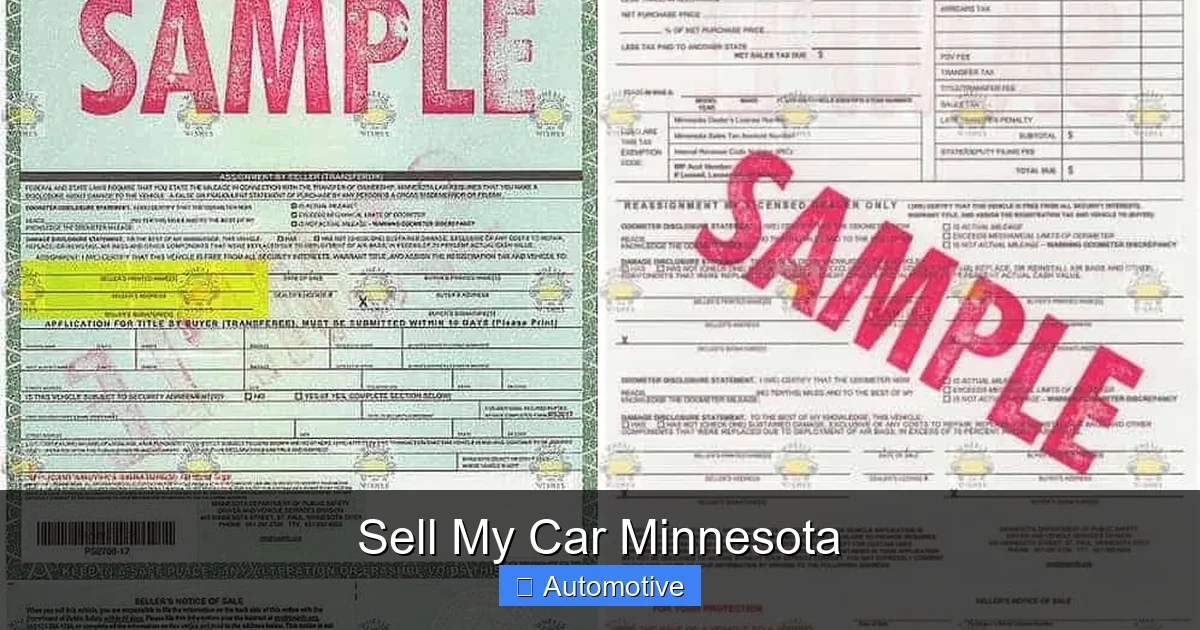
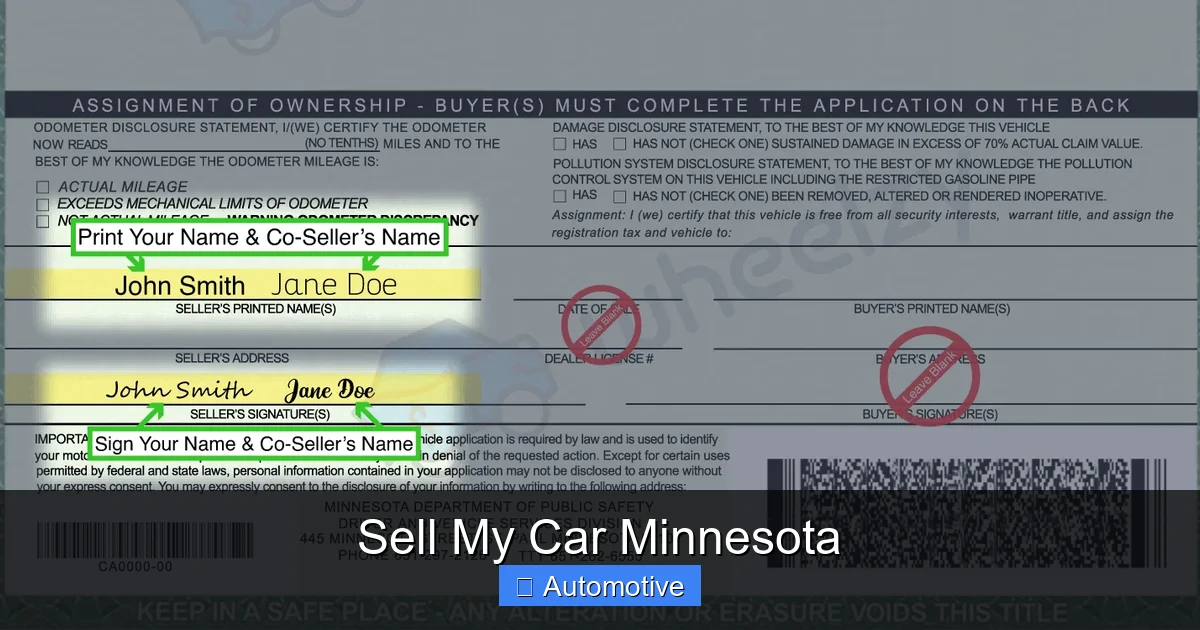
You must sign over the title to the buyer. Both parties should complete the “Assignment of Title” section. Include the sale price, date, and odometer reading.
If your title is lost, apply for a duplicate at your local Minnesota DVS office.
Provide a Bill of Sale
While not always required, a bill of sale protects both parties. Include:
– Vehicle details (VIN, make, model, year)
– Sale price
– Date of sale
– Names and addresses of buyer and seller
You can find free templates online or use the Minnesota DVS form.
Notify the DVS
Within 10 days of the sale, notify the Minnesota Department of Public Safety (DPS) using the “Notice of Sale” form. This releases you from liability if the buyer gets a ticket or causes an accident.
Remove License Plates
In Minnesota, license plates stay with the seller—not the car. Remove them before handing over the vehicle. You can transfer them to a new car or return them to the DVS.
Cancel Insurance
Once the sale is complete, contact your insurance company to cancel or adjust your policy. Don’t cancel too early—wait until the buyer has insured the car.
Minnesota-Specific Tips and Regulations
Selling a car in Minnesota comes with unique considerations, especially regarding emissions and weather.
Emissions Testing in the Twin Cities
If your car is registered in Anoka, Carver, Dakota, Hennepin, Ramsey, Scott, or Washington County, it must pass an emissions test every two years. If your car is due for testing, complete it before selling.
A failed test can deter buyers, so address any issues beforehand. The test costs around $15 and can be done at certified stations.
Winter-Ready Vehicles Sell Faster
In Minnesota, cars with all-wheel drive, heated seats, and good ground clearance are in high demand. Highlight these features in your listing.
If your car has snow tires or a block heater, mention it—these are valuable in cold climates.
Avoid Scams Common in Minnesota
Be cautious of buyers who:
– Offer to pay with a cashier’s check and ask for a refund
– Want to ship the car out of state without seeing it
– Pressure you to act quickly
Always verify payment and meet in person. When in doubt, walk away.
Final Thoughts: Sell My Car Minnesota with Confidence
Selling your car in Minnesota doesn’t have to be a headache. With the right preparation, pricing, and safety measures, you can turn your vehicle into cash quickly and securely. Whether you choose a private sale, trade-in, or online buyer, the key is to stay informed and proactive.
Remember: a clean car, honest listing, and secure transaction go a long way. Take the time to research, prepare, and protect yourself—and you’ll be driving away (or upgrading) with confidence.
So if you’ve been thinking, “I need to sell my car Minnesota,” now’s the time. The market is strong, buyers are ready, and with this guide, you’re fully equipped to make it happen.
Frequently Asked Questions
How long does it take to sell a car in Minnesota?
It typically takes 1–4 weeks to sell a car in Minnesota, depending on demand, price, and how well your listing performs. Well-priced, clean cars in popular models often sell within days.
Do I need a smog test to sell my car in Minnesota?
Only if your vehicle is registered in the seven-county Twin Cities area and is due for an emissions test. Check your registration or the Minnesota DPS website to confirm.
Can I sell my car without a title in Minnesota?
No, you must have a valid title to sell your car. If yours is lost, apply for a duplicate at your local DVS office before listing the vehicle.
What’s the best way to get the most money for my car in Minnesota?
Selling privately usually yields the highest return. Price competitively, clean the car thoroughly, and advertise on multiple platforms to attract serious buyers.
Is it safe to sell my car online in Minnesota?
Yes, if you take precautions. Meet in public, verify payment, and avoid sharing personal info. Use trusted platforms and trust your instincts.
What happens if the buyer doesn’t register the car in Minnesota?
You’re still liable until you file a “Notice of Sale” with the DPS. Submit it within 10 days to protect yourself from fines or accidents.
