
What Does Barrett Jackson Charge to Sell a Car

Barrett-Jackson charges sellers a commission-based fee, typically 10% of the final sale price, plus additional costs like entry fees, marketing, and storage. Understanding these fees helps you budget and maximize your profit when selling a classic, exotic, or collector car.
Key Takeaways
- Commission Fees: Barrett-Jackson takes a standard 10% seller’s commission from the final hammer price, which is deducted before payment is issued.
- Entry and Listing Fees: Sellers pay an upfront consignment fee to list a vehicle, which varies by event and vehicle value, typically ranging from $1,000 to $5,000.
- Marketing and Promotion: Additional charges may apply for premium placement, photography, video production, and featured advertising in auction catalogs.
- Storage and Logistics: Costs for transporting, storing, and preparing the vehicle at the auction site are often the seller’s responsibility unless otherwise negotiated.
- No-Sale Fees: If a car doesn’t sell, sellers may still owe a no-sale fee, usually 2–3% of the reserve price, depending on the consignment agreement.
- Reserve vs. No-Reserve Auctions: Choosing a no-reserve auction may reduce fees but increases the risk of selling below market value.
- Negotiation and Discounts: High-value or multiple-vehicle consignments may qualify for reduced commission rates or waived entry fees.
📑 Table of Contents
- Understanding Barrett-Jackson: The World’s Premier Collector Car Auction House
- How Barrett-Jackson’s Consignment Model Works
- Commission Fees: The Core Cost of Selling
- Entry and Listing Fees: The Upfront Investment
- Marketing and Promotion: Boosting Visibility at a Cost
- Storage, Transport, and Preparation Costs
- Reserve vs. No-Reserve Auctions: Fee Implications
- Tips to Minimize Costs and Maximize Profit
- Conclusion: Is Barrett-Jackson Worth the Cost?
Understanding Barrett-Jackson: The World’s Premier Collector Car Auction House
When it comes to selling a classic, muscle, or exotic car, few names carry as much prestige as Barrett-Jackson. Known for its high-energy auctions, celebrity appearances, and record-breaking sales, Barrett-Jackson has become the go-to destination for collectors and enthusiasts looking to buy or sell rare and valuable vehicles. Whether it’s a 1967 Shelby GT500, a 1957 Chevrolet Bel Air, or a modern hypercar like a McLaren P1, Barrett-Jackson’s auctions draw global attention and serious buyers with deep pockets.
But behind the glitz and glamour lies a structured business model—one that charges sellers a variety of fees to list and sell their vehicles. If you’re considering consigning your prized automobile to Barrett-Jackson, it’s essential to understand exactly what you’re paying for and how those costs impact your bottom line. Unlike private sales or local dealerships, auction houses like Barrett-Jackson offer exposure, expertise, and a competitive bidding environment—but that convenience and reach come at a price.
In this comprehensive guide, we’ll break down every fee, charge, and cost associated with selling a car through Barrett-Jackson. From commission structures to hidden expenses, we’ll help you navigate the consignment process with confidence. Whether you’re selling a $50,000 classic or a million-dollar supercar, knowing what Barrett-Jackson charges to sell a car will help you make informed decisions and maximize your return.
How Barrett-Jackson’s Consignment Model Works
Visual guide about What Does Barrett Jackson Charge to Sell a Car
Image source: ebaymotorsblog.com
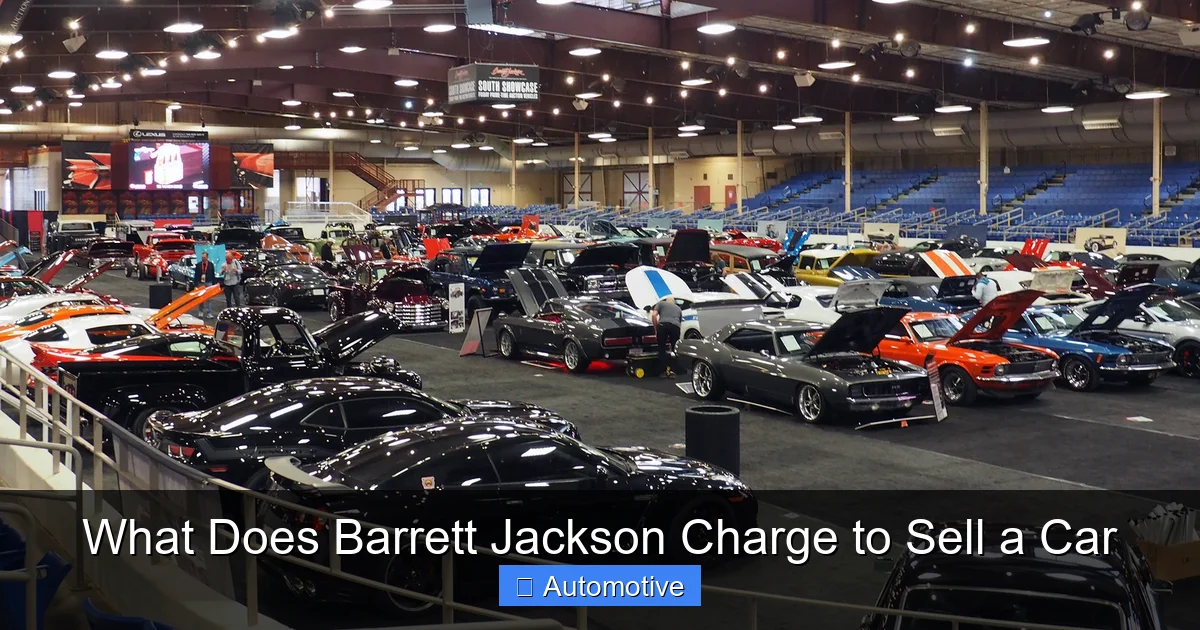
Before diving into the fees, it’s important to understand how Barrett-Jackson operates. Unlike a traditional dealership that buys your car outright, Barrett-Jackson acts as a consignment auction house. This means you, the seller, retain ownership of the vehicle until it sells at auction. The company facilitates the sale by marketing your car, hosting it at one of their high-profile events, and managing the bidding process.
The consignment process begins when you submit an application to list your vehicle. Barrett-Jackson reviews the car’s history, condition, and market value to determine if it fits their auction lineup. Once accepted, you sign a consignment agreement that outlines the terms, including fees, reserve price (if any), and the auction event where your car will appear.
One of the biggest advantages of selling through Barrett-Jackson is the exposure. Their auctions are broadcast on major networks like NBC, CNBC, and MotorTrend, reaching millions of viewers. They also attract serious collectors, investors, and dealers who are willing to pay top dollar for rare and well-documented vehicles. This competitive environment often drives up final sale prices, which can offset the fees you pay.
However, this level of service doesn’t come cheap. Barrett-Jackson charges a combination of upfront fees, commissions, and optional add-ons. The total cost depends on several factors, including the vehicle’s value, the auction location, and the level of marketing support you choose. Let’s explore each of these costs in detail.
Commission Fees: The Core Cost of Selling
Visual guide about What Does Barrett Jackson Charge to Sell a Car
Image source: luxuryimportspecialists.com
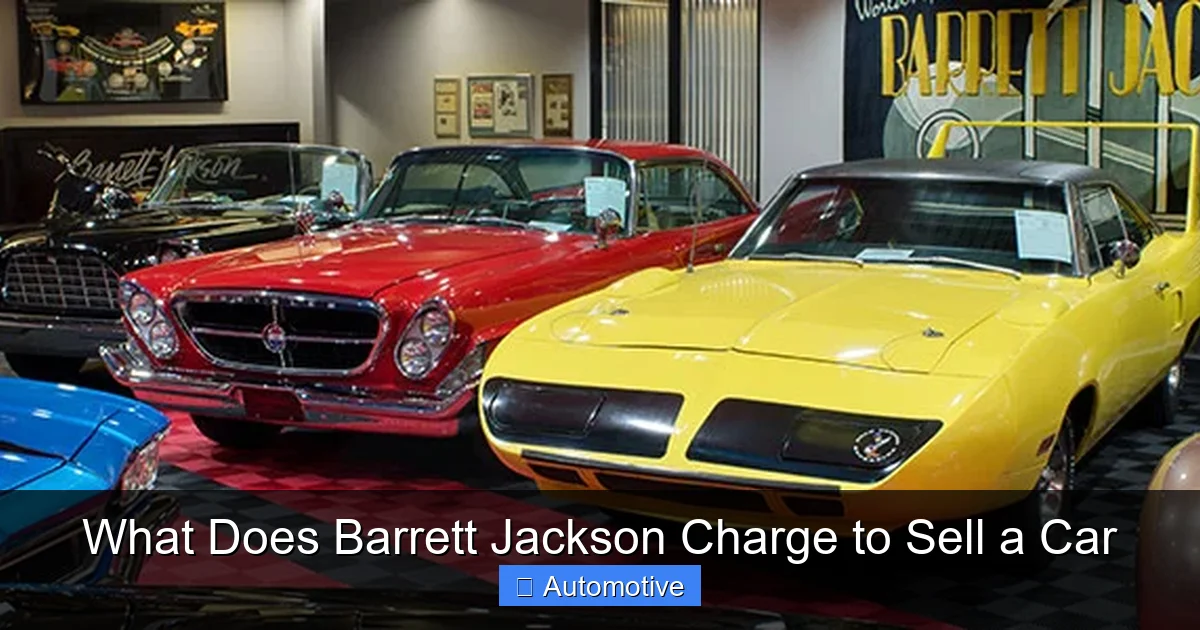
The most significant expense when selling a car through Barrett-Jackson is the seller’s commission. This is a percentage of the final sale price—commonly referred to as the “hammer price”—and is deducted before you receive your payment.
Standard Commission Rate
Barrett-Jackson’s standard seller’s commission is 10% of the hammer price. For example, if your 1969 Ford Mustang Mach 1 sells for $100,000, you’ll pay $10,000 in commission. This fee covers the auction house’s role in facilitating the sale, including bidder management, auctioneer services, and transaction processing.
It’s important to note that the commission is calculated on the final bid amount, not including buyer’s premiums or taxes. The buyer typically pays an additional 10% buyer’s premium (sometimes more for high-value cars), which goes directly to Barrett-Jackson and is not shared with the seller.
Commission Caps and Discounts
While 10% is the standard rate, Barrett-Jackson may offer reduced commissions for high-value vehicles or bulk consignments. For cars selling above $1 million, the commission might be negotiated down to 8% or even 5%, depending on the relationship and volume of vehicles being sold. Similarly, if you’re consigning multiple cars—say, a collection of five classic Corvettes—you may qualify for a discounted rate across the board.
These discounts are not automatic and usually require direct negotiation with a Barrett-Jackson consignment specialist. It’s worth reaching out early in the process to discuss your options, especially if you’re selling a high-end or rare vehicle.
Impact on Net Proceeds
Understanding the commission structure is crucial for calculating your net proceeds. Let’s say you’re selling a 1970 Plymouth Hemi ‘Cuda with a market value of $300,000. If it sells for $280,000 (a common scenario if bidding falls short of expectations), your commission would be $28,000. That leaves you with $252,000 before any other fees.
Keep in mind that the final sale price isn’t guaranteed. While Barrett-Jackson’s auctions often exceed reserve prices, there’s always a risk of selling below your target—especially in a no-reserve auction. This is why many sellers set a reserve price, which is the minimum amount they’re willing to accept. However, reserve auctions may come with higher fees or reduced marketing support, as they’re considered less attractive to bidders.
Entry and Listing Fees: The Upfront Investment
Visual guide about What Does Barrett Jackson Charge to Sell a Car
Image source: i.imgur.com
In addition to the commission, Barrett-Jackson charges an upfront consignment or entry fee to list your vehicle. This fee covers the cost of processing your application, inspecting the car, and including it in the auction catalog.
How Much Are Entry Fees?
Entry fees vary depending on the auction event and the estimated value of the vehicle. For most standard consignments, the fee ranges from $1,000 to $3,000. High-value vehicles—those expected to sell for $500,000 or more—may incur entry fees of $5,000 or more.
For example, at the flagship Barrett-Jackson Scottsdale auction, a classic muscle car might cost $1,500 to enter, while a rare Ferrari 250 GTO could cost $5,000 or more. These fees are typically due when you sign the consignment agreement and are non-refundable, even if the car doesn’t sell.
What’s Included in the Entry Fee?
The entry fee generally includes:
– Vehicle inspection and appraisal
– Inclusion in the printed and digital auction catalog
– Basic photography and description
– Listing on Barrett-Jackson’s website
– Access to the auction event for the seller
However, premium services like professional video production, featured catalog placement, or enhanced online promotion are usually extra. These add-ons can significantly increase your total cost but may also boost your car’s visibility and final sale price.
Negotiating Entry Fees
Like commission rates, entry fees can sometimes be negotiated—especially for high-value or unique vehicles. If your car has historical significance, celebrity provenance, or exceptional condition, Barrett-Jackson may waive or reduce the entry fee as an incentive to consign.
Additionally, some sellers bundle multiple vehicles into a single consignment package, which can lead to discounted entry fees across the board. For example, consigning three cars might reduce the per-vehicle entry cost from $2,000 to $1,200 each.
Marketing and Promotion: Boosting Visibility at a Cost
One of Barrett-Jackson’s biggest selling points is its marketing power. Their auctions are heavily promoted through television, social media, email campaigns, and partnerships with automotive influencers. However, while basic marketing is included in the entry fee, premium promotional services come at an additional cost.
Premium Placement and Featured Listings
If you want your car to stand out, you can pay for premium placement in the auction catalog or on the Barrett-Jackson website. This might include:
– A full-page color ad in the printed catalog
– A featured spot on the homepage
– Inclusion in pre-auction email blasts
– Priority positioning during the live auction
These services can cost anywhere from $500 to $5,000, depending on the level of exposure. For example, a featured listing for a rare 1963 Corvette Sting Ray might cost $2,000, while a full-page ad for a $1 million hypercar could run $4,500.
Professional Photography and Video
High-quality visuals are essential for attracting bidders. Barrett-Jackson offers professional photography and video production services, but these are not included in the standard entry fee. A basic photo package might cost $300–$500, while a cinematic video with drone footage and engine sound recording can exceed $2,000.
These assets are used across all marketing channels, including the auction catalog, website, and social media. For high-value cars, investing in professional media can significantly increase bidder interest and final sale price.
Social Media and Influencer Promotion
Barrett-Jackson also partners with automotive influencers and celebrities to promote select vehicles. If your car is chosen for such a campaign, you may be asked to contribute to the promotion cost—or the fee may be waived as part of a special arrangement.
While these opportunities are not guaranteed, they can dramatically increase visibility. For example, a classic car featured in a YouTube video by a popular car reviewer might see a 20–30% increase in online views and bidding activity.
Storage, Transport, and Preparation Costs
Beyond fees and commissions, sellers are often responsible for the logistical costs of getting their car to and from the auction site. These expenses can add up quickly, especially for long-distance transport or high-end vehicles.
Transportation Fees
Moving a classic or exotic car requires specialized transport. Barrett-Jackson does not provide free shipping, so you’ll need to arrange and pay for enclosed transport. Costs vary based on distance, vehicle size, and shipping method.
For example, transporting a 1965 Shelby Cobra from New York to Scottsdale, Arizona, might cost $2,500–$4,000. For international consignments, air freight or ocean shipping can exceed $10,000.
Some sellers choose to drive their cars to the auction, but this is risky for high-value vehicles due to wear, damage, or theft. Enclosed transport is strongly recommended for cars worth more than $50,000.
Storage and On-Site Fees
Once your car arrives at the auction site, it will be stored in a secure facility until the sale. Barrett-Jackson may charge a daily storage fee if the vehicle remains on-site beyond a certain period—typically 30 days. These fees can range from $50 to $150 per day, depending on the location and security level.
Additionally, if your car requires detailing, mechanical work, or minor repairs before the auction, you’ll need to cover those costs. Barrett-Jackson offers on-site services through partner vendors, but prices are often higher than local shops. A full detail might cost $300–$600, while a carburetor tune-up could run $800 or more.
No-Sale Fees: The Cost of Not Selling
One of the most overlooked costs is the no-sale fee. If your car doesn’t meet its reserve price and fails to sell, Barrett-Jackson may charge a fee—typically 2–3% of the reserve price. For example, if your car has a $100,000 reserve and doesn’t sell, you could owe $2,000–$3,000.
This fee covers the administrative and marketing costs incurred during the consignment process. It’s important to read your consignment agreement carefully, as no-sale fees vary by event and vehicle type. Some auctions waive this fee for no-reserve consignments, while others charge it regardless.
To avoid no-sale fees, consider setting a realistic reserve price based on recent market data. Barrett-Jackson’s appraisers can help assess your car’s value, but it’s wise to get a second opinion from an independent expert.
Reserve vs. No-Reserve Auctions: Fee Implications
One of the biggest decisions you’ll make as a seller is whether to consign your car with a reserve price or in a no-reserve auction. This choice not only affects your sale outcome but also influences the fees you pay.
Reserve Auctions
In a reserve auction, you set a minimum price below which the car will not sell. This protects you from selling at a loss but may deter bidders who prefer the excitement of no-reserve sales. Reserve auctions often come with higher entry fees and stricter marketing terms.
For example, a reserve consignment might cost $2,500 to enter, compared to $1,500 for no-reserve. Additionally, Barrett-Jackson may limit promotional support for reserve vehicles, as they’re seen as less attractive to bidders.
No-Reserve Auctions
No-reserve auctions have no minimum price—your car will sell to the highest bidder, no matter what. These events are highly publicized and attract aggressive bidding, often driving prices above market value. However, there’s also a risk of selling for far less than expected.
The benefit? Lower entry fees and enhanced marketing. No-reserve consignments are often featured more prominently in catalogs and online, increasing visibility. Some sellers even receive waived entry fees as an incentive to go no-reserve.
Which Option Is Right for You?
The choice depends on your risk tolerance and the car’s market demand. If you’re selling a rare, high-demand vehicle like a 1955 Mercedes-Benz 300SL Gullwing, a no-reserve auction could result in a record-breaking sale. But if you’re selling a more common classic with sentimental value, a reserve might be safer.
Many sellers use a hybrid approach: starting with a reserve and removing it if bidding is slow. Barrett-Jackson allows reserve removal up to a certain point in the auction process, giving you flexibility.
Tips to Minimize Costs and Maximize Profit
Selling a car through Barrett-Jackson doesn’t have to break the bank. With careful planning and smart decisions, you can reduce fees and increase your net proceeds.
1. Negotiate Your Consignment Agreement
Don’t accept the standard terms without discussion. If your car is valuable or unique, ask for a reduced commission rate or waived entry fee. High-volume sellers should request package discounts.
2. Choose the Right Auction Event
Barrett-Jackson hosts several auctions each year, including Scottsdale, Palm Beach, and Las Vegas. Research which event attracts the most bidders for your type of vehicle. For example, muscle cars perform well in Scottsdale, while exotics may do better in Monterey.
3. Invest in Preparation
A well-maintained, detailed car attracts more bidders and higher bids. Spend $500–$1,000 on professional detailing, paint correction, and minor repairs. This can easily add $5,000–$10,000 to your final sale price.
4. Use Independent Transport
Compare quotes from multiple enclosed transport companies. Avoid auction-affiliated shippers, as they often charge premium rates. Book early to secure lower prices.
5. Monitor Market Trends
Use tools like Hagerty Valuation Tool, Bring a Trailer, and Classic.com to track recent sales of similar vehicles. Set a realistic reserve or go no-reserve based on demand.
6. Consider Timing
Auction results can vary by season. Spring and fall auctions often see stronger bidding due to favorable weather and buyer activity. Avoid summer events in hot climates unless your car is climate-controlled.
Conclusion: Is Barrett-Jackson Worth the Cost?
So, what does Barrett-Jackson charge to sell a car? The answer isn’t simple—it depends on your vehicle, your goals, and how you navigate the consignment process. On average, sellers can expect to pay 10% in commission, $1,000–$5,000 in entry fees, and additional costs for marketing, transport, and storage. If your car doesn’t sell, you may still owe a no-sale fee.
But for many collectors, the benefits outweigh the costs. Barrett-Jackson offers unparalleled exposure, expert appraisal, and a competitive bidding environment that can drive prices to new heights. A well-marketed car at a high-profile auction can sell for 20–50% more than it would through a private sale or local dealer.
The key to success is understanding the fee structure and making informed decisions. Negotiate where possible, invest in preparation, and choose the right auction format for your vehicle. With the right strategy, selling through Barrett-Jackson can be a profitable and rewarding experience.
Whether you’re parting with a lifelong passion project or cashing in on a smart investment, knowing what Barrett-Jackson charges to sell a car empowers you to maximize your return and walk away satisfied.
Frequently Asked Questions
What is the typical commission rate Barrett-Jackson charges sellers?
Barrett-Jackson charges a standard 10% seller’s commission on the final hammer price. This fee is deducted from the sale proceeds before payment is issued to the seller.
Are there fees if my car doesn’t sell at auction?
Yes, if your car doesn’t meet its reserve price, you may be charged a no-sale fee, typically 2–3% of the reserve amount. This covers administrative and marketing costs.
Do I have to pay for transportation to the auction?
Yes, sellers are responsible for arranging and paying for transport to and from the auction site. Enclosed transport is recommended for high-value vehicles.
Can I negotiate the fees with Barrett-Jackson?
Yes, especially for high-value or multiple-vehicle consignments. Commission rates and entry fees may be reduced through direct negotiation with a consignment specialist.
What’s the difference between reserve and no-reserve auctions?
In a reserve auction, the car won’t sell below a set minimum price. No-reserve auctions have no minimum, which can attract more bidders but carries higher risk.
Does Barrett-Jackson offer financing or payment plans for fees?
No, all fees—including entry, commission, and marketing—must be paid upfront or deducted from sale proceeds. Payment plans are not typically offered.
