
Sell Your Car Denver

Selling your car in Denver doesn’t have to be stressful or time-consuming. With the right approach, you can get a fair price quickly—whether you choose private sale, dealership trade-in, or a cash-for-cars service. This guide walks you through every step to help you sell your car Denver-style with confidence and ease.
[FEATURED_IMAGE_PLACEOLDER]
Thinking about selling your car in Denver? You’re not alone. Whether you’re upgrading to a newer model, downsizing, or just ready for a change, the Mile High City offers plenty of options to turn your wheels into cash. But with so many routes to take—private sale, trade-in, instant cash offers—it’s easy to feel overwhelmed. The good news? Selling your car in Denver can be straightforward, profitable, and even stress-free if you know what you’re doing.
Denver’s car market is active and competitive. With a growing population, strong economy, and scenic drives that make vehicle ownership appealing, there’s consistent demand for both new and used cars. That means you’ve got leverage—especially if your vehicle is in good condition. But like any major transaction, success starts with preparation. From understanding your car’s worth to choosing the best selling method, every decision matters. And while it might seem tempting to take the first offer that comes along, a little research and planning can put hundreds—or even thousands—of extra dollars in your pocket.
This guide is designed to walk you through the entire process of how to sell your car Denver-style. We’ll cover everything from pricing strategies and vehicle prep to legal requirements and safety tips. Whether you’re driving a rugged SUV perfect for mountain trips or a compact sedan ideal for city commuting, we’ve got you covered. By the end, you’ll feel confident, informed, and ready to make the smartest choice for your situation.
Key Takeaways
- Know your car’s value: Use tools like Kelley Blue Book or Edmunds to research fair market pricing based on year, mileage, condition, and local demand.
- Choose the right selling method: Private sales offer higher returns but require more effort; cash buyers and dealerships provide speed and convenience.
- Prepare your vehicle: Clean it inside and out, fix minor issues, and gather all paperwork to boost appeal and value.
- Be safe and smart online: When listing privately, meet in public places, avoid scams, and never share personal info too early.
- Understand Colorado title laws: You’ll need a signed title, bill of sale, and odometer disclosure to legally transfer ownership.
- Consider timing: Spring and summer are peak seasons for car sales in Denver due to better weather and buyer activity.
- Get multiple offers: Compare quotes from at least three sources—dealerships, online buyers, and private offers—to maximize profit.
📑 Table of Contents
Why Sell Your Car in Denver?
Denver isn’t just a great place to live—it’s also a smart place to sell a car. The city’s unique blend of urban energy and outdoor lifestyle creates a steady demand for vehicles of all types. From commuters needing reliable sedans to adventurers seeking trucks and SUVs for weekend getaways to the Rockies, there’s always someone looking for a good deal. This demand translates into better offers and faster sales for sellers.
Another advantage? Denver’s strong economy and relatively high median income mean buyers are often willing to pay a premium for well-maintained vehicles. Unlike in some markets where older cars sit unsold for months, Denver’s active used car scene means your vehicle could find a new owner in days—not weeks. Plus, with major highways like I-25 and I-70 connecting the city to surrounding areas, you’re not limited to local buyers. People from Boulder, Aurora, Lakewood, and even Wyoming or Utah often come to Denver to shop for cars.
But perhaps the biggest reason to sell your car in Denver is convenience. The city is home to numerous dealerships, online car-buying services, and private buyer networks—all competing for your business. This competition works in your favor. You can get instant cash offers from companies like CarMax, Vroom, or local “cash for cars” businesses, often with same-day pickup. Or, if you prefer more control over the price, you can list your car on platforms like Craigslist, Facebook Marketplace, or Autotrader and connect directly with buyers.
Market Trends in Denver
Understanding local market trends can give you a serious edge when selling your car in Denver. Right now, SUVs and trucks are in high demand—thanks to Colorado’s love for outdoor recreation. Vehicles with all-wheel drive, good ground clearance, and fuel efficiency are especially hot. Compact cars and hybrids also sell well among city dwellers looking to save on gas and parking.
Seasonality plays a role too. Spring and summer are peak selling seasons in Denver. Warmer weather encourages people to shop for cars, and many buyers want their new ride ready for summer road trips. If you’re flexible on timing, listing your car between April and August could result in a quicker sale and a higher offer. Conversely, winter sales can be slower, but you might face less competition—which could work in your favor if your car is in great shape.
Another trend? Online car buying is booming. More Denverites are skipping the dealership and selling directly through digital platforms. This shift has led to faster transactions and more transparent pricing. Companies like Carvana and Shift now operate in Denver, offering online valuations and home pickup. Even private sellers are using high-quality photos, detailed descriptions, and video walkarounds to attract buyers from across the state.
How to Determine Your Car’s Value
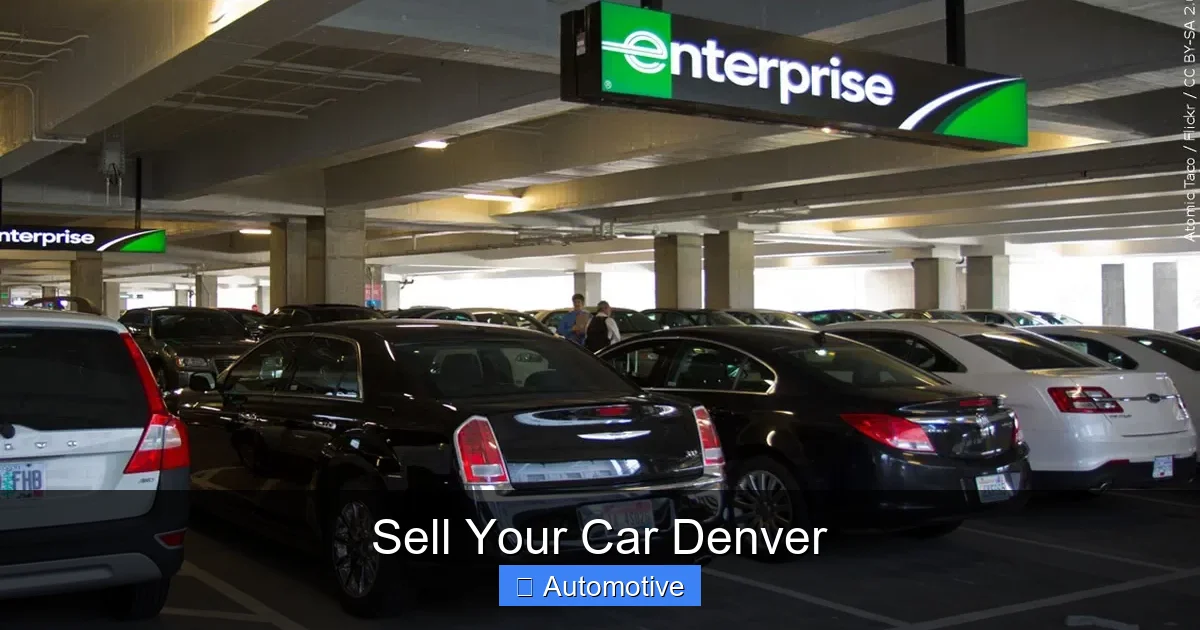
Visual guide about Sell Your Car Denver
Image source: krdo.b-cdn.net
Before you list your car or accept any offers, you need to know what it’s actually worth. Pricing it too high could scare off buyers; pricing it too low means leaving money on the table. The key is to research thoroughly and base your asking price on real data—not guesswork or emotion.
Start by using trusted valuation tools. Kelley Blue Book (KBB), Edmunds, and NADA Guides are the gold standards. Enter your car’s make, model, year, mileage, trim level, and condition. These tools will give you a range: trade-in value, private party value, and retail value. For most private sellers, the private party value is the most relevant—it reflects what a buyer might pay directly from you, not a dealership.
But don’t stop there. Check local listings. Search for similar cars in Denver on sites like Autotrader, Cars.com, or even Facebook Marketplace. Look at vehicles with comparable mileage, features, and condition. Are they priced higher or lower than KBB suggests? Local demand can shift prices. For example, a used Subaru Outback with low mileage might sell for more in Denver than in a flat, urban market because of its popularity among outdoor enthusiasts.
Factors That Affect Your Car’s Worth
Several factors influence how much you can sell your car for in Denver. The biggest ones include:
– **Mileage:** Lower mileage typically means higher value. Cars under 12,000 miles per year are considered low-mileage and command a premium.
– **Condition:** A clean, well-maintained interior and exterior can add hundreds to your sale price. Dents, scratches, or interior stains reduce value.
– **Service History:** A complete maintenance record shows buyers the car has been cared for. Include receipts for oil changes, tire rotations, and major repairs.
– **Accident History:** Even minor accidents can lower value. Be honest—and disclose any damage. Buyers can check reports via Carfax or AutoCheck.
– **Features and Upgrades:** Modern safety features (like backup cameras and blind-spot monitoring), tech packages, and aftermarket upgrades (like new tires or a premium sound system) can boost appeal.
– **Market Demand:** As mentioned, SUVs and trucks sell faster in Denver. A used Jeep Wrangler or Toyota 4Runner might get multiple offers, while a luxury sedan could take longer.
Example: Pricing a 2018 Honda CR-V
Let’s say you own a 2018 Honda CR-V EX with 60,000 miles, excellent condition, and a clean title. Using KBB, you find the private party value is around $18,500. But when you check local listings, you see similar CR-Vs in Denver priced between $18,000 and $19,500. One even has a sunroof and leather seats—features your car doesn’t have—and is listed at $19,200.
In this case, pricing your car at $18,750 might be smart. It’s competitive, reflects your car’s condition, and leaves room for negotiation. You could also highlight its excellent maintenance record and recent tire replacement to justify the price.
Best Ways to Sell Your Car in Denver
Once you know your car’s value, it’s time to decide how to sell it. Your options fall into three main categories: private sale, trade-in, and instant cash offers. Each has pros and cons, and the best choice depends on your priorities—speed, convenience, or maximum profit.
1. Private Sale
Selling your car privately typically yields the highest return. You cut out the middleman and negotiate directly with the buyer. In Denver, this means you could get 10–20% more than a trade-in or cash offer. But it also requires more work: creating listings, responding to inquiries, meeting potential buyers, and handling paperwork.
To sell privately, start by writing a detailed ad. Include high-quality photos from multiple angles—outside, inside, engine bay, and trunk. Highlight key features, recent maintenance, and any upgrades. Be honest about flaws; transparency builds trust.
List your car on popular platforms like:
– **Facebook Marketplace:** Great for local reach and easy communication.
– **Craigslist Denver:** Still widely used, but be cautious of scams.
– **Autotrader or Cars.com:** Ideal for serious buyers, though some sites charge listing fees.
When meeting buyers, always choose a public place—like a police station parking lot or busy shopping center. Bring a friend, and never let someone take your car for a test drive alone. Ask for a valid driver’s license and consider requiring a deposit before the drive.
2. Trade-In at a Dealership
Trading in your car at a Denver dealership is the easiest option. You can apply the value toward a new or used vehicle purchase, and the transaction is handled in one visit. Many dealerships also offer online trade-in tools where you can get an instant estimate.
However, trade-in values are usually lower than private sale prices. Dealers need to make a profit when they resell your car, so they’ll offer less. Still, the convenience and tax savings (in Colorado, you only pay sales tax on the difference between your trade-in value and the new car price) can make it worthwhile.
To get the best trade-in offer, visit multiple dealerships. Get written estimates and use them as leverage. Don’t feel pressured to buy on the spot—take time to compare offers.
3. Sell to a Cash-for-Cars Company
If you need to sell your car fast—say, because you’re moving or need cash quickly—selling to a cash-for-cars service might be the answer. Companies like We Buy Any Car, Peddle, or local Denver buyers offer instant quotes online and often provide free towing.
These services are ideal for older cars, vehicles with mechanical issues, or those you just want to get rid of without hassle. The trade-off? You’ll likely get less than a private sale. But for many, the speed and simplicity are worth it.
To use these services, visit their website, enter your car’s details, and receive an offer. If you accept, they’ll schedule a pickup—often within 24 hours. Just make sure the company is reputable. Check reviews on Google or the Better Business Bureau.
Preparing Your Car for Sale
A little effort in preparing your car can go a long way in boosting its appeal and value. Think of it like staging a house—first impressions matter. A clean, well-maintained vehicle tells buyers you’ve taken care of it, which increases trust and justifies a higher price.
Clean Inside and Out
Start with a thorough wash and wax. Remove dirt, bugs, and grime from the exterior. Don’t forget the wheels and undercarriage—especially important in Denver, where winter road salt can cause corrosion.
Inside, vacuum every corner, clean the dashboard and console, and wipe down windows. Remove personal items, trash, and air fresheners (some buyers are sensitive to scents). If your seats are fabric, consider a steam clean to remove odors and stains. For leather, use a conditioner to restore shine.
Address Minor Repairs
You don’t need to rebuild the engine, but fixing small issues can increase value. Replace burnt-out bulbs, fix cracked windshields, and patch small dents or scratches. A $50 repair could add $200 to your sale price.
Check fluids—oil, coolant, brake fluid—and top them off. Ensure tires have good tread and are properly inflated. If your tires are worn, consider replacing them, especially if you’re selling an SUV or truck popular in Denver’s mountain terrain.
Gather Documentation
Have all your paperwork ready. This includes:
– **Title:** Must be signed and notarized if selling privately.
– **Bill of Sale:** Colorado requires this for private sales. You can find free templates online.
– **Odometer Disclosure:** Required for vehicles under 10 years old.
– **Maintenance Records:** Show proof of regular service.
– **Emissions Test:** Denver requires emissions testing for most vehicles. Make sure your car passes before selling.
Having everything organized makes the process smoother and shows buyers you’re serious and trustworthy.
Legal Requirements for Selling a Car in Colorado
Selling a car in Denver isn’t just about finding a buyer—it’s also about following Colorado state laws. Skipping steps can lead to fines, liability issues, or even legal trouble. Here’s what you need to know.
Title Transfer
In Colorado, you must sign over the title to the buyer. The title must be free of liens (unless the buyer agrees to pay them off). Both parties should complete the “Assignment of Title” section. The buyer is responsible for registering the car, but you must provide a signed title.
If your title is lost, you’ll need to apply for a duplicate from the Colorado DMV. This can take a few weeks, so plan ahead.
Bill of Sale
While not always required, a bill of sale is highly recommended. It protects both parties by documenting the sale price, date, and vehicle details. Colorado provides a free form on the DMV website. Include:
– Vehicle identification number (VIN)
– Make, model, and year
– Sale price
– Names and addresses of buyer and seller
– Odometer reading
Release of Liability
After the sale, notify the Colorado DMV that you’re no longer responsible for the vehicle. You can do this online or by submitting a “Notice of Sale” form. This protects you if the buyer gets a ticket or causes an accident before registering the car.
Emissions and Safety Inspections
Denver is in an emissions testing area. Most vehicles must pass an emissions test before sale. Check the Colorado Department of Public Health and Environment website to see if your car needs testing. Safety inspections are not required for private sales, but a well-maintained car is more attractive to buyers.
Safety Tips When Selling Privately
Selling your car privately means interacting with strangers—so safety should be a top priority. While most buyers are honest, scams and unsafe situations do happen. Protect yourself with these tips.
Meet in Public
Always meet potential buyers in a well-lit, public place. Police station parking lots are ideal—many have designated “safe exchange zones.” Avoid meeting at your home or late at night.
Bring a Friend
Never meet a buyer alone. Bring a family member or friend for support. They can help assess the buyer’s seriousness and watch for red flags.
Verify Payment
Accept only secure payment methods. Cash is safest for private sales. If using a cashier’s check, verify it with the bank before handing over the car. Never accept personal checks—they can bounce.
Watch for Scams
Common scams include:
– Buyers offering to pay more than asking price and asking for a refund.
– Requests to ship the car or use a third-party escrow service.
– Fake cashier’s checks or money orders.
If something feels off, trust your gut and walk away.
Timing Your Sale for Maximum Profit
When you sell your car can impact how much you earn. In Denver, timing matters. As mentioned, spring and summer are peak seasons. But there are other factors to consider.
End of the Month
Dealerships often have monthly sales targets. Selling at the end of the month might get you a better trade-in offer as they try to meet quotas.
New Model Releases
When new models arrive (usually in late summer or fall), demand for used versions of the same car can spike. If you’re selling a popular model, consider listing it just before the new version launches.
Personal Timing
Don’t rush. If you can wait a few weeks, you might get a better offer. But if you need to sell quickly, cash-for-cars services or trade-ins are faster than waiting for the right private buyer.
Conclusion
Selling your car in Denver doesn’t have to be a headache. With the right strategy, you can turn your vehicle into cash quickly, safely, and profitably. Start by researching your car’s value using trusted tools and local listings. Choose the selling method that best fits your needs—private sale for top dollar, trade-in for convenience, or cash offers for speed.
Prepare your car thoroughly: clean it, fix minor issues, and gather all paperwork. Follow Colorado’s legal requirements to avoid complications. And always prioritize safety when meeting buyers.
Denver’s active car market works in your favor. Whether you’re selling a rugged truck for mountain adventures or a fuel-efficient sedan for city life, there’s a buyer out there. By following this guide, you’ll be well-equipped to sell your car Denver-style—with confidence, clarity, and cash in hand.
Frequently Asked Questions
How long does it take to sell a car in Denver?
It depends on the method. Private sales can take 1–4 weeks, while cash-for-cars services often complete the transaction in 1–2 days. Trade-ins are usually done in one visit to the dealership.
Do I need a smog test to sell my car in Denver?
Yes, most vehicles in the Denver area must pass an emissions test before sale. Check the Colorado Department of Public Health and Environment website to confirm if your car needs testing.
Can I sell my car without a title in Colorado?
No, you must have a signed title to sell your car. If your title is lost, apply for a duplicate from the Colorado DMV before listing your vehicle.
What’s the best way to sell a car with mechanical problems in Denver?
Selling to a cash-for-cars company is often the best option. These buyers accept vehicles in any condition and offer quick, hassle-free transactions.
Should I sell my car privately or trade it in?
Private sales typically yield higher profits, but require more effort. Trade-ins are faster and more convenient, especially if you’re buying another car.
How can I avoid scams when selling my car online in Denver?
Meet in public places, never accept personal checks, and be wary of buyers who offer to overpay or request shipping. Always verify payment before transferring the vehicle.
