
Do You Have to Have Current Registration to Sell a Car

You don’t always need current registration to sell a car, but it depends on your state and how you sell it. While some states allow private sales with expired tags, others require valid registration or a notarized bill of sale. Knowing your local laws helps avoid legal trouble and ensures a smoother transaction.
Key Takeaways
- Registration rules vary by state: Some states require current registration to sell a car, while others allow sales with expired tags as long as other documents are in order.
- Private vs. dealer sales differ: Selling to a dealership often bypasses registration requirements, but private sales may need more documentation.
- Bill of sale is essential: A properly filled-out bill of sale can substitute for registration in many states, especially if the car isn’t currently registered.
- Smog and safety inspections may be required: Even without current registration, some states demand up-to-date inspections before a sale is finalized.
- Transferring ownership safely: Always complete the title transfer and notify the DMV to avoid liability after the sale.
- Out-of-state sales add complexity: Selling across state lines may require additional paperwork, including registration or proof of ownership.
- Expired registration isn’t a dealbreaker: With the right documents and knowledge, you can legally sell a car even if the registration has lapsed.
📑 Table of Contents
- Do You Have to Have Current Registration to Sell a Car?
- Understanding the Basics: Registration vs. Ownership
- State-by-State Rules: Where Registration Matters
- Private Sale vs. Dealer Sale: Does It Make a Difference?
- Essential Documents for Selling a Car Without Current Registration
- Tips for a Smooth Sale Without Current Registration
- What Happens After the Sale?
- Conclusion
Do You Have to Have Current Registration to Sell a Car?
So, you’ve decided it’s time to sell your car. Maybe you’re upgrading to something newer, downsizing, or just ready for a change. But as you start the process, a question pops up: *Do you actually need current registration to sell a car?* It’s a common concern, especially if your tags have expired or you’ve let the registration lapse while the car sat in the driveway.
The short answer? It depends—mostly on where you live. While some states are pretty relaxed about registration status during a private sale, others have strict rules that require valid registration before you can legally transfer ownership. But don’t worry—this doesn’t mean you’re stuck with an unsellable vehicle. With the right knowledge and a few key documents, you can sell your car smoothly, even if the registration isn’t up to date.
In this guide, we’ll walk you through everything you need to know about selling a car with or without current registration. We’ll break down state-specific rules, explain the role of titles and bills of sale, and share practical tips to help you avoid legal headaches. Whether you’re selling to a friend, listing it online, or trading it in at a dealership, understanding these requirements will save you time, stress, and potential fines.
Understanding the Basics: Registration vs. Ownership
Visual guide about Do You Have to Have Current Registration to Sell a Car
Image source: images.sampleforms.com
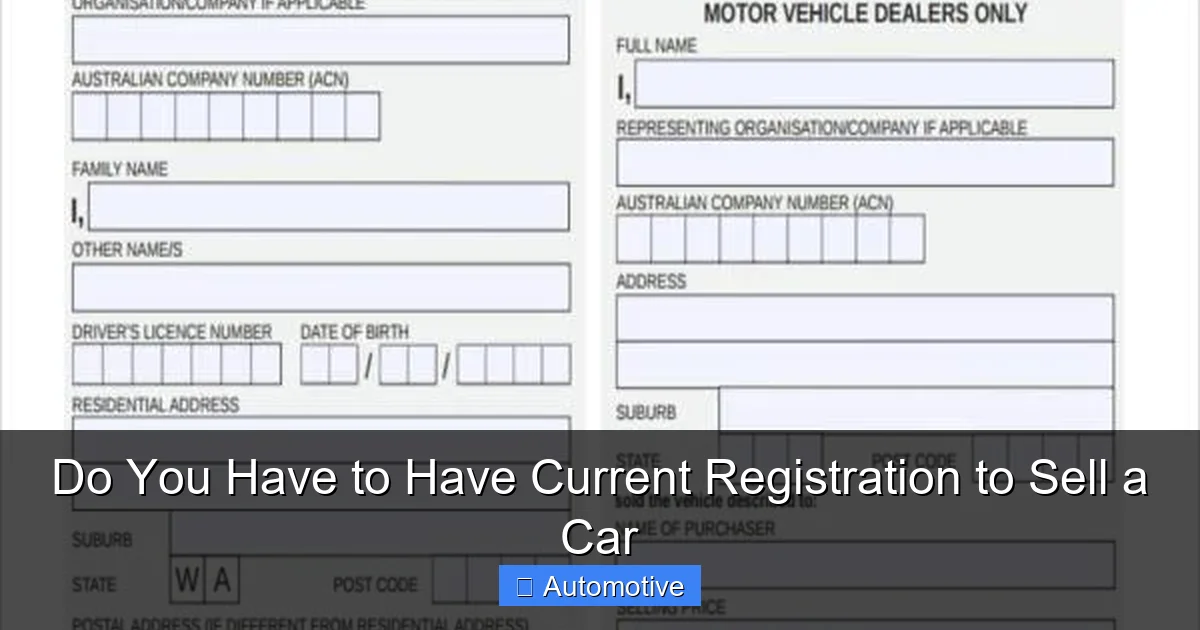
Before diving into the rules, it’s important to understand the difference between *registration* and *ownership*. These two terms are often used interchangeably, but they mean very different things—and that distinction is crucial when selling a car.
Ownership refers to legal title of the vehicle. If your name is on the title, you own the car. This is what gives you the right to sell it. The title is issued by your state’s Department of Motor Vehicles (DMV) or equivalent agency and serves as proof that you’re the legal owner.
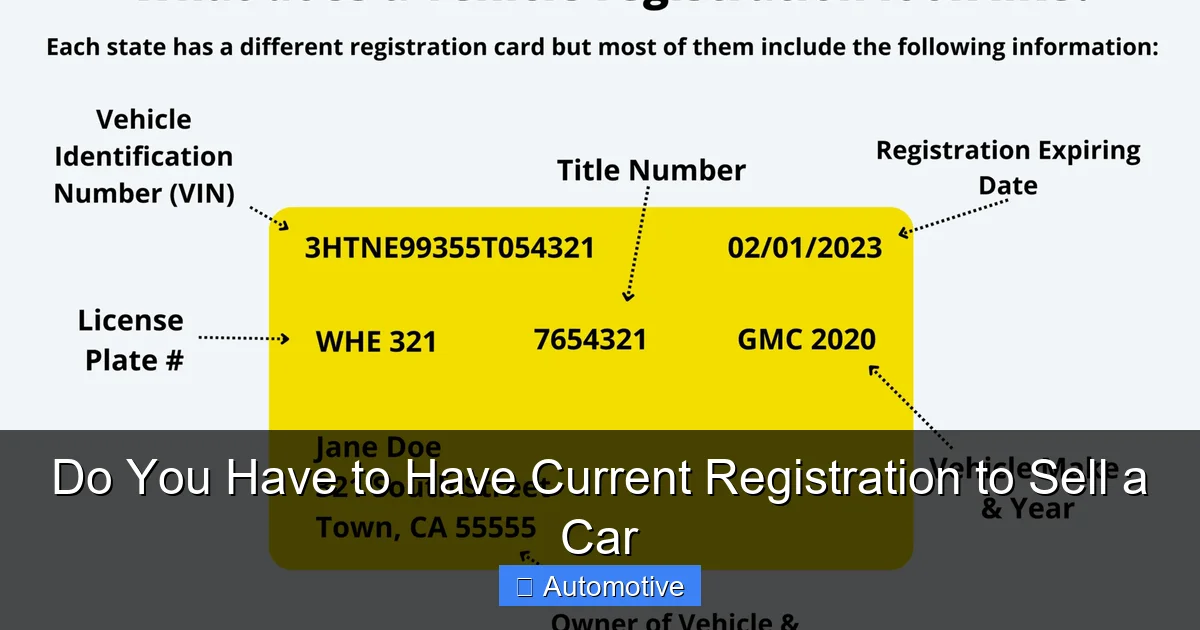
Registration, on the other hand, is the process of officially recording your vehicle with the state so it can be legally driven on public roads. When you register a car, you get license plates, a registration sticker, and a registration card. This needs to be renewed periodically—usually every one to two years—and often requires proof of insurance and passing emissions or safety inspections.
Here’s the key point: You can own a car without having it registered. For example, if your registration expires and you don’t renew it, you still own the vehicle—you just can’t legally drive it. This is why many people wonder if they can sell a car with expired registration. The answer lies in whether the state requires active registration as part of the sale process.
In most cases, the title is the most important document when selling a car. As long as you have a clear title (meaning no liens or loans against the vehicle), you generally have the right to sell it—even if the registration is expired. However, some states do require current registration at the time of sale, so it’s essential to check your local laws.
State-by-State Rules: Where Registration Matters
Visual guide about Do You Have to Have Current Registration to Sell a Car
Image source: wheelsforwishes.org
One of the biggest factors in whether you need current registration to sell a car is your state’s specific regulations. Unfortunately, there’s no one-size-fits-all answer—each state has its own rules, and they can vary widely.
Let’s look at a few examples to illustrate the differences.
States That Require Current Registration
In some states, you must have valid registration to sell a car—especially in private transactions. For instance:
– **California**: While you don’t technically need current registration to sell a car, the buyer will need it to register the vehicle in their name. If the registration is expired, the buyer may face penalties or delays. Additionally, California requires a smog check within 90 days of sale, which can only be done if the car is registered. So while it’s not illegal to sell with expired registration, it can make the process much harder.
– **New York**: The DMV requires that the vehicle have current registration at the time of sale. If your registration has expired, you’ll need to renew it before completing the transfer. This ensures the buyer can immediately register the car without issues.
– **Illinois**: Similar to New York, Illinois law requires current registration for private sales. If your registration has lapsed, you’ll need to renew it before selling.
In these states, failing to have current registration can result in the sale being rejected by the DMV or the buyer refusing to complete the purchase.
States That Allow Sales with Expired Registration
On the other hand, many states are more flexible. In these locations, you can sell a car even if the registration has expired, as long as you have a valid title and other required documents.
– **Texas**: You can sell a car with expired registration, but the buyer will need to get it registered in their name within 30 days of purchase. Texas also requires a safety inspection, which can be done regardless of registration status.
– **Florida**: Florida allows private sales with expired registration. However, the buyer must register the vehicle within 30 days. The seller should provide a completed title and a bill of sale.
– **Arizona**: Arizona doesn’t require current registration to sell a car. As long as you have the title and a bill of sale, you can transfer ownership. The buyer will be responsible for registering the vehicle.
States with Unique Requirements
Some states have additional rules that go beyond registration:
– **Pennsylvania**: Requires a notarized bill of sale and a valid safety inspection. Registration doesn’t need to be current, but the inspection must be up to date.
– **Washington**: Allows sales with expired registration, but the buyer must pay back taxes and fees when they register the vehicle.
The bottom line? Always check your state’s DMV website or contact them directly to confirm the rules. A quick search for “sell car with expired registration [your state]” will usually bring up official guidelines.
Private Sale vs. Dealer Sale: Does It Make a Difference?
Visual guide about Do You Have to Have Current Registration to Sell a Car
Image source: res.cloudinary.com
Another important factor is how you’re selling the car. Are you listing it privately on Craigslist or Facebook Marketplace, or are you trading it in at a dealership? The answer can affect whether you need current registration.
Selling to a Dealership
When you sell or trade in your car to a dealership, the rules are often more relaxed. Dealerships are used to handling vehicles with expired registration, especially trade-ins. They typically don’t require current registration to accept your car.
Why? Because dealerships handle the registration process for you. Once they take ownership, they’ll register the vehicle under their dealer plates and handle any back fees or renewals. This makes the process much easier for the seller.
For example, if you’re trading in your car for a new one, the dealership will usually accept it even if the registration is expired. They’ll deduct any outstanding registration fees from your trade-in value or handle them separately.
Selling Privately
Private sales are where things get trickier. When you sell directly to another individual, you’re responsible for providing all the necessary documentation—and that often includes proof that the car can be legally registered.
Even in states that don’t require current registration, many buyers will insist on it. Why? Because they don’t want to deal with the hassle of renewing an expired registration or paying back fees. A car with current registration is more attractive because it’s “ready to go.”
Additionally, some buyers may be wary of purchasing a car with expired registration, fearing hidden issues or legal complications. To make your car more marketable, it’s often worth renewing the registration before listing it—even if it’s not legally required.
Online Sales and Out-of-State Buyers
If you’re selling your car online or to someone in another state, the rules can get even more complex. Some states require that the vehicle be registered in the seller’s name at the time of sale, even for out-of-state transactions.
For example, if you’re in Texas and selling to someone in California, California may require the car to pass a smog check—which can only be done if it’s registered. In this case, you might need to renew your registration temporarily just to complete the sale.
Always communicate clearly with the buyer about registration status and any steps they’ll need to take after purchase. Providing a detailed bill of sale and title transfer can help smooth the process.
Essential Documents for Selling a Car Without Current Registration
Even if your registration has expired, you can still sell your car—as long as you have the right paperwork. Here are the key documents you’ll need:
1. Vehicle Title
The title is the most important document when selling a car. It proves you own the vehicle and have the right to sell it. Make sure the title is signed correctly and that there are no liens (outstanding loans) against the car.
If your title is lost, you’ll need to request a duplicate from your state’s DMV before you can sell the car.
2. Bill of Sale
A bill of sale is a legal document that records the details of the transaction, including the sale price, date, and both parties’ information. In many states, a bill of sale can substitute for registration, especially if the registration is expired.
Your state’s DMV website usually provides a free bill of sale template. Be sure to fill it out completely and have both parties sign it.
3. Odometer Disclosure
Federal law requires that you disclose the vehicle’s mileage at the time of sale. This is typically done on the title or a separate odometer disclosure form. Tampering with odometer readings is a serious crime, so always report the accurate mileage.
4. Release of Liability
After the sale, you should file a release of liability with your DMV. This form notifies the state that you’re no longer responsible for the vehicle. It protects you from liability if the buyer gets a ticket or causes an accident after the sale.
Most states allow you to submit this form online or by mail. Keep a copy for your records.
5. Maintenance and Repair Records (Optional but Helpful)
While not legally required, providing maintenance records can increase buyer confidence—especially if the registration is expired. It shows that the car has been well cared for, even if it hasn’t been driven recently.
Tips for a Smooth Sale Without Current Registration
Selling a car with expired registration doesn’t have to be stressful. With a little preparation, you can make the process smooth and successful.
Renew Registration Before Listing (If Possible)
Even if it’s not required, renewing your registration before listing the car can make it more attractive to buyers. A car with current registration is seen as “move-in ready” and reduces the buyer’s workload.
Check your state’s renewal requirements—some allow online renewals, while others require an in-person visit or inspection.
Be Transparent with Buyers
Honesty is the best policy. If your registration is expired, let potential buyers know upfront. Explain the situation and clarify what they’ll need to do after purchase.
Transparency builds trust and can prevent misunderstandings or last-minute deal breakers.
Price the Car Competitively
A car with expired registration may be less desirable to some buyers. Consider pricing it slightly lower than similar models with current registration to attract interest.
You can also offer to cover the cost of registration renewal as part of the sale.
Complete the Sale in Person
Whenever possible, meet the buyer in person to complete the transaction. This allows you to hand over the title, bill of sale, and keys directly. It also gives you a chance to verify the buyer’s identity and ensure everything is signed correctly.
Avoid shipping the car or sending documents before receiving payment.
Use a Secure Payment Method
Never accept cash for a large transaction unless you’re meeting in a safe, public place. Cashier’s checks or bank transfers are safer options. Be cautious of fake checks or overpayment scams.
Keep Records of the Transaction
After the sale, keep copies of the bill of sale, title transfer, and release of liability. These documents can protect you if any issues arise later.
What Happens After the Sale?
Once the sale is complete, your responsibilities aren’t over. Here’s what you should do next:
– **File a release of liability** with your DMV as soon as possible.
– **Cancel your insurance** on the vehicle—don’t wait for the policy to expire.
– **Remove license plates** if required by your state (some states require plates to stay with the car, others with the seller).
– **Keep documentation** for at least a few years in case of disputes.
For the buyer, the next steps usually include registering the vehicle, getting insurance, and paying any back fees or taxes. Make sure they understand these requirements before finalizing the sale.
Conclusion
So, do you have to have current registration to sell a car? The answer is: it depends—but in most cases, you don’t. While some states require valid registration at the time of sale, many allow private sales with expired tags as long as you have a clear title and proper documentation.
The key to a successful sale is knowing your state’s rules, preparing the right paperwork, and being transparent with buyers. Whether you’re selling privately or trading in at a dealership, understanding these requirements will help you avoid legal issues and close the deal with confidence.
Remember, just because your registration has expired doesn’t mean your car is unsellable. With a little effort and the right approach, you can sell your vehicle smoothly—even if the tags are past their due date.
Frequently Asked Questions
Can I sell a car if the registration is expired?
Yes, in most states you can sell a car with expired registration as long as you have a valid title and complete the proper paperwork. However, some states require current registration, so always check your local DMV rules.
Do I need to renew registration before selling my car?
Not always, but renewing registration can make your car more attractive to buyers and simplify the transfer process. In some states, it’s required by law.
What documents do I need to sell a car without current registration?
You’ll need the vehicle title, a bill of sale, odometer disclosure, and a release of liability. Some states may also require a notarized bill of sale or inspection.
Can a buyer register a car if the registration is expired?
Yes, but they may need to pay back fees, renew the registration, and pass inspections. The process varies by state, so the buyer should check their local DMV requirements.
Is it legal to sell a car with expired tags in California?
Yes, it’s legal to sell a car with expired registration in California, but the buyer will need to get a smog check and register the vehicle, which can only be done with valid registration.
What happens if I sell a car and don’t file a release of liability?
If you don’t file a release of liability, you could still be held responsible for tickets, accidents, or fines involving the car after the sale. Always notify your DMV promptly.
