
How to Sell a Car in New Jersey

Selling a car in New Jersey doesn’t have to be stressful. With the right preparation, paperwork, and pricing strategy, you can complete the process quickly and legally. This guide walks you through every step to ensure a smooth, hassle-free sale.
Selling a car in New Jersey might seem like a daunting task, especially if you’ve never done it before. Between paperwork, pricing, advertising, and meeting potential buyers, there’s a lot to juggle. But with the right approach, you can turn what feels like a complicated process into a smooth, stress-free experience. Whether you’re upgrading to a newer model, downsizing, or simply no longer need your vehicle, knowing the steps involved will help you sell your car quickly, legally, and for the best possible price.
The good news? New Jersey has clear guidelines for private car sales, and once you understand them, the process becomes much more manageable. From preparing your vehicle and setting a fair price to transferring ownership and protecting yourself legally, each step plays a crucial role in a successful sale. This guide is designed to walk you through every part of selling a car in New Jersey—no fluff, no confusion, just practical advice you can use right away. By the end, you’ll feel confident and ready to hand over the keys with peace of mind.
Key Takeaways
- Prepare your paperwork: Gather the title, registration, maintenance records, and a completed Bill of Sale to avoid delays.
- Set a competitive price: Use tools like Kelley Blue Book or Edmunds to research fair market value based on your car’s condition, mileage, and features.
- Clean and inspect your vehicle: A clean, well-maintained car attracts more buyers and can increase your selling price.
- Advertise effectively: Use online platforms like Facebook Marketplace, Craigslist, or Autotrader to reach local buyers in New Jersey.
- Complete the transfer correctly: Sign over the title, notify the MVC, and provide a Release of Liability to protect yourself from future issues.
- Be cautious with test drives: Always verify the buyer’s license, stay in public areas, and consider bringing a friend for safety.
- Understand tax and fee implications: Know whether you’ll owe sales tax on a private sale and how to handle registration refunds.
📑 Table of Contents
Step 1: Prepare Your Paperwork
Before you even think about listing your car, make sure all your paperwork is in order. In New Jersey, the title is the most important document when selling a vehicle. It proves you own the car and have the legal right to sell it. Without a clear title, you can’t complete the sale. If your car is financed, you’ll need to pay off the loan first and obtain a lien release from the lender before transferring ownership.
In addition to the title, gather your current registration, maintenance records, and a completed Bill of Sale. The Bill of Sale is a legal document that records the transaction details, including the sale price, date, and both parties’ information. While New Jersey doesn’t require a specific form, using a standardized template from the MVC or a trusted source ensures you include all necessary details. You can find free Bill of Sale templates online or download one from the New Jersey Motor Vehicle Commission (MVC) website.
Don’t forget to check your title for accuracy. Make sure your name, address, and vehicle information are correct. If there are any errors—like a misspelled name or outdated address—contact the MVC to correct them before listing your car. Also, if you’ve lost your title, you’ll need to apply for a duplicate. This can be done online, by mail, or in person at an MVC agency. Processing times vary, so start this step early to avoid delays.
Gather Maintenance and Repair Records
Buyers appreciate transparency, and having detailed maintenance records can boost your car’s value and appeal. Keep receipts for oil changes, brake repairs, tire replacements, and any major work done. These documents show that the car has been well cared for and can help justify your asking price. If you don’t have physical copies, check with your mechanic or use apps like CarFax or AutoCheck to generate a service history report.
Complete a Vehicle History Report
Consider running a vehicle history report using services like CarFax or AutoCheck. These reports reveal important details such as accident history, previous owners, title status, and odometer readings. Sharing this report with potential buyers builds trust and can speed up the sale. If your car has a clean history, highlight it in your listing. If there are issues, be upfront—buyers will appreciate honesty and may still be interested if the price is right.
Step 2: Determine the Right Price

Visual guide about How to Sell a Car in New Jersey
Image source: i.pinimg.com
Pricing your car correctly is one of the most critical steps in the selling process. Set it too high, and you’ll scare off buyers. Set it too low, and you’ll lose money. The goal is to find a fair market value that reflects your car’s condition, mileage, age, and features while remaining competitive in the New Jersey market.
Start by researching similar vehicles in your area. Use trusted pricing tools like Kelley Blue Book (KBB), Edmunds, or NADA Guides. These platforms allow you to input your car’s make, model, year, mileage, trim level, and condition to generate a suggested price range. For example, a 2018 Honda Civic with 60,000 miles in good condition might be valued between $16,000 and $18,000 in northern New Jersey, depending on demand and features.
Adjust for Local Market Conditions
New Jersey’s car market can vary significantly by region. Urban areas like Newark or Jersey City may have higher demand for fuel-efficient or compact cars, while suburban or rural areas might favor SUVs or trucks. Check local listings on Facebook Marketplace, Craigslist, or Autotrader to see what similar cars are selling for. If you notice that cars with sunroofs, leather seats, or advanced safety features sell faster, consider highlighting those in your listing and adjusting your price accordingly.
Factor in Condition and Upgrades
Be honest about your car’s condition. If it has minor scratches, worn tires, or a check engine light, adjust your price down. On the other hand, if you’ve made upgrades like new tires, a premium sound system, or a recent transmission repair, you can justify a higher price—but don’t overvalue these additions. Most buyers expect to pay market rate, not the full cost of your upgrades.
A good rule of thumb: price your car slightly above what you’re willing to accept. This gives you room to negotiate while still attracting serious buyers. For example, if you want $15,000, list it at $15,500. Most buyers will expect to haggle, and you’ll end up close to your target.
Step 3: Clean and Inspect Your Vehicle
Visual guide about How to Sell a Car in New Jersey
Image source: lh7-us.googleusercontent.com
First impressions matter—especially when selling a car. A clean, well-maintained vehicle not only looks more appealing but also signals to buyers that the car has been cared for. Take the time to thoroughly clean both the interior and exterior. Wash and wax the body, clean the windows, vacuum the carpets, and wipe down all surfaces. Don’t forget the trunk, cup holders, and under the seats—these small details can make a big difference.
Address Minor Repairs and Cosmetic Issues
Fixing small issues can increase your car’s value and reduce negotiation points. Replace burnt-out light bulbs, fix cracked windshield wipers, and touch up minor paint scratches. If your car has a musty smell, use an odor eliminator or have the upholstery professionally cleaned. These low-cost improvements can make your car feel newer and more desirable.
Consider getting a pre-sale inspection from a trusted mechanic. While not required in New Jersey, an inspection report can reassure buyers that the car is in good working order. Some sellers even offer a limited warranty or “as-is” disclaimer with the inspection to build confidence. If the mechanic finds any issues, decide whether to fix them or adjust your price accordingly.
Take High-Quality Photos
When listing your car online, photos are your first chance to grab a buyer’s attention. Take clear, well-lit pictures from multiple angles—front, back, sides, interior, dashboard, and trunk. Show any unique features or recent upgrades. Avoid cluttered backgrounds and shoot during daylight for the best lighting. A few high-quality photos can make your listing stand out in a crowded marketplace.
Step 4: Advertise Your Car Effectively
Visual guide about How to Sell a Car in New Jersey
Image source: formspal.com
Once your car is clean, priced, and ready to go, it’s time to find a buyer. In today’s digital age, online platforms are the most effective way to reach local buyers in New Jersey. Start with popular sites like Facebook Marketplace, Craigslist, and Autotrader. Each platform has its strengths—Facebook Marketplace is great for local visibility, Craigslist offers wide reach, and Autotrader attracts serious buyers.
Write a Compelling Listing
Your listing should be clear, honest, and informative. Include key details like make, model, year, mileage, trim level, transmission type, fuel economy, and any notable features (e.g., backup camera, heated seats, Apple CarPlay). Mention recent maintenance or repairs, and highlight any upgrades. Use bullet points for easy reading and avoid overly salesy language.
For example:
“2019 Toyota Camry LE – 45,000 miles – Clean title – One owner – Regular oil changes – New tires (2023) – Backup camera – Bluetooth – Excellent fuel economy (32 MPG highway) – Non-smoker – Garage kept.”
Be transparent about any flaws. If the car has a small dent or the AC takes time to cool, mention it upfront. This builds trust and reduces the chance of disputes later.
Set a Realistic Response Time
Respond to inquiries quickly—within a few hours if possible. Buyers often contact multiple sellers, and a slow response can cost you the sale. Use email or messaging apps to communicate, and avoid giving out your phone number until you’re ready to schedule a meeting. When you do exchange contact info, keep conversations professional and focused on the car.
Be Prepared for Negotiations
Most buyers will try to negotiate, so be ready. Know your bottom line and stick to it. If a buyer offers $14,000 on a $15,500 listing, counter with $15,000 and explain why your car is worth it—highlighting low mileage, recent repairs, or excellent condition. Stay calm and polite, even if the offer is low. Remember, you’re not obligated to accept any offer you don’t like.
Step 5: Safely Complete the Sale
Once you’ve found a serious buyer, it’s time to finalize the sale. Safety should be your top priority, especially during test drives and meetups. Always meet in a public place—like a police station parking lot or busy shopping center—and consider bringing a friend. Verify the buyer’s driver’s license and make sure they’re insured before allowing a test drive.
Handle Payment Securely
In New Jersey, cash and cashier’s checks are the safest payment methods for private car sales. Avoid personal checks, as they can bounce. If using a cashier’s check, verify it at a bank before handing over the keys. For larger amounts, meet at the buyer’s bank to confirm the funds are legitimate. Never release the car until payment is fully secured.
Transfer Ownership Properly
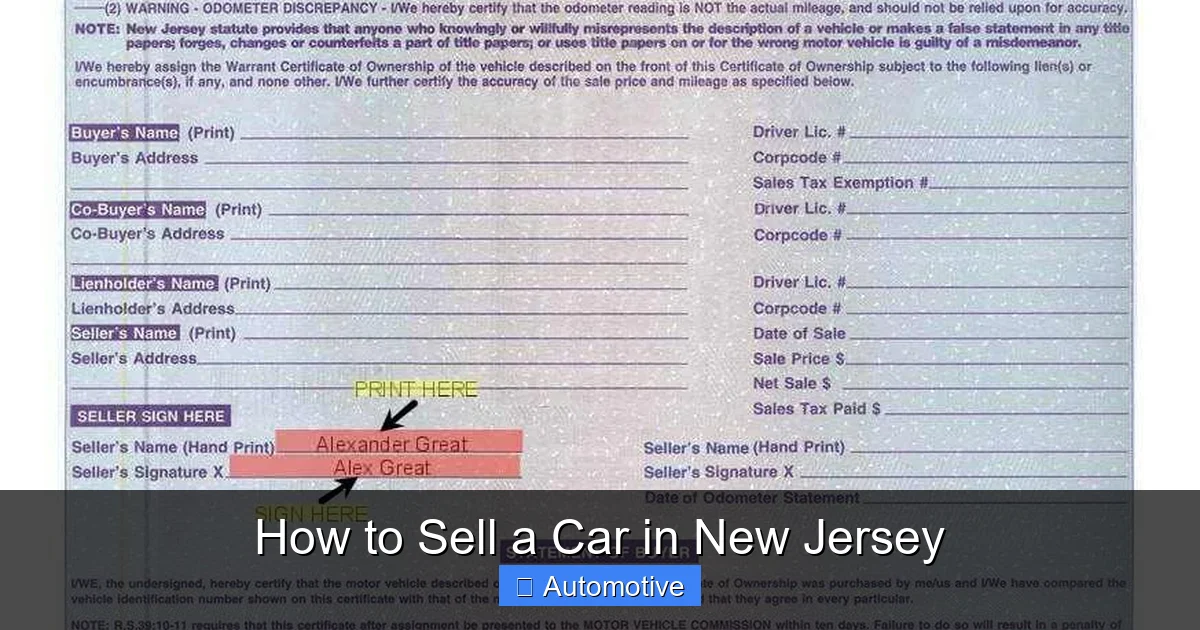
To legally transfer ownership, both you and the buyer must sign the title. Make sure the buyer fills in their name, address, and the sale price. Do not leave any sections blank. Once signed, remove the license plates—New Jersey requires sellers to keep their plates when selling a vehicle. The buyer will need to register the car in their name and obtain new plates.
Complete the Bill of Sale and Release of Liability
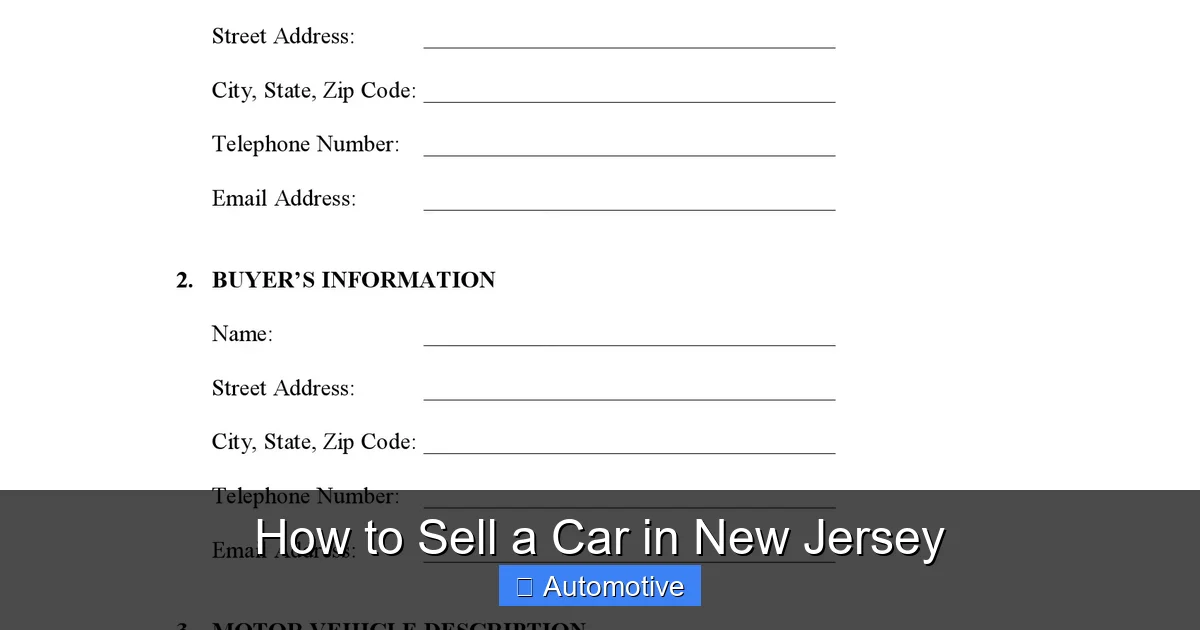
Provide the buyer with a completed Bill of Sale that includes the sale date, price, vehicle identification number (VIN), and both parties’ information. Keep a copy for your records. Then, submit a Release of Liability to the New Jersey MVC within three days of the sale. This form protects you from future tickets, tolls, or accidents involving the vehicle. You can submit it online through the MVC website or by mail.
Step 6: Notify the MVC and Handle Post-Sale Tasks
After the sale, there are a few final steps to complete. First, notify the MVC that you’ve sold the vehicle. This can be done online or by mailing a completed Notice of Sale form. This step is crucial—it officially removes your responsibility for the car and prevents future liability.
Cancel or Transfer Insurance
Contact your insurance company to cancel coverage on the sold vehicle. If you’re buying a new car, you can often transfer your policy. Be sure to update your coverage to avoid gaps or overpaying. Most insurers require proof of sale, so keep your Bill of Sale handy.
Request a Registration Refund (If Applicable)
If you’ve prepaid your registration and sold the car before the term ends, you may be eligible for a refund. Contact the MVC to request a prorated refund. You’ll need to provide the sale date, title transfer confirmation, and your registration details. Refunds are typically processed within 6–8 weeks.
Keep Records for Your Files
Store copies of the title, Bill of Sale, Release of Liability, and any communication with the buyer. These documents can be useful if questions arise later. While rare, disputes can happen, and having proof of the sale protects you.
Common Mistakes to Avoid
Even with the best preparation, sellers sometimes make avoidable mistakes. One common error is pricing the car too high based on emotional attachment rather than market value. Remember, buyers care about condition and price—not how much you loved the car.
Another mistake is skipping the Release of Liability. Failing to notify the MVC can leave you responsible for parking tickets or tolls incurred by the new owner. Always complete this step within three days.
Finally, don’t rush the sale. Take your time to find the right buyer, verify payment, and complete all paperwork correctly. A rushed sale can lead to legal or financial issues down the road.
Conclusion
Selling a car in New Jersey doesn’t have to be overwhelming. By following these steps—preparing your paperwork, pricing competitively, cleaning and inspecting your vehicle, advertising effectively, completing the sale safely, and notifying the MVC—you can sell your car quickly, legally, and with confidence. The key is to stay organized, be transparent, and prioritize safety throughout the process.
Whether you’re upgrading to a newer model or simply ready to part ways with your current ride, this guide gives you everything you need for a successful sale. Take your time, do your research, and don’t hesitate to ask for help if needed. With the right approach, you’ll hand over the keys knowing you’ve done it the right way.
Frequently Asked Questions
Do I need a safety inspection to sell a car in New Jersey?
No, New Jersey does not require a safety inspection for private car sales. However, the buyer will need to get one when they register the vehicle. You may choose to provide a recent inspection report to build buyer confidence.
Can I sell my car if I still owe money on it?
Yes, but you must pay off the loan first. Contact your lender to get a payoff amount, settle the balance, and obtain a lien release. Only then can you transfer the title to the buyer.
What happens if I lose my car title?
You can apply for a duplicate title online, by mail, or in person at an MVC agency. There is a small fee, and processing may take a few weeks, so start early to avoid delays.
Do I have to pay sales tax when selling my car privately?
No, private sellers in New Jersey do not pay sales tax on the sale. However, the buyer will pay sales tax when they register the vehicle with the MVC.
Can I sell my car without license plates?
Yes, but you must remove your plates before the sale. New Jersey requires sellers to keep their plates. The buyer will need to register the car and get new plates.
How long do I have to notify the MVC after selling my car?
You must submit a Release of Liability to the MVC within three days of the sale. This protects you from future liability related to the vehicle.
