
Junk Yard to Sell My Car

Selling your car to a junk yard can be a fast, hassle-free way to get cash for a damaged, non-running, or end-of-life vehicle. With the right approach, you can maximize your payout, avoid common pitfalls, and ensure a smooth transaction—even if your car isn’t roadworthy.
So, you’ve got an old car sitting in your driveway—maybe it’s been sitting there for months, or even years. It doesn’t start, the transmission is shot, or the body is rusted beyond repair. You’ve tried fixing it, but the repair costs are more than the car is worth. Sound familiar? If so, you’re not alone. Thousands of car owners face this dilemma every year. And while it’s tempting to just leave it there or donate it without compensation, there’s a better option: selling it to a junk yard.
Yes, a junk yard—also known as a salvage yard or scrap yard—can be a smart, practical, and surprisingly profitable way to get rid of your unwanted vehicle. Whether your car is totaled, non-running, or simply too expensive to maintain, a junk yard will take it off your hands and pay you cash on the spot. But before you call the first number you find online, it’s important to understand how the process works, what to expect, and how to get the most money for your car.
In this guide, we’ll walk you through everything you need to know about using a junk yard to sell your car. From understanding how junk yards operate to preparing your vehicle and avoiding common scams, we’ve got you covered. By the end, you’ll feel confident and informed, ready to turn that old clunker into cold, hard cash.
Key Takeaways
- Understanding junk yard to sell my car: Provides essential knowledge
📑 Table of Contents
Why Sell Your Car to a Junk Yard?
When your car reaches the end of its life, selling it to a junk yard might not be the first option that comes to mind. Many people think of private sales, trade-ins, or donations first. But for vehicles that are damaged, non-functional, or too old to sell privately, a junk yard is often the best choice.
One of the biggest advantages of selling to a junk yard is convenience. Unlike private sales, which can take weeks or months and require advertising, meeting with buyers, and negotiating, junk yards offer a fast and straightforward process. You call, get a quote, schedule a pickup, and get paid—often within 24 to 48 hours. There’s no need to clean the car, fix anything, or even get it running. Most junk yards will take vehicles in any condition, as long as you have the title.
Another major benefit is that junk yards pay based on the vehicle’s weight and the current market value of scrap metal. This means even if your car is completely wrecked, it still has value. Steel, aluminum, and other metals can be recycled and reused, making every car worth something. In fact, the average car contains over 250 pounds of steel, which can translate into a decent payout—especially if you shop around.
Selling to a junk yard also helps the environment. Recycling old vehicles reduces the need for new raw materials and keeps harmful substances like oil, coolant, and battery acid out of landfills. Many junk yards follow strict environmental regulations, ensuring that fluids are drained safely and parts are recycled responsibly.
Finally, selling your car to a junk yard can free up space and eliminate stress. That old car sitting in your driveway or garage is more than just an eyesore—it can attract pests, leak fluids, and even become a safety hazard. Getting it removed quickly and legally gives you peace of mind and opens up space for something more useful.
How Junk Yards Determine Car Value
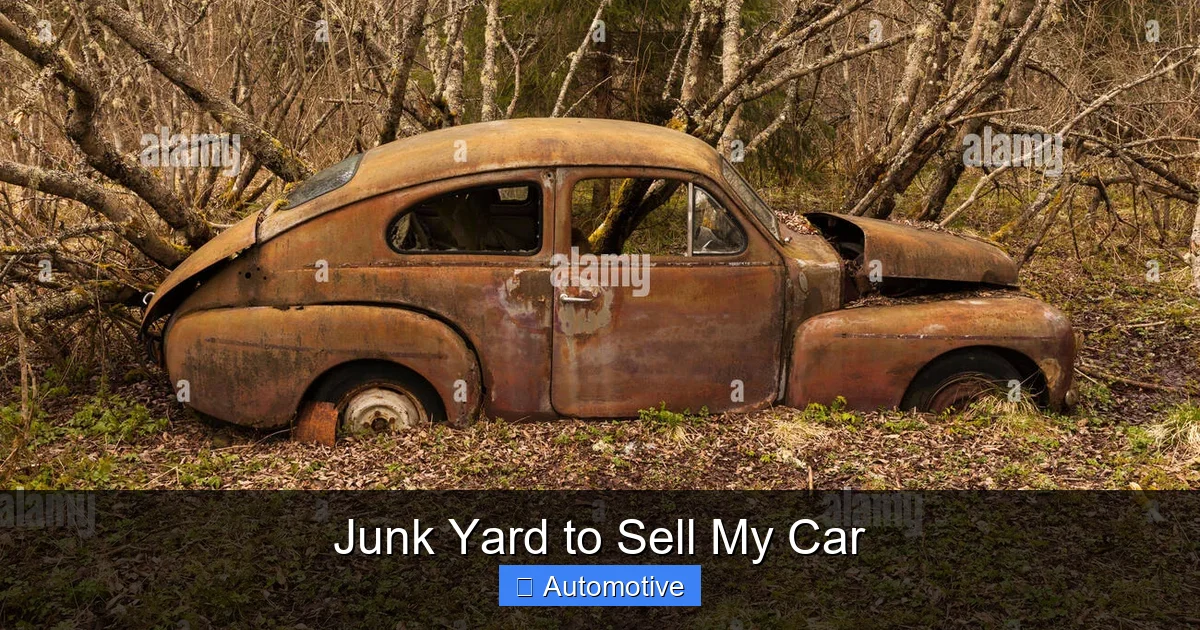
Visual guide about Junk Yard to Sell My Car
Image source: c8.alamy.com
If you’re wondering how much money you can get from a junk yard to sell your car, the answer depends on several factors. Junk yards don’t pay based on the car’s make, model, or original price. Instead, they calculate value using a combination of weight, condition, and current scrap metal prices.
Weight and Scrap Metal Prices
The primary factor in determining your car’s value is its weight. Most junk yards use a per-ton rate, which fluctuates based on the global scrap metal market. As of 2024, the average price for scrap steel ranges from $100 to $200 per ton, depending on location and demand. A typical passenger car weighs between 2,500 and 4,000 pounds (1.25 to 2 tons), so you can expect a base payout of $125 to $400 just for the metal.
For example, a 3,000-pound sedan might be worth around $250 in scrap value alone. But that’s not the whole story. Junk yards also consider the presence of valuable components like catalytic converters, which contain precious metals such as platinum, palladium, and rhodium. A single catalytic converter can be worth $50 to $500 or more, depending on the vehicle and market conditions.
Vehicle Condition and Usable Parts
Even if your car doesn’t run, it may still have parts that can be resold. Junk yards often dismantle vehicles and sell functional components like engines, transmissions, alternators, and even tires. The more usable parts your car has, the higher the offer may be.
For instance, if your car has a working engine or a good transmission, the junk yard might increase their quote by $100 to $300. Similarly, newer vehicles with low mileage or rare parts may fetch a higher price, even if they’re not drivable. Some junk yards specialize in certain makes or models, so it pays to call around.
Location and Demand
Where you live also affects how much you’ll get. Junk yards in urban areas or regions with high scrap demand may offer more competitive prices. Additionally, some yards pay extra for vehicles that are easy to tow or already drained of fluids. If your car is parked on a flat surface and accessible by a tow truck, you might get a better deal.
It’s also worth noting that prices can vary seasonally. Scrap metal prices tend to rise in the spring and summer when construction and manufacturing activity increases. If you’re not in a rush, waiting a few weeks could result in a higher payout.
Steps to Sell Your Car to a Junk Yard
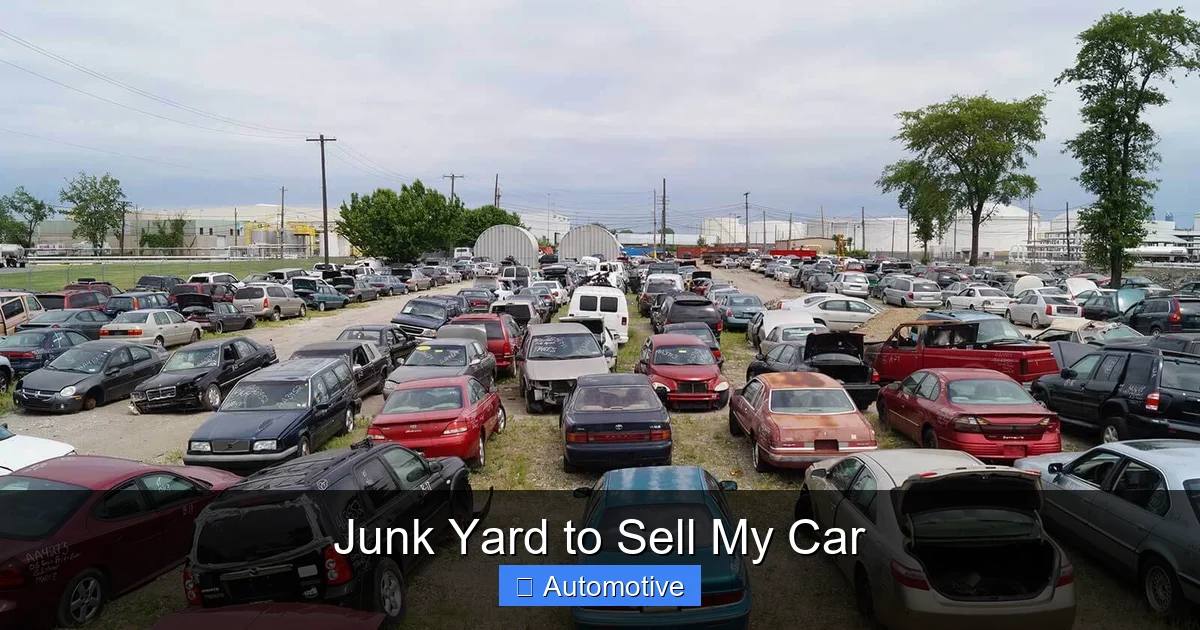
Visual guide about Junk Yard to Sell My Car
Image source: essingtonavenue.com
Selling your car to a junk yard is simpler than you might think. With a little preparation, you can complete the entire process in a day or two. Here’s a step-by-step guide to help you get started.
Step 1: Gather Your Documents
Before contacting any junk yards, make sure you have the necessary paperwork. The most important document is the vehicle title, which proves you own the car. If you’ve lost the title, contact your state’s Department of Motor Vehicles (DMV) to get a replacement—most junk yards won’t accept a car without it.
You’ll also need a valid government-issued ID, such as a driver’s license or passport. Some junk yards may ask for the car’s registration, but this isn’t always required. If your car is financed, you’ll need to pay off the loan or get permission from the lender before selling.
Step 2: Remove Personal Items and License Plates
Go through the car thoroughly and remove all personal belongings. Check the glove compartment, trunk, under the seats, and even the spare tire well. Don’t forget to take out garage door openers, sunglasses, or old receipts.
Next, remove the license plates. In most states, you must return the plates to the DMV or keep them if you plan to register another vehicle. Leaving plates on a junked car can lead to fines or liability if the vehicle is misused.
Step 3: Get Multiple Quotes
Don’t settle for the first offer you receive. Call at least three local junk yards and ask for a quote. Be honest about the car’s condition—mention any damage, missing parts, or mechanical issues. Most yards will ask for the make, model, year, and mileage.
Some junk yards offer online quote tools, but it’s best to speak with a representative directly. This allows you to ask questions and negotiate. If one yard offers $200 and another offers $300, you’ve just saved yourself $100.
Step 4: Schedule a Pickup
Once you’ve chosen a junk yard, schedule a time for them to pick up your car. Many yards offer free towing, especially for non-running vehicles. Make sure the tow truck can access your location—narrow driveways or gated communities may require special arrangements.
On the day of pickup, be present to sign the title and receive payment. Most junk yards pay in cash or cashier’s check. Avoid yards that ask you to pay a fee or sign over the title before pickup—this is a red flag.
Step 5: Complete the Sale and Notify the DMV
After the car is towed away, make sure you receive a receipt or bill of sale. This document confirms the transfer of ownership and protects you from future liability.
Within a few days, notify your state’s DMV that the vehicle has been sold. This step is crucial—failure to report the sale could result in fines or continued registration fees. Some states allow online reporting, while others require a form to be mailed.
Tips to Maximize Your Payout
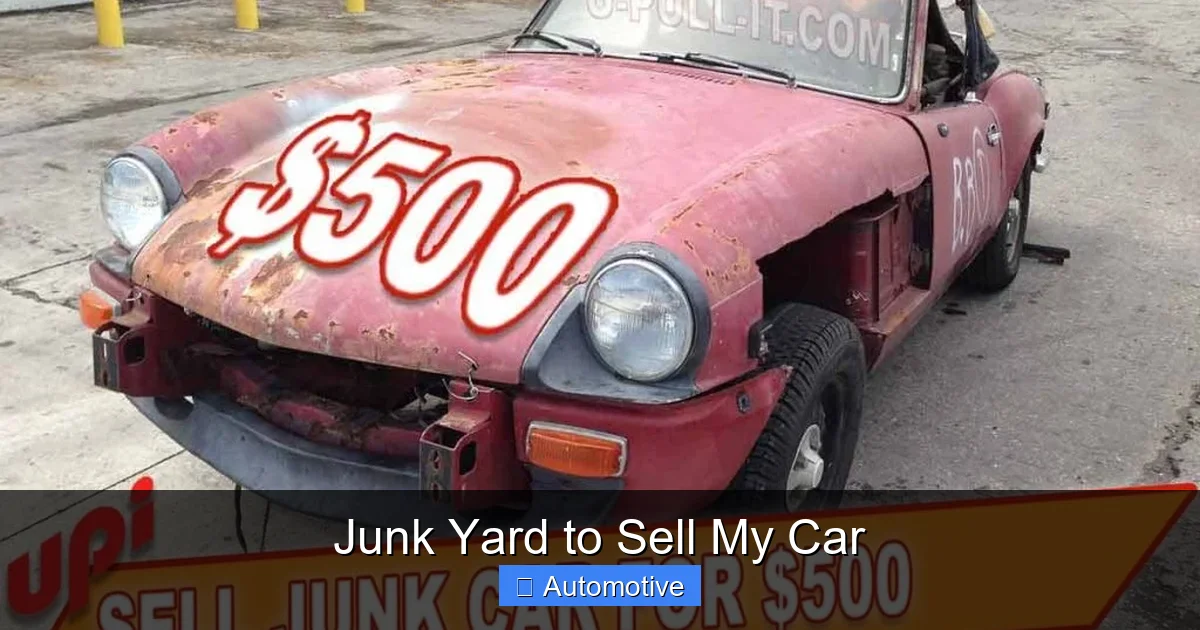
Visual guide about Junk Yard to Sell My Car
Image source: u-pull-it.com
Want to get the most money when you use a junk yard to sell your car? Here are some proven tips to boost your payout.
Negotiate with Confidence
Don’t be afraid to negotiate. If you have quotes from other yards, mention them. Say something like, “I’ve got an offer for $300, but I’d prefer to work with you if you can match it.” Many junk yards will increase their offer to win your business.
Highlight Usable Parts
Point out any parts that still work. For example, “The alternator was replaced last year and works perfectly,” or “The tires have plenty of tread left.” This can add $50 to $150 to your offer.
Drain Fluids (Optional)
Some junk yards pay more if the car is already drained of oil, coolant, and gasoline. This reduces their processing time and environmental risk. However, this step is optional and may not be worth the effort unless the yard offers a significant bonus.
Choose the Right Time
As mentioned earlier, scrap metal prices fluctuate. If you’re not in a hurry, monitor market trends and sell when prices are high. Websites like ScrapMonster or iScrapApp provide real-time pricing data.
Avoid Scams and Shady Buyers
Unfortunately, not all junk yards are reputable. Watch out for buyers who offer unusually high quotes over the phone but pay less at pickup. Also, avoid yards that operate out of unmarked lots or refuse to provide a written quote.
Always check online reviews and verify the yard’s license with your state’s environmental or motor vehicle agency. A legitimate junk yard will be transparent, professional, and willing to answer your questions.
Environmental and Legal Considerations
Selling your car to a junk yard isn’t just about getting cash—it’s also about doing the right thing for the environment and staying compliant with the law.
Environmental Responsibility
Old cars contain hazardous materials like lead-acid batteries, motor oil, transmission fluid, and refrigerants. If these substances leak into the soil or water, they can cause serious environmental damage. Licensed junk yards are required to drain and dispose of these fluids safely.
When you sell to a reputable yard, you’re ensuring that your car is recycled responsibly. Over 95% of a car’s materials can be reused or recycled, including metals, plastics, and glass. This reduces the need for mining and manufacturing, lowering carbon emissions and conserving natural resources.
Legal Requirements
Each state has laws governing the sale of junk vehicles. In most cases, you must sign over the title and notify the DMV within a specified time frame—usually 10 to 30 days. Failure to do so can result in penalties, including fines or suspension of your driver’s license.
Some states also require a “release of liability” form, which officially transfers responsibility for the vehicle to the junk yard. This protects you if the car is later involved in an accident or used illegally.
Always keep a copy of the bill of sale and any DMV paperwork for your records. This documentation can be useful if questions arise later.
Alternatives to Selling to a Junk Yard
While selling to a junk yard is a great option for many, it’s not the only way to get rid of an old car. Depending on your situation, you might consider other alternatives.
Private Sale
If your car still runs and has some value, selling it privately could yield a higher payout. You’ll need to advertise, meet with buyers, and handle the paperwork, but the effort may be worth it. Use platforms like Craigslist, Facebook Marketplace, or Autotrader to reach potential buyers.
Trade-In at a Dealership
If you’re buying a new car, trading in your old one can simplify the process. Dealerships often accept vehicles in any condition, though the offer may be lower than what a junk yard would pay. The trade-in value can be applied toward your new purchase, reducing the overall cost.
Donate to Charity
Donating your car to a nonprofit organization can provide a tax deduction and support a good cause. Many charities offer free towing and handle the paperwork. Just make sure the organization is a registered 501(c)(3) and provides a receipt for your donation.
Part It Out Yourself
If you’re mechanically inclined, you could dismantle the car and sell the parts individually. This requires time, tools, and storage space, but it can be very profitable. Functional parts like engines, transmissions, and electronics often sell for much more than scrap value.
However, this option isn’t for everyone. It’s labor-intensive and may not be worth the effort unless you have experience and access to buyers.
Final Thoughts
Selling your car to a junk yard is a smart, efficient, and eco-friendly way to dispose of a vehicle that’s no longer useful. Whether your car is totaled, non-running, or just too old to keep, a junk yard will take it off your hands and pay you for the materials.
By following the steps in this guide—gathering your documents, getting multiple quotes, and choosing a reputable buyer—you can ensure a smooth and profitable transaction. Remember to remove personal items, return your license plates, and notify the DMV to avoid any legal issues.
And don’t forget to negotiate! With a little effort, you can turn that old clunker into a few hundred dollars in cash. So the next time you’re thinking, “I need a junk yard to sell my car,” you’ll know exactly what to do.
Frequently Asked Questions
How much can I get for my car at a junk yard?
The amount you’ll receive depends on your car’s weight, condition, and current scrap metal prices. Most junk yards pay between $100 and $500, with higher payouts for heavier vehicles or those with valuable parts like catalytic converters.
Do I need a title to sell my car to a junk yard?
Yes, a valid title is required in most states to prove ownership. If you’ve lost the title, contact your local DMV to request a duplicate before selling.
Can I sell a car that doesn’t run?
Absolutely. Most junk yards accept non-running, damaged, or wrecked vehicles. They’ll often provide free towing and pay based on the car’s scrap value and usable parts.
Is it safe to sell my car to a junk yard?
As long as you choose a licensed and reputable junk yard, the process is safe and legal. Always verify the buyer’s credentials, get a written quote, and keep a copy of the bill of sale.
What happens to my car after I sell it to a junk yard?
The car is typically drained of fluids, dismantled for usable parts, and the remaining metal is shredded and recycled. This process helps reduce waste and conserve natural resources.
Can I negotiate the price with a junk yard?
Yes, many junk yards are open to negotiation, especially if you have competing offers or highlight valuable parts. Don’t hesitate to ask for a better deal.