
How to Sell a Car in Connecticut

Selling a car in Connecticut doesn’t have to be complicated. With the right preparation, clear pricing, and proper documentation, you can complete the sale quickly and legally. This guide walks you through every step—from cleaning your car to transferring the title—so you can sell with confidence.
Key Takeaways
- Prepare your vehicle: Clean, repair minor issues, and gather maintenance records to boost buyer confidence and value.
- Price it right: Use tools like Kelley Blue Book or Edmunds to research fair market value based on your car’s condition, mileage, and location.
- Complete required paperwork: You’ll need the title, bill of sale, odometer disclosure, and emissions certificate (if applicable).
- Advertise effectively: Use high-quality photos, write a clear description, and list on trusted platforms like Craigslist, Facebook Marketplace, or Autotrader.
- Meet safely and legally: Choose public meeting spots, verify payment, and notify the DMV within 30 days of sale.
- Avoid common pitfalls: Don’t skip inspections, ignore title issues, or accept risky payment methods like personal checks.
- Consider selling to a dealer or online buyer: For a faster, hassle-free option, explore trade-ins or companies like CarMax or Carvana.
📑 Table of Contents
- How to Sell a Car in Connecticut: A Complete Step-by-Step Guide
- Step 1: Prepare Your Vehicle for Sale
- Step 2: Determine the Right Price
- Step 3: Gather Required Paperwork
- Step 4: Advertise Your Car Effectively
- Step 5: Meet Buyers Safely and Complete the Sale
- Alternative Selling Options
- Avoid Common Mistakes
- Final Thoughts
How to Sell a Car in Connecticut: A Complete Step-by-Step Guide
So, you’ve decided it’s time to sell your car in Connecticut. Maybe you’re upgrading to something newer, downsizing, or just ready for a change. Whatever the reason, selling a vehicle can feel overwhelming—especially when you’re not sure where to start. But don’t worry. With the right approach, selling your car can be straightforward, safe, and even profitable.
Connecticut has specific rules and requirements for private car sales, and understanding them upfront can save you time, money, and headaches down the road. From preparing your vehicle to transferring ownership legally, every step matters. This guide will walk you through the entire process, whether you’re selling to a private buyer, trading in at a dealership, or using an online car-buying service.
We’ll cover everything you need to know: how to price your car fairly, what paperwork is required, where to advertise, how to meet buyers safely, and how to finalize the sale without breaking any laws. By the end, you’ll feel confident and ready to sell your car in Connecticut the right way.
Step 1: Prepare Your Vehicle for Sale
Visual guide about How to Sell a Car in Connecticut
Image source: policecararchives.org
Before you even think about listing your car, take the time to get it ready. First impressions matter—especially when selling a used vehicle. A clean, well-maintained car not only attracts more buyers but can also help you command a higher price.
Clean It Inside and Out
Start with a thorough cleaning. Wash the exterior, wax it if possible, and clean the wheels and tires. Don’t forget the windows—both inside and out. A sparkling exterior shows you’ve taken care of the car.
Inside, vacuum the seats, carpets, and floor mats. Wipe down surfaces like the dashboard, door panels, and center console. Remove any personal items, trash, or clutter. If your car has odors—like smoke or pet smells—consider using an odor eliminator or having it professionally detailed.
A clean car signals to buyers that it’s been well cared for. It’s a small investment that can pay off big in terms of buyer interest and final sale price.
Address Minor Repairs and Maintenance
You don’t need to overhaul the engine, but fixing small issues can make a big difference. Replace burnt-out light bulbs, fix cracked windshields, and top off fluids. If the tires are worn or the brakes are noisy, consider getting them checked—safety concerns can scare off buyers.
Gather your maintenance records. If you’ve kept receipts for oil changes, tire rotations, or major repairs, include them in a folder. This builds trust and shows the car has been properly maintained.
Take High-Quality Photos
Great photos are essential for online listings. Take pictures in natural daylight, from multiple angles: front, back, sides, interior, trunk, and engine bay. Capture any flaws honestly—this builds credibility and reduces the chance of disputes later.
Avoid cluttered backgrounds. A clean, neutral setting makes your car stand out. If possible, stage the car in a driveway or quiet street.
Step 2: Determine the Right Price
Visual guide about How to Sell a Car in Connecticut
Image source: cashforcars.com
Pricing your car correctly is one of the most important steps in the selling process. Overprice it, and it may sit on the market for months. Underprice it, and you lose money unnecessarily.
Research Market Value
Use trusted pricing tools like Kelley Blue Book (KBB), Edmunds, or NADA Guides. Enter your car’s make, model, year, mileage, condition, and features. These tools will give you a range based on private party sales in your area.
For example, a 2018 Honda Civic with 60,000 miles in good condition might be worth $16,000–$18,000 in Connecticut. But if it has high mileage or needs repairs, the value drops.
Compare Similar Listings
Look at active listings for similar cars on Craigslist, Facebook Marketplace, or Autotrader. Note the prices, but also consider differences in condition, mileage, and extras like sunroofs or upgraded sound systems.
If most comparable cars are listed at $17,500, pricing yours at $18,500 might be too high—unless it’s in exceptional condition.
Adjust for Condition and Extras
Be honest about your car’s condition. If it’s in excellent shape with low mileage and recent repairs, you can price it at the higher end. If it has wear and tear, price it lower to attract buyers.
Include any valuable extras in your description—like new tires, a backup camera, or a premium audio system—but don’t inflate the price too much. Buyers expect fair value.
Step 3: Gather Required Paperwork
Visual guide about How to Sell a Car in Connecticut
Image source: cashforcars.com
Selling a car in Connecticut requires specific documents. Having them ready speeds up the process and ensures a legal transfer.
Vehicle Title
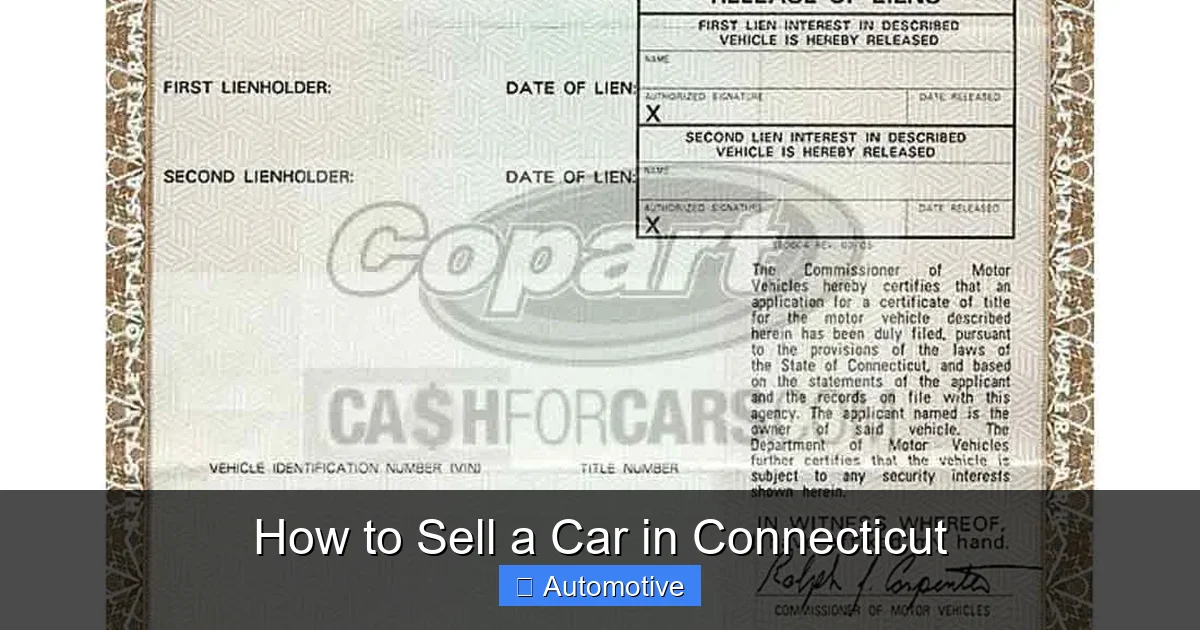
The title is the most important document. It proves you own the car and have the right to sell it. Make sure your name is listed as the owner. If you’re still making payments, you’ll need to pay off the loan first—the lender holds the title until the balance is cleared.
If the title is lost, you can request a duplicate from the Connecticut DMV. Fill out Form Q-1, provide ID and proof of ownership, and pay a small fee.
Bill of Sale
Connecticut doesn’t require a bill of sale by law, but it’s highly recommended. It protects both you and the buyer by documenting the sale details.
Include:
– Seller and buyer names and addresses
– Vehicle make, model, year, and VIN
– Sale price
– Date of sale
– Odometer reading
You can find free bill of sale templates online or use the DMV’s form. Both parties should sign it.
Odometer Disclosure Statement
Federal law requires an odometer disclosure for vehicles under 10 years old. This confirms the mileage at the time of sale. Include it on the title or as a separate form.
If the odometer is broken or the mileage is unknown, note that clearly. Misrepresenting mileage can lead to legal trouble.
Emissions Certificate (If Required)
In Connecticut, most vehicles must pass an emissions test every two years. If your car is due for inspection soon, it’s best to get it done before selling.
Some buyers may require a valid emissions certificate. Check the DMV website to see if your vehicle type and location require testing.
Release of Liability Form
After the sale, you must notify the DMV that you’re no longer responsible for the vehicle. Fill out the Release of Liability section on the back of the title or submit Form H-22 online.
This protects you if the buyer gets a ticket or causes an accident before transferring the title.
Step 4: Advertise Your Car Effectively
Now that your car is ready and priced, it’s time to find a buyer. The way you advertise can make or break your sale.
Choose the Right Platforms
Popular options include:
– **Facebook Marketplace**: Free, easy to use, and reaches local buyers quickly.
– **Craigslist**: Great for local sales, but be cautious of scams.
– **Autotrader or Cars.com**: Ideal for serious buyers, but may charge listing fees.
– **Local classifieds or community boards**: Good for older or budget cars.
Each platform has pros and cons. Facebook Marketplace is user-friendly and free, while Autotrader attracts more serious buyers but may cost $20–$50 to list.
Write a Clear, Honest Description
Your ad should be detailed and transparent. Include:
– Year, make, model, and trim
– Mileage
– Condition (excellent, good, fair)
– Key features (sunroof, AWD, navigation, etc.)
– Recent repairs or maintenance
– Reason for selling
Avoid vague terms like “runs great” or “must see.” Instead, say, “New brakes and tires installed in March 2024” or “Only 45,000 miles, single owner, no accidents.”
Mention any flaws honestly. Saying “small dent on rear bumper” builds trust and reduces the chance of disputes.
Set a Fair Price and Be Open to Negotiation
Price your car competitively, but leave a little room for negotiation. Most buyers expect to haggle. If you price it at $17,000, be prepared to accept $16,500.
Respond to inquiries promptly and professionally. Answer questions honestly and offer to schedule a test drive.
Step 5: Meet Buyers Safely and Complete the Sale
Once you have interested buyers, it’s time to meet and finalize the sale. Safety and legality are top priorities.
Choose a Safe Meeting Location
Always meet in a public place—like a police station parking lot, mall, or busy shopping center. Avoid meeting at your home or late at night.
Bring a friend if possible, and let someone know where you’re going and when you’ll return.
Allow a Test Drive (With Caution)
Most buyers want to test drive the car. To protect yourself:
– Verify the buyer’s driver’s license
– Ride along or have a friend accompany them
– Don’t leave your car unattended
Some sellers ask for a deposit or copy of ID before the test drive. Use your judgment.
Accept Secure Payment
Avoid cash for high-value sales—it’s risky and hard to trace. Safer options include:
– **Cashier’s check**: Verify it’s real at the bank before handing over the car.
– **Bank transfer**: Direct deposit is secure and instant.
– **Escrow service**: For high-value cars, use a trusted third party.
Never accept personal checks—they can bounce.
Complete the Paperwork Together
At the time of sale:
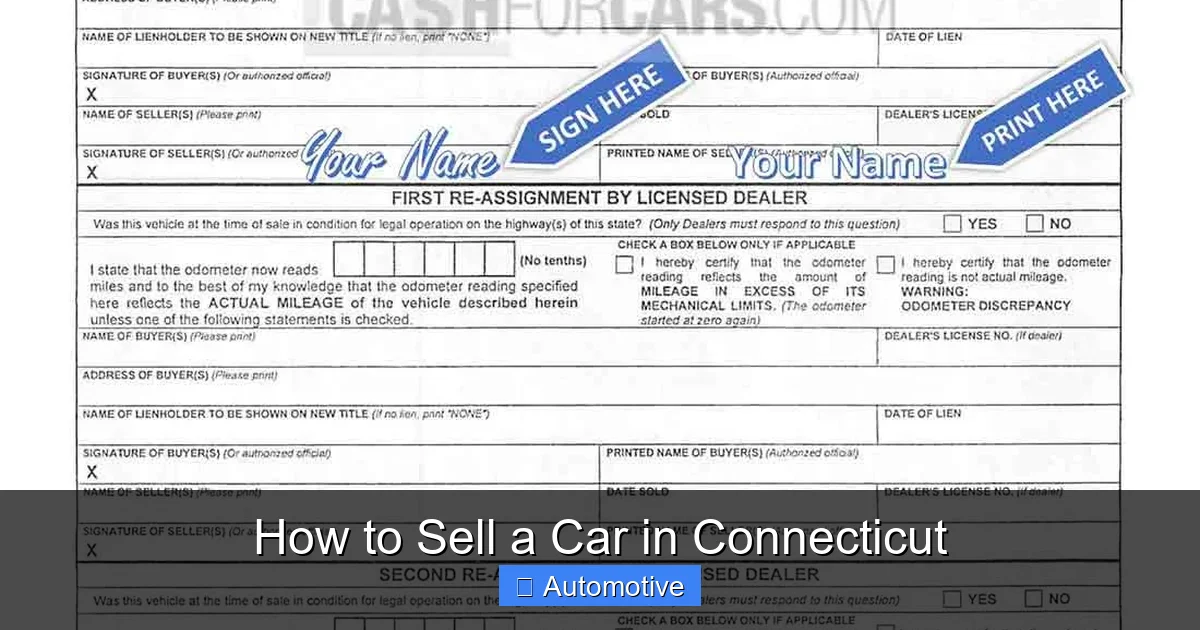
– Sign the title over to the buyer (fill in buyer’s name, sale price, and date)
– Complete the bill of sale
– Provide the odometer disclosure
– Give the buyer the keys, owner’s manual, and any extra items
Make copies of all documents for your records.
Notify the DMV
Within 30 days of the sale, submit the Release of Liability form to the Connecticut DMV. You can do this online, by mail, or in person.
This step is crucial—it removes your responsibility for the vehicle.
Alternative Selling Options
If you’d rather skip the hassle of private sales, consider these alternatives.
Sell to a Dealership
Trading in your car at a dealership is convenient. They handle the paperwork, and you can apply the value toward a new purchase.
However, trade-in offers are usually lower than private sale prices. Dealers need to make a profit when they resell.
Get quotes from multiple dealers to compare.
Sell to an Online Car Buyer
Companies like CarMax, Carvana, and Vroom offer quick, no-hassle sales. You get an online quote, schedule a pickup or drop-off, and receive payment—often within a day.
These services are great if you want speed and convenience, but you may get less money than selling privately.
Use a Consignment Service
Some dealers or specialty shops will sell your car for you for a fee. They handle advertising, showings, and paperwork.
This option works well for classic or high-end cars but comes with a commission (usually 10–15%).
Avoid Common Mistakes
Even experienced sellers make errors. Here’s how to avoid them.
Don’t Skip the Title Transfer
Failing to properly transfer the title can leave you liable for tickets, tolls, or accidents. Always complete the transfer and notify the DMV.
Don’t Ignore Emissions Requirements
If your car needs an emissions test, get it done before selling. Some buyers won’t purchase without a valid certificate.
Don’t Accept Risky Payments
Avoid personal checks, wire transfers from unknown sources, or cash for large amounts. Use secure, traceable methods.
Don’t Rush the Process
Take your time to prepare, price, and advertise. A rushed sale can lead to mistakes or lower offers.
Final Thoughts
Selling a car in Connecticut doesn’t have to be stressful. With careful preparation, honest pricing, and attention to legal details, you can sell your vehicle quickly and safely.
Start by cleaning and repairing your car, then research a fair price. Gather all required paperwork—title, bill of sale, odometer disclosure—and advertise on trusted platforms. When meeting buyers, prioritize safety and use secure payment methods. Finally, complete the transfer and notify the DMV.
Whether you sell privately or use a dealer or online service, the key is to stay informed and organized. Follow this guide, and you’ll be driving away with cash in hand—and peace of mind.
Frequently Asked Questions
Do I need a bill of sale to sell a car in Connecticut?
While not legally required, a bill of sale is strongly recommended. It documents the sale details and protects both the buyer and seller in case of disputes.
How long do I have to notify the DMV after selling my car?
You must submit a Release of Liability form to the Connecticut DMV within 30 days of the sale. This can be done online, by mail, or in person.
Can I sell my car if I still owe money on it?
No, you cannot sell a car with an outstanding loan unless the lender releases the title. Pay off the loan first, or have the buyer pay the lender directly at closing.
Does my car need an emissions test to be sold in Connecticut?
Most vehicles in Connecticut require an emissions test every two years. If your car is due, it’s best to complete the test before selling to avoid complications.
What happens if I lose my car title?
You can request a duplicate title from the Connecticut DMV by filling out Form Q-1, providing ID and proof of ownership, and paying a small fee.
Is it safe to sell my car online?
Yes, if you take precautions. Use trusted platforms, meet in public places, verify payment, and avoid sharing personal information. Always bring a friend if possible.