
How to Sell a Car in Montana

Selling a car in Montana doesn’t have to be complicated. With the right preparation, pricing, and paperwork, you can complete the process quickly and legally. This guide walks you through every step—from cleaning your vehicle to finalizing the sale—so you get the best deal with minimal hassle.
Key Takeaways
- Understand Montana’s title transfer rules: Montana requires a signed title, odometer disclosure, and bill of sale for most private vehicle sales.
- Price your car competitively: Use tools like Kelley Blue Book or Edmunds to research fair market value based on your car’s condition, mileage, and location.
- Prepare your vehicle for sale: Clean it inside and out, fix minor issues, and gather maintenance records to boost buyer confidence.
- Advertise effectively: Use online platforms like Craigslist, Facebook Marketplace, or Autotrader to reach local buyers in cities like Billings, Missoula, or Bozeman.
- Meet safely and complete the transaction legally: Choose a public meeting spot, accept secure payment methods, and ensure all paperwork is signed correctly.
- Avoid common pitfalls: Don’t skip the bill of sale, ignore smog checks (if applicable), or rush the title transfer process.
- Consider selling to a dealer or online buyer: If you want a fast sale, companies like CarMax or Carvana offer quick quotes and hassle-free pickups.
📑 Table of Contents
- How to Sell a Car in Montana: A Complete Step-by-Step Guide
- Step 1: Prepare Your Vehicle for Sale
- Step 2: Determine the Right Price
- Step 3: Gather the Necessary Paperwork
- Step 4: Advertise Your Car Effectively
- Step 5: Meet Safely and Complete the Sale
- Alternative Ways to Sell Your Car in Montana
- Common Mistakes to Avoid
- Final Thoughts
How to Sell a Car in Montana: A Complete Step-by-Step Guide
So, you’ve decided it’s time to part ways with your car. Maybe you’re upgrading to something newer, downsizing, or just ready for a change. Whatever the reason, selling a car in Montana can be straightforward—if you know what you’re doing. The good news? Montana has relatively simple vehicle sale laws compared to some other states. But that doesn’t mean you can skip the details.
Whether you’re in Missoula, Great Falls, or a rural area near Glacier National Park, the process remains largely the same. From preparing your vehicle to finalizing the paperwork, every step matters. A smooth sale means more money in your pocket and fewer headaches down the road. And let’s be honest—no one wants to deal with a buyer who shows up with cash and a confusing title form.
In this guide, we’ll walk you through everything you need to know to sell your car in Montana successfully. We’ll cover pricing, advertising, safety, legal requirements, and even alternative selling options. By the end, you’ll feel confident and ready to hand over the keys—legally and profitably.
Step 1: Prepare Your Vehicle for Sale
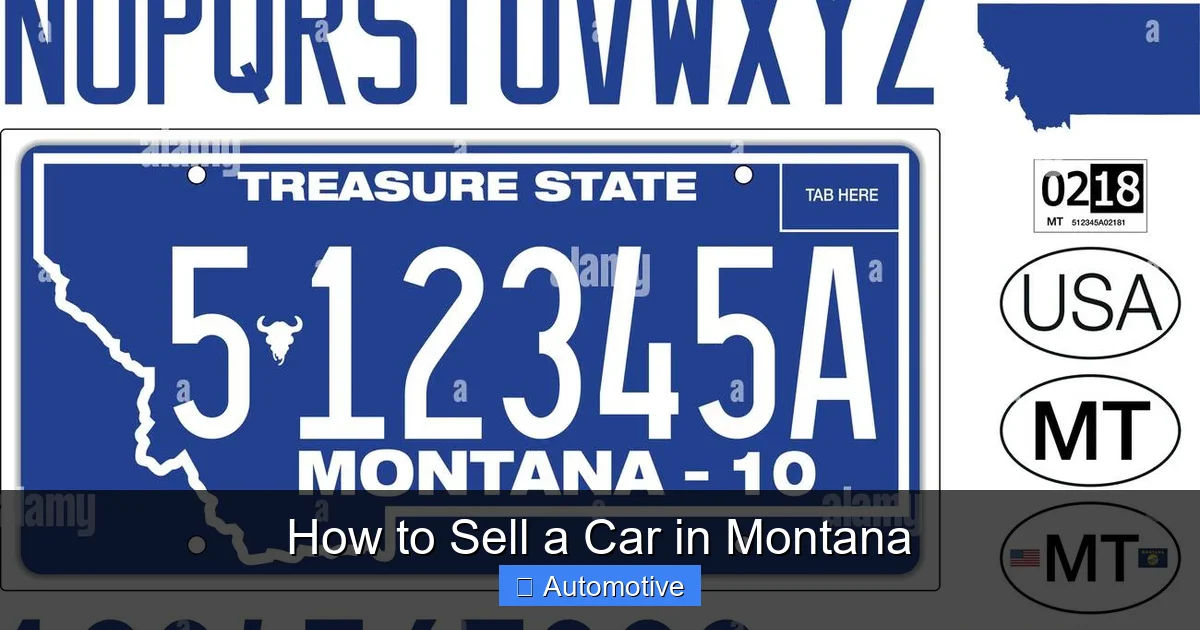
Visual guide about How to Sell a Car in Montana
Image source: c8.alamy.com
Before you even think about listing your car, take the time to get it ready. First impressions matter, especially when you’re trying to sell a used vehicle. A clean, well-maintained car not only looks better but also suggests to buyers that it’s been cared for.
Clean Inside and Out
Start with a thorough wash. Dirt, grime, and road salt (especially in winter months) can make your car look older than it is. Don’t forget the wheels, windows, and under the hood. A professional detailing job can cost $100–$200, but even a DIY wash and wax can make a big difference.
Inside, vacuum the carpets, wipe down surfaces, and remove any personal items. Stains on seats or odors from pets or smoking can turn buyers away. Consider using an odor eliminator or air freshener, but avoid masking smells—buyers will notice.
Address Minor Repairs
You don’t need to rebuild the engine, but fixing small issues can increase your car’s value. Replace burnt-out headlights, fix a cracked windshield, or patch up torn upholstery. A $50 repair could mean $500 more in your pocket.
If your car has mechanical issues, be honest about them. Disclose any known problems in your listing. Buyers appreciate transparency, and it helps avoid disputes later.
Gather Maintenance Records
Keep a folder with receipts for oil changes, brake jobs, tire replacements, and other services. These records show that your car has been well-maintained and can justify a higher asking price. If you don’t have them, check with your mechanic or use apps like CarFax or AutoCare to track service history.
Take High-Quality Photos
Good photos are essential for online listings. Shoot in natural light, preferably during the day. Take pictures from multiple angles: front, back, sides, interior, dashboard, and engine bay. Highlight any special features like a sunroof, upgraded stereo, or all-wheel drive.
Avoid cluttered backgrounds. A clean, neutral setting makes your car stand out. If possible, stage the car in a driveway or quiet street.
Step 2: Determine the Right Price
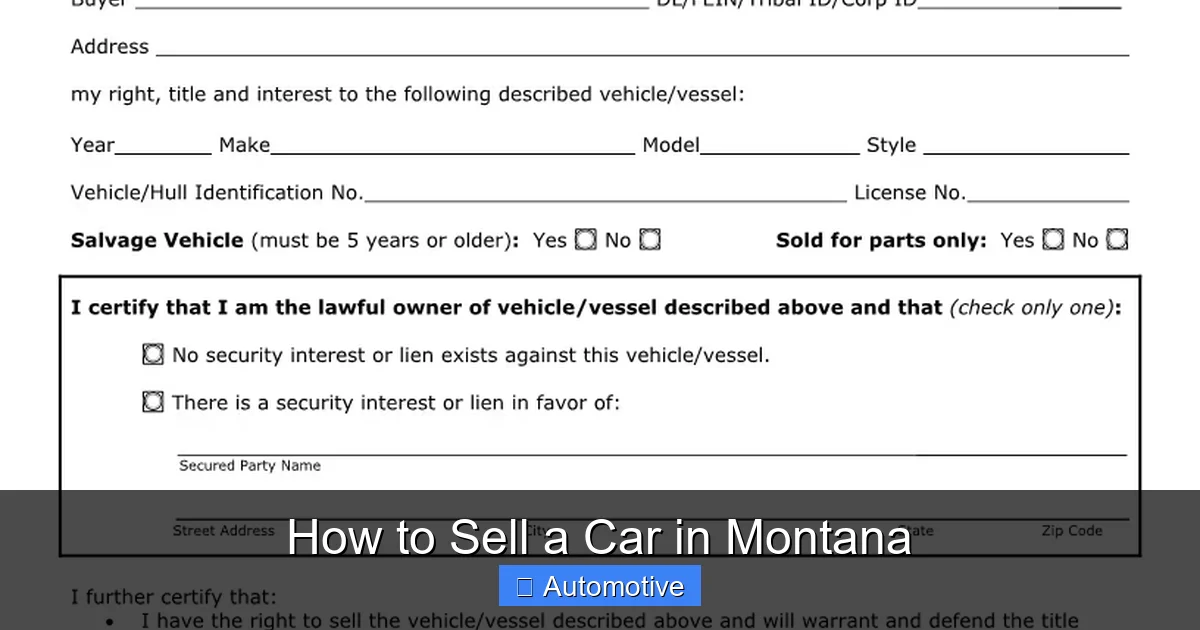
Visual guide about How to Sell a Car in Montana
Image source: printablebillofsale.org
Pricing your car correctly is one of the most important steps in the selling process. Overprice it, and it’ll sit on the market for months. Underprice it, and you lose money. The goal is to find that sweet spot where your car is attractive to buyers but still reflects its true value.
Research Market Value
Start by checking pricing guides like Kelley Blue Book (KBB), Edmunds, or NADA Guides. Enter your car’s make, model, year, mileage, condition, and location. These tools give you a range—private party value, trade-in value, and dealer retail.
For example, a 2018 Honda CR-V with 60,000 miles in good condition might be worth $18,000–$20,000 privately in Montana. But if it’s in excellent condition with low mileage and a clean history, you could ask $21,000.
Compare Similar Listings
Look at active listings on Craigslist, Facebook Marketplace, and Autotrader. Search for cars like yours in Montana—same make, model, year, and mileage. Note the asking prices and how long they’ve been listed.
If similar cars are priced at $19,500 and have been up for weeks, you might want to price yours at $19,000 to attract quicker interest. On the other hand, if yours has lower mileage or extra features, you can justify a higher price.
Adjust for Condition and Extras
Be honest about your car’s condition. If it has wear and tear, dents, or mechanical issues, price it accordingly. But if it’s in excellent shape with upgrades like new tires, a backup camera, or a premium sound system, you can bump up the price.
Also, consider Montana’s market. Rural areas may have fewer buyers, so you might need to price slightly lower to compete. In cities like Billings or Bozeman, demand can be higher, especially for trucks and SUVs.
Set a Realistic Asking Price
Once you’ve done your research, set a price that’s competitive but leaves room for negotiation. Most buyers expect to haggle, so pricing 5–10% above your target can give you flexibility.
For example, if you want $18,500, list it at $19,500. That way, you can negotiate down to $18,500 and still feel good about the deal.
Step 3: Gather the Necessary Paperwork
Visual guide about How to Sell a Car in Montana
Image source: thedrive.com
Montana has specific requirements for selling a car, and missing a document can delay or even cancel the sale. Make sure you have everything ready before meeting with a buyer.
Vehicle Title
The title is the most important document. It proves you own the car and must be signed over to the buyer. In Montana, the title must include:
– Your name and address (seller)
– Buyer’s name and address
– Vehicle identification number (VIN)
– Odometer reading
– Sale price
– Date of sale
– Signatures of both parties
If your title is lost, you’ll need to apply for a duplicate from the Montana Department of Motor Vehicles (DMV). This can take a few weeks, so start early.
Bill of Sale
While not always required, a bill of sale is highly recommended. It acts as a legal record of the transaction and protects both parties. Montana doesn’t have a standard form, but you can find free templates online.
Include:
– Names and addresses of buyer and seller
– Vehicle details (make, model, year, VIN)
– Sale price
– Date of sale
– Odometer reading
– Signatures
Some buyers may request a notarized bill of sale, especially for higher-value vehicles. Check with your local DMV if you’re unsure.
Odometer Disclosure
Federal law requires an odometer disclosure for vehicles under 10 years old. This must be completed on the title or a separate form. You’ll need to certify the mileage is accurate or explain if it’s not (e.g., “exceeds mechanical limits”).
Release of Liability
After the sale, you should file a release of liability with the Montana DMV. This protects you from tickets, tolls, or accidents the buyer might cause after the sale. You can submit this online or by mail.
Smog and Emissions (If Applicable)
Good news: Montana does not require smog checks for most vehicles. Only certain counties (like Missoula) may have emissions testing for newer cars. Check with your local DMV to confirm.
If your car is registered in a county that requires testing, you’ll need a valid smog certificate before selling.
Step 4: Advertise Your Car Effectively
Now that your car is ready and priced, it’s time to find a buyer. The key is to reach the right audience with a clear, honest listing.
Choose the Right Platforms
Popular options in Montana include:
– **Craigslist**: Great for local buyers. Free to post, but be cautious of scams.
– **Facebook Marketplace**: Easy to use and integrates with your social network. You can target buyers in your area.
– **Autotrader**: Ideal for serious buyers. Listing fees apply, but it attracts more qualified leads.
– **Cars.com**: Another paid platform with a large audience.
– **Local classifieds**: Check newspapers or community boards in towns like Helena or Kalispell.
For rural sellers, Facebook groups (like “Montana Cars for Sale”) can be especially effective.
Write a Compelling Ad
Your listing should be clear, honest, and detailed. Include:
– Year, make, model, and trim
– Mileage
– Condition (excellent, good, fair)
– Key features (AWD, sunroof, backup camera, etc.)
– Reason for selling
– Price
– Contact info (phone or email)
Avoid vague terms like “runs great” or “must see.” Instead, say, “New brakes and tires installed last month” or “Only 45,000 miles—well-maintained with full service records.”
Be Honest About Flaws
Disclose any issues upfront. If the AC doesn’t work or there’s a dent on the door, mention it. Buyers will find out eventually, and honesty builds trust.
Respond Promptly
Check your messages daily. Serious buyers often move quickly. If you wait too long to reply, they may move on to another car.
Screen Potential Buyers
Ask questions to filter out tire-kickers. “Are you looking to buy this week?” or “Do you have financing ready?” can help identify serious buyers.
Be wary of buyers who want to pay with a cashier’s check from another state or ask you to ship the car. These are common scam tactics.
Step 5: Meet Safely and Complete the Sale
When a buyer is ready to purchase, it’s time to meet. Safety and legality are top priorities.
Choose a Safe Meeting Place
Meet in a public, well-lit area during daylight hours. Police stations often have designated “safe exchange zones” with cameras. Avoid meeting at your home or late at night.
Bring a Friend
If possible, bring someone with you. There’s safety in numbers, and they can help inspect the car or handle paperwork.
Inspect the Buyer’s Payment
Accept secure payment methods:
– **Cash**: Count it in front of the buyer. Bring a counterfeit detector pen if possible.
– **Cashier’s check**: Verify it’s from a local bank and made out to you. Be cautious of out-of-state checks.
– **Bank transfer**: Use a verified service like Zelle or wire transfer. Avoid personal checks.
Never release the car until payment is confirmed.
Complete the Paperwork
At the meeting, both parties should sign the title and bill of sale. Make sure all fields are filled out correctly. The buyer will need the title to register the car in their name.
Provide the buyer with:
– Signed title
– Bill of sale
– Odometer disclosure (if required)
– Maintenance records (optional but helpful)
Remove License Plates
In Montana, license plates stay with the seller. Remove them before handing over the car. You can reuse them on another vehicle or return them to the DMV.
Notify the DMV
Within 10 days of the sale, submit a release of liability to the Montana DMV. This can be done online at the Montana Motor Vehicle Division website. Include the buyer’s name, sale date, and VIN.
Alternative Ways to Sell Your Car in Montana
If you want a faster or easier sale, consider alternatives to private selling.
Sell to a Dealer
Dealerships like CarMax, Carvana, or local Montana dealers will buy your car outright. The process is quick—usually same-day—but you’ll likely get less than a private sale.
Pros: Fast, no advertising, no meeting strangers.
Cons: Lower offer, may require trade-in.
Online Car Buyers
Companies like Vroom, Shift, or Carvana offer online quotes based on photos and info. They’ll pick up the car and pay you electronically.
Pros: Convenient, no test drives.
Cons: Offers may be lower, limited service in rural areas.
Auction Your Car
Some Montana auction houses accept private vehicles. This can work well for classic cars or trucks in high demand.
Pros: Competitive bidding, quick sale.
Cons: Fees, uncertain final price.
Common Mistakes to Avoid
Even experienced sellers make errors. Here’s what to watch out for:
– **Skipping the bill of sale**: Always use one—it’s your legal protection.
– **Not disclosing issues**: Hiding problems can lead to disputes or lawsuits.
– **Accepting risky payments**: Avoid personal checks or wire transfers from unknown sources.
– **Forgetting to remove plates**: Keep your plates to avoid liability.
– **Not filing release of liability**: This step is critical to protect yourself.
Final Thoughts
Selling a car in Montana doesn’t have to be stressful. With the right preparation, pricing, and paperwork, you can complete the process smoothly and legally. Whether you’re in a bustling city or a quiet mountain town, the key is to be honest, organized, and safe.
Take the time to clean your car, research its value, and advertise effectively. Meet buyers in safe locations, use secure payment methods, and always complete the paperwork correctly. And don’t forget to notify the DMV after the sale.
By following this guide, you’ll not only sell your car faster but also get a fair price—and peace of mind.
Frequently Asked Questions
Do I need a bill of sale to sell a car in Montana?
While not legally required, a bill of sale is highly recommended. It protects both buyer and seller by documenting the sale details, including price, date, and vehicle information.
Can I sell my car in Montana if I still owe money on it?
Yes, but you’ll need to pay off the loan first or arrange for the buyer to assume it. Most private buyers won’t take on an existing loan, so you’ll likely need to settle the balance before transferring the title.
How long does it take to sell a car in Montana?
It varies, but most cars sell within 2–6 weeks if priced correctly and advertised well. In high-demand areas like Bozeman or Missoula, sales can happen in days.
Do I need to provide a warranty when selling a car in Montana?
No, private sellers in Montana are not required to offer a warranty. Most sales are “as-is,” meaning the buyer accepts the car in its current condition.
What happens if the buyer doesn’t register the car?
Once you file a release of liability with the Montana DMV, you’re no longer responsible for the vehicle. However, it’s a good idea to follow up if the buyer doesn’t register it within a few weeks.
Can I sell a car without a title in Montana?
No, you must have a valid title to sell a car. If yours is lost or damaged, apply for a duplicate from the Montana DMV before listing the vehicle.