
Is It Illegal to Sell Used Car Seats

Selling used car seats isn’t illegal in most places, but it comes with serious safety and legal risks. Many experts strongly advise against it due to hidden damage, expired safety standards, and liability concerns. Always check local laws and prioritize child safety over cost savings.
Key Takeaways
- Legality varies by location: While not outright illegal in most U.S. states, some jurisdictions have restrictions or guidelines on selling used car seats.
- Safety risks are high: Used car seats may have unseen damage from accidents, wear and tear, or expired components that compromise protection.
- Expiration dates matter: Most car seats expire 6–10 years after manufacture due to material degradation and evolving safety standards.
- Liability concerns exist: Sellers could face legal consequences if a child is injured in a used seat they sold, especially if defects were undisclosed.
- Manufacturer warranties don’t transfer: Buying used means losing access to recalls, customer support, and replacement parts.
- Certified pre-owned options are safer: Some organizations offer inspected, sanitized, and recertified used seats—consider these over private sales.
- When in doubt, don’t sell or buy: If you’re unsure about a seat’s history or condition, it’s better to avoid the transaction entirely.
📑 Table of Contents
- Is It Illegal to Sell Used Car Seats? Understanding the Legal and Safety Landscape
- Federal and State Laws: What the Rules Say
- The Hidden Dangers of Used Car Seats
- Liability and Legal Risks for Sellers
- When Is It Safe to Buy or Sell a Used Car Seat?
- Certified Pre-Owned and Recertified Options
- Alternatives to Selling or Buying Used
- The Bottom Line: Safety Over Savings
Is It Illegal to Sell Used Car Seats? Understanding the Legal and Safety Landscape
If you’ve ever cleaned out your garage or prepared for a new baby, you’ve probably wondered: *Can I sell my old car seat?* After all, it looks fine—no visible cracks, the straps aren’t frayed, and it’s only been used for one child. But before you list it on Facebook Marketplace or Craigslist, it’s crucial to understand the legal, ethical, and safety implications of selling used car seats.
The short answer? **It’s generally not illegal to sell a used car seat in the United States**, but that doesn’t mean it’s safe—or smart. Laws vary by state, and while no federal law bans the sale of secondhand car seats outright, several states have introduced regulations or strong recommendations against it. More importantly, safety experts, pediatricians, and organizations like the National Highway Traffic Safety Administration (NHTSA) consistently warn against buying or selling used car seats unless you have full knowledge of the seat’s history.
This article will walk you through everything you need to know about the legality, risks, and best practices surrounding used car seats. Whether you’re a parent looking to recoup some costs or someone searching for a budget-friendly option, understanding the full picture can help you make a safer, more informed decision.
Federal and State Laws: What the Rules Say
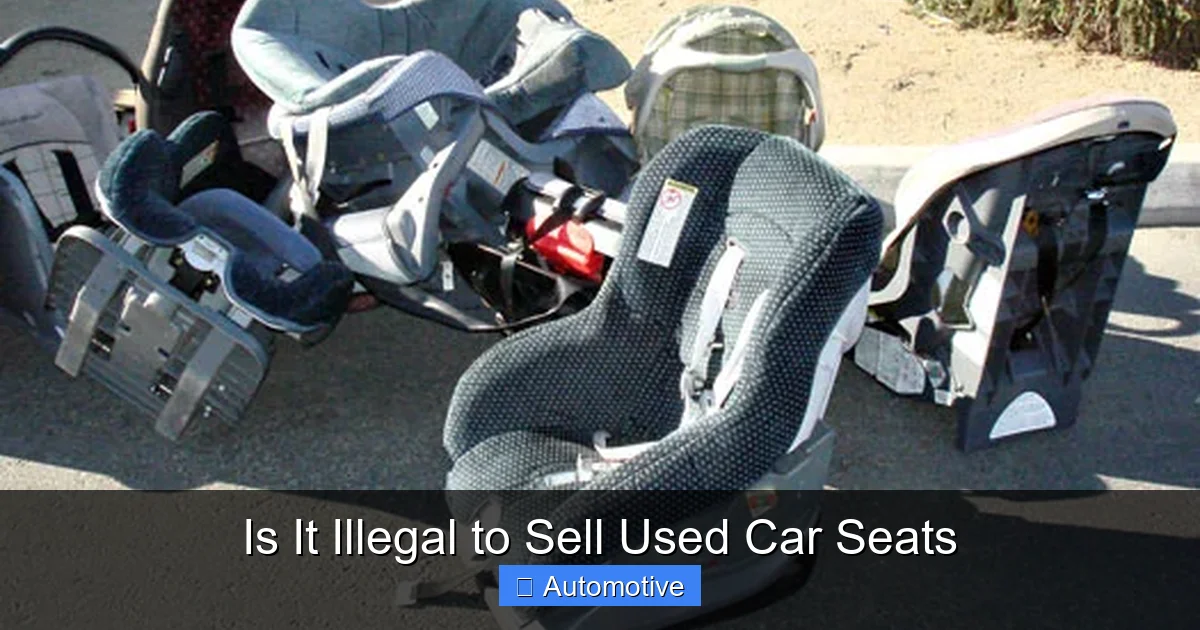
Visual guide about Is It Illegal to Sell Used Car Seats
Image source: carseatblog.com
At the federal level, there is **no law prohibiting the sale of used car seats** in the United States. The NHTSA sets safety standards for new car seats, but it doesn’t regulate the resale market. That said, the agency strongly discourages the practice, especially when the seat’s history is unknown.
However, some states have taken matters into their own hands. For example:
– **California** requires that any used car seat sold must not be expired, recalled, or involved in a crash. Sellers must provide documentation proving the seat meets these criteria.
– **New York** has proposed legislation to ban the sale of used car seats altogether, though as of 2024, it has not been enacted.
– **Texas** and **Florida** have no specific laws against selling used seats, but both states emphasize consumer awareness and recommend against purchasing secondhand unless thoroughly inspected.
Even in states without explicit bans, **retailers like Walmart, Target, and Amazon have policies against selling used car seats** on their platforms. This reflects growing concern over liability and child safety.
Why Laws Are Catching Up
The push for regulation stems from real-world incidents. In 2018, a study by the nonprofit organization Safe Kids Worldwide found that **nearly 60% of used car seats sold online had been in a crash, were expired, or had missing parts**. These are critical red flags that can turn a seemingly safe seat into a dangerous one.
Additionally, car seats are designed to withstand only **one moderate to severe crash**. After that, internal components—like the plastic shell or energy-absorbing foam—may be compromised, even if they look intact. Without a full accident history, there’s no way to know if a used seat has already done its job and should be retired.
The Hidden Dangers of Used Car Seats
Visual guide about Is It Illegal to Sell Used Car Seats
Image source: automotivian.com
Even if selling a used car seat is legal in your area, the **safety risks often outweigh the financial benefit**. Here’s why experts urge caution:
Unknown Accident History
One of the biggest dangers is not knowing whether a car seat has been in a crash. Unlike cars, which have VINs and accident reports, car seats don’t come with a detailed history log. If a seat was involved in a collision—even a minor one—it may no longer provide adequate protection.
Manufacturers universally state that **any car seat involved in a crash should be replaced**, regardless of visible damage. But in a private sale, there’s no way to verify this unless the seller is completely honest and has documentation.
Expired or Degraded Materials
Car seats have expiration dates—typically **6 to 10 years from the manufacture date**, found on a label on the seat. Over time, exposure to heat, sunlight, and humidity can weaken the plastic and fabric. The straps may lose elasticity, and the harness buckles can wear out.
Using an expired seat is like using an old bike helmet—it might look fine, but it won’t protect as well in a crash. Yet, many used seats sold online are past their expiration date, putting children at risk.
Missing or Damaged Parts
Used car seats often come with missing pieces: harness covers, instruction manuals, LATCH clips, or even the base. Without these, the seat may not install correctly, reducing its effectiveness.
For example, a missing top tether can make a forward-facing seat significantly less safe in a crash. And without the manual, parents might not know how to properly adjust the harness height or recline angle.
Recalls and Safety Updates
Thousands of car seats are recalled each year due to defects in buckles, straps, or structural components. If you buy a used seat, you may not know if it’s under recall—or if the previous owner ever fixed the issue.
Manufacturers don’t track secondhand sales, so recall notices go to the original purchaser. That means a used seat could have a known defect that hasn’t been repaired, putting your child in danger.
Liability and Legal Risks for Sellers
Visual guide about Is It Illegal to Sell Used Car Seats
Image source: automotivian.com
While selling a used car seat may seem harmless, **sellers can face legal consequences** if something goes wrong.
Product Liability Concerns
If a child is injured in a crash while using a used car seat you sold, and it’s discovered that the seat was expired, damaged, or improperly maintained, you could be held liable—especially if you didn’t disclose known issues.
Courts have ruled in favor of injured parties in cases where sellers failed to warn about defects. For example, in a 2016 case in Ohio, a mother sued a secondhand seller after her toddler was injured in a crash. The seat had a cracked shell that wasn’t visible, and the seller hadn’t mentioned it. The court awarded damages, citing negligence.
Fraud and Misrepresentation
Selling a used car seat with false claims—like saying it’s “like new” when it’s expired or damaged—can be considered fraud. Even innocent omissions, such as not mentioning a past crash, can lead to legal trouble if harm occurs.
To protect yourself, always:
– Disclose the seat’s age and manufacture date.
– State whether it’s been in a crash.
– Mention any known wear or missing parts.
– Provide the manual if available.
But even with full disclosure, the risk remains. That’s why many legal experts recommend **not selling used car seats at all**.
When Is It Safe to Buy or Sell a Used Car Seat?
Despite the risks, there are rare situations where buying or selling a used car seat might be acceptable—**if strict conditions are met**.
Buying Used: Proceed with Extreme Caution
If you’re considering a used seat, follow these guidelines:
– **Buy from someone you trust**, like a close friend or family member who can confirm the seat’s history.
– **Check the expiration date** and ensure it’s at least 2–3 years away.
– **Verify it hasn’t been recalled** using the NHTSA’s recall lookup tool (nhtsa.gov/recalls).
– **Inspect it thoroughly**: Look for cracks, frayed straps, sticky buckles, or faded labels.
– **Get the manual** or download it from the manufacturer’s website.
– **Avoid seats from online marketplaces** unless the seller provides detailed photos and documentation.
Even then, consider whether the savings are worth the risk. A new car seat can cost $100–$300, but it comes with a warranty, recall protection, and peace of mind.
Selling Used: How to Do It Responsibly
If you decide to sell, take these steps to minimize risk:
– **Only sell seats that are not expired, not recalled, and never in a crash.**
– **Include all original parts and the manual.**
– **Be completely transparent** in your listing about the seat’s age, usage, and condition.
– **Suggest the buyer inspect it in person** before purchasing.
– **Consider donating instead** to a trusted organization that inspects and recertifies seats.
Some nonprofits, like **Safe Kids Worldwide** and **Cradles to Crayons**, accept used car seats that meet safety criteria and redistribute them to families in need—after thorough inspection.
Certified Pre-Owned and Recertified Options
A growing trend in child safety is the rise of **certified pre-owned car seats**. These are used seats that have been professionally inspected, cleaned, and recertified by trained technicians.
Companies like **SeatCheck** and **CarSeat Safety** offer recertification services. They check for:
– Structural integrity
– Harness functionality
– Expiration status
– Recall compliance
Once approved, the seat is sanitized, labeled as recertified, and sold with a limited warranty. This provides a safer alternative to private sales.
While still rare, these programs are gaining traction as consumers become more aware of the risks of unregulated used seats. Some hospitals and pediatric clinics also partner with recertification services to offer affordable, safe options to low-income families.
Alternatives to Selling or Buying Used
If you’re looking to save money or declutter, consider these safer alternatives:
Donate to a Reputable Organization
Many charities accept gently used car seats that meet safety standards. Before donating:
– Confirm the organization inspects seats.
– Ensure your seat isn’t expired or recalled.
– Remove any personal items.
Avoid donating to thrift stores or online groups unless you’re certain they follow safety protocols.
Trade-In Programs
Some retailers, like **Target** and **Buy Buy Baby**, offer trade-in programs where you can exchange an old car seat for a discount on a new one. The old seats are typically recycled or destroyed, ensuring they don’t end up in unsafe hands.
Rent or Borrow from Trusted Sources
For short-term needs—like a weekend trip or a second vehicle—consider borrowing a seat from a trusted friend or renting one from a service like **BabyQuip** or **Rental Baby Gear**. These companies inspect and sanitize their equipment regularly.
Buy New During Sales
Car seats often go on sale during holidays like Black Friday, Memorial Day, or Amazon Prime Day. Sign up for alerts from retailers to catch discounts. Many new seats offer advanced safety features like side-impact protection and no-rethread harnesses—worth the investment.
The Bottom Line: Safety Over Savings
At the end of the day, **your child’s safety is more important than saving $50 on a car seat**. While it may not be illegal to sell or buy a used car seat in most places, the potential risks—ranging from hidden damage to legal liability—are too great to ignore.
Car seats are life-saving devices, not just baby gear. They’re engineered to protect children in the most critical moments, and that protection depends on their condition, history, and proper use. A used seat with an unknown past simply can’t offer the same level of security as a new, certified one.
If you’re selling, ask yourself: *Would I put my own child in this seat?* If the answer is anything less than a confident “yes,” it’s best to recycle or donate it responsibly.
If you’re buying, remember: **cheap can be costly**. A few hundred dollars now could prevent a lifetime of regret.
By staying informed and prioritizing safety, you can make the best choice for your family—without breaking the law or compromising protection.
Frequently Asked Questions
Is it illegal to sell a used car seat in the U.S.?
No, it is not illegal in most U.S. states to sell a used car seat, but some states have restrictions or strong recommendations against it. Always check local laws before selling.
Can I sell a car seat that’s been in a minor accident?
No. Manufacturers and safety experts agree that any car seat involved in a crash—even a minor one—should be replaced. Selling such a seat could put a child at risk and expose you to liability.
How can I tell if a used car seat is safe to buy?
Check the expiration date, look for cracks or wear, verify it hasn’t been recalled, and ensure all parts are present. Only buy from trusted sources and avoid online listings without detailed information.
Do car seats really expire?
Yes. Most car seats expire 6–10 years after the manufacture date due to material degradation and outdated safety standards. Using an expired seat reduces protection in a crash.
What should I do with an old car seat I no longer need?
Recycle it through a certified program, donate it to a reputable organization that inspects seats, or participate in a retailer trade-in program. Never throw it in the trash without destroying it first.
Are there safe ways to get a used car seat?
Yes, consider certified pre-owned programs or borrowing from a trusted friend. Avoid private online sales unless you can verify the seat’s full history and condition.
