
Sell My Car Copart

Selling your car through Copart is a fast, transparent, and reliable way to get cash for vehicles in any condition—even damaged or non-running ones. Whether you’re dealing with a wrecked car, a salvage title, or just want a hassle-free sale, Copart connects you with thousands of buyers nationwide.
If you’ve ever found yourself staring at a damaged car in your driveway, wondering, “What do I do with this thing?”—you’re not alone. Whether it’s a fender bender, a flood-damaged sedan, or a car that just won’t start anymore, getting rid of it can feel overwhelming. You might think your only options are to junk it for pennies or spend hundreds on repairs just to make it sellable. But what if there was a smarter, faster, and more profitable way?
Enter Copart—a leading online auto auction platform that’s revolutionizing how people sell cars, especially those in less-than-perfect condition. When you search “sell my car Copart,” you’re tapping into a global marketplace where thousands of licensed dealers, rebuilders, and exporters are actively looking for vehicles just like yours. Whether your car is wrecked, salvaged, non-running, or simply outdated, Copart gives you a real chance to get cash for it—without the stress of private sales, negotiations, or repair costs.
And here’s the best part: you don’t need to be a mechanic, a sales expert, or even have a clean title to get started. Copart’s platform is designed to be simple, transparent, and accessible to everyday car owners. In just a few clicks, you can list your vehicle, watch it get bids from serious buyers, and walk away with a check in hand. No haggling. No waiting. No surprises.
Key Takeaways
- Copart specializes in selling damaged, salvage, and used vehicles: It’s ideal for cars that may not qualify for traditional private sales.
- You can sell your car online in minutes: The process is digital, requiring only basic vehicle details and photos.
- No need for repairs or cleaning: Copart accepts vehicles as-is, saving you time and money.
- Competitive bidding ensures fair market value: Thousands of licensed dealers and buyers bid on your vehicle, driving up the final price.
- Fast payment and pickup: Once sold, Copart coordinates towing and pays you quickly—often within days.
- Free to list, no hidden fees: Sellers pay nothing to list their vehicle; Copart earns from buyer fees.
- Great for insurance totals and end-of-life vehicles: If your car was declared a total loss, Copart is a top choice for recouping value.
📑 Table of Contents
What Is Copart and How Does It Work?
Copart is an online auto auction company founded in 1982 that specializes in selling vehicles that are damaged, salvaged, or otherwise not suitable for traditional dealership lots. Over the years, it’s grown into one of the largest and most trusted platforms for buying and selling cars in the world, with thousands of locations across the U.S. and international operations in over 100 countries.
But Copart isn’t just for wrecked cars. While it’s well-known for handling insurance-totaled vehicles, it also accepts used cars, fleet vehicles, repossessions, and even clean-title cars that owners simply want to sell quickly. The key difference? Copart operates on an auction model—meaning your car isn’t sold at a fixed price. Instead, it’s listed online, and licensed buyers from around the world place bids. The highest bidder wins, and you get paid.
So how does it work when you want to sell your car Copart? It’s surprisingly straightforward. First, you create a free seller account on Copart.com. Then, you enter basic details about your vehicle—make, model, year, VIN, mileage, and condition. You’ll also upload a few photos, especially of any damage. Once your listing is live, it becomes visible to thousands of active bidders. These aren’t random individuals—they’re licensed dealers, rebuilders, exporters, and repair shops who know exactly what they’re looking for.
Within days (sometimes hours), your car can receive multiple bids. Copart notifies you when the auction ends and the winning bid is confirmed. Then, they coordinate with you to schedule free towing from your location—yes, they’ll pick up your car at no cost. Once the vehicle is delivered and inspected, you receive payment, usually via electronic transfer within 3 to 5 business days.
Who Can Sell on Copart?
You might be wondering: “Is my car even eligible?” The short answer is: probably yes. Copart accepts a wide range of vehicles, including:
– Cars with salvage or rebuilt titles
– Vehicles declared total losses by insurance companies
– Non-running or inoperable cars
– Flood- or fire-damaged vehicles
– Used cars with clean titles
– Fleet vehicles, repossessions, and lease returns
Even if your car doesn’t start, has missing parts, or looks like it’s been through a storm, it can still have value. Rebuilders might want it for parts. Exporters could ship it overseas where it’s still roadworthy. Or a dealer might see potential in restoring it. Copart connects you with all these buyers in one place.
The Benefits of Selling Your Car on Copart
There are several compelling reasons why more and more people are choosing to sell their car Copart instead of going the traditional route.
First, it’s fast. Unlike private sales, where you might wait weeks or months to find a buyer, Copart auctions typically last just 5 to 7 days. You list your car, it gets bids, and it’s gone—often within a week.
Second, it’s convenient. You don’t have to meet strangers at your house, answer endless phone calls, or spend money on ads. Everything happens online. Copart even handles the towing, so you don’t have to worry about how to get a non-running car to a lot.
Third, it’s transparent. You can watch the bidding happen in real time. You’ll know exactly how much your car is selling for and who bought it. No hidden fees, no last-minute price drops.
And finally, it’s profitable. Because thousands of buyers compete for your vehicle, you’re likely to get a better price than you would from a junkyard or private sale—especially if your car has usable parts or can be rebuilt.
Step-by-Step Guide: How to Sell My Car Copart
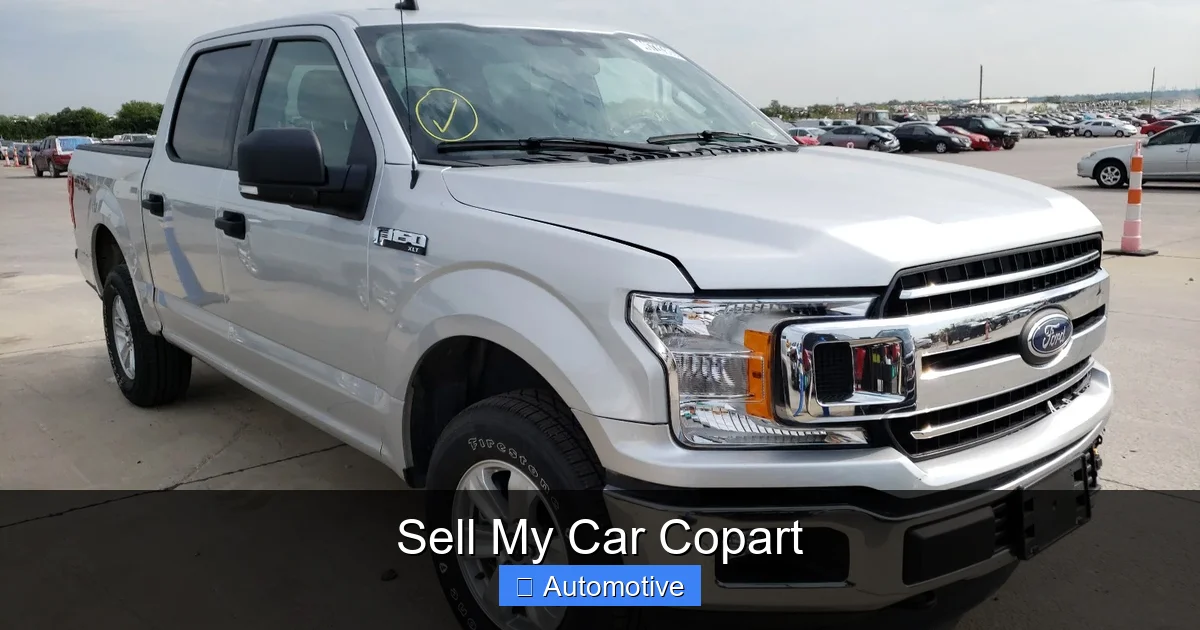
Visual guide about Sell My Car Copart
Image source: copart.com
Ready to get started? Selling your car on Copart is easier than you think. Here’s a step-by-step breakdown of the entire process, from listing to payment.
Step 1: Create a Seller Account
Go to Copart.com and click on “Sell My Car.” You’ll be prompted to create a free seller account. You’ll need to provide your name, contact information, and a valid email address. Once your account is set up, you can begin listing your vehicle.
Step 2: Enter Vehicle Details
Next, you’ll input key information about your car. This includes:
– Year, make, and model
– Vehicle Identification Number (VIN)
– Odometer reading
– Title status (clean, salvage, rebuilt, etc.)
– Condition (running, non-running, damaged, etc.)
Be as accurate as possible. Buyers rely on this information to decide whether to bid. If you’re unsure about the VIN or odometer reading, check your registration or driver’s side door jamb.
Step 3: Upload Photos
Photos are crucial. Copart requires at least four clear images: front, back, driver’s side, and passenger’s side. If your car has damage, be sure to include close-ups of dents, broken glass, or interior issues. Honesty builds trust with buyers and reduces the chance of disputes later.
Pro tip: Take photos in daylight and from multiple angles. A well-documented car often gets more bids.
Step 4: Set Your Reserve Price (Optional)
Copart allows you to set a reserve price—the minimum amount you’re willing to accept. If bidding doesn’t reach your reserve, the car won’t sell. This can protect you from getting a lowball offer, but it may also reduce the number of bids. Many sellers choose to list without a reserve to encourage more competition.
Step 5: Launch the Auction
Once your listing is complete, Copart will review it (usually within 24 hours) and approve it for auction. Your car will then appear in the online marketplace, where buyers can view it and start bidding. Auctions typically run for 5 to 7 days.
Step 6: Monitor Bidding Activity
You’ll receive email notifications as bids come in. You can also log into your account to watch the auction in real time. If you set a reserve, you’ll be notified when it’s met. If not, the highest bid at the end of the auction wins.
Step 7: Confirm the Sale and Schedule Pickup
When the auction ends, Copart will contact you to confirm the sale. They’ll also coordinate with the buyer to schedule free towing from your location. You don’t need to be present—just make sure the car is accessible and the keys (if available) are ready.
Step 8: Receive Payment
After the vehicle is picked up and inspected by the buyer, Copart releases payment to you. Most sellers receive funds via electronic transfer within 3 to 5 business days. You’ll get a detailed settlement statement showing the final sale price and any applicable fees (though sellers pay nothing to list).
What Types of Cars Sell Best on Copart?
Visual guide about Sell My Car Copart
Image source: copart.com
Not all cars are created equal when it comes to Copart auctions. Some vehicles attract more interest—and higher bids—than others. Understanding what buyers are looking for can help you set realistic expectations and maximize your sale price.
Salvage and Rebuilt Title Vehicles
These are Copart’s bread and butter. If your car was declared a total loss by an insurance company but can be repaired and re-registered, it’s highly desirable. Rebuilders and body shops often bid aggressively on these because they can fix them and resell for a profit.
For example, a 2018 Honda Accord with front-end damage but a functioning engine and transmission might sell for $8,000–$12,000, depending on the extent of the damage and market demand.
Non-Running but Complete Cars
Even if your car doesn’t start, it can still be valuable—especially if it’s a popular model with good parts availability. Buyers might want the engine, transmission, electronics, or even just the body for a restoration project.
A 2015 Toyota Camry that won’t turn over due to a bad starter could still fetch $3,000–$5,000 in parts value.
Flood-Damaged Vehicles
Flood cars are tricky. While they’re often considered high-risk due to electrical damage, some buyers specialize in repairing them—especially if the water level was low and the interior is salvageable. These cars usually sell for less than comparable non-flood vehicles, but they still find buyers.
Clean-Title Used Cars
Yes, you can sell a perfectly good car on Copart—and sometimes get a better price than through a private sale. Dealers and exporters often look for clean, low-mileage vehicles to resell domestically or ship overseas. If your car is in good condition and has a clean history, it can attract strong bidding.
Older or High-Mileage Vehicles
Even if your car is 15 years old with 200,000 miles, it might still have value. Some buyers use older models for parts, while others export them to countries where they’re still roadworthy. A 2007 Ford F-150 with high mileage might not get top dollar, but it could still sell for $1,500–$3,000.
Common Misconceptions About Selling on Copart
Despite its popularity, there are still some myths and misunderstandings about selling your car Copart. Let’s clear up a few of the most common ones.
“Only wrecked cars sell on Copart.”
False. While Copart is known for salvage vehicles, it also sells thousands of clean-title, used cars every year. In fact, many sellers use Copart to offload fleet vehicles, lease returns, or personal cars they no longer need.
“I need a clean title to sell.”
Not necessarily. Copart accepts salvage, rebuilt, and even duplicate titles. As long as you legally own the vehicle and can provide proper documentation, you can list it.
“I’ll get pennies on the dollar.”
Not true. Because of the competitive bidding system, you often get fair market value—sometimes more than you’d get from a junkyard or private sale. A car that might get $500 from a scrap yard could sell for $2,000 or more on Copart.
“It’s complicated and time-consuming.”
Actually, it’s one of the simplest ways to sell a car. The entire process is online, and Copart handles logistics like towing and payment. Most sellers are done in under two weeks.
“I have to pay fees to list.”
Nope. Listing is completely free. Copart makes money by charging buyers a fee, not sellers. You keep 100% of the sale price (minus any optional reserve fees, which are minimal).
Tips to Maximize Your Sale Price
Want to get the most money when you sell your car Copart? Here are some proven strategies to boost your bids and final sale price.
Be Honest About the Condition
Don’t hide damage or mechanical issues. Buyers appreciate transparency, and it reduces the chance of post-sale disputes. If your car has a blown engine, say so. If the airbags deployed, mention it. Honesty builds trust and can actually increase bids.
Provide Clear, High-Quality Photos
Photos are your car’s first impression. Take them in good lighting and from multiple angles. Include close-ups of damage, the interior, the engine bay, and the VIN sticker. A well-documented listing gets more views and bids.
List at the Right Time
Timing matters. Avoid listing during holidays or major events when buyer activity dips. Mid-week listings often perform better than weekend ones. Also, consider seasonal demand—convertibles sell better in spring, trucks in winter.
Choose the Right Auction Type
Copart offers different auction formats, including standard, enhanced, and featured listings. Enhanced and featured listings get more visibility and can lead to higher bids—for a small fee. If your car is valuable, it might be worth the upgrade.
Don’t Set an Unrealistic Reserve
While a reserve protects you from low offers, setting it too high can scare off bidders. Research similar vehicles on Copart to see what they’re selling for. A reserve 10–15% above market value is usually safe.
Respond Quickly to Questions
Buyers may reach out with questions about the car. Respond promptly and honestly. A fast, helpful response can turn a curious bidder into a committed buyer.
Real-Life Example: Selling a Totaled Car on Copart
Let’s walk through a real-world scenario to see how selling your car Copart works in practice.
Sarah from Ohio was involved in a rear-end collision that totaled her 2016 Nissan Altima. The insurance company offered her $8,000, but she knew the car had a good engine and transmission. Instead of accepting the offer, she decided to sell it herself on Copart.
She created a seller account, entered her VIN, and uploaded photos showing the damaged rear bumper and trunk. She noted that the car was non-running due to transmission damage but had a clean title. She listed it without a reserve to encourage bidding.
Within three days, the auction had over 20 bids. The final sale price was $9,200—$1,200 more than the insurance offer. Copart arranged for a tow truck to pick up the car from her driveway. Five days later, she received an electronic payment for the full amount.
Sarah was thrilled. “I couldn’t believe how easy it was,” she said. “I didn’t have to fix anything or meet anyone. Copart did all the work, and I got more money.”
Stories like Sarah’s are common. By choosing to sell her car Copart, she turned a loss into a win.
Is Selling on Copart Right for You?
So, should you sell your car Copart? It depends on your situation—but for many people, the answer is a resounding yes.
If you have a damaged, non-running, or salvage-title vehicle, Copart is often the best option. It’s faster than private sales, more profitable than junkyards, and more convenient than dealership trade-ins.
Even if your car is in decent shape, Copart can still be a smart choice if you want a quick, hassle-free sale. You avoid the stress of advertising, negotiating, and meeting strangers. Plus, you get competitive pricing thanks to the auction model.
However, if you’re looking to sell a high-end luxury car or a rare classic, you might get more through a specialized auction or private sale. Copart is best for mainstream vehicles—especially those with damage or high mileage.
Ultimately, selling your car Copart is about simplicity, speed, and value. It’s a modern solution for a modern problem: what to do with a car that’s more trouble than it’s worth.
And the best part? You don’t have to figure it out alone. Copart’s platform, customer support, and transparent process make it one of the most reliable ways to turn your old car into cash—no matter its condition.
Frequently Asked Questions
Can I sell a car on Copart if it doesn’t run?
Yes, absolutely. Copart accepts non-running vehicles, including those with engine or transmission problems. Many buyers are specifically looking for cars they can repair or use for parts.
Do I need a title to sell my car on Copart?
You need some form of legal ownership documentation, such as a title (clean, salvage, or rebuilt), a court order, or a lien release. Copart will guide you through the requirements based on your situation.
How much does it cost to list a car on Copart?
Listing is completely free for sellers. Copart charges fees to buyers, not sellers, so you keep 100% of the sale price (minus optional reserve fees, if applicable).
How long does it take to sell a car on Copart?
Most auctions run for 5 to 7 days. Once the car sells, pickup and payment typically occur within 3 to 10 business days, depending on location and logistics.
Will Copart pick up my car?
Yes. Copart offers free towing for sold vehicles. They coordinate with local carriers to pick up your car from your home, workplace, or storage location at no cost to you.
What happens if my car doesn’t sell?
If your car doesn’t meet the reserve price (or receives no bids), you can relist it at no charge. Copart also offers options to extend the auction or adjust the listing to attract more buyers.
