
Honda Sell My Car

Selling your Honda doesn’t have to be stressful or time-consuming. Whether you’re upgrading, downsizing, or just ready for a change, this guide walks you through every step—from pricing and preparation to choosing the right selling method—so you can sell your Honda with confidence and get the best possible return.
Key Takeaways
- Know your Honda’s market value: Use trusted tools like Kelley Blue Book or Edmunds to research fair pricing based on year, mileage, condition, and location.
- Choose the right selling method: Decide between private sale, trade-in, or selling to a dealer or online platform based on your priorities for speed, convenience, and profit.
- Prepare your car for sale: Clean thoroughly, fix minor issues, and gather maintenance records to boost appeal and value.
- Maximize exposure: Take high-quality photos, write a compelling listing, and list on multiple platforms to attract serious buyers.
- Negotiate smartly: Be ready to discuss price, but don’t rush into lowball offers—know your bottom line.
- Complete the sale legally: Transfer title, cancel insurance, and ensure all paperwork is signed to avoid future liability.
- Consider Honda Certified Pre-Owned trade-ins: If trading in, explore Honda’s CPO program for added value and peace of mind.
📑 Table of Contents
Why Selling Your Honda Makes Sense
So, you’ve decided it’s time to part ways with your Honda. Maybe you’re eyeing a newer model, switching to an electric vehicle, or simply no longer need a second car. Whatever the reason, selling your Honda can be a smart financial move—especially if you’ve taken good care of it. Hondas are known for their reliability, fuel efficiency, and strong resale value, which means you’re likely sitting on a vehicle that still has plenty of life—and value—left in it.
But before you jump into the process, it’s important to understand your options. Selling a car isn’t just about posting a photo and waiting for calls. It involves research, preparation, and strategy. The good news? With the right approach, you can sell your Honda quickly, safely, and for a fair price. Whether you go the private route, trade it in at a dealership, or use an online car-buying service, this guide will help you navigate every step with confidence.
Understanding Your Honda’s Value
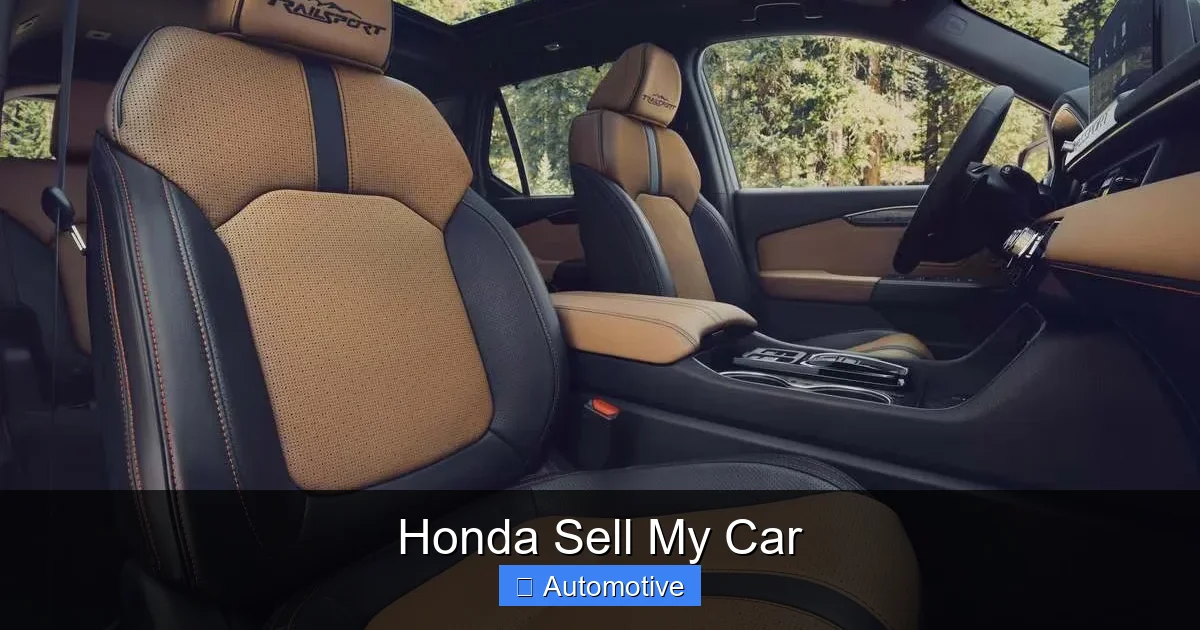
Visual guide about Honda Sell My Car
Image source: brandonhonda.com
One of the biggest mistakes people make when selling a car is pricing it too high or too low. Overpricing can scare off buyers, while underpricing means leaving money on the table. So how do you find that sweet spot?
Start by researching your Honda’s market value. Tools like Kelley Blue Book (KBB), Edmunds, and NADA Guides are excellent resources. Simply enter your vehicle’s year, make, model, trim, mileage, condition, and location. These platforms will give you a range—typically labeled as “trade-in value” and “private party value.” The private party value is usually higher because you’re cutting out the middleman, but it also requires more effort on your part.
For example, a 2019 Honda Accord EX with 45,000 miles in good condition might be valued at $18,500 as a trade-in and $20,000–$21,500 in a private sale, depending on your region. That $2,000–$3,000 difference can be significant, but remember: private sales take more time and involve more responsibility.
Factors That Affect Your Honda’s Resale Value
Not all Hondas are created equal when it comes to resale. Several key factors influence how much your car is worth:
- Mileage: Lower mileage generally means higher value. A Honda with under 50,000 miles will typically command a premium compared to one with 100,000+ miles.
- Condition: Is your car in excellent, good, fair, or poor condition? Be honest. Dents, scratches, worn interiors, or mechanical issues can drop your value significantly.
- Service History: A well-documented maintenance record—especially if you’ve followed Honda’s recommended schedule—can boost buyer confidence and justify a higher price.
- Accident History: Even minor accidents can affect value. If your Honda has been in a collision, disclose it honestly. A clean Carfax or AutoCheck report is a major selling point.
- Trim Level and Features: Higher trims (like EX, EX-L, or Touring) with options like leather seats, sunroof, navigation, or advanced safety tech (Honda Sensing) are more desirable.
- Market Demand: Some models, like the Honda CR-V or Civic, are in high demand due to their popularity and reliability. This can drive up prices, especially in areas with harsh winters or high gas prices.
Getting a Professional Appraisal
If you’re unsure about your car’s condition or want a second opinion, consider getting a professional appraisal. Many dealerships and independent appraisers offer this service for free or a small fee. They’ll inspect your Honda inside and out, check the engine, test drive it, and provide a detailed report. This can be especially helpful if you’re planning to sell privately and want to back up your asking price with expert validation.
You can also use online appraisal tools from companies like CarMax, Carvana, or Vroom. These platforms give you an instant offer based on your VIN and answers to a few questions. While these offers are often lower than private sale prices, they’re a great benchmark and can help you set realistic expectations.
Choosing the Best Way to Sell Your Honda
Now that you know your Honda’s value, it’s time to decide how to sell it. There are three main routes: private sale, trade-in, or selling to a dealer or online buyer. Each has pros and cons, so let’s break them down.
Option 1: Private Sale
Selling your Honda directly to another person typically yields the highest return. You set the price, control the negotiation, and avoid dealer markups. But it also requires the most work.
Pros:
- Higher sale price (usually 10–20% more than trade-in)
- Full control over the process
- No dealer fees or commissions
Cons:
- Time-consuming (photography, listing, responding to inquiries)
- Need to meet potential buyers (safety concerns)
- Responsible for paperwork and title transfer
- No guarantee of a quick sale
If you choose this route, be prepared to invest time in marketing your car. Take clear, well-lit photos from multiple angles—inside and out. Write a detailed description highlighting key features, recent maintenance, and why your Honda is a great buy. List it on platforms like Craigslist, Facebook Marketplace, Autotrader, or Cars.com.
Option 2: Trade-In at a Honda Dealership
Trading in your Honda at a dealership is the easiest option. You drive in, get an offer, and apply the value toward a new or used car purchase—all in one visit.
Pros:
- Convenient and fast
- No need to find a buyer
- Tax savings in many states (you only pay sales tax on the difference between trade-in value and new car price)
- Honda dealers may offer incentives for trading in a Honda
Cons:
- Lower offer than private sale (dealers need to make a profit)
- Less negotiating power
- May feel pressured to buy a new car
To get the best trade-in value, visit multiple Honda dealerships and get written offers. Don’t feel obligated to buy from the same dealer—use competing offers to negotiate a better deal. Also, check if your Honda qualifies for Honda’s Certified Pre-Owned (CPO) program, which can increase its value.
Option 3: Sell to an Online Car Buyer
Companies like CarMax, Carvana, Vroom, and Shift have revolutionized the car-selling process. You enter your car’s details online, get an instant offer, and schedule a pickup or drop-off.
Pros:
- Fast and hassle-free
- No need to meet strangers
- Free inspections and no-obligation offers
- Payment is usually immediate
Cons:
- Offers are typically lower than private sale
- May require shipping or travel for inspection
- Less room for negotiation
These services are ideal if you value speed and convenience over maximum profit. They’re also great for older or high-mileage Hondas that might be harder to sell privately.
Preparing Your Honda for Sale
First impressions matter—especially when selling a car. A clean, well-maintained Honda will attract more buyers and justify a higher price. Here’s how to get your car ready:
Deep Clean Inside and Out
Start with a thorough wash and wax. Clean the wheels, tires, and undercarriage to remove dirt and grime. Don’t forget the windows—inside and out. A sparkling exterior says, “This car has been cared for.”
Inside, vacuum every crevice, wipe down surfaces, and clean the upholstery. Use a fabric cleaner for cloth seats or a leather conditioner for leather. Remove any personal items, air fresheners, or clutter. A tidy interior makes the car feel newer and more spacious.
Address Minor Repairs
You don’t need to rebuild the engine, but fixing small issues can make a big difference. Replace burnt-out bulbs, fix cracked windshields, patch small dents, and touch up paint scratches. Even something as simple as replacing worn wiper blades or topping off fluids shows attention to detail.
If your Honda has a check engine light on, get it diagnosed. A minor fix like replacing an oxygen sensor could save you thousands in perceived value.
Gather Documentation
Buyers love transparency. Collect your owner’s manual, service records, warranty information, and any receipts for repairs or upgrades. If you’ve done regular oil changes, brake jobs, or tire rotations, include those records. A well-documented history builds trust and can justify a higher asking price.
Also, make sure you have the title, registration, and a valid emissions test (if required in your state). If you’ve lost the title, contact your local DMV to get a replacement before listing the car.
Take High-Quality Photos
Photos are your first chance to impress. Take pictures in natural daylight, preferably in a clean, uncluttered area. Capture the front, back, sides, interior, dashboard, trunk, and engine bay. Highlight unique features like alloy wheels, sunroof, or upgraded sound system.
Avoid dark, blurry, or cluttered shots. A well-lit photo of a clean Honda can make it look years younger.
Marketing Your Honda Effectively
Once your Honda is ready, it’s time to sell it. A great listing can mean the difference between a quick sale and weeks of silence.
Write a Compelling Description
Your ad should be clear, honest, and engaging. Start with the basics: year, make, model, trim, mileage, and price. Then highlight key selling points:
- “Low mileage: only 38,000 miles”
- “Single owner, non-smoker, garage-kept”
- “Recent service: new brakes, tires, and oil change”
- “Includes Honda Sensing safety suite and Apple CarPlay”
- “Clean title, no accidents, full service history available”
Avoid exaggerations or vague claims like “runs great.” Instead, be specific: “Engine runs smoothly, no leaks, AC blows cold.”
Choose the Right Platforms
Don’t limit yourself to one site. List your Honda on multiple platforms to reach more buyers:
- Facebook Marketplace: Great for local sales, easy to use, and free.
- Craigslist: Still popular, but be cautious of scams.
- Autotrader and Cars.com: Targeted at serious buyers, but may charge a fee.
- OfferUp and Letgo: Mobile-friendly apps with local focus.
Include your phone number and email, but consider using a separate email or phone app to avoid spam.
Respond Promptly and Professionally
When buyers reach out, reply quickly and politely. Answer questions honestly and schedule test drives in safe, public locations. Meet during the day, bring a friend, and never give out personal information like your home address.
Negotiating the Sale
Negotiation is part of the process—especially in private sales. Be prepared, but don’t be rigid.
Know Your Bottom Line
Before listing, decide the lowest price you’re willing to accept. This helps you avoid emotional decisions during negotiation. If a buyer offers $19,000 on a $20,500 listing, know whether you’re willing to come down.
Let the Buyer Make the First Offer
If possible, let the buyer name a price first. This gives you insight into their budget and negotiating style. If they lowball, you can counter with your researched value.
Justify Your Price
If a buyer questions your asking price, back it up with facts: “Based on KBB, similar models in this area are listed for $20,000–$21,000. This Honda has lower mileage and a full service history.”
Be Willing to Compromise
Sometimes, a small concession—like including floor mats or a full tank of gas—can seal the deal without lowering the price.
Completing the Sale Legally and Safely
Once you’ve agreed on a price, it’s time to finalize the sale. Don’t skip this step—paperwork protects both you and the buyer.
Transfer the Title
Sign the title over to the buyer. Make sure all fields are filled out correctly, including the sale price and odometer reading. In most states, you’ll need to complete a release of liability form and submit it to the DMV to avoid future responsibility for the car.
Cancel Your Insurance
Once the sale is complete, contact your insurance company to cancel or transfer coverage. Don’t wait—driving an uninsured car is illegal and risky.
Provide a Bill of Sale
A bill of sale is a simple document that records the transaction. Include:
- Buyer and seller names and addresses
- Vehicle details (VIN, year, make, model)
- Sale price and date
- Signatures of both parties
You can find free templates online or use your state’s official form.
Remove License Plates
In most states, you keep your license plates. Remove them before handing over the keys. The buyer will need to register the car in their name and get new plates.
Final Tips for a Smooth Sale
Selling your Honda doesn’t have to be overwhelming. Keep these final tips in mind:
- Be patient: The right buyer may take time to find.
- Stay safe: Meet in public, bring a friend, and trust your instincts.
- Don’t rush: Avoid accepting the first low offer just to make a quick sale.
- Keep records: Save copies of all documents for your files.
- Consider timing: Spring and summer are peak car-buying seasons.
With the right preparation and mindset, selling your Honda can be a rewarding experience—both financially and emotionally.
Frequently Asked Questions
How much can I expect to get when I sell my Honda?
The amount you can get depends on your Honda’s year, model, mileage, condition, and location. Use tools like Kelley Blue Book or Edmunds to get a realistic estimate. On average, private sales yield 10–20% more than trade-ins.
Is it better to sell my Honda privately or trade it in?
Private sales usually offer higher returns, but require more effort. Trade-ins are faster and more convenient, especially if you’re buying another car. Choose based on your priorities for profit versus convenience.
Do I need to fix my Honda before selling it?
Minor repairs like replacing bulbs, fixing dents, or cleaning the interior can increase your car’s appeal and value. Major repairs are usually not worth it unless they significantly impact safety or performance.
Can I sell my Honda if I still owe money on it?
Yes, but you’ll need to pay off the loan first. The buyer can pay the lender directly, or you can use the sale proceeds to settle the debt. Make sure the title is clear before transferring ownership.
How long does it take to sell a Honda?
It varies. Private sales can take a few days to several weeks, depending on demand and pricing. Trade-ins and online buyers often complete the process in one day.
What documents do I need to sell my Honda?
You’ll need the vehicle title, registration, bill of sale, and a release of liability form. Service records and a valid emissions test (if required) can also help boost buyer confidence.
