
How to Sell a Car in Sc

Selling a car in South Carolina doesn’t have to be stressful. With the right preparation, pricing, and paperwork, you can sell your vehicle quickly, legally, and for top dollar. This guide walks you through every step—from cleaning your car to signing over the title—so you can sell with confidence.
Key Takeaways
- Know your car’s value: Use tools like Kelley Blue Book or Edmunds to price your vehicle fairly based on condition, mileage, and market demand.
- Prepare your paperwork: Gather the title, registration, maintenance records, and a completed Bill of Sale to streamline the process.
- Clean and detail your car: A spotless interior and exterior can increase buyer interest and justify a higher asking price.
- Advertise effectively: Use online platforms like Facebook Marketplace, Craigslist, and Autotrader to reach local buyers in SC.
- Meet safely and inspect legally: Always meet in public places and allow test drives with proper precautions to protect yourself.
- Complete the transfer correctly: Sign over the title, submit a Notice of Sale to the SC DMV, and remove your license plates.
- Avoid scams and fraud: Be wary of overpaying checks, fake buyers, and requests to ship your car—stick to local, in-person transactions.
📑 Table of Contents
- How to Sell a Car in SC: A Complete Step-by-Step Guide
- Step 1: Determine Your Car’s Value
- Step 2: Gather and Prepare Your Paperwork
- Step 3: Clean and Detail Your Car
- Step 4: Advertise Your Car Effectively
- Step 5: Handle Test Drives and Negotiations
- Step 6: Finalize the Sale and Transfer Ownership
- Conclusion
How to Sell a Car in SC: A Complete Step-by-Step Guide
Selling a car in South Carolina can feel overwhelming—especially if it’s your first time. Between pricing, paperwork, advertising, and meeting potential buyers, there’s a lot to juggle. But with the right approach, you can turn what feels like a hassle into a smooth, profitable experience. Whether you’re upgrading to a new ride, downsizing, or simply ready to part ways with your current vehicle, this guide will walk you through every step of how to sell a car in SC—legally, safely, and efficiently.
The good news? South Carolina has a relatively straightforward process for private car sales. Unlike some states, there’s no sales tax on private vehicle transactions, and the DMV provides clear forms and instructions. That said, skipping steps or making small mistakes—like forgetting to sign the title correctly—can delay the sale or even cause legal issues down the road. That’s why it’s crucial to be prepared, informed, and proactive.
In this guide, we’ll cover everything from determining your car’s value to finalizing the sale and notifying the DMV. We’ll share practical tips, real-world examples, and insider advice to help you avoid common pitfalls. By the end, you’ll feel confident navigating the entire process—and hopefully, driving away with cash in hand and a clean conscience.
Step 1: Determine Your Car’s Value
Visual guide about How to Sell a Car in Sc
Image source: freeforms.com
Before you even think about listing your car, you need to know how much it’s worth. Pricing too high can scare off buyers; pricing too low means leaving money on the table. The key is to find that sweet spot where your car is competitive but still reflects its true value.
Start by researching your vehicle’s market value using trusted online tools. Websites like Kelley Blue Book (KBB), Edmunds, and NADA Guides allow you to input your car’s make, model, year, mileage, condition, and location to get an estimated price range. For example, a 2018 Honda Civic with 60,000 miles in good condition might be valued between $14,000 and $16,000 in the Charleston area. But remember—these are estimates. The final price will depend on factors like local demand, seasonality, and how well you present your car.
Don’t forget to consider your car’s condition. Is it in excellent shape with low mileage and a clean history? Or does it have wear and tear, mechanical issues, or high mileage? Be honest with yourself. A car with a rebuilt title or known transmission problems will sell for less—even if it runs fine. On the flip side, a well-maintained vehicle with service records and new tires can command a premium.
Another smart move? Check what similar cars are selling for in your area. Browse listings on Facebook Marketplace, Craigslist, and Autotrader to see how other sellers are pricing comparable vehicles. If you notice a 2019 Toyota Camry with similar mileage listed for $18,500, that gives you a solid benchmark. You can then adjust based on your car’s unique features—like upgraded audio, leather seats, or a sunroof.
Pro tip: Price your car slightly above your target sale price. This gives you room to negotiate while still ending up where you want to be. For instance, if you’re hoping to get $15,000, list it at $15,500. Most buyers expect to haggle, so starting high ensures you don’t undersell.
Step 2: Gather and Prepare Your Paperwork
Visual guide about How to Sell a Car in Sc
Image source: carscoops.com
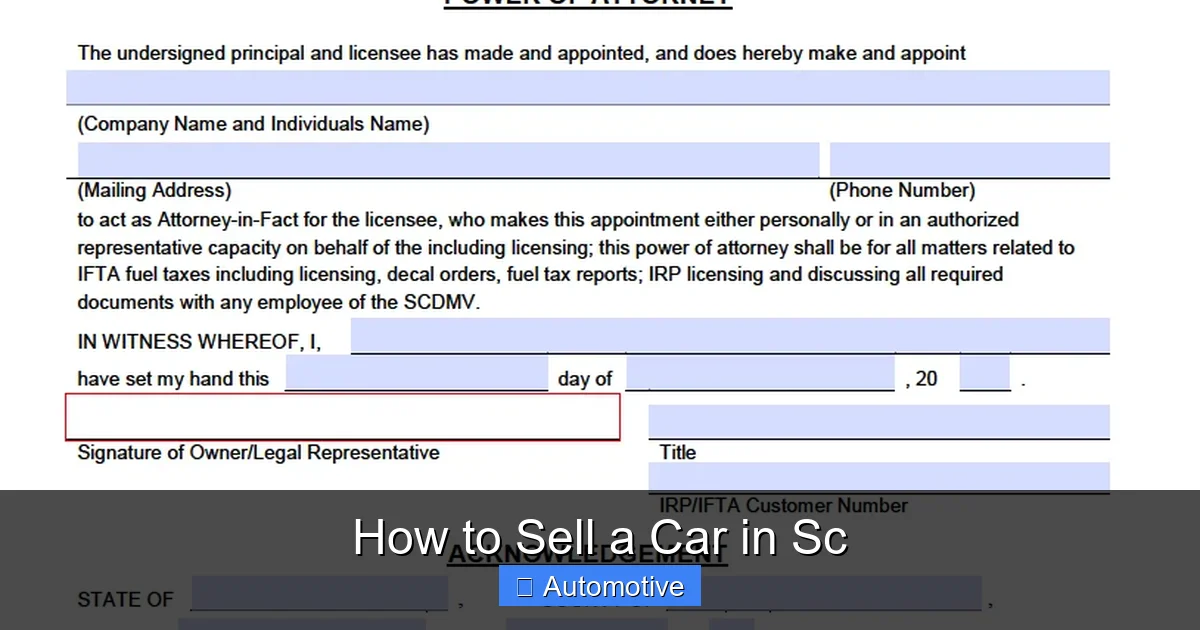
One of the most important steps in how to sell a car in SC is having all your paperwork in order. Buyers will want to see proof of ownership, maintenance history, and a clean title—and you’ll need these documents to legally transfer the vehicle.
First and foremost, locate your car’s title. This is the legal document that proves you own the vehicle. In South Carolina, the title must be signed by the seller (you) and include the buyer’s name, address, sale date, and odometer reading. If you can’t find your title, don’t panic—you can request a duplicate from the SC DMV for a small fee. Just be aware that this can take a few days, so plan ahead.
Next, gather your vehicle registration and any maintenance records. While not legally required, these documents build trust with buyers. A car with a full service history—especially one with recent oil changes, brake work, or tire replacements—feels more reliable and well-cared-for. If you’ve kept receipts or used a digital app to track maintenance, now’s the time to pull them together.
You’ll also need a Bill of Sale. South Carolina doesn’t require a specific form, but it’s highly recommended to create one. This document records the sale details, including the vehicle identification number (VIN), sale price, date, and both parties’ information. You can find free templates online or use the SC DMV’s suggested format. Having a Bill of Sale protects both you and the buyer in case of disputes later.
Don’t forget the odometer disclosure. Federal law requires you to report the mileage at the time of sale. This is usually done on the title itself, but if your title doesn’t have a space for it, you’ll need a separate odometer statement. Be accurate—lying about mileage is illegal and can lead to serious consequences.
Finally, if your car has a lien (meaning you still owe money on it), you’ll need to pay off the loan before selling. Contact your lender to get a payoff amount and arrange for the title to be released. Some lenders will send the title directly to the buyer after the loan is cleared, but it’s safer to handle this yourself to avoid delays.
Step 3: Clean and Detail Your Car
Visual guide about How to Sell a Car in Sc
Image source: autocar.co.uk
You wouldn’t show up to a job interview in wrinkled clothes, right? The same logic applies to selling your car. First impressions matter—and a clean, well-maintained vehicle can make the difference between a quick sale and a long wait.
Start with a thorough exterior wash. Dirt, bird droppings, and road grime can make even a nice car look neglected. Use a quality car wash soap, microfiber cloths, and a hose with a spray nozzle. Don’t forget the wheels—brake dust builds up quickly and can be tough to remove. A dedicated wheel cleaner and brush will do the trick.
Next, tackle the interior. Vacuum every surface, including under the seats, in the footwells, and along the door panels. Wipe down the dashboard, steering wheel, and center console with a gentle cleaner. If your car has fabric seats, consider using a fabric cleaner to remove stains. For leather seats, a conditioner will keep them looking supple and prevent cracking.
Don’t overlook the small details. Clean the windows inside and out—smudged glass can make the car feel dirty even if everything else is spotless. Replace any burnt-out bulbs, top off fluids, and make sure the spare tire and jack are in place. These little touches show buyers you’ve taken care of the car.
If your car has unpleasant odors—like smoke, pets, or mildew—invest in an odor eliminator. Air fresheners mask smells temporarily, but a deep clean with an enzymatic cleaner will remove the source. For serious odors, consider professional detailing. A $100 detail can easily add $500 to your sale price by making the car feel new.
Finally, fix minor issues. A cracked windshield, broken mirror, or malfunctioning radio might seem insignificant, but they signal neglect to buyers. Spending $50 on a new bulb or $100 on a small repair can pay off big time in buyer confidence and final sale price.
Step 4: Advertise Your Car Effectively
Once your car is clean and priced right, it’s time to get the word out. The goal is to reach as many local buyers as possible—quickly and affordably.
Start with online platforms. Facebook Marketplace is one of the most popular options in South Carolina. It’s free, easy to use, and allows you to target buyers in your city or region. When creating your listing, use a clear, honest title like “2017 Ford F-150, 4WD, Low Miles, Excellent Condition.” Include high-quality photos from multiple angles—front, back, sides, interior, engine bay, and trunk. Good lighting is key; take photos during the day in natural light.
Craigslist is another solid choice, especially for older or budget vehicles. It’s been around for decades and still attracts serious buyers. Be sure to respond promptly to inquiries and avoid posting the same ad in multiple cities—this can look spammy.
For newer or higher-end cars, consider Autotrader or Cars.com. These sites attract buyers who are ready to purchase and often have pre-approved financing. While they may charge a listing fee, the exposure can be worth it—especially if your car is in demand.
When writing your ad, be descriptive but concise. Mention key features like fuel efficiency, safety ratings, recent repairs, and any extras (like a backup camera or tow package). Be honest about flaws—buyers appreciate transparency, and it saves time during inspections.
Set a reasonable response time. Aim to reply to messages within a few hours, especially during business days. Buyers often contact multiple sellers, and a slow response can mean losing the sale.
Pro tip: Use keywords in your listing to improve visibility. Phrases like “sell my car in SC,” “used cars Charleston,” or “reliable SUV Greenville” can help your ad appear in search results—both on the platform and in Google.
Step 5: Handle Test Drives and Negotiations
When a buyer shows interest, it’s time to schedule a meeting. Safety should be your top priority. Always meet in a public place—like a grocery store parking lot, police station, or busy shopping center. Avoid meeting at your home or in isolated areas.
Before the test drive, ask to see the buyer’s driver’s license and verify it’s valid. You can also request a copy for your records. Never let a buyer drive alone—always accompany them. This protects you in case of an accident and gives you a chance to answer questions.
During the test drive, pay attention to the buyer’s behavior. Are they respectful? Do they ask thoughtful questions? Red flags include aggressive driving, reluctance to show ID, or pressure to close the deal immediately.
When it comes to price, be prepared to negotiate. Most buyers will try to talk you down. Stay calm and stick to your bottom line. If they offer $14,000 on a $15,000 listing, counter with $14,800. Use your research to justify your price—mention comparable listings, recent repairs, or low mileage.
If the buyer insists on a lower price, consider what you’re willing to accept. Sometimes, a quick sale is worth a small discount. But don’t feel pressured to accept an unfair offer. There are plenty of buyers in SC—wait for the right one.
Step 6: Finalize the Sale and Transfer Ownership
Once you’ve agreed on a price, it’s time to close the deal. Start by completing the title transfer. Sign the title in the designated area, fill in the buyer’s information, and record the odometer reading. Make sure everything is legible and accurate.
Next, complete the Bill of Sale. Both you and the buyer should sign it and keep a copy. This document serves as proof of the transaction and can be useful if questions arise later.
Payment should be made in a secure form. Cash is the safest option—count it in front of the buyer. Cashier’s checks are also acceptable, but verify they’re legitimate before handing over the keys. Avoid personal checks or wire transfers, which can be fraudulent.
After the sale, remove your license plates. In South Carolina, plates stay with the seller, not the vehicle. You’ll need them for your next car or can return them to the DMV.
Finally, notify the SC DMV that you’ve sold the car. Submit a Notice of Sale (Form MV-11) within 15 days. This protects you from liability if the buyer gets a ticket or is involved in an accident before registering the vehicle. You can submit the form online, by mail, or in person.
Conclusion
Selling a car in SC doesn’t have to be complicated. By following these steps—pricing fairly, preparing paperwork, cleaning thoroughly, advertising smartly, negotiating confidently, and transferring ownership correctly—you can sell your vehicle quickly and safely. Remember, patience and preparation pay off. Take your time, stay organized, and don’t rush into a deal that doesn’t feel right. With the right approach, you’ll not only get a fair price but also enjoy a smooth, stress-free experience from start to finish.
Frequently Asked Questions
Do I need a safety inspection to sell a car in SC?
No, South Carolina does not require a safety inspection for private car sales. However, the buyer may want to have the vehicle inspected by a mechanic before purchase, which is a good practice for both parties.
Can I sell my car in SC if I still owe money on it?
Yes, but you must pay off the loan first. Contact your lender to get the payoff amount and arrange for the title to be released before completing the sale.
What happens if I lose my car title in SC?
You can request a duplicate title from the SC DMV by submitting Form MV-7, paying a fee, and providing proof of identity. Processing typically takes 7–10 business days.
Do I have to pay sales tax when selling a car in SC?
No, private vehicle sales are not subject to sales tax in South Carolina. However, the buyer will pay tax when they register the vehicle in their name.
Can I sell my car to someone out of state?
Yes, but the process may involve additional steps, such as shipping the vehicle or meeting in a neutral location. Make sure the title and paperwork comply with both states’ requirements.
How long do I have to notify the DMV after selling my car?
You must submit a Notice of Sale (Form MV-11) to the SC DMV within 15 days of the sale to avoid liability for any incidents involving the vehicle after the transfer.
