
Is It Illegal to Sell a Car with a Title Loan

Selling a car with an active title loan isn’t automatically illegal, but it can lead to serious legal and financial trouble if done improperly. You must pay off the loan or get lender approval before transferring ownership—otherwise, you risk default, repossession, or even fraud charges.
So, you’ve got a car—but it’s still tied to a title loan. Maybe you’re in a tight spot financially and thinking about selling it to get some quick cash. Or perhaps you just want to upgrade and move on. Whatever your reason, you’re probably wondering: *Is it illegal to sell a car with a title loan?*
The short answer? It’s not automatically illegal—but it’s definitely not straightforward. And if you rush into it without understanding the rules, you could end up in hot water with your lender, the buyer, or even the law.
Let’s break it down in plain English. A title loan means you’ve borrowed money using your car as collateral. In most cases, the lender holds onto your vehicle’s title until you repay the loan in full. That means, technically, you don’t own the car free and clear—you have equity in it, but the lender has a legal claim (called a lien) on it. So while you can drive it and use it, you can’t just hand over the keys and walk away without settling that debt.
Selling a car under these conditions isn’t like selling a fully paid-off vehicle. There are legal, financial, and ethical considerations that come into play. And yes, if you ignore them, you could face consequences ranging from a damaged credit score to legal action.
But don’t panic. With the right steps, you *can* sell your car—even with a title loan—safely and legally. It just takes planning, communication, and a clear understanding of your responsibilities.
Key Takeaways
- You can’t legally transfer ownership while the loan is active: The lender holds the title as collateral, so you don’t have full rights to sell the vehicle without resolving the debt first.
- Selling without lender permission may violate your loan agreement: Most title loan contracts prohibit transferring the vehicle without written consent, and doing so could trigger default.
- Paying off the loan before sale is the safest route: Once the loan is satisfied, the lender releases the title, allowing you to sell the car cleanly and legally.
- A lien release is required for a valid sale: Even after payoff, you’ll need official documentation from the lender proving the lien is removed before transferring the title to a buyer.
- Private sales require extra caution: Buyers may unknowingly purchase a car with an outstanding loan, leading to repossession—and potential liability for you.
- Some states allow “subject-to” sales, but they’re risky: These arrangements keep the loan in your name, which can backfire if the buyer stops making payments.
- Always consult your loan agreement and state laws: Rules vary by jurisdiction, so understanding local regulations and your contract terms is essential.
📑 Table of Contents
- Understanding Title Loans and Ownership Rights
- Legal Implications of Selling a Car with a Title Loan
- Can You Legally Sell a Car with a Title Loan?
- Steps to Sell a Car with a Title Loan Safely
- What Happens If You Sell Without Paying Off the Loan?
- State-by-State Considerations
- Alternatives to Selling with a Title Loan
- Final Thoughts: Stay Legal, Stay Safe
Understanding Title Loans and Ownership Rights
Before we dive into the legality of selling, let’s make sure we’re on the same page about what a title loan actually is.
A title loan is a type of secured loan where you use your vehicle’s title as collateral. You get cash upfront—usually a percentage of your car’s value—and in return, the lender places a lien on your title. That means they have a legal right to repossess the car if you fail to repay the loan according to the agreement.
Now, here’s the key point: **you still have possession of the car**, but you don’t have full ownership rights until the loan is paid off. Think of it like renting to own—you’re using the asset, but the lender still has a stake in it.
This distinction is crucial when it comes to selling. In most states, you cannot legally transfer ownership of a vehicle with an active lien unless the lien is satisfied or the lender gives explicit permission. Why? Because the buyer would be purchasing a car that still has a financial claim against it. If the loan isn’t paid, the lender can repossess the vehicle—even from the new owner.
So, while you’re not breaking a law just by *advertising* the car for sale, actually completing the sale without resolving the loan could violate your contract and state laws.
How Title Loans Work
Title loans are typically short-term, high-interest loans designed for people who need quick cash but may not qualify for traditional bank loans. The amount you can borrow usually ranges from 25% to 50% of your car’s value, depending on the lender and your state’s regulations.
Once you sign the agreement, the lender files a lien with your state’s Department of Motor Vehicles (DMV). This lien shows up on the title, indicating that the vehicle is collateral for a debt. You keep the car and drive it, but you can’t sell it or transfer the title without the lender’s involvement.
Repayment terms vary, but many title loans are due in full within 30 days, with options to renew or roll over the loan—though this often leads to mounting interest and fees.
Ownership vs. Possession
This is where confusion often sets in. You might think, “I’m driving it, so I own it.” But legally, possession and ownership are two different things.
– **Possession**: You have physical control of the car. You can drive it, park it, and use it daily.
– **Ownership**: You have full legal rights to the vehicle, including the ability to sell it, transfer the title, or use it as collateral for another loan.
With a title loan, you have possession but not full ownership. The lender holds a security interest in the vehicle until the debt is cleared. That’s why selling the car without addressing the loan is problematic—you’re trying to transfer something you don’t fully control.
Legal Implications of Selling a Car with a Title Loan
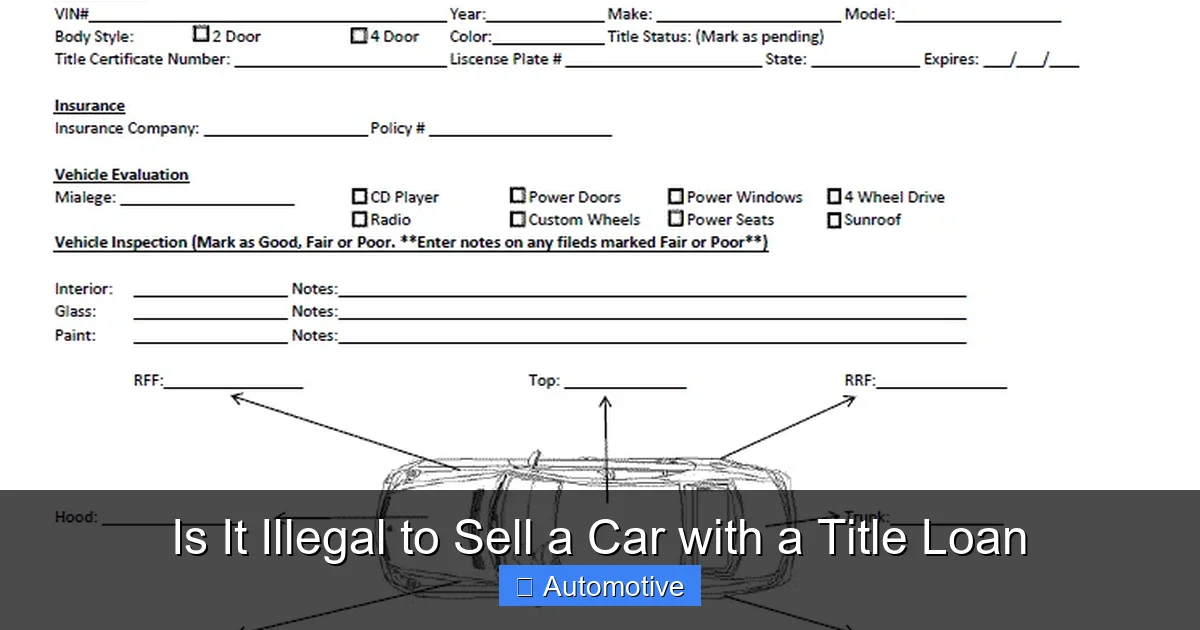
Visual guide about Is It Illegal to Sell a Car with a Title Loan
Image source: automobilepawn.com
Now, let’s get to the heart of the question: *Is it illegal?*
The answer depends on how you go about it.
In most cases, **selling a car with an active title loan without lender approval is a breach of contract**—not necessarily a criminal offense, but still legally risky. However, in some situations, it can cross into illegal territory, especially if you misrepresent the vehicle’s status to the buyer.
Let’s look at the potential legal issues:
Breach of Contract
Your title loan agreement likely includes a clause stating that you cannot sell, transfer, or encumber the vehicle without the lender’s written consent. If you sell the car anyway, you’re violating that agreement. The lender can declare the loan in default, demand immediate repayment, and repossess the vehicle.
Even if the buyer pays you in full, the lender can still repossess the car because the title hasn’t been cleared. This leaves the buyer high and dry—and they may come after you for their money.
Fraud and Misrepresentation
If you tell a buyer the car is “paid off” or “clear title” when it’s not, you could be committing fraud. This is especially true if you provide a fake title or隐瞒 the lien.
Fraud is a criminal offense in many states. Penalties can include fines, restitution, and even jail time—depending on the amount involved and whether the sale was intentional or deceptive.
For example, imagine you sell your car for $8,000, telling the buyer it’s free and clear. But you still owe $6,000 on the title loan. The buyer registers the car, drives it for a month, and then gets a repossession notice. They sue you for fraud, and you’re left facing legal action, damaged credit, and potential criminal charges.
State-Specific Laws
Laws vary by state, so it’s important to know your local regulations. Some states have strict rules about lien disclosures in vehicle sales. For instance:
– In California, sellers must disclose any liens on the vehicle in writing before sale.
– In Texas, failing to release a lien before transferring title can result in penalties.
– In Florida, the DMV requires a lien release form before a title can be transferred.
Ignorance of the law isn’t an excuse. If you sell a car with a title loan and the buyer later discovers the lien, you could be held liable—even if you didn’t mean to deceive them.
Can You Legally Sell a Car with a Title Loan?
Visual guide about Is It Illegal to Sell a Car with a Title Loan
Image source: 24data-strapi-uploads.s3.amazonaws.com
Yes—but only under the right conditions.
The safest and most legal way to sell a car with a title loan is to **pay off the loan first**. Once the debt is satisfied, the lender will release the lien and return the title to you (or issue a lien release document). At that point, you own the car free and clear and can sell it just like any other vehicle.
But what if you can’t afford to pay off the loan upfront? Are there other options?
Option 1: Pay Off the Loan Before Sale
This is the gold standard. Contact your lender, get a payoff quote (which includes any remaining principal, interest, and fees), and settle the debt. Once paid, the lender will:
1. Remove the lien from the title.
2. Send you a lien release letter or updated title.
3. Allow you to transfer ownership to a buyer.
This process can take a few days to a few weeks, depending on the lender and your state’s DMV processing times. But it’s the cleanest, most legally sound method.
Option 2: Sell with Lender Approval
Some lenders allow you to sell the car as long as the proceeds go directly toward paying off the loan. This is often called a “payoff at sale” or “lender-assisted sale.”
Here’s how it works:
– You find a buyer and agree on a price.
– The buyer pays the lender directly (or you collect the money and immediately pay the lender).
– The lender releases the lien and provides the necessary paperwork.
– You transfer the title to the buyer.
This requires coordination between you, the buyer, and the lender. It’s not always easy, but it’s legal and protects everyone involved.
Option 3: “Subject-To” Sale (Use with Caution)
In some cases, you might consider a “subject-to” sale, where the buyer takes over the car and continues making payments on your loan. However, this is **risky and not recommended** unless you fully understand the implications.
In a subject-to deal:
– The loan remains in your name.
– The buyer makes payments to you (or directly to the lender).
– You’re still legally responsible if they stop paying.
If the buyer defaults, the lender can repossess the car and come after you for the debt. Plus, most title loan agreements prohibit this kind of arrangement. You could still be in breach of contract.
Only consider this option if you have a trusted buyer, a written agreement, and ongoing communication with the lender. Even then, it’s a gamble.
Steps to Sell a Car with a Title Loan Safely
Visual guide about Is It Illegal to Sell a Car with a Title Loan
Image source: ftltitleloans.com
If you’re determined to sell your car while it still has a title loan, follow these steps to minimize risk and stay legal:
1. Review Your Loan Agreement
Start by reading your title loan contract. Look for clauses about selling, transferring, or encumbering the vehicle. Most will say something like:
> “Borrower shall not sell, assign, or transfer the Vehicle without Lender’s prior written consent.”
If it prohibits sale without permission, you’ll need to get that consent—or pay off the loan.
2. Contact Your Lender
Call your lender and explain your situation. Ask:
– Can I sell the car if the proceeds pay off the loan?
– What’s the current payoff amount?
– What paperwork is needed to release the lien?
Some lenders are cooperative, especially if you’re offering to pay in full. Others may charge a fee or require specific procedures.
3. Get a Payoff Quote
Request a formal payoff quote in writing. This should include:
– Remaining principal
– Accrued interest
– Any prepayment penalties or fees
– Valid date (usually 10–30 days)
Use this amount when negotiating with a buyer.
4. Find a Buyer Willing to Pay Off the Loan
Be transparent. Tell potential buyers the car has a title loan and that the sale will involve paying off the lender. Most buyers will walk away—but some may be willing to pay the full amount directly to the lender.
You can advertise: “Car for sale—title loan payoff included. Buyer pays lender directly.”
5. Coordinate the Sale with the Lender
On the day of sale:
– Have the buyer meet you and the lender (or go to the lender’s office).
– The buyer pays the lender the payoff amount.
– The lender releases the lien and provides a lien release form.
– You sign over the title to the buyer.
– The buyer registers the car in their name.
This ensures the lien is cleared before ownership transfers.
6. Keep Records
Save all paperwork:
– Payoff confirmation
– Lien release letter
– Bill of sale
– Copy of the title transfer
These documents protect you if any disputes arise later.
What Happens If You Sell Without Paying Off the Loan?
Let’s say you ignore the rules and sell the car anyway. What could go wrong?
Repossession
The lender can repossess the vehicle—even from the new owner. Since the lien is still on the title, they have the legal right to take it back. The buyer loses their money and the car.
Legal Action from the Buyer
The buyer may sue you for fraud, misrepresentation, or breach of contract. You could be ordered to return the money, pay damages, or cover their legal fees.
Default on Your Loan
Selling without permission is often considered a default. The lender can demand immediate repayment, report the default to credit bureaus, and take legal action to collect the debt.
Criminal Charges (in Extreme Cases)
If you knowingly deceive the buyer or forge documents, you could face criminal charges for fraud or theft by deception. While rare, it’s not unheard of—especially in large transactions or repeat offenses.
State-by-State Considerations
Because vehicle and lending laws vary, it’s important to check your state’s rules. Here are a few examples:
– **California**: Sellers must disclose liens in writing. Failure to do so can result in civil liability.
– **Texas**: The DMV requires a lien release before title transfer. Selling without one can delay registration.
– **Florida**: The seller must provide a lien release form signed by the lender.
– **New York**: Title loans are heavily regulated, and lenders must follow strict disclosure rules.
Always check with your local DMV or a legal professional if you’re unsure.
Alternatives to Selling with a Title Loan
If selling the car seems too complicated or risky, consider these alternatives:
Refinance the Loan
Some lenders offer refinancing options with lower interest rates or longer terms. This could reduce your monthly payments and give you more time to pay off the debt.
Trade-In at a Dealership
Many dealerships will accept a car with a title loan as a trade-in. They’ll pay off the loan directly and apply any remaining equity toward your new vehicle. This is often easier than a private sale.
Voluntary Repossession
If you can’t afford the payments and don’t want to sell, you can return the car to the lender. This will still hurt your credit, but it avoids the risks of an illegal sale.
Seek Financial Counseling
Nonprofit credit counseling agencies can help you create a budget, negotiate with lenders, or explore debt relief options.
Final Thoughts: Stay Legal, Stay Safe
Selling a car with a title loan isn’t illegal in itself—but doing it the wrong way can lead to serious consequences. The key is to be honest, transparent, and proactive.
Always prioritize paying off the loan or getting lender approval before transferring ownership. Protect yourself, the buyer, and your financial future by following the rules.
Remember: just because you *can* sell the car doesn’t mean you *should*—unless you do it the right way. Take the time to understand your obligations, communicate with your lender, and ensure the lien is cleared before handing over the keys.
When in doubt, consult a lawyer or financial advisor. A little caution now can save you a lot of trouble later.
Frequently Asked Questions
Can I sell my car if I still owe money on a title loan?
Yes, but only if you pay off the loan first or get written permission from the lender. Selling without resolving the debt can lead to repossession, legal action, or fraud charges.
What happens if I sell my car and the buyer gets it repossessed?
The buyer can sue you for their money and damages. You may also face default on your loan and damage to your credit score.
Do I need the lender’s permission to sell my car?
Most title loan agreements require lender approval before sale. Check your contract—selling without permission could violate the terms.
Can a buyer register a car with an active title loan?
No. The DMV won’t transfer the title until the lien is released. The buyer can’t legally register the vehicle until the loan is paid off.
Is it fraud to sell a car with a title loan?
It can be, especially if you lie about the loan or hide the lien. Misrepresenting the vehicle’s status may constitute fraud under state law.
What’s the safest way to sell a car with a title loan?
Pay off the loan first, get a lien release, then sell the car with a clear title. This protects you, the buyer, and ensures a legal transfer.