
Toyota Sell My Car

Selling your Toyota doesn’t have to be stressful. Whether you’re upgrading, downsizing, or just ready for a change, there are smart, simple ways to sell your car quickly and profitably. From private sales to trade-ins and online platforms, this guide walks you through every option so you can make the best choice for your needs.
Key Takeaways
- Know your car’s value: Use tools like Kelley Blue Book or Edmunds to get an accurate estimate before listing.
- Private sales pay more: Selling directly to a buyer usually gets you the highest price, but takes more effort.
- Trade-ins are convenient: Dealerships offer quick, hassle-free trades, though you may get less money.
- Online platforms simplify the process: Sites like Carvana, Vroom, and Cars.com let you sell your Toyota online with minimal hassle.
- Clean and maintain your car: A well-kept vehicle with service records sells faster and for more.
- Be ready with paperwork: Title, registration, maintenance logs, and a bill of sale are essential for a smooth sale.
- Avoid scams and lowball offers: Meet in safe locations, verify payment, and trust your instincts.
📑 Table of Contents
- Introduction: Why Now Is the Right Time to Sell Your Toyota
- Understanding Your Options: How to Sell Your Toyota
- Preparing Your Toyota for Sale: Tips to Maximize Value
- Pricing Your Toyota: How to Set the Right Asking Price
- Creating a Winning Listing: How to Attract Buyers
- Closing the Sale: Final Steps and Safety Tips
- Conclusion: Make the Smart Choice When You Sell Your Toyota
Introduction: Why Now Is the Right Time to Sell Your Toyota
If you’re driving a Toyota, you’re behind the wheel of one of the most reliable, fuel-efficient, and long-lasting vehicles on the road. But even the best cars eventually reach the point where it’s time to move on. Maybe you need more space for your growing family, want to upgrade to a hybrid or electric model, or simply crave something new. Whatever your reason, the question “Toyota sell my car” is one many owners ask—and for good reason.
The good news? Toyota vehicles hold their value exceptionally well. According to industry reports, Toyotas consistently rank among the top brands for resale value, especially models like the Camry, Corolla, RAV4, and Highlander. This means that when you decide to sell, you’re likely to get a strong return on your investment—especially if you’ve taken good care of your vehicle. But knowing how to sell your Toyota for the best price and least stress is key.
Understanding Your Options: How to Sell Your Toyota
When it comes to selling your Toyota, you’ve got several paths to choose from. Each has its pros and cons, and the right choice depends on your priorities—whether that’s speed, convenience, or maximizing profit. Let’s break down the main options so you can decide which route fits your lifestyle and goals.
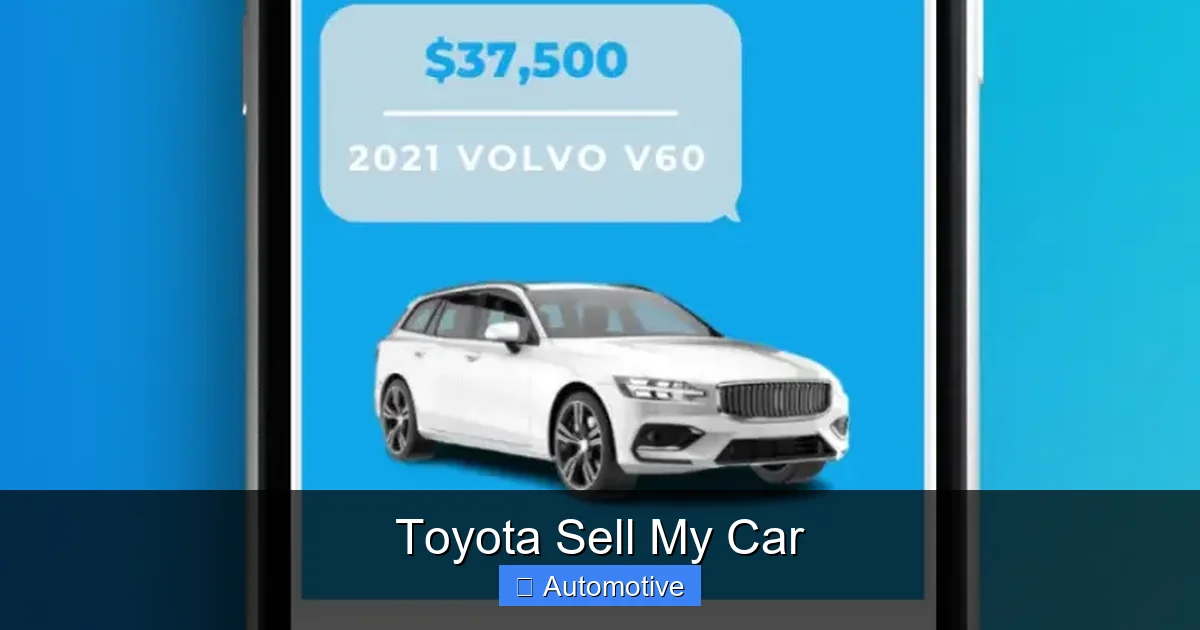
Visual guide about Toyota Sell My Car
Image source: kamocars.com
Sell Your Toyota Privately
Selling your car directly to another person—known as a private sale—is often the most profitable option. You cut out the middleman, which means no dealer markup or platform fees. On average, private sellers get 10–20% more than they would from a trade-in or instant offer from an online buyer.
For example, if your 2020 Toyota RAV4 is valued at $25,000 by Kelley Blue Book, a private sale could net you $24,000–$25,000 after negotiation. Compare that to a dealership trade-in offer of $21,000–$22,500, and the difference is clear.
But private sales require more work. You’ll need to create a listing, take high-quality photos, respond to inquiries, schedule test drives, and handle the paperwork. It also means meeting strangers, which requires caution. Still, for many, the extra effort is worth the payoff.
Trade It In at a Dealership
If convenience is your top priority, trading in your Toyota at a dealership is the easiest route. You drive in, get an appraisal, and walk out with a new car—all in one visit. This is especially appealing if you’re buying another vehicle, as the trade-in value can be applied directly to your new purchase, reducing your out-of-pocket cost.
However, dealerships need to make a profit, so their offers are typically lower than what you’d get in a private sale. They also factor in reconditioning costs, which can further reduce your offer. That said, many dealerships run promotions where they “guarantee” a minimum trade-in value or offer bonus cash for trading in a Toyota.
Tip: Get appraisals from at least two or three dealerships before making a decision. Some may surprise you with a better offer, especially if they’re trying to meet monthly sales goals.
Sell to an Online Car Buyer
In recent years, online car-buying services like Carvana, Vroom, Shift, and Carmax have revolutionized the selling process. These platforms let you get an instant offer online by entering your car’s details—make, model, year, mileage, and condition. If you accept, they’ll come pick up your Toyota (often for free) and pay you via check or bank transfer within a few days.
The biggest advantage? Speed and simplicity. You can get an offer in under 10 minutes and sell your car in as little as 24–48 hours. These companies also handle all the paperwork, so you don’t have to worry about titles or registration transfers.
The downside? Their offers are usually lower than private sale prices—sometimes by $1,000 or more. They’re also more conservative in their appraisals, especially if your car has minor wear and tear. But for busy people or those who want a no-hassle sale, it’s a solid option.
Use a Peer-to-Peer Marketplace
Platforms like Facebook Marketplace, Craigslist, and OfferUp let you list your Toyota for free and connect directly with local buyers. These sites are great for reaching a large audience quickly, especially in urban areas where demand for used cars is high.
One major benefit is control. You set the price, write the description, and choose who to sell to. You can also respond to messages instantly and negotiate in real time. Plus, many buyers prefer paying in cash, which means no waiting for bank transfers or checks to clear.
But be cautious. Scams are common on these platforms. Never accept overpayments, avoid wire transfers, and always meet in a public, well-lit location. Bringing a friend along for test drives is also a smart safety move.
Preparing Your Toyota for Sale: Tips to Maximize Value
You’ve decided how to sell—now it’s time to get your Toyota in top shape. A little preparation can go a long way in boosting your sale price and attracting serious buyers. Think of it as staging your car like you would a home before putting it on the market.
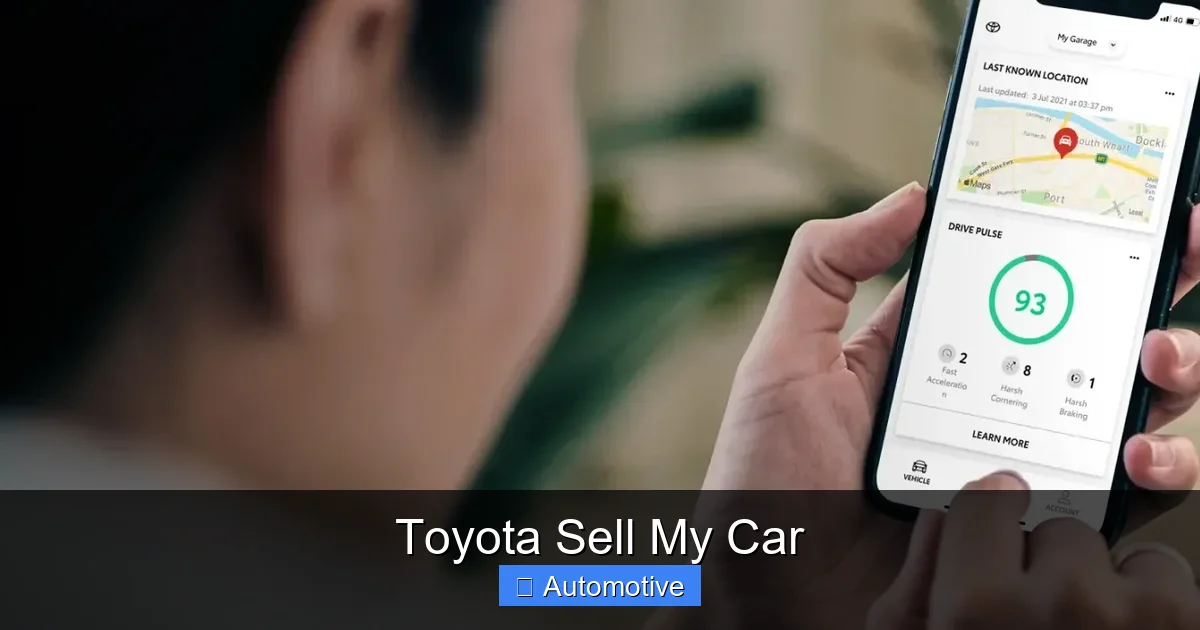
Visual guide about Toyota Sell My Car
Image source: cdn.cms-uploads.i-motor.me
Clean Inside and Out
First impressions matter. A clean car signals that you’ve taken good care of it. Start with a thorough wash and wax to make the exterior shine. Don’t forget the wheels, windows, and trim. For the interior, vacuum every corner, wipe down surfaces, and clean the dashboard and console.
Consider investing in a professional detailing service. For $100–$200, a detailer can remove stains, polish the paint, and even deodorize the cabin. This small expense can easily pay for itself in a higher sale price.
Pro tip: Remove personal items like photos, air fresheners, and custom seat covers. Buyers want to envision themselves in the car, so keep it neutral and clutter-free.
Fix Minor Issues
You don’t need to rebuild the engine, but addressing small problems can prevent buyers from lowballing you. Replace burnt-out bulbs, fix cracked windshields, and patch up minor dents or scratches. Even something as simple as replacing worn wiper blades shows attention to detail.
If your Toyota has a check engine light on, get it diagnosed. Many auto parts stores offer free scans. If it’s a minor issue like a loose gas cap, fix it. If it’s something more serious, disclose it upfront—but know that fixing it could increase your car’s value by hundreds of dollars.
Gather Maintenance Records
Buyers love transparency. Having a complete service history proves your Toyota has been well-maintained and can help justify a higher asking price. Gather receipts for oil changes, tire rotations, brake jobs, and any major repairs.
If you’ve done regular maintenance at a Toyota dealership, ask for a printed copy of your service history. Many dealers keep digital records and can provide a summary. This is especially valuable for high-mileage vehicles, where consistent care can offset concerns about wear and tear.
Get a Pre-Sale Inspection
Consider getting a pre-purchase inspection (PPI) from a trusted mechanic. While this costs $100–$150, it gives you a detailed report on your car’s condition. You can share this with potential buyers to build trust and show that your Toyota is in great shape.
Some buyers will even request a PPI before making an offer. Having one ready can speed up the process and reduce back-and-forth negotiations.
Pricing Your Toyota: How to Set the Right Asking Price
Pricing your Toyota correctly is one of the most important steps in the selling process. Ask too much, and buyers will scroll past. Ask too little, and you leave money on the table. The goal is to find the sweet spot where your car is competitively priced but still reflects its true value.
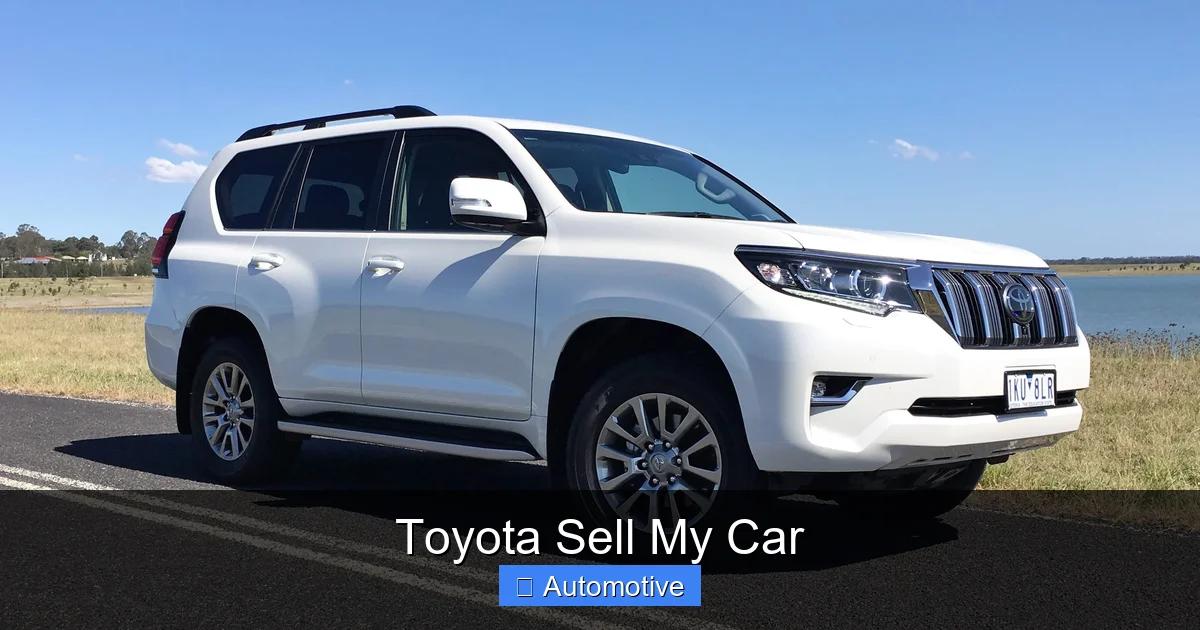
Visual guide about Toyota Sell My Car
Image source: carsguide-res.cloudinary.com
Use Online Valuation Tools
Start by checking your car’s value on trusted websites like Kelley Blue Book (KBB), Edmunds, and NADA Guides. Enter your Toyota’s year, make, model, trim, mileage, condition, and location. These tools will give you a range—typically “trade-in value” and “private party value.”
For example, a 2019 Toyota Camry LE with 45,000 miles in good condition might have a private party value of $18,500–$20,000. Use the higher end of this range as your starting point, then adjust based on your car’s specific features and condition.
Research Comparable Listings
Look at similar Toyota models for sale in your area. Check listings on Autotrader, Cars.com, and Facebook Marketplace. Note the prices, mileage, condition, and included features (like sunroofs, navigation, or upgraded audio).
If your Camry has low mileage, a clean title, and a full service history, you can price it at the top of the range—or even slightly above if it’s in exceptional condition. But if it has high mileage or minor cosmetic flaws, price it competitively to attract buyers.
Factor in Market Conditions
The used car market fluctuates based on supply and demand. In 2023 and 2024, used car prices remained high due to inventory shortages and increased demand for reliable vehicles. Toyotas, in particular, have been in high demand because of their reputation for longevity.
If you’re selling during a peak season—like spring or early summer—you may be able to ask for a higher price. Conversely, in slower months, you might need to be more flexible. Keep an eye on market trends and adjust your price if your car isn’t getting interest after a week or two.
Creating a Winning Listing: How to Attract Buyers
Once your Toyota is clean, priced, and ready to go, it’s time to create a listing that stands out. Whether you’re selling on Craigslist, Facebook Marketplace, or an online platform, your listing is your first chance to make a great impression.
Write a Clear, Honest Title
Your title should include the year, make, model, and key selling points. For example: “2020 Toyota RAV4 LE – Low Miles, Clean Title, Excellent Condition.” Avoid vague terms like “nice car” or “runs great.” Be specific and factual.
Take High-Quality Photos
Photos are critical. Take pictures in natural daylight, from multiple angles: front, back, sides, interior, trunk, and engine bay. Show any flaws honestly—this builds trust and reduces the chance of disputes later.
Use a clean background and avoid clutter. If possible, park your Toyota in front of a neutral backdrop like a garage or quiet street. Good lighting makes a huge difference—early morning or late afternoon light is ideal.
Write a Detailed Description
Your description should highlight your Toyota’s best features. Mention the trim level, engine type, fuel economy, safety features, and any upgrades. Include details like:
- “Only 38,000 miles—well below average for the year”
- “Regular oil changes every 5,000 miles at Toyota dealership”
- “Never smoked in, pet-free, garage-kept”
- “Includes winter tires and roof rack”
Be honest about any issues. Saying “small scratch on rear bumper” is better than hiding it and risking a lost sale.
Respond Quickly to Inquiries
Buyers often contact multiple sellers at once. If you respond within an hour, you’re more likely to close the deal. Be polite, answer questions thoroughly, and offer to schedule a test drive.
Use a professional tone in your messages. Avoid slang or overly casual language. And never share personal information like your home address until you’re ready to meet.
Closing the Sale: Final Steps and Safety Tips
You’ve found a buyer—congratulations! Now it’s time to finalize the sale safely and legally. This step is crucial to protect yourself from scams, liability, and headaches down the road.
Meet in a Safe Location
Always meet in a public place—like a police station parking lot, bank, or busy shopping center. Many police departments even have “safe exchange zones” with cameras and lighting. Bring a friend if possible, especially for the test drive.
Verify Payment Before Handing Over the Keys
Accept only secure forms of payment: cash, cashier’s check, or bank transfer. Personal checks can bounce, and wire transfers are often used in scams.
If using a cashier’s check, go to the bank with the buyer to verify it’s legitimate before completing the sale. For bank transfers, confirm the funds have cleared—don’t rely on a “pending” status.
Complete the Paperwork Correctly
You’ll need to sign over the title, provide a bill of sale, and notify your state’s DMV that the car has been sold. Each state has different requirements, so check your local DMV website.
In most states, you must:
- Sign the title over to the buyer (make sure they sign too)
- Complete a bill of sale (available online or at DMV)
- Remove license plates (in some states)
- Submit a release of liability form to the DMV
Keep copies of all documents for your records. This protects you if the buyer gets into an accident or receives a ticket before registering the car.
Cancel Your Insurance
Once the sale is complete, contact your insurance company to cancel or transfer coverage. Don’t wait—driving an uninsured vehicle, even for a short time, is illegal and risky.
Conclusion: Make the Smart Choice When You Sell Your Toyota
Selling your Toyota doesn’t have to be overwhelming. With the right strategy, you can sell quickly, safely, and for a great price. Whether you choose a private sale, trade-in, or online buyer, the key is preparation, honesty, and knowing your options.
Remember: your Toyota is more than just a car—it’s a reliable companion that’s served you well. By taking the time to clean it, price it fairly, and present it professionally, you’re not just selling a vehicle. You’re passing on a trusted machine to someone who will appreciate it just as much as you did.
So go ahead—take that first step. List your Toyota, respond to that inquiry, and close the deal. The road ahead is waiting.
Frequently Asked Questions
How much can I sell my Toyota for?
Your Toyota’s value depends on its year, model, mileage, condition, and location. Use tools like Kelley Blue Book or Edmunds to get an estimate. On average, private sales yield 10–20% more than trade-ins.
Is it better to sell privately or trade in?
Private sales usually pay more, but require more effort. Trade-ins are faster and more convenient, especially if you’re buying another car. Choose based on your priorities—profit or convenience.
Can I sell my Toyota online?
Yes! Platforms like Carvana, Vroom, and Cars.com let you sell your Toyota online with an instant offer. You can complete the entire process from home, often with free pickup.
What paperwork do I need to sell my Toyota?
You’ll need the title, registration, bill of sale, and maintenance records. Some states also require a release of liability form. Check your local DMV for specific requirements.
How long does it take to sell a Toyota?
It varies. Online buyers can complete the sale in 1–2 days. Private sales may take 1–3 weeks, depending on demand and how quickly you respond to inquiries.
Should I fix my Toyota before selling?
Yes, for minor issues. Fixing small problems like burnt-out lights or scratches can increase your sale price and attract more buyers. Major repairs may not be worth the cost unless they significantly boost value.
