
Sell My Used Car Near Me

Selling your used car doesn’t have to be stressful or time-consuming. Whether you’re upgrading, downsizing, or just ready for a change, knowing where and how to sell your used car near you can save time, money, and headaches. This guide walks you through every step—from pricing to paperwork—so you can sell with confidence and get the best possible deal.
So, you’ve decided it’s time to part ways with your trusty old car. Maybe it’s racking up repair bills, guzzling gas, or simply not fitting your lifestyle anymore. Whatever the reason, selling your used car near you doesn’t have to be a headache. In fact, with the right approach, it can be a smooth, even rewarding experience.
The key is knowing your options and planning ahead. Gone are the days when your only choices were trading in at a dealership or posting a “For Sale” sign in the window. Today, you’ve got more ways than ever to connect with local buyers, get competitive offers, and walk away with cash in hand. Whether you’re looking for speed, convenience, or maximum profit, there’s a method that fits your needs.
In this guide, we’ll walk you through everything you need to know to sell your used car near you—quickly, safely, and for the best possible price. From understanding your car’s worth to closing the deal, we’ve got you covered.
Key Takeaways
- Know your car’s value: Use tools like Kelley Blue Book or Edmunds to research fair market pricing based on make, model, year, mileage, and condition.
- Choose the right selling method: Decide between private sale, trade-in, or selling to a dealer or online car buyer based on speed, convenience, and profit.
- Prepare your vehicle: Clean it inside and out, fix minor issues, and gather maintenance records to boost appeal and value.
- Advertise effectively: Take high-quality photos, write a clear description, and list on trusted platforms like Craigslist, Facebook Marketplace, or Autotrader.
- Meet safely: Always meet potential buyers in public places, bring a friend, and never share personal financial info.
- Handle paperwork correctly: Complete the title transfer, bill of sale, and release of liability to protect yourself legally.
- Negotiate smartly: Be prepared to haggle but know your bottom line—don’t accept lowball offers just to make a quick sale.
📑 Table of Contents
Why Sell Your Used Car Locally?
Selling your used car near you offers several advantages over long-distance or online-only transactions. First and foremost, local sales are faster. You can meet buyers in person, inspect the vehicle together, and complete the sale in a single afternoon. No waiting for shipping, no dealing with out-of-state paperwork, and no risk of scams from distant buyers who never show up.
Another big benefit is transparency. When you sell locally, buyers can see the car in person, take it for a test drive, and ask questions face-to-face. This builds trust and reduces the chances of misunderstandings or disputes down the line. Plus, you’re more likely to get honest feedback about your car’s condition, which can help you adjust your price or presentation if needed.
Local sales also mean you can avoid shipping fees, long wait times, and the hassle of coordinating with buyers across state lines. And if something goes wrong after the sale—like a missed title transfer or a mechanical issue—it’s much easier to resolve when the buyer lives nearby.
The Emotional Side of Letting Go
Let’s be real: selling a car you’ve owned for years can feel like saying goodbye to an old friend. That first road trip, the road trip playlist, the coffee stain on the passenger seat—your car holds memories. But holding onto a vehicle that no longer serves you can cost you more than just money. It can mean higher insurance premiums, costly repairs, and missed opportunities to upgrade to something safer, more efficient, or better suited to your life.
Selling locally gives you the chance to pass your car on to someone who will appreciate it. Maybe it’s a college student looking for their first ride, a young family needing a reliable commuter, or a mechanic who sees potential in a fixer-upper. Knowing your car will have a good home can make the process feel more meaningful.
How to Determine Your Car’s Value

Visual guide about Sell My Used Car Near Me
Image source: weelee.co.za
Before you list your car, you need to know what it’s worth. Pricing it too high will scare off buyers; pricing it too low means leaving money on the table. The goal is to find that sweet spot—fair market value based on real data.
Start by researching your car’s value using trusted online tools. Kelley Blue Book (KBB), Edmunds, and NADA Guides are the gold standard for used car pricing. Enter your vehicle’s make, model, year, mileage, trim level, and condition. These tools will give you a range: trade-in value (what a dealer might offer), private party value (what you can expect from an individual buyer), and suggested retail price.
For example, a 2018 Honda Civic with 60,000 miles in good condition might be worth $16,000 as a private sale and $13,500 as a trade-in. That $2,500 difference is significant—and it’s why many sellers choose to go the private route if they have the time and patience.
Factors That Affect Your Car’s Worth
Several factors influence how much your car is worth:
– **Mileage:** Lower mileage generally means higher value. Cars with under 12,000 miles per year are considered low-mileage.
– **Condition:** A clean, well-maintained car with no major dents, scratches, or mechanical issues will sell for more.
– **Service History:** Buyers love records. If you’ve kept receipts for oil changes, brake jobs, or tire replacements, include them.
– **Accident History:** Even minor accidents can lower value. Be honest—most buyers will run a vehicle history report anyway.
– **Market Demand:** Some cars hold their value better than others. SUVs, trucks, and fuel-efficient models are often in high demand.
– **Location:** Prices can vary by region. A pickup truck might sell for more in Texas than in New York, for example.
Get a Professional Inspection
If you’re unsure about your car’s condition, consider getting a pre-sale inspection from a trusted mechanic. This isn’t required, but it can give you peace of mind and help you spot issues before they scare off buyers. Plus, you can use the inspection report as a selling point—“Recently inspected, all systems good!”—which builds credibility.
Choose the Best Way to Sell Your Used Car Near You
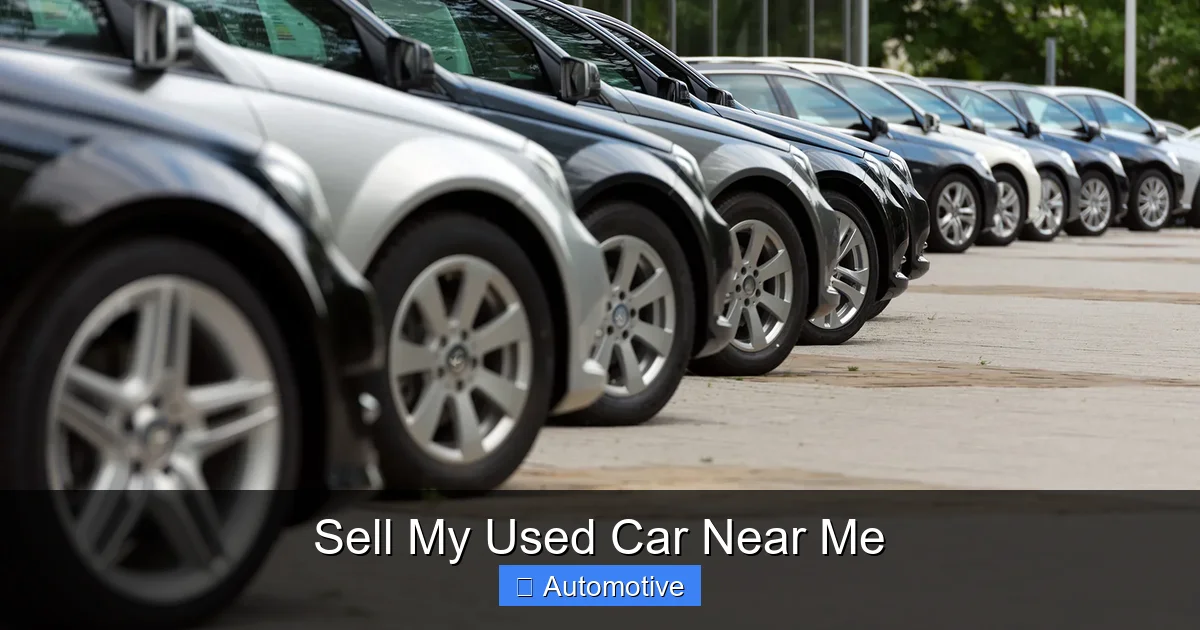
Visual guide about Sell My Used Car Near Me
Image source: forddonhinds.com
Once you know your car’s value, it’s time to decide how to sell it. Your options fall into three main categories: private sale, trade-in, or selling to a dealer or online car buyer. Each has pros and cons, so choose the one that aligns with your goals.
Private Sale: Maximum Profit, More Effort
Selling directly to another person typically yields the highest return. You avoid dealer markups and can negotiate directly with the buyer. However, it requires more work: creating ads, responding to inquiries, meeting strangers, and handling paperwork.
Private sales are ideal if:
– You want the most money possible.
– You have time to manage the process.
– Your car is in good condition and desirable.
Platforms like Facebook Marketplace, Craigslist, and Autotrader are great for reaching local buyers. Be sure to write a clear, honest description and include plenty of photos.
Trade-In: Convenience Over Cash
Trading in your car at a dealership is the easiest option. You drive in, get an offer, and apply the value toward your new purchase. The downside? You’ll usually get less than market value. Dealers need to make a profit when they resell your car.
Trade-ins are best if:
– You’re buying a new car and want a one-stop solution.
– Your car needs repairs you don’t want to fix.
– You value speed and simplicity over maximum profit.
To get the best trade-in offer, get quotes from multiple dealerships. Don’t let them lowball you—know your car’s value and be ready to walk away.
Sell to a Dealer or Online Buyer: Fast and Simple
Companies like CarMax, Carvana, and Vroom offer quick, no-hassle sales. You enter your car’s info online, get an instant offer, and schedule a pickup or drop-off. These services are great for people who want to sell fast, especially if their car isn’t in perfect shape.
The trade-off? You’ll likely get less than a private sale but more than a trade-in. It’s a middle ground between convenience and profit.
Prepare Your Car for Sale
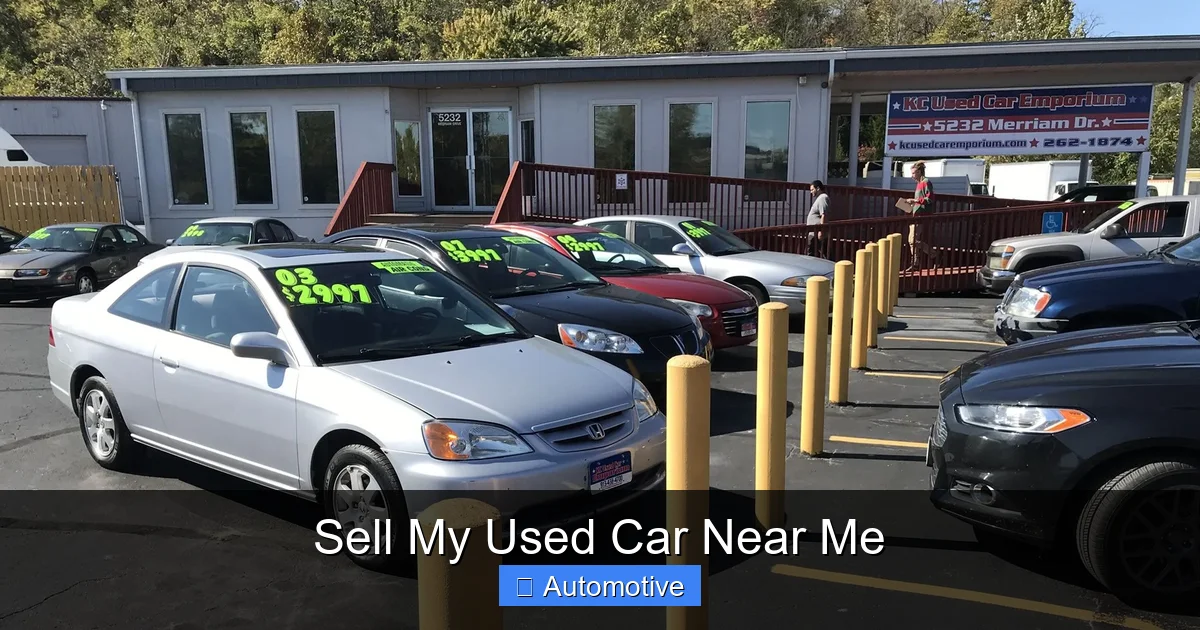
Visual guide about Sell My Used Car Near Me
Image source: i.pinimg.com
First impressions matter. A clean, well-presented car sells faster and for more money. Think of it like staging a house—small improvements can make a big difference.
Clean It Inside and Out
Start with a thorough wash and wax. Clean the windows, wheels, and tires. Inside, vacuum the carpets, wipe down surfaces, and remove personal items. Consider using an odor eliminator if there’s any lingering smell from pets, smoke, or food.
Don’t forget the trunk and under the seats—buyers will look everywhere.
Fix Minor Issues
You don’t need to rebuild the engine, but address small problems that could turn buyers off. Replace burnt-out bulbs, fix cracked windshields, and patch up torn upholstery. A $50 repair could add $500 to your sale price.
Gather Your Paperwork
Have these documents ready:
– **Title:** Must be signed and notarized (rules vary by state).
– **Vehicle History Report:** Use Carfax or AutoCheck to show accident and maintenance history.
– **Maintenance Records:** Proof of regular care builds trust.
– **Owner’s Manual:** Nice to have, especially for newer cars.
– **Bill of Sale:** A simple form stating the sale price, date, and both parties’ info.
Create a Winning Listing
Your ad is your first chance to impress. A great listing attracts serious buyers and reduces back-and-forth questions.
Write a Clear, Honest Description
Include:
– Year, make, model, and trim
– Mileage
– Condition (be honest about flaws)
– Features (sunroof, backup camera, etc.)
– Reason for selling
– Asking price
Example:
“2017 Toyota Camry LE – 78,000 miles – Excellent condition – No accidents – Regular oil changes – Great on gas – Selling because I upgraded. Asking $14,500 OBO.”
Take High-Quality Photos
Use natural light and shoot from multiple angles:
– Front, back, and sides
– Interior (seats, dashboard, trunk)
– Engine bay
– Tires and wheels
– Any damage (to be transparent)
Avoid shadows, glare, and clutter. A clean, well-lit photo can make your car look newer and more appealing.
Choose the Right Platform
List on multiple sites to reach more buyers:
– **Facebook Marketplace:** Great for local sales, easy to use.
– **Craigslist:** Free, but watch for scams.
– **Autotrader:** Trusted by serious buyers.
– **OfferUp:** Mobile-friendly, popular in urban areas.
Set your location to “local only” to attract nearby buyers.
Handle the Sale Safely and Legally
Safety and legality are non-negotiable. Protect yourself at every step.
Meet in a Safe Place
Always meet in a public, well-lit area like a police station parking lot, mall, or busy shopping center. Bring a friend if possible. Never meet at your home or a remote location.
Verify the Buyer
Ask for a valid ID and confirm their name matches the payment method. Be wary of buyers who refuse to meet in person or want to pay with a cashier’s check from another country—classic red flags.
Accept Secure Payment
Cash is safest for private sales. If the amount is large, meet at a bank so the buyer can withdraw cash in front of you. Avoid personal checks—they can bounce.
For online buyers, use secure methods like wire transfer or cashier’s check (verify it’s real before handing over the car).
Complete the Paperwork
Once the sale is final:
– Sign the title over to the buyer (follow your state’s rules).
– Fill out a bill of sale (templates are available online).
– Submit a release of liability to your DMV (this protects you if the buyer gets a ticket or causes an accident).
– Remove license plates (in most states).
Keep copies of all documents for your records.
Negotiate Like a Pro
Negotiation is part of the process—don’t take it personally. Most buyers will try to haggle, and that’s okay.
Know Your Bottom Line
Decide the lowest price you’re willing to accept before you start talking. Stick to it. If a buyer offers $1,000 below your minimum, politely decline.
Stay Calm and Confident
Don’t rush to lower your price. Ask questions: “What about the car appeals to you?” or “Have you seen similar models?” This shows you’re serious and helps you understand their perspective.
Be Willing to Walk Away
If the offer isn’t fair, say no. There are other buyers out there. Walking away can sometimes prompt the buyer to come back with a better offer.
Final Thoughts: Sell Smart, Sell Safe
Selling your used car near you is totally doable—and even enjoyable—if you go in prepared. Start by knowing your car’s value, choose the right selling method, and present your vehicle in the best light. Take safety seriously, handle the paperwork correctly, and don’t be afraid to negotiate.
Remember, the goal isn’t just to sell fast—it’s to sell smart. Whether you walk away with a few thousand dollars or upgrade to your dream car, the process should leave you feeling confident and in control.
So go ahead—clean that car, snap some photos, and get it listed. Your next chapter is waiting.
Frequently Asked Questions
How long does it take to sell a used car privately?
It typically takes 2 to 6 weeks to sell a used car privately, depending on demand, price, and how well you market it. Well-priced, clean cars in popular models often sell within a few days.
Can I sell my car if I still owe money on it?
Yes, but you’ll need to pay off the loan first. The buyer can pay the lender directly, or you can use the sale proceeds to settle the balance. Check with your lender for specific steps.
Do I need to fix my car before selling it?
Not necessarily, but minor repairs can increase value and speed up the sale. Focus on safety issues and cosmetic fixes that cost less than the potential price boost.
Is it safe to sell my car online?
Yes, if you take precautions. Meet in public, verify the buyer’s identity, and use secure payment methods. Avoid sharing personal info and never ship your car without payment.
What’s the difference between trade-in value and private sale value?
Trade-in value is what a dealer offers—usually 10–20% less than private sale value. Private sales let you keep more profit but require more effort and time.
Do I need a vehicle history report to sell my car?
It’s not required, but providing one builds trust and can speed up the sale. Buyers often request it anyway, so having it ready shows you’re transparent and prepared.
