
Best Way to Sell a Classic Car

best way to sell a classic car is an essential topic that provides valuable insights and practical knowledge for anyone interested in learning more about this subject.
Key Takeaways
- Set a realistic price: Research market values and condition to avoid overpricing or underselling.
- Document the car’s history: Include service records, ownership timeline, and restoration details.
- Clean and detail thoroughly: First impressions matter—show the car in its best possible light.
- Use targeted platforms: List on classic car marketplaces like Hemmings or Bring a Trailer.
- Be transparent with buyers: Disclose flaws honestly to build trust and speed up the sale.
- Consider a professional appraisal: Get an expert valuation to support your asking price.
📑 Table of Contents
Best Way to Sell a Classic Car
So, you’ve got a classic car sitting in your garage—maybe it’s that cherry-red 1967 Mustang you’ve been restoring for years, or the sleek 1970 Chevy Camaro that turns heads every time you take it for a Sunday drive. It’s more than just a vehicle; it’s a piece of history, a labor of love, and maybe even a family heirloom. But now, for whatever reason—downsizing, financial need, or simply wanting to pass it on to someone who’ll appreciate it—you’re ready to sell.
Selling a classic car isn’t like trading in your daily driver at the dealership. These machines carry emotional weight, historical significance, and often, serious value. The process requires more than just slapping a “For Sale” sign on the windshield and hoping for the best. Whether you’re a seasoned collector or a first-time seller, knowing the best way to sell a classic car can mean the difference between a quick, fair sale and months of frustration—or worse, leaving money on the table.
In this guide, I’ll walk you through every step of the process, from preparing your car for sale to choosing the right platform and closing the deal with confidence. We’ll cover pricing strategies, documentation, marketing tips, and even how to avoid common pitfalls. Think of this as your trusted friend sharing hard-earned lessons—because I’ve been there. Whether your classic is fully restored, a project car, or somewhere in between, this guide will help you get the best possible outcome.
Understand Your Car’s True Value
Before you even think about listing your classic car, you need to know what it’s really worth. This isn’t just about checking a few online listings and picking a number. Classic car values are influenced by a mix of factors—some obvious, others more subtle. Getting this right sets the foundation for a successful sale.
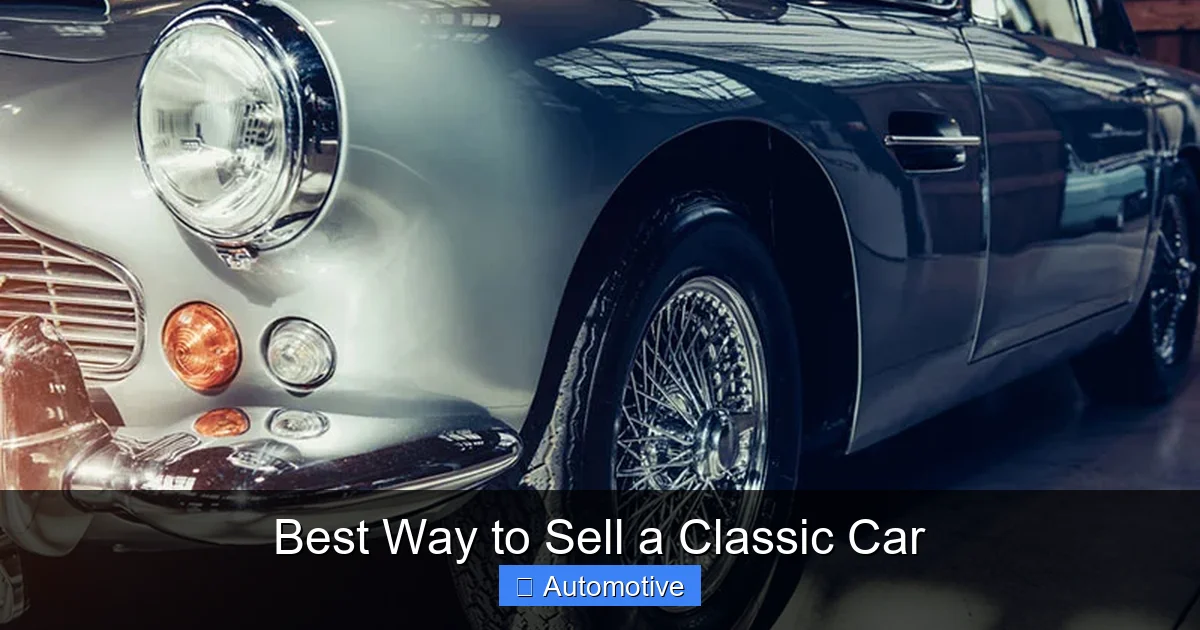
Visual guide about Best Way to Sell a Classic Car
Image source: sellaclassiccar.com
Factors That Affect Classic Car Value
Several key elements determine how much your classic car is worth. Here’s what serious buyers and appraisers look at:
- Originality: Cars with matching numbers (original engine, transmission, etc.) and factory-correct parts typically command higher prices. A 1969 Dodge Charger with its original 440 Magnum engine? That’s gold.
- Condition: Is it a show car, a driver, or a project? A fully restored, museum-quality vehicle will sell for far more than one that needs work—even if both are the same model.
- Rarity: Limited production runs, special editions, or unique options (like a factory sunroof on a 1970 Plymouth Barracuda) can significantly boost value.
- Provenance: Did your car belong to a celebrity? Was it featured in a movie? Documentation of its history can add serious appeal.
- Market Trends: Some models go in and out of favor. Right now, early 1990s Japanese sports cars like the Nissan Skyline GT-R are skyrocketing in value, while others may be plateauing.
For example, a 1965 Ford Mustang in average condition might sell for $25,000, but a fully restored, numbers-matching GT350 with documented race history could fetch $200,000 or more. The difference isn’t just in the car—it’s in the story and the details.
How to Research Accurate Pricing
Don’t rely on just one source. Use a combination of tools to get a realistic estimate:
- Hagerty Valuation Tools: One of the most trusted resources for classic car pricing. They offer free valuations based on condition, mileage, and market trends.
- Classic.com: Aggregates recent sales data from auctions and private listings, giving you a real-time snapshot of what similar cars are actually selling for.
- Hemmings Motor News: A long-standing marketplace with thousands of listings. Compare your car to others with similar specs.
- Local Appraisers: For high-value or rare vehicles, consider hiring a certified appraiser. They’ll inspect the car in person and provide a detailed report—worth every penny if you’re selling a six-figure machine.
Pro tip: Look at completed sales, not just asking prices. A car listed for $50,000 might sit unsold for months, while one priced at $42,000 sells in a week. The market tells the real story.
Prepare Your Classic Car for Sale
You wouldn’t show up to a job interview in wrinkled clothes, right? The same goes for selling your classic car. First impressions matter—especially when buyers are spending thousands (or tens of thousands) of dollars. Taking the time to prepare your car can dramatically increase its appeal and final sale price.
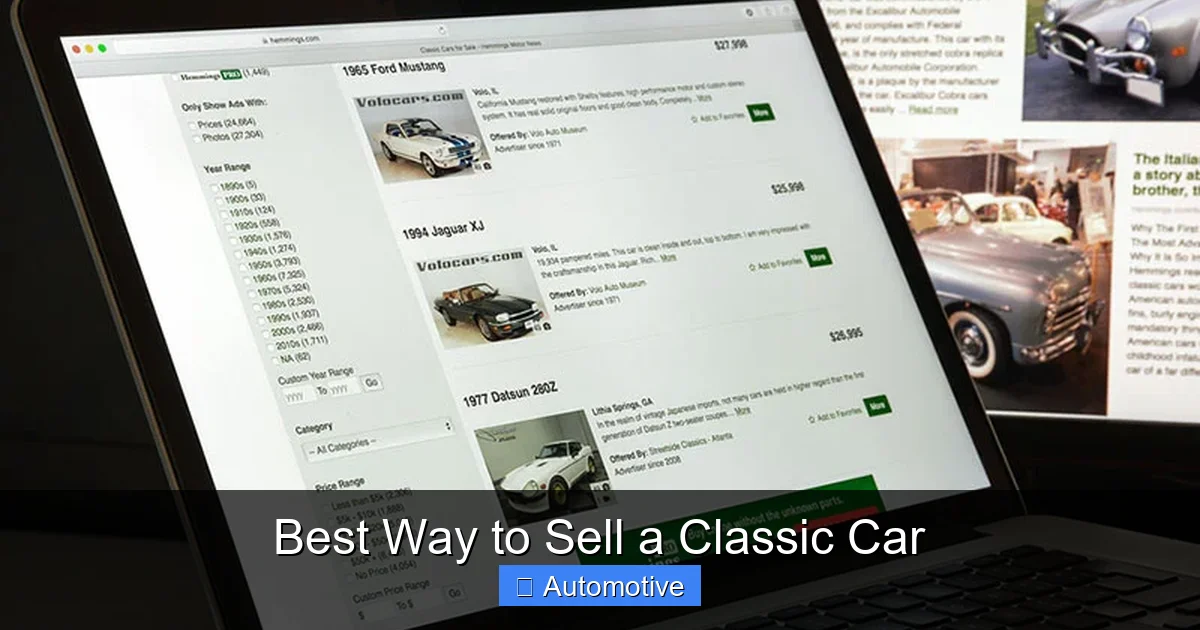
Visual guide about Best Way to Sell a Classic Car
Image source: sellaclassiccar.com
Clean and Detail Like a Pro
This isn’t just about washing the car. We’re talking full detailing—inside and out. A clean car signals care and maintenance, which builds buyer confidence.
- Exterior: Wash, clay bar, and wax the paint. Polish chrome trim and restore faded lenses. If the paint has minor scratches, consider a professional touch-up.
- Interior: Vacuum thoroughly, clean upholstery (even if it’s original), and condition leather or vinyl. Remove any odors—no one wants a car that smells like old coffee and gym socks.
- Engine Bay: A clean engine compartment shows the car has been well-maintained. Use a degreaser and soft brush, then dress hoses and wires for a fresh look.
- Undercarriage: If the car is lifted or stored on jack stands, clean off dirt and rust. A spotless undercarriage can be a selling point for collectors.
I once helped a friend sell his 1972 VW Beetle. He spent $150 on a professional detail, and the car sold for $3,000 more than his original asking price. The buyer said the cleanliness was the deciding factor.
Address Minor Repairs and Maintenance
You don’t need to restore the entire car, but fixing small issues can prevent buyers from lowballing you. Focus on items that are easy and inexpensive to fix:
- Replace burnt-out bulbs
- Fix sticky door handles or window cranks
- Top off fluids and replace worn wiper blades
- Patch small cracks in the windshield
- Ensure all gauges and lights work
Avoid major mechanical work unless it’s absolutely necessary. If the engine runs rough or the transmission slips, be upfront about it—but don’t spend $5,000 rebuilding the motor just to sell the car. Buyers often prefer to do their own work and will factor that into their offer.
Gather and Organize Documentation
Paperwork is power in the classic car world. The more documentation you have, the more trustworthy and valuable your car appears.
Collect and organize:
- Original owner’s manual and warranty card
- Service and repair records (even old receipts)
- Restoration photos and invoices
- Previous titles and registration documents
- Appraisal reports or inspection certificates
- Any historical documents (e.g., factory build sheets, dealer invoices)
Create a neat folder or binder to present to buyers. I’ve seen sellers include a USB drive with digital copies of everything—this small touch can make a big impression.
Choose the Right Selling Platform
Now that your car is clean, priced, and documented, it’s time to decide where to sell it. The platform you choose can affect how quickly you sell, how much you get, and how smooth the process is. Each option has pros and cons, so let’s break them down.
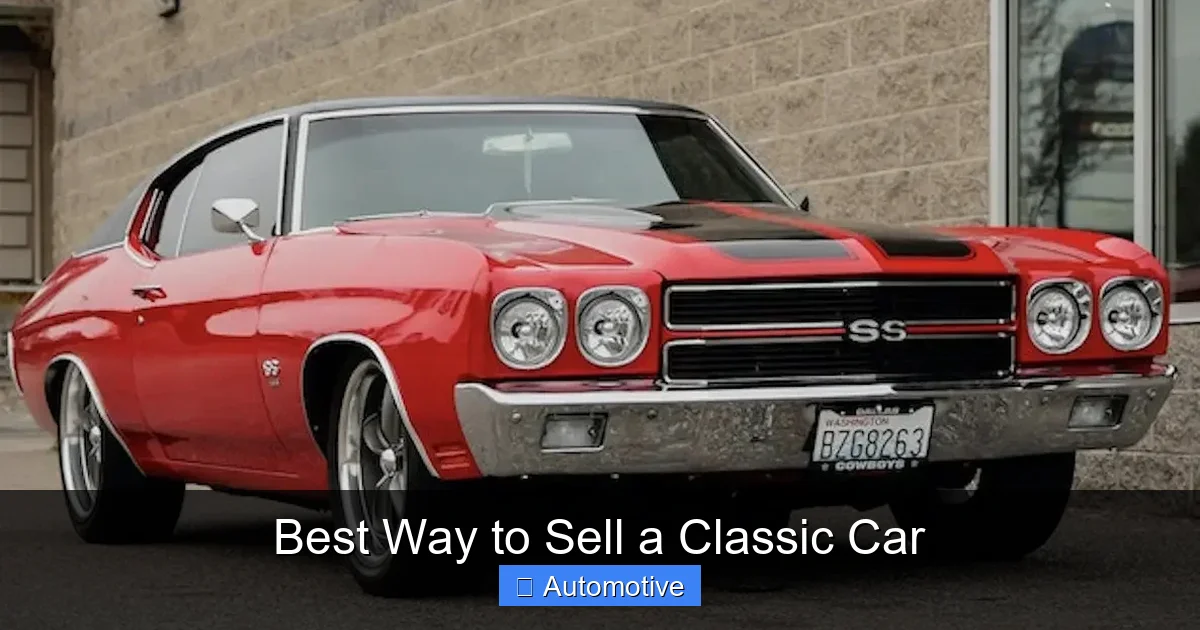
Visual guide about Best Way to Sell a Classic Car
Image source: assets-global.website-files.com
Online Marketplaces
These are the most popular options for private sellers. They offer wide reach and often attract serious buyers.
- eBay Motors: Great for rare or high-value cars. You can set a reserve price or sell via auction. Fees apply, but the exposure is unmatched.
- Craigslist: Free to list and ideal for local sales. Be cautious—scams are common. Always meet in public and bring a friend.
- Facebook Marketplace: Easy to use and increasingly popular. You can target local buyers and join classic car groups for extra visibility.
- ClassicCars.com: A dedicated platform for classic and collector cars. Buyers here are often more knowledgeable and willing to pay a premium.
When listing online, use high-quality photos (more on that below) and write a detailed, honest description. Include specs, condition, history, and why you’re selling. Transparency builds trust.
Classic Car Auctions
Auctions can be exciting and profitable—especially for rare or high-end vehicles. But they’re not for everyone.
Types of Auctions:
- Live Auctions (e.g., Barrett-Jackson, Mecum): High-energy events with thousands of attendees. Great for visibility, but consignment fees can be steep (10–15% of the sale price).
- Online Auctions (e.g., Bring a Trailer): Growing in popularity. Lower fees and global reach. Bring a Trailer, in particular, has a passionate community of collectors.
Auctions work best if your car is in excellent condition or has unique appeal. A project car might not get much attention. Also, be prepared for the possibility that your car won’t meet the reserve and won’t sell.
Dealers and Consignment Shops
If you want a hands-off approach, consider selling to a classic car dealer or using a consignment service.
- Selling to a Dealer: Quick and easy, but you’ll get less money. Dealers need to make a profit, so they’ll offer 10–20% below market value.
- Consignment: The dealer sells the car for you and takes a commission (usually 5–10%). You keep more control over pricing and presentation, but it can take longer.
This option is best if you’re in a hurry or don’t want to deal with buyers directly. Just make sure to choose a reputable dealer with good reviews.
Word of Mouth and Local Networks
Sometimes the best way to sell a classic car is through personal connections.
- Tell friends, family, and coworkers you’re selling.
- Join local car clubs or attend car shows—many sales happen through these networks.
- Post in regional classic car forums or Facebook groups.
I sold my first classic—a 1968 Camaro—to a guy I met at a local cruise night. No fees, no hassle, and we both walked away happy.
Market Your Classic Car Effectively
Even the most beautiful classic car won’t sell if no one sees it. Marketing is where many sellers fall short. You need to create a listing that grabs attention, builds trust, and convinces buyers to reach out.
Take High-Quality Photos
Photos are your first—and sometimes only—chance to impress. Poor lighting, cluttered backgrounds, or blurry shots can kill interest instantly.
Follow these tips:
- Shoot during the “golden hour” (early morning or late afternoon) for soft, flattering light.
- Use a clean, neutral background—avoid busy streets or messy garages.
- Take photos from multiple angles: front, rear, sides, interior, engine bay, trunk, and undercarriage.
- Capture close-ups of unique features, badging, and any flaws (yes, include flaws—it builds credibility).
- Show the car in motion if possible—a short video of it driving can be very persuasive.
Example: A 1970 Chevelle with glossy paint, detailed engine, and clean interior photos sold in three days on Bring a Trailer. The seller included a video of the engine starting and a walkaround—buyers loved the transparency.
Write a Compelling Description
Your description should be informative, honest, and engaging. Avoid fluff and focus on facts.
Structure it like this:
- Opening Hook: “Rare 1965 Shelby GT350, numbers-matching, fully documented.”
- Key Details: Year, make, model, engine, transmission, mileage, color, VIN.
- Condition: Be specific. “Original interior with minor wear on driver’s seat. Paint is 90% original with minor touch-ups.”
- History: How long you’ve owned it, previous owners, restoration work, awards, or show history.
- Why Selling: “Relocating and no longer have space.” This humanizes you and reduces suspicion.
- Call to Action: “Serious inquiries only. Test drives available with proof of insurance.”
Avoid phrases like “must sell” or “lowballers will be ignored.” They come off as desperate or hostile. Stay professional and confident.
Price It Right—and Be Ready to Negotiate
Pricing too high can scare buyers away. Pricing too low leaves money on the table. Aim for the sweet spot.
Start with your researched value, then consider:
- How quickly do you need to sell?
- Is the car in above-average condition?
- Are there multiple interested buyers?
If you’re flexible, price it slightly above your minimum to leave room for negotiation. Most buyers expect to haggle—it’s part of the process.
When negotiating, stay calm and know your bottom line. If an offer is too low, politely explain why your car is worth more (e.g., “This one has original documentation and a recent engine rebuild”).
Avoid Common Pitfalls and Scams
Selling a classic car can be rewarding, but it’s not without risks. Scammers, lowballers, and logistical headaches are real concerns. Here’s how to protect yourself.
Recognize and Avoid Scams
Classic cars attract scammers because of their high value. Watch out for:
- Overpayment Scams: A buyer sends a check for more than the asking price and asks for the difference back. The check bounces, and you’re out the money.
- Fake Escrow Services: They claim to use a secure third party, but it’s a fake site. Always verify escrow companies independently.
- Phony Inspectors: Someone offers to inspect the car for a fee, then disappears with your money.
- Wire Transfer Requests: Never send money or personal info via wire transfer unless you’re 100% certain of the recipient.
Red flags: Buyers who refuse to meet in person, want to pay with gift cards, or pressure you to act quickly.
Handle Test Drives and Inspections Safely
Test drives are essential, but they come with risk. Protect yourself:
- Always ride along—never let a stranger drive your car alone.
- Verify the buyer’s driver’s license and insurance.
- Meet in a public, well-lit area.
- Have a friend accompany you.
- Consider requiring a deposit before the test drive.
For serious buyers, suggest a pre-purchase inspection (PPI) by a trusted mechanic. This shows you’re confident in the car and can speed up the sale.
Complete the Sale Legally and Securely
Once you’ve agreed on a price, finalize the sale properly:
- Use a bill of sale that includes both parties’ info, VIN, sale price, and date.
- Accept secure payment methods: cash, cashier’s check, or bank transfer. Avoid personal checks.
- Sign over the title correctly—check your state’s requirements.
- Notify your DMV of the sale to avoid liability.
- Remove license plates (in most states) and cancel insurance.
Keep copies of all documents for your records. If selling across state lines, research any additional requirements.
Final Tips for a Smooth Sale
Selling a classic car is as much about patience and strategy as it is about the car itself. Here are a few final tips to wrap things up:
- Be patient: The right buyer may take time to find. Don’t rush into a bad deal.
- Stay flexible: Consider trade offers or partial payments if it makes sense.
- Keep emotions in check: It’s hard to let go of a car you love, but remember—you’re passing it on to someone who will appreciate it.
- Ask for feedback: If your car isn’t selling, ask potential buyers why. Use their input to improve your listing.
And finally, celebrate the sale! Whether you made a profit or just broke even, you’ve successfully passed on a piece of automotive history.
Conclusion
Selling a classic car doesn’t have to be stressful or confusing. By understanding your car’s value, preparing it thoroughly, choosing the right platform, and marketing it effectively, you can navigate the process with confidence. Avoid scams, protect yourself during test drives, and close the deal legally and securely.
The best way to sell a classic car is one that balances speed, price, and peace of mind. Whether you’re selling a show-stopping muscle car or a humble project vehicle, the key is to be informed, honest, and proactive. With the right approach, you’ll find the perfect new home for your classic—and maybe even make a few new friends along the way.
So take a deep breath, gather your documents, and get that beauty ready for its next chapter. The right buyer is out there. And when they find your car, they’ll know they’ve found something special.
Frequently Asked Questions
What is best way to sell a classic car?
best way to sell a classic car is an important topic with many practical applications and benefits.
How can best way to sell a classic car help me?
Understanding best way to sell a classic car can improve your knowledge and provide practical solutions.