
How to Sell a Car in Michigan

Selling a car in Michigan doesn’t have to be stressful. With the right preparation, clear documentation, and smart marketing, you can sell your vehicle quickly and legally—whether you’re dealing with a private buyer or a dealership.
Key Takeaways
- Prepare your paperwork: Gather the title, registration, maintenance records, and a completed Bill of Sale to ensure a smooth transaction.
- Price your car fairly: Use tools like Kelley Blue Book or Edmunds to research market value based on mileage, condition, and local demand.
- Clean and inspect your vehicle: A well-maintained car with a recent inspection report builds buyer confidence and can increase resale value.
- Advertise effectively: Use high-quality photos, detailed descriptions, and popular platforms like Craigslist, Facebook Marketplace, or Autotrader.
- Complete the sale legally: Sign over the title correctly, notify the Michigan Secretary of State, and provide a release of liability to protect yourself.
- Avoid scams and unsafe deals: Meet in public places, accept secure payment methods, and never release the car before payment clears.
- Consider trade-ins or cash offers: Dealerships and services like CarMax or Carvana offer convenience, though often at a lower price than private sales.
📑 Table of Contents
- How to Sell a Car in Michigan: A Complete Step-by-Step Guide
- Step 1: Prepare Your Vehicle and Paperwork
- Step 2: Determine the Right Price
- Step 3: Advertise Your Car Effectively
- Step 4: Handle Inquiries and Test Drives
- Step 5: Complete the Sale and Transfer Ownership
- Alternative Selling Options
- Final Tips for a Smooth Sale
- Conclusion
How to Sell a Car in Michigan: A Complete Step-by-Step Guide
So, you’ve decided it’s time to part ways with your car. Maybe you’re upgrading to something newer, downsizing, or just ready for a change. Whatever the reason, selling a car in Michigan can feel overwhelming—especially if you’ve never done it before. But don’t worry. With a little planning and the right know-how, you can sell your vehicle safely, legally, and for a fair price.
Michigan has specific rules and requirements when it comes to transferring vehicle ownership, and skipping steps can lead to headaches down the road—like being held responsible for a ticket issued to the new owner. That’s why it’s crucial to follow the proper process from start to finish. Whether you’re selling to a private buyer or trading in at a dealership, this guide will walk you through every step, from cleaning your car to signing over the title.
In this article, we’ll cover everything you need to know about how to sell a car in Michigan, including preparing your vehicle, pricing it correctly, advertising effectively, handling the sale, and completing all legal paperwork. By the end, you’ll feel confident and ready to sell your car the right way.
Step 1: Prepare Your Vehicle and Paperwork
Visual guide about How to Sell a Car in Michigan
Image source: legaltemplates.net
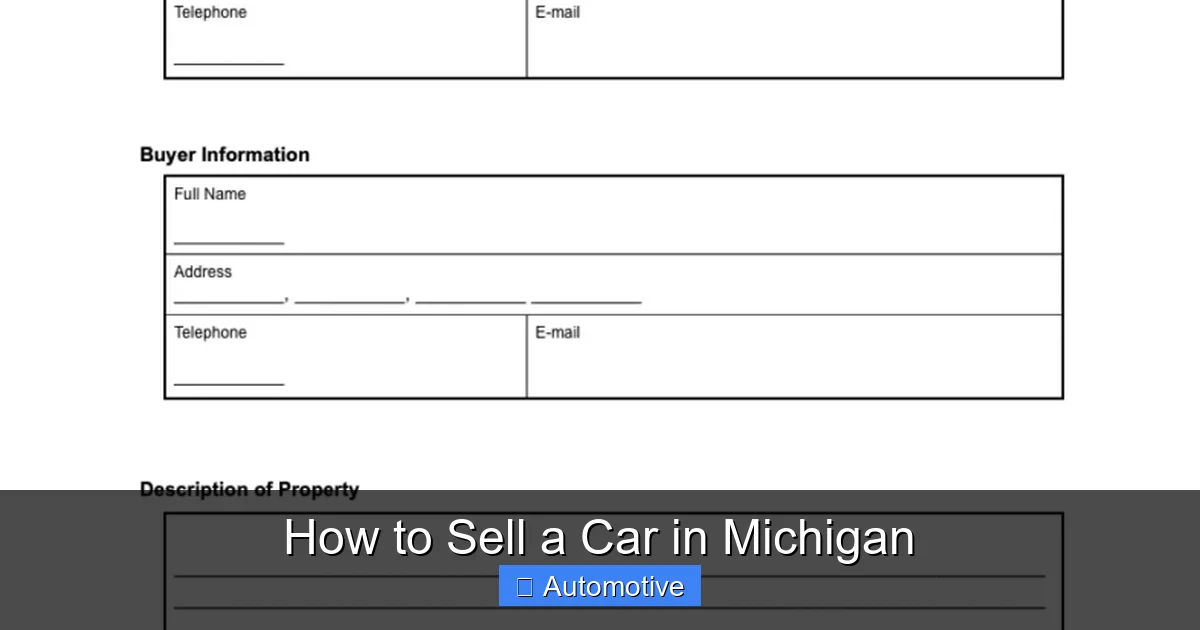
Before you even think about listing your car, take time to get it—and your documents—in order. A well-prepared vehicle sells faster and for more money. Start by gathering all essential paperwork. You’ll need the vehicle’s title, which must be signed over to the buyer. If you’ve lost the title, you can request a duplicate from the Michigan Secretary of State (SOS) office for a small fee. You’ll also want your current registration, maintenance records, and a completed odometer disclosure statement if the car is less than 10 years old.
Next, clean your car inside and out. This isn’t just about looks—it shows the buyer you’ve taken care of the vehicle. Wash the exterior, vacuum the interior, wipe down surfaces, and remove personal items. Consider getting a professional detail if the car needs extra attention. A fresh scent and spotless interior can make a big difference.
It’s also smart to get a pre-sale inspection. Many buyers will ask for one, and having it done ahead of time builds trust. Take your car to a trusted mechanic for a full check-up. Fix any minor issues—like a burnt-out bulb or low tire pressure—before listing. If there are bigger problems, be upfront about them. Honesty prevents disputes later.
Finally, gather any extras that add value: spare keys, owner’s manuals, service records, and accessories like roof racks or floor mats. These small touches can tip the scale in your favor when a buyer is deciding between similar cars.
Check for Liens and Ownership Issues
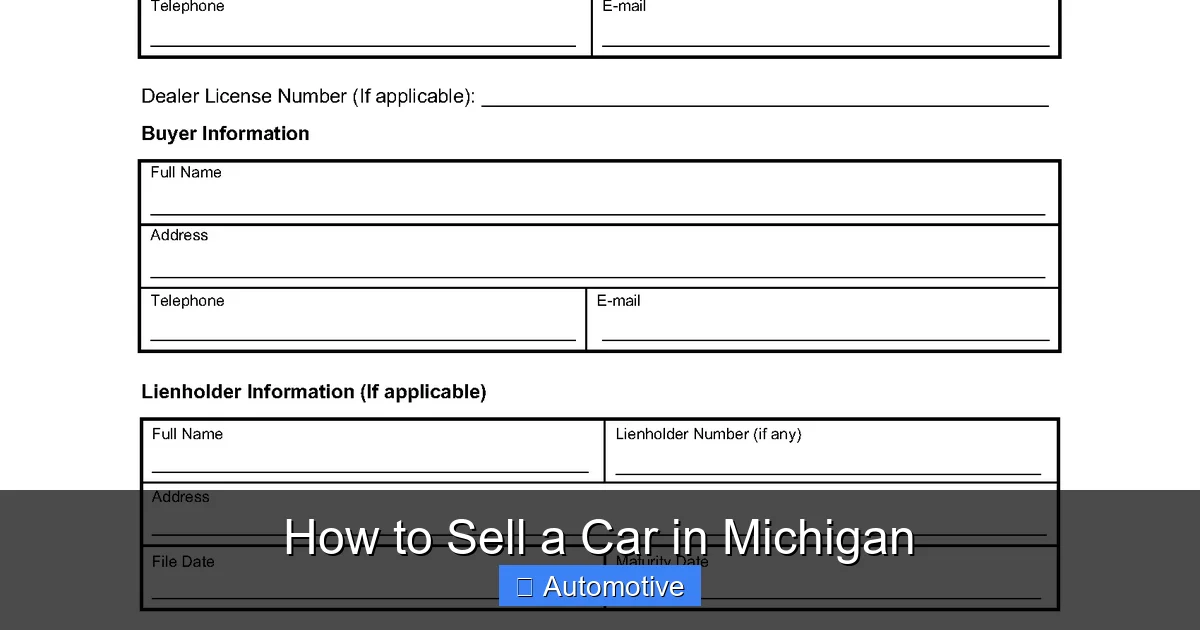
Before you sell, make sure there are no liens on the vehicle. A lien means someone else—like a bank or credit union—has a legal claim to the car until a loan is paid off. You can’t transfer ownership until the lien is released. Check your title: if it says “lienholder” or “secured party,” you’ll need to pay off the loan and get a lien release document from the lender.
Also, confirm that you’re the legal owner. If the car is in your name, you’re good to go. But if it’s jointly owned or in a trust, all parties must sign the title. If you’re selling on behalf of someone else (like a deceased relative), you may need legal documentation, such as a death certificate and letters of testamentary.
Gather Required Documents
Here’s a checklist of documents you’ll need when selling a car in Michigan:
- Vehicle Title: Must be signed by the seller(s) and include the sale price and odometer reading.
- Bill of Sale: While not always required, it’s highly recommended. Michigan provides a free template on the SOS website.
- Odometer Disclosure Statement: Required for vehicles under 10 years old. Must be completed on the title or a separate form.
- Release of Liability: You must file this with the Michigan SOS within 5 days of the sale to avoid future liability.
- Maintenance Records: Optional but helpful. Shows the car has been well cared for.
- Emissions Test Results: Not required for most vehicles in Michigan, but good to have if applicable.
Having these ready saves time and shows buyers you’re serious and organized.
Step 2: Determine the Right Price
Visual guide about How to Sell a Car in Michigan
Image source: legaltemplates.net
Pricing your car correctly is one of the most important steps in how to sell a car in Michigan. Overprice it, and it’ll sit on the market for months. Underprice it, and you lose money. So how do you find that sweet spot?
Start by researching similar vehicles in your area. Use trusted pricing tools like Kelley Blue Book (KBB), Edmunds, or NADA Guides. Enter your car’s make, model, year, mileage, condition, and features. These tools will give you a range—usually “trade-in value” and “private party value.” Since you’re selling privately, focus on the private party value.
But don’t stop there. Check local listings on Craigslist, Facebook Marketplace, Autotrader, and Cars.com. Look at cars with similar mileage, condition, and options. Are they priced higher or lower than the online estimates? Local market conditions matter. For example, SUVs and trucks may sell for more in rural areas, while fuel-efficient cars might be in higher demand near cities.
Adjust for Condition and Extras
Your car’s condition plays a big role in pricing. A vehicle in “excellent” condition with low mileage and no accidents can command top dollar. But if it has wear and tear, mechanical issues, or high mileage, you’ll need to adjust the price accordingly.
Be honest with yourself. Is the paint faded? Are there dents or scratches? Does the interior have stains or odors? These factors reduce value. On the flip side, if you’ve recently replaced the tires, brakes, or battery, mention that—it can justify a slightly higher price.
Also, consider aftermarket upgrades. New stereo systems, alloy wheels, or performance parts can add value, but only if the buyer cares about them. Don’t overvalue modifications—most buyers prefer stock vehicles.
Set a Competitive Asking Price
Once you’ve done your research, set a price that’s competitive but leaves room for negotiation. For example, if similar cars are listed at $12,000, consider pricing yours at $11,800. This gives you a cushion when buyers make offers.
Avoid pricing too low just to sell fast. You might attract lowball offers or suspicious buyers. Instead, be patient and confident in your price. If your car is clean, well-maintained, and priced fairly, it will sell.
Pro tip: Include “or best offer” in your ad to encourage negotiation without committing to a lower price upfront.
Step 3: Advertise Your Car Effectively
Visual guide about How to Sell a Car in Michigan
Image source: bestlettertemplate.com
Now that your car is ready and priced, it’s time to get the word out. The way you advertise can make or break your sale. A great ad attracts serious buyers; a vague or poorly written one scares them away.
Start with high-quality photos. Take pictures in good lighting—early morning or late afternoon works best. Capture the exterior from multiple angles, the interior (front and back seats), the dashboard, the trunk, and under the hood. Show any flaws honestly—this builds trust. Avoid filters or editing that misrepresents the car.
Write a clear, detailed description. Include the make, model, year, mileage, engine size, transmission type, fuel economy, and key features (like Bluetooth, backup camera, or heated seats). Mention recent repairs or upgrades. Be honest about any issues—buyers appreciate transparency.
Choose the Right Platforms
Where you list your car matters. Here are the best options for selling a car in Michigan:
- Facebook Marketplace: Free, easy to use, and popular in Michigan. You can target local buyers and respond quickly to messages.
- Craigslist: Still widely used, especially in cities like Detroit, Grand Rapids, and Ann Arbor. Be cautious of scams—only deal locally and in person.
- Autotrader and Cars.com: Great for reaching serious buyers. These sites charge a fee, but they attract people ready to buy.
- Local Classifieds: Check newspapers or community boards, especially in smaller towns.
- Car-Specific Forums: If you’re selling a niche vehicle (like a truck or classic car), forums like Ford Truck Enthusiasts or Mustang forums can connect you with passionate buyers.
List your car on at least two platforms to maximize visibility. Update your ad regularly to keep it at the top of search results.
Write a Compelling Ad
Your ad should answer the buyer’s questions before they ask. Here’s a sample structure:
- Headline: “2018 Honda CR-V EX – Low Miles, Clean Title, Excellent Condition”
- Price: Clearly stated
- Key Details: Mileage, transmission, drivetrain, fuel type
- Features: List must-haves like Apple CarPlay, AWD, or sunroof
- Condition: Mention any wear, recent repairs, or maintenance
- Reason for Selling: Brief and honest (e.g., “Upgrading to a larger vehicle”)
- Contact Info: Phone number or email—avoid giving out your home address
Avoid using all caps or excessive exclamation points. Keep it professional and friendly.
Step 4: Handle Inquiries and Test Drives
Once your ad goes live, you’ll start getting messages. Respond promptly—buyers often contact multiple sellers and go with the most responsive one. Be polite and professional in your replies.
When someone asks about the car, answer their questions honestly. If they want to see it, schedule a meeting in a public place—like a mall parking lot or police station. Never meet at your home or a remote location.
Screen Potential Buyers
Not everyone who contacts you is serious. Some are scammers, others are just curious. Ask questions to gauge their interest:
- “Have you seen similar cars in this price range?”
- “Do you have financing arranged?”
- “When were you thinking of buying?”
If they seem vague or pushy, proceed with caution. Legitimate buyers will ask about the car’s condition, history, and test drive.
Conduct Safe Test Drives
Test drives are essential—but they come with risks. To stay safe:
- Always go with the buyer. Never let them drive alone.
- Ask for their driver’s license and verify it’s valid.
- Take a photo of their ID and keep it on file.
- Drive in a safe, familiar area with good lighting.
- Limit the test drive to 15–20 minutes.
- Keep your phone handy and let someone know where you’re going.
During the drive, point out features and answer questions. Let the buyer focus on how the car feels—don’t oversell. If they’re interested, they’ll ask to move forward.
Step 5: Complete the Sale and Transfer Ownership
When a buyer is ready to purchase, it’s time to finalize the deal. This is where many sellers make mistakes—don’t let that be you.
Accept Secure Payment
Never accept cash for large amounts—it’s risky and hard to verify. Instead, use secure methods:
- Cashier’s Check: Get it from a bank and verify it’s legitimate before handing over the car.
- Bank Transfer: Direct deposit from the buyer’s bank to yours. Safe and traceable.
- Certified Check: Similar to a cashier’s check, but issued by the buyer’s bank.
Avoid personal checks—they can bounce. If the buyer insists on cash, meet at a bank so you can deposit it immediately.
Sign Over the Title
The title is the most important document in the sale. Here’s how to sign it correctly:
- Fill in the buyer’s name and address exactly as it appears on their ID.
- Write the sale price (even if it’s a gift—this affects taxes).
- Complete the odometer disclosure if required.
- Sign your name in the seller section.
- Have the buyer sign in the purchaser section.
Make a copy of the signed title for your records.
Complete a Bill of Sale
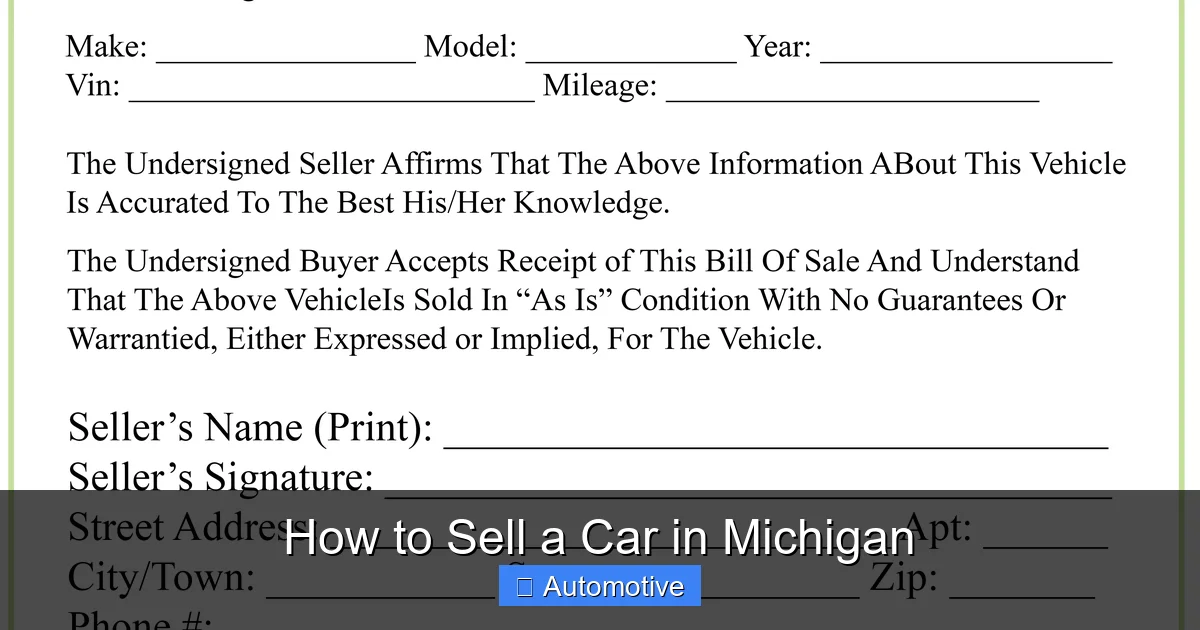
While not always required, a Bill of Sale protects both parties. Michigan provides a free form on the SOS website. Include:
- Vehicle details (VIN, make, model, year)
- Seller and buyer names and addresses
- Sale price and date
- Odometer reading
- Signatures of both parties
Both you and the buyer should keep a copy.
File a Release of Liability
This is critical. Within 5 days of the sale, you must notify the Michigan Secretary of State that you’ve sold the car. You can do this online at the SOS website or by mailing Form TR-10. This protects you from future tickets, tolls, or accidents involving the vehicle.
Remove License Plates and Cancel Insurance
In Michigan, license plates stay with the seller—not the car. Remove them before handing over the vehicle. You can transfer them to a new car or return them to the SOS.
Also, cancel or adjust your insurance policy. You don’t want to keep paying for a car you no longer own. Call your insurer the day of the sale to avoid overcharging.
Alternative Selling Options
If the private sale process feels too time-consuming, consider other options.
Sell to a Dealership
Trading in your car at a dealership is convenient. They handle the paperwork, and you can apply the value toward a new purchase. However, trade-in offers are usually lower than private sale prices—dealers need to make a profit when they resell.
To get the best offer, get quotes from multiple dealerships. Use your research from KBB or Edmunds to negotiate.
Use Online Car Buyers
Services like CarMax, Carvana, and Vroom offer quick cash for your car. You get an online quote, schedule an inspection, and receive payment—often the same day. These companies are licensed and reputable, but their offers may be 10–15% below market value.
They’re ideal if you need to sell fast and don’t want to deal with buyers.
Sell at Auction
If you have a classic, rare, or high-value car, consider selling at auction. Michigan has several auto auctions, both physical and online. Auctions can fetch high prices, but they come with fees and no guarantee of sale.
Final Tips for a Smooth Sale
Selling a car in Michigan doesn’t have to be complicated. Follow these final tips to ensure a successful transaction:
- Be patient: The right buyer may take a few weeks to find.
- Stay safe: Always meet in public and verify payment before handing over the car.
- Be honest: Disclose any issues upfront to avoid disputes.
- Keep records: Save copies of all documents for at least a year.
- Don’t rush: Take your time with paperwork to avoid mistakes.
With the right approach, you can sell your car quickly, legally, and for a fair price.
Conclusion
Selling a car in Michigan is entirely doable—even if it’s your first time. By preparing your vehicle, pricing it correctly, advertising effectively, and following the legal steps, you can complete the sale with confidence. Whether you choose a private sale, trade-in, or online buyer, the key is to stay informed and organized.
Remember, the goal isn’t just to sell fast—it’s to sell safely and fairly. Take the time to do it right, and you’ll walk away with cash in hand and peace of mind. Now that you know how to sell a car in Michigan, you’re ready to get started. Good luck!
Frequently Asked Questions
Do I need a Bill of Sale to sell a car in Michigan?
While not legally required, a Bill of Sale is highly recommended. It protects both the buyer and seller by documenting the sale details, including price, date, and vehicle information. Michigan provides a free template on the Secretary of State website.
Can I sell a car in Michigan if I still owe money on it?
No, you cannot sell a car with an active lien unless the loan is paid off first. Contact your lender to payoff the balance and obtain a lien release before transferring ownership.
How long do I have to report a car sale to the Michigan SOS?
You must file a Release of Liability with the Michigan Secretary of State within 5 days of the sale. This protects you from future liability for tickets or accidents involving the vehicle.
Do I need to provide an emissions test when selling a car in Michigan?
Emissions testing is not required for most vehicles in Michigan, so you typically don’t need to provide a test result when selling. However, it’s still helpful to have maintenance records available.
Can I sell my car without a title in Michigan?
No, you must have a valid title to sell a car in Michigan. If you’ve lost it, request a duplicate from the Secretary of State office for a small fee before listing the vehicle.
What payment methods are safest when selling a car privately?
The safest payment methods are cashier’s checks, bank transfers, or certified checks. Avoid personal checks and large amounts of cash. Always verify payment before handing over the car and keys.
