
Do I Need a Title to Sell My Car

Yes, you typically need a title to sell your car legally—but there are exceptions. Understanding your state’s rules and alternatives can help you complete the sale smoothly, even if your title is missing or damaged.
Key Takeaways
- Most states require a title to sell a car: A valid title proves ownership and is legally necessary for transferring the vehicle to a new owner in nearly every state.
- Exceptions exist for older vehicles: Some states allow sales of cars over 10–20 years old without a title, depending on local laws and vehicle value.
- You can apply for a duplicate title: If your title is lost, stolen, or damaged, you can request a replacement from your state’s DMV or motor vehicle agency.
- Private sales vs. dealerships differ: Dealerships may accept vehicles without titles under certain conditions, but private buyers almost always require one.
- Selling without a title can raise red flags: Buyers may suspect fraud or hidden issues, making it harder to sell and potentially lowering your car’s value.
- Bill of sale alone isn’t enough: While helpful, a bill of sale doesn’t replace a title and won’t legally transfer ownership in most cases.
- Check your state’s specific rules: Laws vary widely—always verify requirements with your local DMV before listing your car for sale.
📑 Table of Contents
- Do I Need a Title to Sell My Car? The Short Answer
- What Is a Car Title and Why Does It Matter?
- Can You Sell a Car Without a Title?
- How to Get a Duplicate Title
- What Buyers Need to Know
- State-by-State Variations: Know Your Local Laws
- Tips for a Smooth Car Sale
- Conclusion: Yes, You Usually Need a Title—But There Are Options
Do I Need a Title to Sell My Car? The Short Answer
If you’re thinking about selling your car, one of the first questions that might pop into your head is: “Do I need a title to sell my car?” The straightforward answer is—yes, in most cases, you do. A car title is more than just a piece of paper; it’s the legal document that proves you own the vehicle. Without it, transferring ownership becomes complicated, if not impossible, in many states.
But life isn’t always straightforward. Maybe you misplaced your title, it got damaged in a flood, or you never received one after buying the car. Perhaps you inherited a vehicle and aren’t sure about the paperwork. These situations are more common than you’d think, and they don’t necessarily mean you’re stuck with a car you no longer want. Understanding the rules—and your options—can help you navigate the process with confidence.
This guide will walk you through everything you need to know about selling a car with or without a title. We’ll cover what a title is, why it matters, what happens if you don’t have one, and how to get a replacement if needed. Whether you’re selling to a private buyer, trading in at a dealership, or donating your car, knowing the ins and outs of car titles will save you time, stress, and potential legal trouble.
What Is a Car Title and Why Does It Matter?
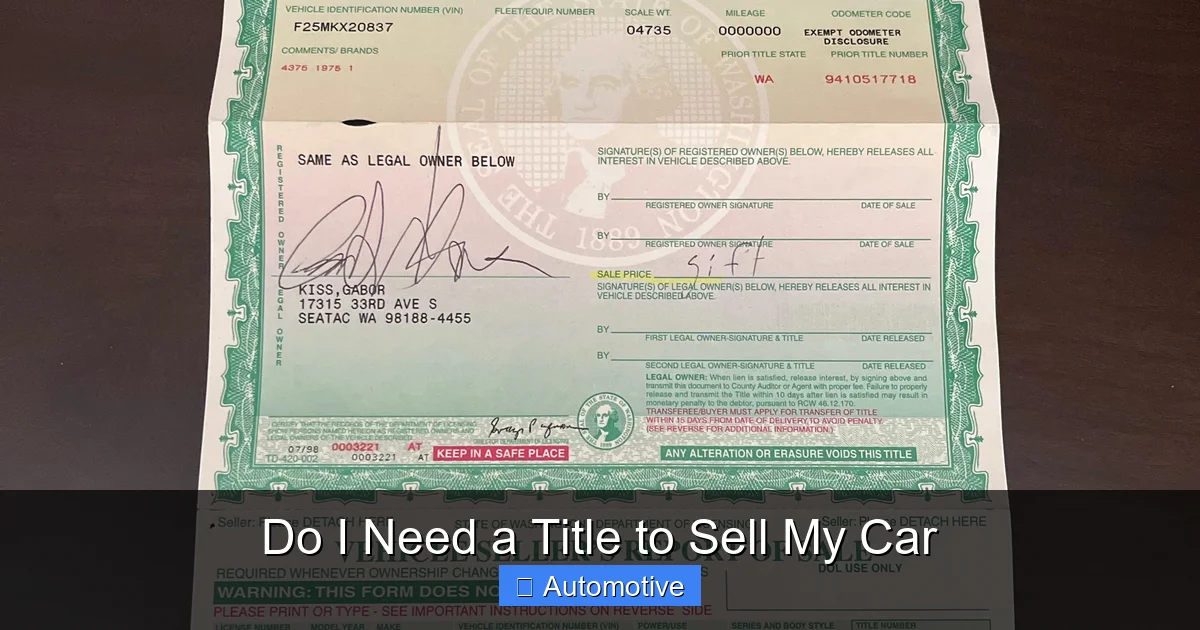
Visual guide about Do I Need a Title to Sell My Car
Image source: i.redd.it
Before diving into whether you need a title to sell your car, let’s clarify what a car title actually is. Simply put, a car title—also known as a certificate of title—is a legal document issued by your state’s Department of Motor Vehicles (DMV) or equivalent agency. It lists the legal owner of the vehicle, identifies the car by its Vehicle Identification Number (VIN), and may include details like the make, model, year, and lienholder (if you financed the car).
The title serves as proof of ownership. When you buy a car, the seller signs over the title to you, and you take it to the DMV to register the vehicle in your name. This process officially transfers ownership. Without a title, there’s no clear, legal way to prove who owns the car—which is why it’s such a big deal when selling.
But why is the title so important in a sale? Think of it like this: if you were selling your house, you’d need a deed to prove you own it. The car title is the equivalent for vehicles. It protects both the buyer and the seller. For the buyer, it ensures they’re purchasing a legitimate vehicle without hidden liens or ownership disputes. For the seller, it confirms they’ve legally transferred the car and are no longer responsible for it.
In most states, the title must be signed by the seller and submitted to the DMV along with a bill of sale and other required documents to complete the transfer. Without a signed title, the DMV won’t process the registration change, and the buyer can’t legally drive the car.
Key Information on a Car Title
A standard car title includes several important details:
- Vehicle Identification Number (VIN): A unique 17-character code that identifies your car.
- Make, Model, and Year: Basic details about the vehicle.
- Owner Name and Address: The legal owner(s) of the car.
- Lienholder Information: If you financed the car, the lender’s name and address will be listed.
- Title Brand: Indicates if the car was salvaged, rebuilt, or had other issues.
- Odometer Reading: Required in many states to prevent odometer fraud.
These details ensure transparency and protect all parties involved in the transaction.
Can You Sell a Car Without a Title?
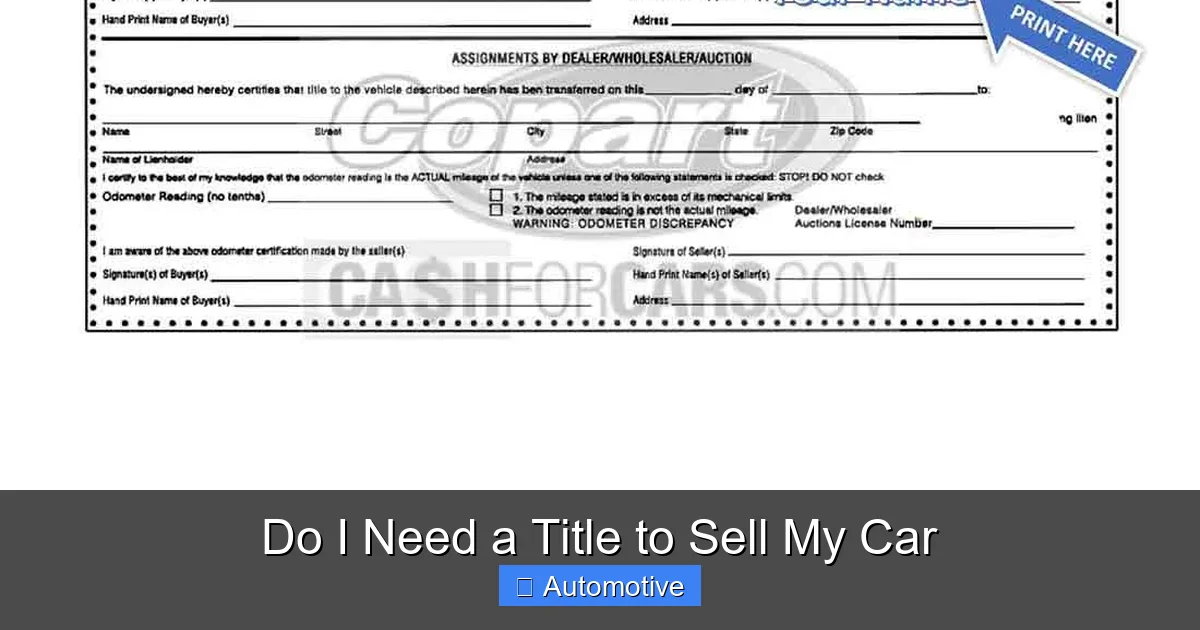
Visual guide about Do I Need a Title to Sell My Car
Image source: cashforcars.com
Now, let’s get to the heart of the matter: can you actually sell a car without a title? The short answer is—sometimes, but it’s complicated and depends heavily on your state’s laws.
In most states, you cannot legally sell a car without a title. The title is required to transfer ownership, and without it, the buyer can’t register the vehicle. However, there are exceptions and workarounds, especially for older vehicles or specific circumstances.
Exceptions for Older Vehicles
Some states allow the sale of vehicles that are 10, 15, or even 20 years old without a title. These rules vary widely, so it’s essential to check your local DMV guidelines. For example:
- California: Vehicles over 10 years old may be sold without a title if they’re valued under $4,000 and the seller provides a notarized affidavit of sale.
- Texas: Cars over 15 years old can be sold without a title if the seller completes a “Vehicle Transfer Notification” and provides a bill of sale.
- Florida: No title is required for vehicles over 30 years old, but a bill of sale and proof of ownership are still needed.
These exceptions are designed to help owners of older, low-value vehicles avoid the hassle and cost of obtaining a duplicate title. However, even in these cases, the buyer may face challenges registering the car, so it’s important to be upfront about the situation.
Selling to a Dealership or Scrap Yard
Another scenario where you might sell a car without a title is when trading it in at a dealership or selling it to a scrap yard or junkyard. Some dealerships will accept vehicles without titles, especially if the car is old, damaged, or being used as a trade-in. They may handle the title transfer process internally or apply for a duplicate title on your behalf.
Scrap yards and junk car buyers often don’t require a title, particularly if the car is being dismantled for parts or recycled. However, they may ask for alternative proof of ownership, such as a registration card, insurance documents, or a notarized affidavit. Again, this varies by state and buyer, so it’s best to confirm beforehand.
Private Sales Without a Title
Selling a car privately without a title is much riskier. Most private buyers will walk away from a deal if there’s no title, as it raises concerns about fraud, stolen vehicles, or hidden liens. Even if a buyer is willing to proceed, they may struggle to register the car, which could lead to legal issues down the road.
If you’re determined to sell without a title, you’ll need to provide as much documentation as possible—such as a bill of sale, registration, insurance records, and a notarized statement explaining the title’s absence. Some states allow a “bonded title” process, where the buyer purchases a surety bond to protect against ownership disputes. This is complex and costly, so it’s not a common solution.
How to Get a Duplicate Title
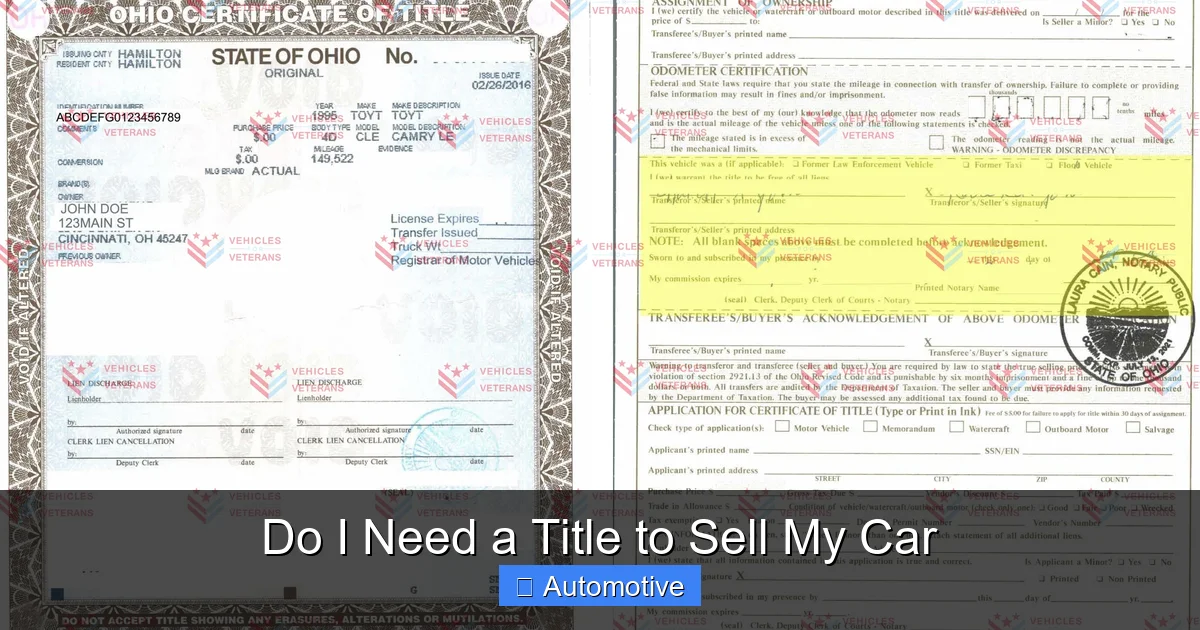
Visual guide about Do I Need a Title to Sell My Car
Image source: vehiclesforveterans.org
If you don’t have your car title, the best and most reliable solution is to apply for a duplicate title from your state’s DMV. This process is straightforward in most states and ensures you can sell your car legally and smoothly.
Steps to Request a Duplicate Title
The exact steps vary by state, but here’s a general guide:
- Visit Your State’s DMV Website: Start by checking your local DMV’s official website for specific requirements. Most states allow you to apply online, by mail, or in person.
- Complete the Application: Fill out the duplicate title application form. You’ll need your VIN, driver’s license, and vehicle information.
- Provide Proof of Identity: You’ll typically need to show a valid ID, such as a driver’s license or passport.
- Pay the Fee: Duplicate title fees range from $5 to $50, depending on your state.
- Submit Additional Documents (if required): Some states may ask for a notarized affidavit if the title was lost or stolen.
- Wait for Processing: Processing times vary—some states issue duplicates within days, while others take several weeks.
What If You Can’t Get a Duplicate Title?
In rare cases, you might not be able to obtain a duplicate title—for example, if the car was never titled in your state or if there’s a lien that hasn’t been released. In these situations, you may need to work with a title recovery service or consult a legal professional. Some states offer a “bonded title” or “title by court order” process for vehicles with complicated ownership histories.
What Buyers Need to Know
If you’re selling your car, it’s important to understand what buyers expect—and why a title matters to them. Most buyers won’t consider purchasing a vehicle without a title because it creates uncertainty and potential risk.
Why Buyers Want a Title
Buyers need a title to:
- Register the vehicle: Without a signed title, they can’t transfer ownership or get license plates.
- Prove ownership: A title protects them from buying a stolen or fraudulently sold car.
- Secure financing: Lenders require a clear title before approving an auto loan.
- Avoid legal issues: If there’s a lien or ownership dispute, the buyer could lose the car or face fines.
Even if a buyer is willing to take a chance on a car without a title, they may have trouble insuring or driving it legally. This can make your car much harder to sell and significantly reduce its value.
How to Reassure Buyers
If you’re selling a car without a title due to a legitimate reason (like a recent move or paperwork delay), be transparent with potential buyers. Provide copies of your registration, insurance, and any correspondence with the DMV about obtaining a duplicate title. A notarized bill of sale can also help build trust.
Consider offering a lower price to compensate for the inconvenience. Some buyers may see it as an opportunity to get a good deal, especially if the car is in excellent condition.
State-by-State Variations: Know Your Local Laws
One of the most important things to remember is that car title laws vary significantly from state to state. What’s allowed in Texas might not be legal in New York. That’s why it’s crucial to check your state’s specific requirements before listing your car for sale.
Examples of State-Specific Rules
- New York: You must have a title to sell a car. No exceptions for older vehicles.
- Ohio: Vehicles over 10 years old can be sold without a title if the seller provides a notarized affidavit and proof of ownership.
- Illinois: A title is required for all vehicle sales, but you can apply for a duplicate online.
- Arizona: No title is needed for vehicles over 15 years old if the sale is under $1,000 and a bill of sale is provided.
- Georgia: A title is required, but you can get a replacement within 10 business days.
Always visit your state’s DMV website or call their customer service line to confirm the rules. Don’t rely on hearsay or outdated information—laws change, and mistakes can cost you time and money.
Tips for a Smooth Car Sale
Whether you have a title or not, selling a car can be stressful. Here are some practical tips to make the process easier:
Prepare Your Documents
Gather all relevant paperwork, including:
- Car title (or proof you’re applying for a duplicate)
- Vehicle registration
- Bill of sale (use a state-specific template)
- Odometer disclosure statement
- Release of liability form (to protect yourself after the sale)
- Maintenance records (to increase buyer confidence)
Be Honest and Transparent
If you don’t have a title, explain why and what you’re doing to resolve it. Honesty builds trust and can prevent disputes later.
Price Your Car Fairly
Use tools like Kelley Blue Book or Edmunds to determine a fair market value. If you’re selling without a title, consider lowering the price to attract buyers.
Meet in a Safe, Public Place
Always meet potential buyers in a well-lit, public location—like a DMV office or police station parking lot—for safety.
Complete the Transfer Properly
Once the sale is complete, sign the title (if you have it), provide a bill of sale, and submit a release of liability to your DMV. This protects you from future tickets or accidents involving the car.
Conclusion: Yes, You Usually Need a Title—But There Are Options
So, do you need a title to sell your car? In most cases, the answer is yes. A title is the legal foundation for transferring ownership, and without it, you’ll face significant hurdles—especially in private sales. However, there are exceptions for older vehicles, and you can often obtain a duplicate title through your state’s DMV.
The key is to know your state’s rules, be prepared with documentation, and communicate openly with potential buyers. Whether you’re selling a brand-new sedan or a 20-year-old pickup, understanding the title requirement will help you complete the sale legally, safely, and successfully.
Don’t let a missing title stop you from selling your car. With the right steps and a little patience, you can navigate the process and get your vehicle into the hands of a new owner—no stress, no scams, just a smooth transaction.
Frequently Asked Questions
Can I sell my car if I lost the title?
Yes, but you’ll need to apply for a duplicate title from your state’s DMV first. Most states allow you to request a replacement online, by mail, or in person for a small fee.
What if my car is over 20 years old? Do I still need a title?
It depends on your state. Some states exempt very old vehicles from title requirements, but others still require one. Check your local DMV rules to be sure.
Can a dealership buy my car without a title?
Some dealerships may accept a car without a title, especially for trade-ins or junk vehicles. However, they’ll likely handle the title process themselves or require you to obtain a duplicate.
Is a bill of sale enough to sell a car?
No, a bill of sale alone is not sufficient. While it’s a helpful document, most states require a signed title to legally transfer ownership.
What happens if I sell a car without a title?
The buyer may not be able to register or insure the vehicle, and you could face legal or financial liability if ownership issues arise. It’s always best to resolve title issues before selling.
How long does it take to get a duplicate title?
Processing times vary by state—ranging from a few days to several weeks. Some states offer expedited services for an additional fee.