
What Should I Do If I Lost My Car Key

Losing your car key can feel overwhelming, but quick action minimizes stress and cost. This guide walks you through immediate steps, replacement options, and smart prevention tips to avoid future mishaps.
Key Takeaways
- Stay calm and retrace your steps: Panic clouds judgment—take a breath and think about where you last used your key.
- Check for spare keys first: Many people forget they already have a backup at home, with a friend, or in a secure lockbox.
- Contact your dealership or a locksmith: Modern keys often require programming, so professional help is usually needed.
- Understand the cost differences: Dealerships may charge more than independent locksmiths, especially for high-tech keys.
- Consider key replacement services: Some auto insurance policies or roadside assistance plans cover key replacement.
- Upgrade to a keyless system: If you frequently lose keys, investing in a key fob or push-button start can reduce future stress.
- Prevent future losses: Use key finders, lanyards, or designate a “key spot” at home to build better habits.
📑 Table of Contents
- Introduction: Don’t Panic—You’re Not Alone
- Step 1: Stay Calm and Retrace Your Steps
- Step 2: Look for a Spare Key
- Step 3: Determine Your Key Type
- Step 4: Choose the Right Replacement Option
- Step 5: Prevent Future Key Loss
- What to Do If You’re Stranded Without Your Key
- Conclusion: Turn a Crisis Into a Learning Opportunity
Introduction: Don’t Panic—You’re Not Alone
Losing your car key is one of those frustrating moments that can throw your entire day off track. Whether you’re rushing to work, picking up kids, or just running errands, suddenly realizing your key is missing can trigger instant anxiety. You might feel tempted to call a tow truck, break a window, or even consider abandoning your car—but hold on. There are smarter, safer, and more cost-effective ways to handle this common problem.
The good news? You’re far from the first person to misplace a car key. In fact, studies suggest that the average person loses their keys nine times per year. While it’s easy to feel embarrassed or stressed, remember that modern solutions exist to get you back behind the wheel quickly. From spare keys to professional locksmiths and even smartphone-enabled replacements, there’s almost always a way forward. The key (pun intended) is knowing what steps to take—and when to take them.
Step 1: Stay Calm and Retrace Your Steps
The moment you realize your car key is missing, your first instinct might be to panic. But reacting emotionally can lead to poor decisions—like trying to force open your car or driving away in someone else’s vehicle. Instead, take a deep breath and pause. Clear your mind so you can think logically about where you last had your key.
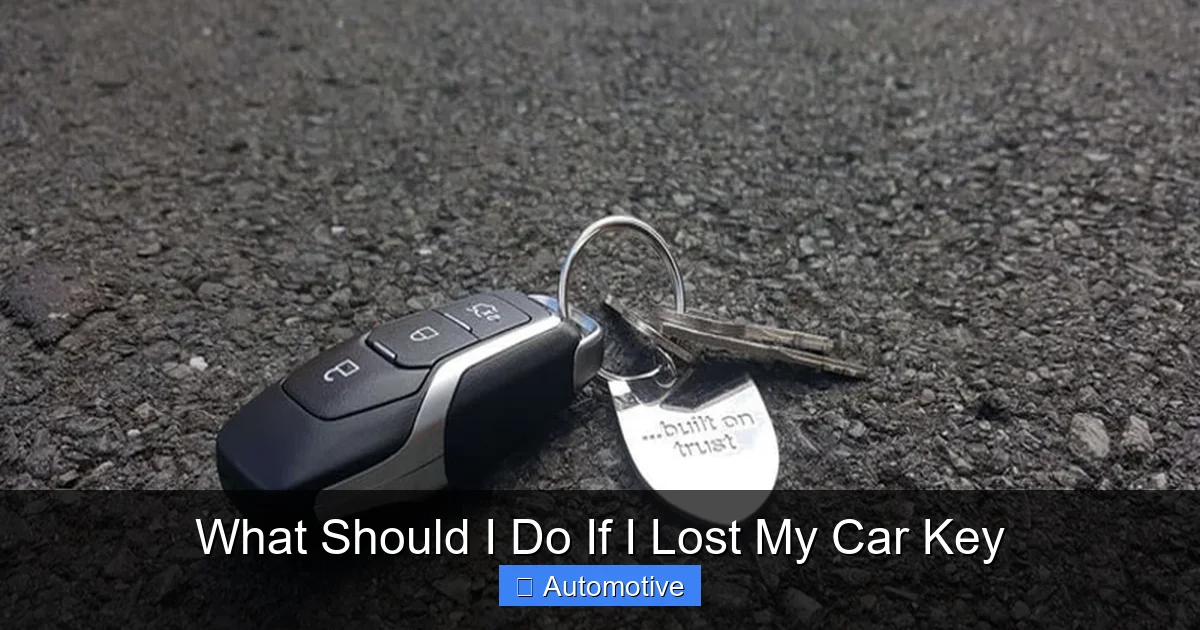
Visual guide about What Should I Do If I Lost My Car Key
Image source: trifectalock.com
Think Back to Your Last Known Location
Start by mentally walking through your recent activities. Did you use your key at the grocery store? At the gym? While dropping off dry cleaning? Try to recall the exact moment you last touched or used your key. Sometimes, simply retracing your path—even if it means going back to a coffee shop or parking lot—can lead you straight to your missing key.
Check Common Hiding Spots
Keys have a sneaky way of ending up in unexpected places. Check your pockets, purses, backpacks, gym bags, and even jacket linings. Look under car seats, in coat racks, or near door handles. If you have kids or pets, ask them if they’ve seen it—sometimes keys get moved accidentally. Also, check near where you usually place your keys at home, like a bowl by the door or a hook in the kitchen.
Ask Others Who Might Have Seen It
If you were with someone recently—a friend, coworker, or family member—ask if they remember seeing your key. Maybe they picked it up thinking it was theirs, or noticed it fall out of your pocket. Even a quick text to people you were with can jog memories and save you time.
Step 2: Look for a Spare Key
If retracing your steps doesn’t turn up your missing key, your next best move is to check for a spare. Many people keep backup keys in safe places, but often forget they have them. This simple step can save you hundreds of dollars and hours of hassle.
Visual guide about What Should I Do If I Lost My Car Key
Image source: abbottlocksmiths.com.au
Check Common Spare Key Locations
Start by looking in obvious spots: a locked drawer at home, a safety deposit box, or a trusted friend or family member’s house. Some people hide spares under doormats, in fake rocks, or in magnetic key holders attached to the car’s undercarriage. While these methods work in a pinch, they’re not the most secure—especially if someone else finds them.
Ask Family or Roommates
If you live with others, ask if they have a spare key. Maybe your spouse, roommate, or parent borrowed it recently and forgot to return it. A quick conversation can save you from unnecessary stress and expense.
Consider a Key Safe or Smart Lockbox
If you don’t currently have a spare key, now’s the perfect time to get one. Invest in a weatherproof, secure key safe that you can mount near your front door or in your garage. These lockboxes require a code to open and are much safer than hiding keys under a flowerpot. Some even connect to your smartphone, so you can track access and change codes remotely.
Step 3: Determine Your Key Type
Not all car keys are created equal. The type of key you have will determine how it’s replaced, how much it costs, and who can help you. Understanding your key type is essential before taking further action.
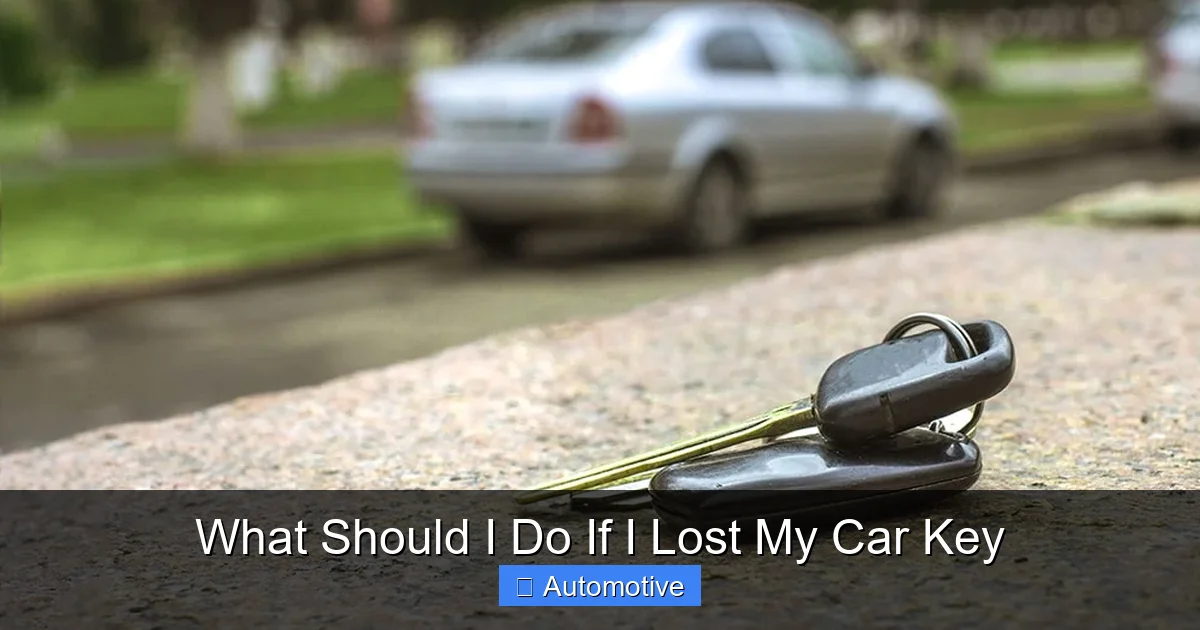
Visual guide about What Should I Do If I Lost My Car Key
Image source: vehiclekeyservices.com
Traditional Metal Key
If your car uses a simple metal key without any electronic components, you’re in luck. These keys are the easiest and cheapest to replace. A local hardware store or locksmith can usually cut a new one from your vehicle’s VIN (Vehicle Identification Number) or by decoding the existing lock. Costs typically range from $5 to $25.
Transponder Key (Chip Key)
Most cars made after the mid-1990s use transponder keys. These have a small electronic chip embedded in the plastic head that communicates with your car’s immobilizer system. Without the correct chip, the engine won’t start—even if the key fits the ignition. Replacing a transponder key requires both cutting the physical key and programming the chip. This usually costs between $50 and $200, depending on the make and model.
Remote Key Fob or Smart Key
Modern vehicles often come with key fobs that allow you to lock, unlock, and start your car remotely. Some even feature push-button ignition and proximity sensors (so the car starts when you’re near it). These keys are the most complex and expensive to replace. Programming them often requires specialized equipment and access to your car’s onboard computer. Replacement costs can range from $100 to $500 or more, especially for luxury brands.
Keyless Entry System
If your car uses a completely keyless system—like Tesla’s phone app or BMW’s Comfort Access—you may not have a physical key at all. In this case, losing access means contacting the manufacturer or using a backup method (like a backup card or PIN). These systems are convenient but can be costly and time-consuming to restore if compromised.
Step 4: Choose the Right Replacement Option
Once you know your key type, it’s time to decide how to get a replacement. You have several options, each with pros and cons. The best choice depends on your budget, urgency, and vehicle make.
Visit Your Car Dealership
Dealerships are the most reliable source for OEM (Original Equipment Manufacturer) keys. They have access to your vehicle’s specific programming codes and can create a key that works seamlessly with your car’s security system. However, this convenience comes at a price. Dealerships often charge premium rates—especially for programming—and may require you to bring your car in, which could mean towing fees.
For example, replacing a smart key for a Toyota Camry at a dealership might cost $300, while the same key from an independent locksmith could be $150. Always ask for a quote upfront and compare options.
Hire a Professional Automotive Locksmith
Licensed automotive locksmiths are often faster and more affordable than dealerships. Many offer mobile services, meaning they can come to your location—whether you’re at home, work, or stranded on the side of the road. They carry the tools and software needed to cut and program most key types, including transponder and smart keys.
When choosing a locksmith, make sure they’re licensed, insured, and have good reviews. Avoid “pop-up” services that appear overnight—these may be scams. Ask for identification and a written estimate before any work begins.
Use an Online Key Replacement Service
Some companies now offer mail-in key replacement services. You provide your VIN and proof of ownership, and they send you a pre-programmed key. This can be convenient if you’re not in a rush, but it takes time—usually 5 to 10 business days. Also, you’ll still need to get the key cut locally, which adds another step.
These services work best for traditional or transponder keys. Smart keys usually require in-person programming, so online options may not be suitable.
Check Your Insurance or Roadside Assistance Plan
Surprisingly, some auto insurance policies and roadside assistance programs cover key replacement. For example, AAA, Geico, and Progressive offer key replacement benefits under certain plans. These may reimburse you for locksmith fees or even provide a free replacement key in some cases.
Check your policy details or call your provider to see if you’re covered. Even if you’re not fully covered, they might offer discounted rates through partner locksmiths.
Step 5: Prevent Future Key Loss
Once you’ve resolved the immediate issue, it’s time to think long-term. Losing your car key once is frustrating—losing it again is preventable. With a few smart habits and tools, you can drastically reduce the chances of this happening again.
Use a Key Finder or Bluetooth Tracker
Devices like Tile, Apple AirTag, or Samsung SmartTag attach to your keychain and connect to your smartphone. If you misplace your keys, you can use the app to make them ring or see their last known location on a map. Some even have community find features, where other users’ devices can help locate your lost item.
For example, if you leave your keys at a restaurant, the Tile app might show they’re still there—even if you’re blocks away. These gadgets cost between $25 and $40 and are well worth the peace of mind.
Designate a “Key Spot” at Home
Create a consistent place where you always put your keys when you come home. This could be a bowl by the door, a hook on the wall, or a specific drawer. Train yourself to drop your keys there the moment you walk in. Over time, this habit becomes automatic—and you’ll never have to search for them again.
Use a Keychain or Lanyard
A brightly colored keychain or lanyard makes your keys easier to spot in a bag or pocket. It also reduces the chance of dropping them. Choose something durable and comfortable to carry. Some lanyards even have built-in flashlights or USB drives for added utility.
Keep a Spare Key in a Secure Location
As mentioned earlier, having a spare key is a lifesaver. Store it in a secure, weatherproof lockbox at home or give one to a trusted neighbor or family member. Avoid hiding it on your property—thieves know all the common spots.
Consider Upgrading to a Keyless System
If you frequently lose keys, it might be time to upgrade. Many newer cars offer keyless entry and push-button start, which eliminate the need for a physical key altogether. Alternatively, some aftermarket systems allow you to retrofit your current vehicle with smartphone-based access.
While these upgrades require an investment, they can save you time, stress, and replacement costs in the long run.
What to Do If You’re Stranded Without Your Key
In rare cases, you might find yourself locked out of your car with no spare and no way to get home. Here’s how to handle the situation safely and legally.
Call a Trusted Friend or Family Member
If someone has a spare key, ask them to bring it to you. This is often the fastest and cheapest solution. Just make sure they’re reliable and can get to you quickly.
Contact Roadside Assistance
If you have a roadside assistance plan, call them immediately. They can send a locksmith or tow your car to a safe location. Most plans cover lockout services, so you won’t have to pay out of pocket.
Avoid Breaking Into Your Car
It’s tempting to use a coat hanger or slim jim to unlock your door, but this can damage your vehicle’s locks, windows, or electronics. Modern cars are designed with security in mind, and forced entry can trigger alarms or disable systems. Always call a professional instead.
Stay Safe While Waiting
If you’re in an unsafe area, move to a well-lit, public space like a gas station or store. Let someone know where you are and when you expect help to arrive. Never accept help from strangers offering to “fix” your lock—this could be a scam.
Conclusion: Turn a Crisis Into a Learning Opportunity
Losing your car key is never fun, but it doesn’t have to be a disaster. By staying calm, knowing your options, and taking preventive steps, you can resolve the issue quickly and avoid repeating the mistake. Whether you choose a dealership, locksmith, or high-tech solution, the most important thing is to act smart—not fast.
Use this experience as a chance to improve your habits. Invest in a key finder, create a key spot at home, and keep a spare in a secure place. With a little preparation, you’ll be ready for anything—even the occasional misplaced key. After all, life happens. But with the right plan, you’ll always find your way back to the driver’s seat.
Frequently Asked Questions
Can I start my car without a key if I lost it?
It depends on your car’s security system. Older models with traditional keys might allow hot-wiring, but this is illegal and risky. Modern cars with immobilizers won’t start without the correct programmed key. Always consult a professional instead of attempting DIY solutions.
How much does it cost to replace a lost car key?
Costs vary widely based on key type. A basic metal key may cost $5–$25, while a transponder key ranges from $50–$200. Smart keys can cost $100–$500 or more, especially at dealerships. Always get quotes from multiple sources.
Can I get a replacement key without the original?
Yes, in most cases. You’ll need your vehicle’s VIN, proof of ownership (like registration), and valid ID. Dealerships and locksmiths can create a new key using this information, even if you don’t have the original.
Will my insurance cover a lost car key?
Some auto insurance policies and roadside assistance plans include key replacement coverage. Check your policy or call your provider to see if you’re eligible for reimbursement or discounted services.
How long does it take to get a replacement car key?
It depends on the method. A local locksmith can often cut and program a key in 15–30 minutes. Dealerships may take longer, especially if they need to order parts. Online services can take 5–10 business days.
Is it safe to hide a spare key on my car?
Hiding a spare key on your vehicle (like under the bumper) is convenient but risky. Thieves know common hiding spots, and a found key could lead to theft. Use a secure lockbox at home or with a trusted person instead.
