
Key Doesn’t Unlock Car Door

If your key doesn’t unlock car door, it’s often due to a dead battery, mechanical wear, or signal interference. This guide covers troubleshooting steps, DIY solutions, and prevention tips to help you regain access quickly and safely.
Key Takeaways
- Dead key fob battery: The most common reason your key doesn’t unlock car door—replace it with a fresh CR2032 or similar battery.
- Mechanical key wear: Over time, physical keys can become worn or bent, preventing smooth insertion or turning in the lock cylinder.
- Faulty door lock actuator: An internal motor that controls the lock may fail, requiring professional diagnosis and replacement.
- Signal interference: Nearby electronics or metal objects can block key fob signals, especially with remote unlock features.
- Frozen or dirty locks: Cold weather or debris buildup can jam locks—use de-icer or graphite lubricant to restore function.
- Programming issues: If your key was recently replaced or reprogrammed, it might not be synced correctly with the vehicle’s system.
- When to call a pro: If basic fixes don’t work, contact a locksmith or dealership to avoid damaging your car’s security system.
📑 Table of Contents
Why Your Key Doesn’t Unlock Car Door—And What You Can Do About It
We’ve all been there: standing in the rain, late for work, fumbling with your keys, only to realize your key doesn’t unlock car door. It’s frustrating, stressful, and can throw your whole day off track. Whether you’re using a traditional metal key or a modern key fob, there are several reasons why your car might not respond when you try to unlock it. The good news? Most of these issues are fixable—sometimes in just a few minutes.
Modern vehicles rely on a mix of mechanical and electronic systems to secure and unlock doors. While this adds convenience and security, it also introduces more potential points of failure. From dead batteries to frozen locks, the causes can range from simple to complex. But before you panic or call a tow truck, it’s worth understanding what might be going wrong. With a little knowledge and the right tools, you can often solve the problem yourself—or at least know when it’s time to call in a professional.
In this guide, we’ll walk you through the most common reasons your key doesn’t unlock car door, step-by-step troubleshooting tips, and practical advice to prevent future lockouts. Whether you drive a 10-year-old sedan or a brand-new SUV, these insights apply to nearly every make and model. Let’s get you back behind the wheel—safely and quickly.
Common Causes When Your Key Doesn’t Unlock Car Door
When your key doesn’t unlock car door, it’s easy to assume the worst—like a broken lock or a stolen key. But in most cases, the issue is much simpler. Understanding the root cause is the first step toward a fast fix. Let’s break down the most frequent culprits.
Dead Key Fob Battery
The number one reason your key doesn’t unlock car door—especially with remote entry—is a dead battery in the key fob. Most key fobs use small coin-cell batteries like the CR2032, which typically last 3–5 years. When the battery dies, the fob can’t send a signal to your car, so pressing the unlock button does nothing.

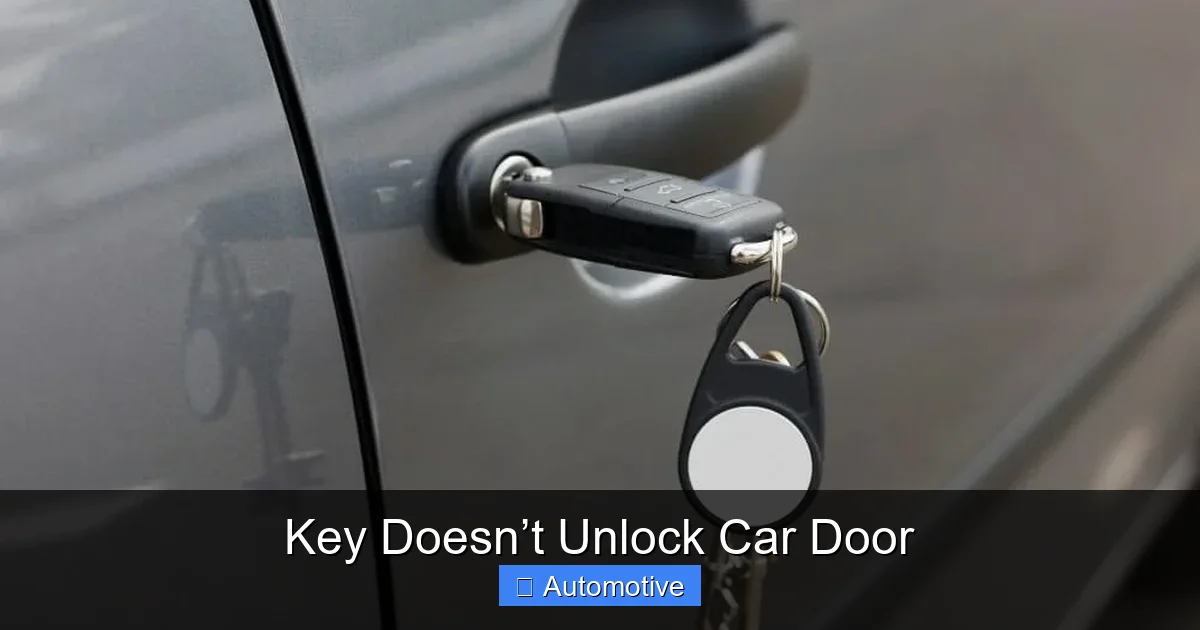
Visual guide about Key Doesn’t Unlock Car Door
Image source: autochimps.com
You might notice other signs before complete failure: the fob works only when held close to the door, the range has decreased, or the LED light (if present) is dim or doesn’t light up. If your car has a backup physical key hidden inside the fob, you can use that to unlock the door manually—but you’ll still need to replace the battery to restore remote功能.
Replacing the battery is usually straightforward. Most fobs snap open with a small screwdriver or by pressing a release button. Always use the exact battery type specified in your owner’s manual. After replacing it, test the fob to ensure it’s working. If it still doesn’t respond, the issue may be deeper—like a faulty fob or programming problem.
Worn or Damaged Physical Key
Even if you use a key fob most of the time, many cars still have a physical key blade for manual entry. Over years of use, this key can become worn, bent, or corroded. A worn key may not engage the lock pins properly, making it hard to turn—or impossible to insert at all.
For example, if you’ve used your key to open packages, scrape ice off windows, or carry it in a heavy keychain, the blade can get damaged. Similarly, exposure to moisture or salt (especially in winter climates) can cause rust or corrosion. If your key looks visibly worn or feels rough when inserted, it’s time for a replacement.
Most dealerships and locksmiths can cut a new key from your vehicle’s VIN or by decoding the existing one. Some auto parts stores also offer key-cutting services. If your key is just dirty, try cleaning it with rubbing alcohol and a soft brush. But if it’s physically damaged, don’t force it—this can break the key inside the lock, making the problem much worse.
Faulty Door Lock Actuator
Inside each car door is a small motor called the door lock actuator. It’s responsible for physically moving the lock mechanism when you press the unlock button or turn the key. If this motor fails, your key might turn in the lock, but the door won’t open—or it might not turn at all.
Actuator failure is more common in older vehicles or those with high mileage. Symptoms include a clicking sound when you try to unlock the door, the door unlocking slowly, or only one door failing to respond. In some cases, the actuator may work intermittently before failing completely.
Replacing a door lock actuator is not a DIY job for most people. It requires removing the door panel, disconnecting electrical connectors, and installing a new unit. While aftermarket actuators are available online, they must be compatible with your vehicle’s make and model. If you suspect an actuator issue, it’s best to have a mechanic or dealership diagnose it properly.
Signal Interference or Range Issues
Modern key fobs use radio frequency (RF) signals to communicate with your car. But these signals can be blocked or weakened by interference from other electronics, metal objects, or even your own body. If you’re standing too far from the car, or if there’s a strong source of electromagnetic interference nearby (like a cell tower or power line), your key might not unlock car door.
Another common issue is “key fob desync,” where the fob loses its programming with the car. This can happen after a battery replacement or if the car’s battery was disconnected. Some vehicles require a re-sync procedure—like turning the key in the ignition several times or pressing buttons in a specific sequence.
To test for interference, try holding the fob directly against the door handle or key slot. Many cars have a “passive entry” feature that unlocks the door when the fob is nearby. If it works when pressed against the car but not from a distance, interference or low battery power is likely the cause.
Frozen or Dirty Locks
In cold climates, frozen locks are a frequent reason your key doesn’t unlock car door. Moisture inside the lock cylinder can freeze overnight, jamming the mechanism. You might hear a crunching sound when you try to turn the key, or the key may not turn at all.
Never force a frozen lock—this can break the key or damage the cylinder. Instead, use a commercial de-icer spray (available at auto parts stores) or gently warm the key with a lighter (just don’t overheat it). You can also pour a small amount of isopropyl alcohol into the lock to melt the ice.
Debris like dirt, sand, or road salt can also clog the lock over time. This is especially common in older cars or those driven in harsh conditions. To clean the lock, use a can of compressed air to blow out loose particles, then apply a small amount of graphite-based lubricant (not oil, which can attract more dirt). Graphite lubricant is dry and won’t gum up the mechanism.
Step-by-Step Troubleshooting When Your Key Doesn’t Unlock Car Door
Now that you know the common causes, let’s walk through a practical troubleshooting process. Follow these steps in order to identify and fix the issue efficiently.
Step 1: Check the Key Fob Battery
Start with the simplest fix. Remove the key fob battery and inspect it. If it looks corroded or the voltage is low (use a multimeter if you have one), replace it with a new one. After installing the new battery, test the fob by pressing the unlock button while standing near the car. If the doors unlock, you’ve solved the problem.

Visual guide about Key Doesn’t Unlock Car Door
Image source: blog.1aauto.com
If the fob still doesn’t work, try the manual key. Many fobs have a hidden physical key that slides out. Use it to unlock the driver’s door. If the door opens, the issue is definitely with the fob—not the car’s lock system.
Step 2: Inspect the Physical Key
Look closely at your key blade. Is it bent, cracked, or heavily worn? Try inserting it into the lock. Does it go in smoothly, or does it feel gritty or stuck? If the key is damaged, get a replacement as soon as possible. In the meantime, avoid using it to prevent further damage.
If the key looks fine but the lock is stiff, try lubricating it. Spray a small amount of graphite lubricant into the keyhole and insert the key several times to work it in. Avoid using WD-40 or oil-based lubricants—they can attract dirt and make the problem worse over time.
Step 3: Test Other Doors and Functions
Try unlocking other doors with the same key or fob. If only one door doesn’t respond, the issue is likely localized—like a faulty actuator or wiring problem in that specific door. If no doors unlock, the problem is more systemic, such as a dead fob battery or a blown fuse.
Also test other functions: does the trunk unlock? Do the interior lights come on when you press the button? If multiple systems are affected, check the car’s fuse box. A blown fuse could disable the central locking system.
Step 4: Look for Signs of Electrical Issues
If your key doesn’t unlock car door and the fob battery is new, there may be an electrical problem. Listen for clicking sounds when you press the unlock button. A rapid clicking from inside the door usually indicates a failing actuator. No sound at all could mean a wiring issue or a dead control module.
Check the car’s battery voltage with a multimeter. A weak car battery can prevent the locking system from receiving enough power to operate. If the voltage is below 12.4 volts, charge or replace the battery.
Step 5: Try a Manual Override or Re-Sync Procedure
Some vehicles have a manual override for the locking system. For example, turning the key twice in the driver’s door lock may reset the system. Others require a specific re-sync sequence—like pressing the lock and unlock buttons simultaneously for 10 seconds.
Consult your owner’s manual for model-specific instructions. If you don’t have the manual, search online using your car’s year, make, and model. Many manufacturers publish re-sync procedures for key fobs.
DIY Fixes You Can Try at Home
Many key-related lock issues can be resolved without professional help. Here are some safe, effective DIY solutions.
Replacing a Key Fob Battery
Most key fobs are designed for easy battery replacement. Start by locating the seam or release button on the fob. Use a flathead screwdriver or a coin to gently pry it open. Remove the old battery, noting its orientation, and insert the new one the same way. Snap the fob back together and test it.
Visual guide about Key Doesn’t Unlock Car Door
Image source: vehiclefreak.com
Always use the correct battery type—common ones include CR2032, CR2025, and CR1616. You can find the exact type in your owner’s manual or on the old battery. Dispose of the old battery properly, as it contains hazardous materials.
Lubricating a Stiff Lock
For a stiff or sticky lock, use a dry lubricant like graphite powder. Spray a small amount into the keyhole and insert the key several times to distribute it. Avoid oil-based products, which can attract dirt and cause buildup over time.
If you don’t have graphite lubricant, a small amount of silicone spray can work in a pinch—but use it sparingly and wipe off any excess to prevent dripping inside the door.
Thawing a Frozen Lock
In winter, frozen locks are common. Never use hot water—it can refreeze and expand, damaging the lock. Instead, use a commercial de-icer spray or pour a small amount of isopropyl alcohol into the keyhole. You can also warm the key gently with a lighter, then insert it to melt the ice.
To prevent future freezing, apply a thin layer of lock lubricant before winter and park in a garage or covered area when possible.
Cleaning a Dirty Key
If your key is dirty or corroded, clean it with rubbing alcohol and a soft toothbrush. Scrub gently to remove grime, then dry it thoroughly. For stubborn rust, use a small piece of fine-grit sandpaper, but be careful not to remove too much metal.
After cleaning, test the key in the lock. If it still doesn’t work smoothly, consider getting a replacement.
When to Call a Professional
While many issues can be fixed at home, some problems require expert help. Here’s when to call a locksmith, mechanic, or dealership.
Broken Key in the Lock
If your key breaks off inside the lock, don’t try to remove it yourself. Forcing it can damage the cylinder. A professional locksmith has the tools to extract the broken piece safely and may be able to repair or replace the lock on the spot.
Faulty Door Lock Actuator
If you hear clicking but the door won’t unlock, or if only one door is affected, the actuator may be failing. Replacing it requires removing the door panel and accessing internal components. This is best left to a mechanic or dealership, especially if your car is under warranty.
Programming or Security System Issues
If your key doesn’t unlock car door after a battery replacement or if the fob was recently replaced, it may need reprogramming. Some vehicles require specialized tools and software to sync a new fob with the car’s immobilizer system. Dealerships and certified locksmiths can handle this.
Electrical or Wiring Problems
If multiple doors or functions aren’t working, there could be a wiring issue, blown fuse, or faulty control module. Diagnosing electrical problems requires a multimeter and knowledge of your car’s wiring diagram. A professional mechanic can perform a thorough inspection.
How to Prevent Future Lockouts
An ounce of prevention is worth a pound of cure. Here’s how to avoid the frustration of a key that doesn’t unlock car door.
Replace Key Fob Batteries Regularly
Don’t wait for the battery to die completely. Replace it every 3–5 years, or sooner if you notice reduced range or dim lights. Keep a spare battery in your glove compartment for emergencies.
Protect Your Keys
Avoid using your key for anything other than locking and unlocking. Don’t use it to open packages, scrape ice, or carry heavy items. Store keys in a dry, safe place to prevent damage.
Use a Key Cover or Case
A silicone or rubber key cover can protect the fob from drops, moisture, and wear. It also reduces the risk of accidental button presses that drain the battery.
Lubricate Locks Seasonally
Apply graphite lubricant to your door locks twice a year—once in spring and once in fall. This keeps the mechanism smooth and prevents dirt buildup.
Keep a Spare Key Handy
Store a spare key in a secure location, like a magnetic key box under the car or with a trusted friend. Avoid hiding it in obvious places like under the doormat or in a fake rock.
Check for Recalls or Service Bulletins
Some vehicles have known issues with door locks or key fobs. Check the National Highway Traffic Safety Administration (NHTSA) website or contact your dealership to see if your car is affected by a recall.
Conclusion
Dealing with a key that doesn’t unlock car door is never fun, but it’s usually not a major emergency. In most cases, the problem is something simple—like a dead battery, a dirty lock, or a worn key. By following the troubleshooting steps in this guide, you can often resolve the issue quickly and get back on the road.
Remember to start with the basics: check the fob battery, inspect the physical key, and test other doors. Use DIY fixes like lubrication or battery replacement when appropriate, but don’t hesitate to call a professional if the problem persists or involves electrical components.
Prevention is key. Regular maintenance, careful handling, and keeping a spare key can save you time, money, and stress in the long run. Whether you’re a daily commuter or weekend driver, knowing how to handle a lockout situation gives you peace of mind and keeps you in control.
So the next time your key doesn’t unlock car door, take a deep breath, follow these steps, and remember—you’ve got this.
Frequently Asked Questions
Why won’t my key fob unlock my car even with a new battery?
The fob may need to be reprogrammed or resynced with your vehicle. Some cars require a specific sequence of button presses or ignition turns to restore communication. Check your owner’s manual for instructions.
Can I use WD-40 to fix a stuck car lock?
No, WD-40 is not recommended for car locks. It’s an oil-based product that can attract dirt and gum up the mechanism over time. Use a dry graphite lubricant instead for long-lasting results.
How do I get a broken key out of my car door?
Do not try to remove it yourself, as you could damage the lock. Call a professional locksmith who has the right tools to extract the broken piece safely and repair the cylinder if needed.
My car key turns but the door won’t open—what’s wrong?
This is often a sign of a faulty door lock actuator. The motor inside the door is failing to move the lock mechanism, even though the key turns. A mechanic can diagnose and replace the actuator.
Can cold weather cause my key not to unlock the car door?
Yes, frozen locks are common in winter. Moisture inside the lock can freeze, jamming the mechanism. Use a de-icer spray or gently warm the key to thaw it—never force the key.
Is it safe to drive if my key fob doesn’t work?
Yes, as long as you can start the car. Most vehicles allow you to start the engine with a physical key or by placing the fob in a designated slot. However, you should repair or replace the fob as soon as possible for convenience and security.
