
Key Won’t Turn to Start Car

If your key won’t turn to start your car, don’t panic—this common issue often stems from steering wheel lock, a dead battery, or ignition problems. With a few simple checks and troubleshooting steps, you can often resolve it yourself and avoid a costly tow.
Key Takeaways
- Steering wheel lock is a common cause: If the wheel is turned too far after shutting off, it can jam the ignition cylinder, preventing the key from turning.
- Check the gear shift position: Automatic vehicles won’t allow the key to turn unless the shifter is in Park or Neutral.
- A weak or dead battery may be the culprit: Even if lights work, low voltage can prevent the ignition system from engaging.
- Worn or damaged keys can fail to turn: Over time, keys wear down and no longer align properly with the ignition tumblers.
- Ignition cylinder wear is a frequent issue: After years of use, internal components can degrade, making it hard to turn the key.
- Lubrication can help—but use the right kind: Graphite-based lubricant is safe for ignition cylinders; avoid oil-based products that attract dirt.
- Professional help may be needed: If DIY fixes fail, a locksmith or mechanic can repair or replace the ignition system safely.
📑 Table of Contents
Why Your Key Won’t Turn to Start Your Car: A Complete Guide
We’ve all been there—you’re running late, coffee in hand, ready to head out the door. You slide the key into the ignition, turn it… and nothing happens. The key just won’t budge. No click, no crank, no engine turnover. Your heart sinks. Is it the battery? The starter? Or something even more complicated?
Before you panic or call a tow truck, take a deep breath. In most cases, a key that won’t turn to start your car isn’t a sign of a major mechanical failure. Often, it’s a simple fix you can handle yourself—if you know what to look for. This guide will walk you through the most common reasons your key won’t turn, how to diagnose the issue, and what you can do to get back on the road quickly and safely.
Whether you drive a compact sedan, a rugged SUV, or a trusty old pickup, ignition problems can happen to anyone. The good news? Most are preventable or fixable with a little know-how. From steering wheel locks to worn ignition cylinders, we’ll cover everything you need to understand why your key won’t turn and how to solve it—without breaking the bank.
Common Causes of a Key That Won’t Turn
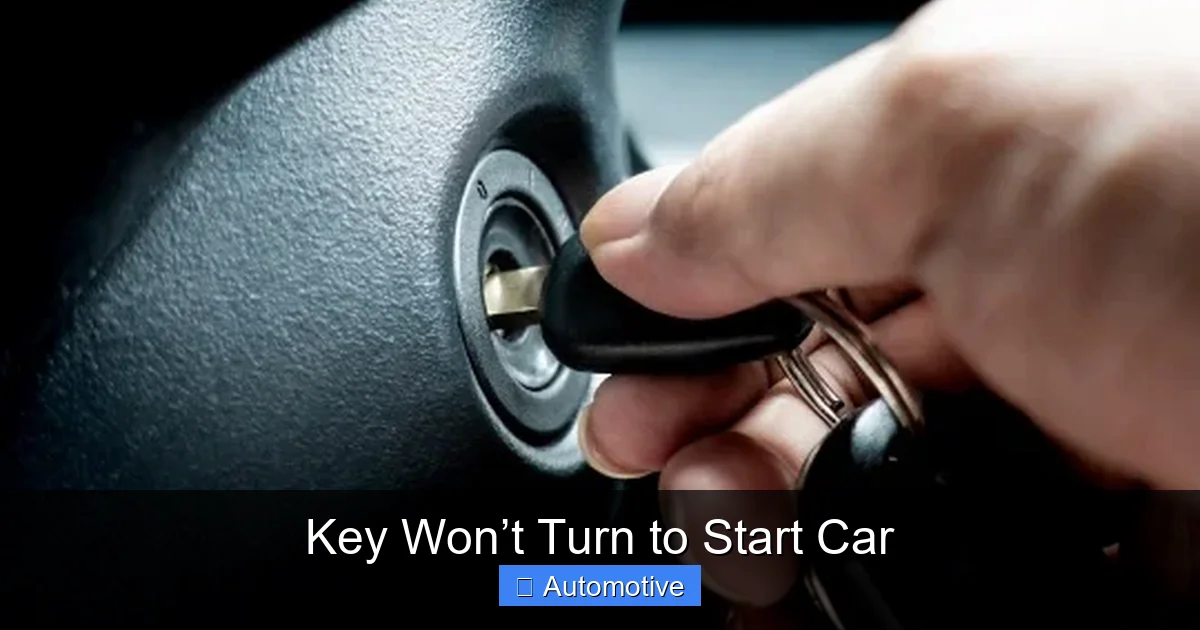
Visual guide about Key Won’t Turn to Start Car
Image source: main-website-blogs.s3.us-east-2.amazonaws.com
When your key refuses to turn in the ignition, it’s usually due to one of several common mechanical or electrical issues. Understanding these causes is the first step toward solving the problem. Let’s break down the most frequent culprits.
1. Steering Wheel Lock Engagement
One of the most frequent reasons your key won’t turn is the steering wheel lock. Modern cars are designed with a security feature that locks the steering wheel when the ignition is turned off—especially if the wheel is turned to one side. This prevents theft, but it can also make it difficult to turn the key when you return.
Here’s what happens: When you park, you might turn the wheel slightly to the left or right to stabilize the car on a slope. When you shut off the engine, the steering lock engages. The next time you try to start the car, the locked wheel prevents the ignition cylinder from turning, even if the key is inserted correctly.
How to fix it: Gently wiggle the steering wheel left and right while simultaneously trying to turn the key. You should feel a slight release as the lock disengages. Once the wheel moves freely, the key should turn normally. This simple trick resolves the issue in most cases.
2. Gear Shift Not in Park or Neutral
If you drive an automatic vehicle, the ignition system is designed to only allow the key to turn when the gear selector is in Park (P) or Neutral (N). This is a safety feature to prevent accidental starting in Drive or Reverse.
Sometimes, the shifter may not be fully seated in Park—especially if you parked on an incline or didn’t push it all the way. Even a slight misalignment can prevent the key from turning.
How to fix it: Make sure the gear selector is firmly in Park. Try shifting to Neutral and then back to Park. Listen for a solid click. If your car has a shift interlock button (usually near the shifter), press it while moving the lever. Once the shifter is properly engaged, try turning the key again.
3. Dead or Weak Battery
It might seem obvious, but a dead battery can prevent the key from turning—even if the dashboard lights come on. That’s because interior lights and electronics require less power than the ignition system. If the battery voltage is too low, the ignition lock solenoid won’t engage, and the key won’t turn.
How to check: Turn on the headlights. If they’re dim or flicker, the battery may be weak. Try starting the car—if you hear a clicking sound but no engine crank, it’s likely a battery issue. Use a multimeter to check voltage; anything below 12.4 volts suggests a weak battery.
How to fix it: Jump-start the car using jumper cables and another vehicle, or use a portable jump starter. Once the engine is running, let it charge for at least 20–30 minutes. If the problem persists after charging, have the battery and alternator tested at an auto parts store.
4. Worn or Damaged Key
Keys are made of metal and wear down over time—especially if you carry them on a heavy keychain or use them frequently. A worn key may no longer align properly with the tumblers inside the ignition cylinder, making it difficult or impossible to turn.
You might notice the key feels loose in the ignition or requires extra force to insert. In severe cases, the key may even break off inside the cylinder.
How to fix it: Try using a spare key if you have one. If the spare works, the original key is likely worn. Visit your dealership or a locksmith to get a new key cut. Avoid using excessive force, as this can damage the ignition further.
5. Ignition Cylinder Wear or Damage
The ignition cylinder is the mechanical component that reads your key and allows it to turn. Over thousands of starts, the internal tumblers and springs can wear out, leading to stiffness or complete failure.
Signs of a worn ignition cylinder include:
– The key turns with extreme difficulty
– The key gets stuck in the ignition
– The car starts intermittently
– You hear grinding or clicking when turning the key
How to fix it: If lubrication doesn’t help (see below), the cylinder may need replacement. This is a job best left to a professional mechanic or locksmith, as it involves disassembling the steering column and may require programming a new key for modern vehicles.
6. Faulty Ignition Switch or Solenoid
The ignition switch is an electrical component that sends power to the starter when the key is turned. If it fails, the key may turn but the engine won’t start—or the key may not turn at all if the switch is jammed.
In some cars, a solenoid controls the mechanical movement of the ignition cylinder. If this solenoid fails, the key won’t turn even if everything else is working.
How to diagnose: If the key turns slightly but won’t go to the “Start” position, or if you hear no sound at all when turning the key, the ignition switch or solenoid may be faulty.
How to fix it: This requires professional diagnosis and replacement. A mechanic can test the electrical signals and determine whether the switch, solenoid, or wiring is at fault.
Step-by-Step Troubleshooting: What to Do When Your Key Won’t Turn
Visual guide about Key Won’t Turn to Start Car
Image source: i.ytimg.com
Now that you know the common causes, let’s walk through a practical troubleshooting process. Follow these steps in order to identify and resolve the issue safely.
Step 1: Check the Gear Shift
Start with the simplest fix. Make sure your car is in Park (or Neutral for manuals). Try shifting to Neutral, then back to Park. Listen for a solid click. If your car has a shift interlock button, press it while moving the lever.
Pro tip: On some vehicles, you can start the car in Neutral as a temporary workaround—but only if the key turns. Never drive in Neutral for extended periods.
Step 2: Wiggle the Steering Wheel
Turn the steering wheel gently left and right while holding the key and trying to turn it. You should feel the lock release. Once the wheel moves freely, the key should turn.
Why this works: The steering lock is mechanically linked to the ignition cylinder. Releasing the wheel disengages the lock, allowing the key to turn.
Step 3: Test the Battery
Turn on the headlights and interior lights. If they’re dim or flicker, the battery may be weak. Try starting the car—listen for a clicking sound. If you hear rapid clicking but no engine crank, it’s likely a battery issue.
Use a multimeter to check voltage:
– 12.6V = fully charged
– 12.4V = 75% charged
– Below 12.2V = weak or dead
If the battery is low, jump-start the car or use a portable charger.
Step 4: Try a Spare Key
If you have a spare key, insert it and try to turn. If it works, the original key is likely worn or damaged. Get a new key cut from your dealer or a locksmith.
Note: Avoid using aftermarket keys or poorly cut duplicates—they can damage the ignition cylinder.
Step 5: Lubricate the Ignition Cylinder
If the key feels stiff or gritty, the cylinder may need lubrication. Use a graphite-based lubricant (available at auto parts stores). Do not use WD-40 or oil-based products—they attract dirt and can make the problem worse.
How to apply: Insert the straw into the ignition slot and spray a small amount of graphite lubricant. Insert and remove the key several times to work it in. Wipe away excess with a clean cloth.
Step 6: Check for Obstructions
Dirt, debris, or even a broken piece of key can get stuck in the ignition cylinder. Use a flashlight to inspect the slot. If you see anything unusual, do not force the key. Instead, use compressed air to blow out debris.
Warning: Never insert tools like paperclips or screwdrivers into the ignition—this can damage the tumblers.
Step 7: Seek Professional Help
If none of the above steps work, it’s time to call a professional. A certified mechanic or automotive locksmith can diagnose and repair ignition issues safely. They have the tools to test electrical components, replace the ignition cylinder, or reprogram keys for modern vehicles.
Preventing Future Ignition Problems
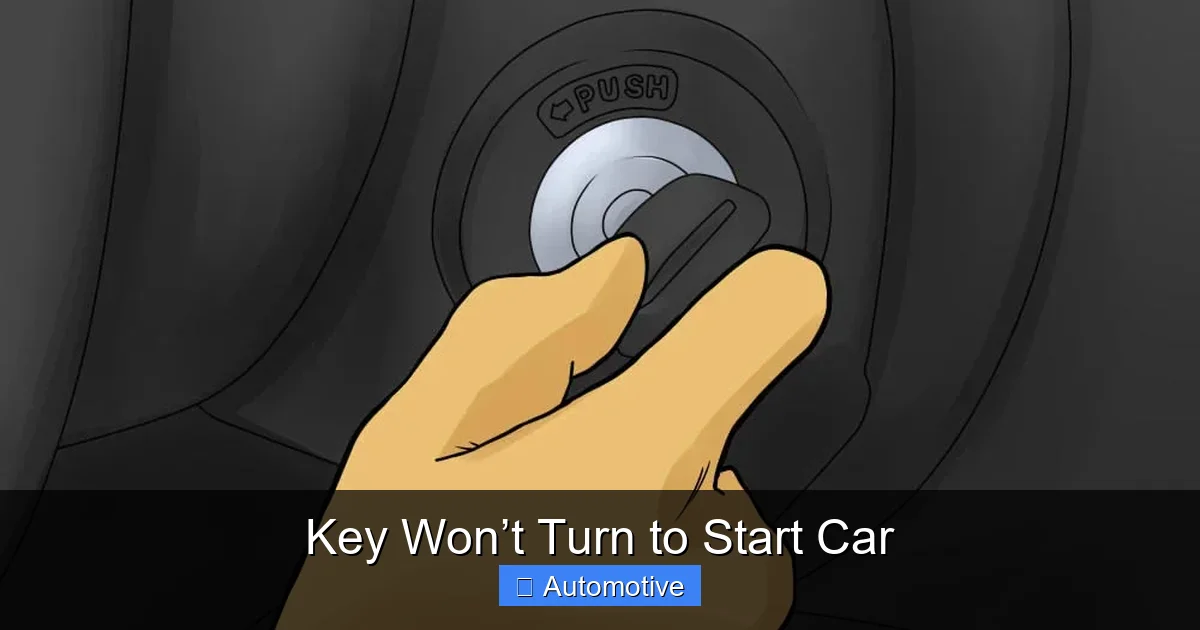
Visual guide about Key Won’t Turn to Start Car
Image source: res.cloudinary.com
An ounce of prevention is worth a pound of cure. Here’s how to avoid key-turning issues in the future.
Use a Lightweight Keychain
Heavy keychains put extra strain on the ignition cylinder every time you turn the key. Over time, this can wear down the internal components. Switch to a lightweight keychain or keep only essential keys on your ring.
Turn the Wheel Straight Before Shutting Off
When parking, try to return the steering wheel to the straight position before turning off the engine. This reduces the chance of the steering lock engaging too tightly.
Replace Worn Keys Promptly
If your key shows signs of wear—such as rounded edges or difficulty inserting—get a replacement before it fails completely. Most dealerships can cut a new key from your VIN number.
Regular Maintenance Checks
Include the ignition system in your routine maintenance. Have a mechanic inspect the ignition cylinder, battery, and starter during oil changes or service visits.
Avoid Forcing the Key
Never use excessive force to turn the key. If it doesn’t turn easily, stop and troubleshoot. Forcing it can damage the cylinder or break the key inside.
When to Call a Professional
While many ignition issues can be resolved at home, some require expert attention. Here’s when to seek help:
– The key is broken off in the ignition
– The ignition cylinder is visibly damaged
– The car starts intermittently or not at all
– You suspect an electrical issue (e.g., no power to the dashboard)
– You’ve tried all DIY fixes and the key still won’t turn
A professional locksmith can extract broken keys and replace ignition cylinders. A mechanic can diagnose electrical problems and replace faulty switches or solenoids. In modern vehicles with transponder keys, specialized programming equipment is often required.
Final Thoughts: Don’t Let a Stuck Key Strand You
A key that won’t turn to start your car is frustrating, but it’s rarely a sign of a major breakdown. In most cases, the issue is mechanical—like a steering lock or worn key—and can be fixed with simple steps. By understanding the common causes and following a systematic troubleshooting process, you can often get your car running again without calling a tow truck.
Remember: patience and caution are key. Avoid forcing the key or using improper tools. When in doubt, consult a professional. With proper care and maintenance, your ignition system can serve you reliably for years to come.
So the next time your key won’t turn, don’t panic. Take a deep breath, check the basics, and work through the steps. You’ve got this.
Frequently Asked Questions
Why won’t my key turn even though the battery is fine?
Even with a good battery, the key may not turn due to a steering wheel lock, gear shift issue, or worn ignition cylinder. Try wiggling the wheel and checking the shifter position first.
Can I use WD-40 to fix a stiff ignition key?
No—WD-40 is oil-based and can attract dirt, making the problem worse. Use a graphite-based lubricant instead, which is safe for ignition cylinders.
How do I know if my ignition cylinder is worn out?
Signs include difficulty turning the key, the key getting stuck, or intermittent starting. If lubrication doesn’t help, the cylinder may need replacement.
Will a dead key fob prevent the key from turning?
In most cars, no—the physical key should still work even if the fob battery is dead. However, some newer models require a working fob to disengage the ignition lock.
Can I start my car if the key won’t turn at all?
Not safely. Forcing the key can cause damage. Try troubleshooting steps first, or call a locksmith if the key is broken or stuck.
How much does it cost to replace an ignition cylinder?
Costs vary by vehicle, but typically range from $150 to $400 including parts and labor. Dealerships may charge more than independent mechanics or locksmiths.