
Car Clicks When Turning the Key

If your car clicks when turning the key but won’t start, it’s usually a sign of an electrical issue—most commonly a weak or dead battery, a failing starter motor, or poor connections. This frustrating problem often stems from simple fixes like jump-starting, cleaning terminals, or replacing worn parts, but diagnosing the root cause quickly can save time and money.
You’re running late for work, you hop into your car, turn the key—and all you hear is a rapid *click-click-click* or a single loud *clunk*. The engine doesn’t turn over. Your heart sinks. This is one of the most common—and frustrating—car problems drivers face: your car clicks when turning the key, but it won’t start.
It’s not just annoying; it’s confusing. After all, the dashboard lights might come on just fine. The radio works. So why won’t the engine crank? The good news is that this issue is rarely a sign of a catastrophic engine failure. In most cases, it’s an electrical problem—something that can be diagnosed and often fixed without a costly trip to the mechanic. Whether you’re a seasoned DIYer or someone who just wants to understand what’s happening under the hood, this guide will walk you through the most likely causes, how to troubleshoot them, and when it’s time to call in a professional.
Understanding why your car clicks when turning the key starts with knowing how the starting system works. When you turn the ignition key (or press the start button), electricity flows from the battery to the starter solenoid—a small relay that acts like a switch. The solenoid then sends power to the starter motor, which physically turns the engine’s flywheel to begin the combustion process. If any part of this chain is broken—low voltage, a bad connection, or a worn component—the system fails, and you’re left with nothing but noise.
Key Takeaways
- Dead or weak battery: The most common cause—clicking indicates power is reaching the starter but not enough to crank the engine.
- Faulty starter motor: A worn-out starter may click but fail to engage the flywheel, requiring replacement.
- Loose or corroded battery terminals: Poor connections disrupt electrical flow, mimicking a dead battery even if the battery itself is fine.
- Bad ground connection: A compromised ground wire between the battery and chassis can prevent proper current flow.
- Ignition switch problems: A failing switch may send inconsistent signals, causing intermittent clicking without starting.
- Extreme temperatures: Cold weather thickens engine oil and reduces battery output, increasing the chance of clicking.
- Safety first: Always wear gloves and eye protection when inspecting electrical components under the hood.
📑 Table of Contents
Why Your Car Clicks When Turning the Key
The clicking sound you hear is typically the starter solenoid engaging but not receiving enough power to fully activate the starter motor. Think of it like trying to start a lawnmower with a nearly dead battery—the solenoid “clicks” as it tries to close the circuit, but the motor doesn’t spin. This symptom is your car’s way of saying, “I’m trying, but I can’t.”
There are several reasons this might happen, and they range from simple fixes to more complex repairs. The key is to diagnose the issue methodically. Start with the most common culprits—battery and connections—before moving on to more advanced components like the starter or ignition switch.
One important note: the type of click matters. A single loud click usually points to a starter or solenoid issue. Rapid clicking (like a machine gun) almost always means a weak or dead battery. A slow, labored click could indicate a bad connection or extreme cold affecting performance. Paying attention to these details can help you narrow down the problem quickly.
How the Starting System Works
To truly understand why your car clicks when turning the key, it helps to know the basics of the starting system. This system includes four main components: the battery, the ignition switch, the starter solenoid, and the starter motor.
When you turn the key, the ignition switch sends a small electrical signal to the starter solenoid. This signal is low current—just enough to activate the solenoid. Once engaged, the solenoid closes a high-current circuit that sends power directly from the battery to the starter motor. The motor then spins, turning the engine’s flywheel and initiating the combustion process.
If the battery is weak, it may have enough power to trigger the solenoid (causing the click) but not enough to run the motor. Similarly, if the solenoid is worn, it might click but fail to close the high-current circuit. And if the connections between these parts are loose or corroded, electricity can’t flow properly, leading to the same result.
Understanding this flow helps you see why a problem in any one component can cause the entire system to fail. It also explains why a car might start one day and not the next—temperature, vibration, and wear can all affect performance over time.
Common Causes of Clicking When Starting
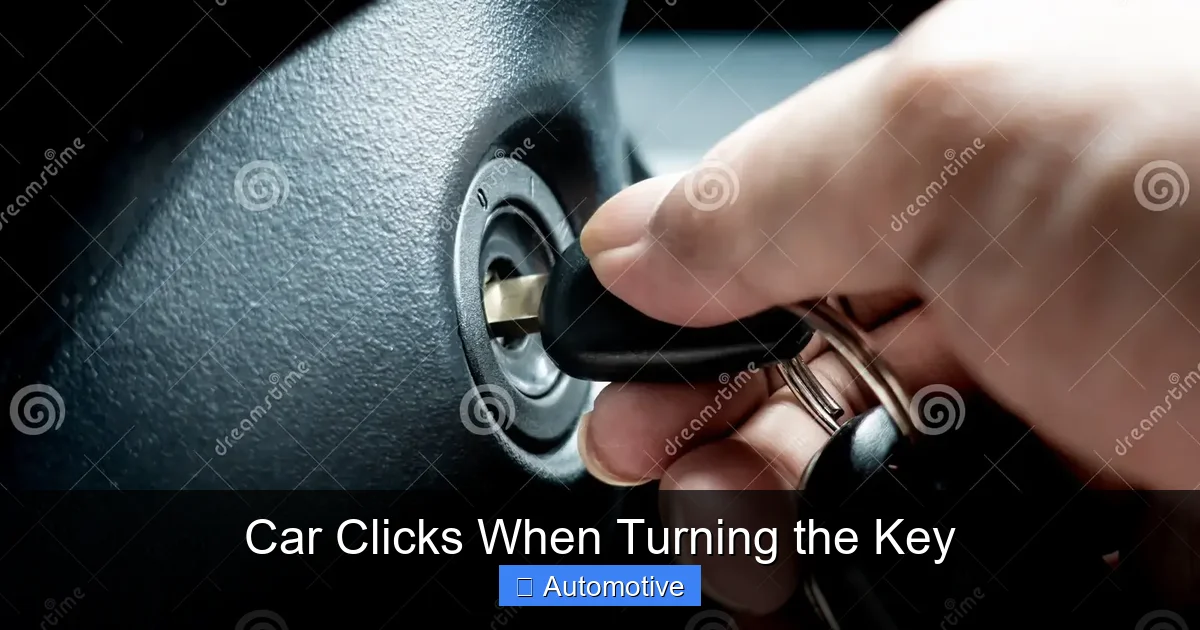
Visual guide about Car Clicks When Turning the Key
Image source: thumbs.dreamstime.com
Now that you know how the system works, let’s dive into the most common reasons your car clicks when turning the key. These issues account for the vast majority of no-start complaints, and many can be resolved with basic tools and a little patience.
1. Dead or Weak Battery
The battery is the heart of your car’s electrical system. It provides the initial burst of power needed to start the engine. Over time, batteries lose their ability to hold a charge—especially in extreme temperatures. A battery that’s more than three to five years old is a prime suspect when your car clicks but won’t start.
Signs of a weak battery include dim headlights, slow power window operation, and a clicking sound when turning the key. You might also notice that accessories like the radio or interior lights work, but the engine won’t crank. This happens because low-power devices require less voltage than the starter motor, which needs a strong surge to turn the engine.
To test the battery, use a multimeter to check the voltage. A healthy battery should read around 12.6 volts when the car is off. If it’s below 12.4 volts, it may not have enough power to start the engine. You can also try jump-starting the car—if it starts with a jump but dies again later, the battery is likely the issue.
2. Loose or Corroded Battery Terminals
Even if your battery is fully charged, poor connections can prevent power from reaching the starter. Battery terminals can become loose over time due to vibration, or they can corrode from exposure to moisture and acid. Corrosion appears as a white, green, or blue powdery substance around the terminals and can act like an insulator, blocking electrical flow.
This is one of the easiest problems to fix. Start by turning off the car and disconnecting the negative (black) terminal first, then the positive (red). Use a wire brush or terminal cleaner to scrub away any corrosion. Reconnect the terminals tightly, making sure they’re snug but not over-tightened (which can damage the posts).
A quick tip: apply a thin layer of dielectric grease or petroleum jelly to the terminals after cleaning. This helps prevent future corrosion and ensures a solid connection.
3. Faulty Starter Motor or Solenoid
If the battery and connections are fine, the problem may lie in the starter motor or solenoid. The solenoid is a small electromagnetic switch mounted on the starter. When it receives power from the ignition switch, it pushes a gear (the pinion) into the engine’s flywheel and closes the high-current circuit to the motor.
Over time, the solenoid can wear out or become stuck. You might hear a single loud click when turning the key, but the motor doesn’t spin. In some cases, tapping the starter gently with a hammer (while someone turns the key) can temporarily free a stuck solenoid—this is a temporary fix, not a solution.
A failing starter motor may also produce a grinding noise or no sound at all. If you suspect the starter, have it tested at an auto parts store (many offer free testing). If it’s bad, replacement is usually straightforward, though it can be labor-intensive depending on your vehicle.
4. Bad Ground Connection
The ground connection is just as important as the positive connection. It completes the electrical circuit by linking the battery’s negative terminal to the car’s chassis. If this connection is loose, corroded, or broken, electricity can’t flow properly, even if the battery is fully charged.
Check the ground cable (usually black) that runs from the battery’s negative terminal to the engine block or chassis. Look for signs of corrosion, fraying, or looseness. Clean and tighten the connection if needed. In some cases, the ground strap between the engine and chassis may be damaged—this is less common but can cause similar symptoms.
5. Ignition Switch Problems
The ignition switch is the component you turn (or press) to start the car. It sends the initial signal to the starter solenoid. If the switch is worn or faulty, it may not send a consistent signal, causing intermittent clicking or no response at all.
Symptoms of a bad ignition switch include flickering dashboard lights, the car starting only when the key is jiggled, or the engine stalling while driving. This issue is harder to diagnose and usually requires professional inspection. In modern vehicles with push-button start, a failing switch module can also cause similar problems.
6. Extreme Temperatures
Cold weather is especially hard on car batteries. As temperatures drop, the chemical reactions inside the battery slow down, reducing its ability to deliver power. This is why many people experience clicking issues in winter.
Similarly, extreme heat can degrade battery life over time. If you live in a region with harsh winters or scorching summers, consider investing in a battery with a higher cold cranking amp (CCA) rating or using a battery blanket in cold climates.
How to Diagnose the Problem Step-by-Step
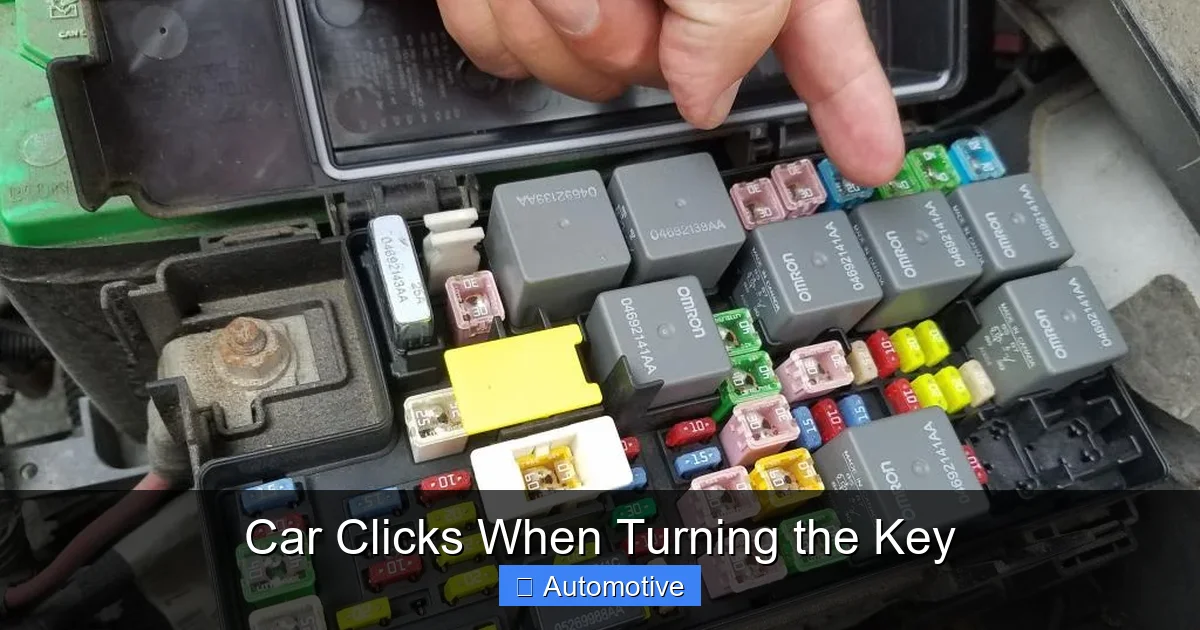
Visual guide about Car Clicks When Turning the Key
Image source: cdn.carcomplaints.com
Diagnosing why your car clicks when turning the key doesn’t require a mechanic’s toolkit—just a few basic tools and a systematic approach. Here’s a step-by-step guide to help you identify the issue:
Step 1: Check the Battery Voltage
Grab a multimeter (available at most auto parts stores for under $20). Set it to DC voltage and touch the red probe to the positive terminal and the black probe to the negative terminal. A reading below 12.4 volts suggests a weak battery. If it’s below 11.8 volts, the battery is likely dead.
Step 2: Inspect Battery Terminals
Look for corrosion, looseness, or damage. Clean the terminals with a wire brush and reconnect them securely. If the terminals are cracked or the posts are pitted, consider replacing the battery cables.
Step 3: Try Jump-Starting the Car
Connect jumper cables to your battery and a working vehicle (or a portable jump starter). Wait a few minutes, then try starting your car. If it starts, the battery was likely the issue. If it still clicks, move on to the next step.
Step 4: Test the Starter
If the battery and connections are good, the starter may be the culprit. Listen for a single loud click when turning the key. If you hear it, the solenoid is engaging but the motor isn’t spinning. You can have the starter tested at an auto parts store or try tapping it gently with a hammer (as a temporary test).
Step 5: Check the Ground Connection
Inspect the ground cable from the battery to the chassis. Clean and tighten it if necessary. Also check the engine-to-chassis ground strap, which is often overlooked but critical for proper electrical flow.
Step 6: Consider the Ignition Switch
If all else fails, the ignition switch may be faulty. This is harder to test at home and may require a mechanic’s diagnostic tool. Look for other symptoms like flickering lights or intermittent starting.
When to Call a Mechanic
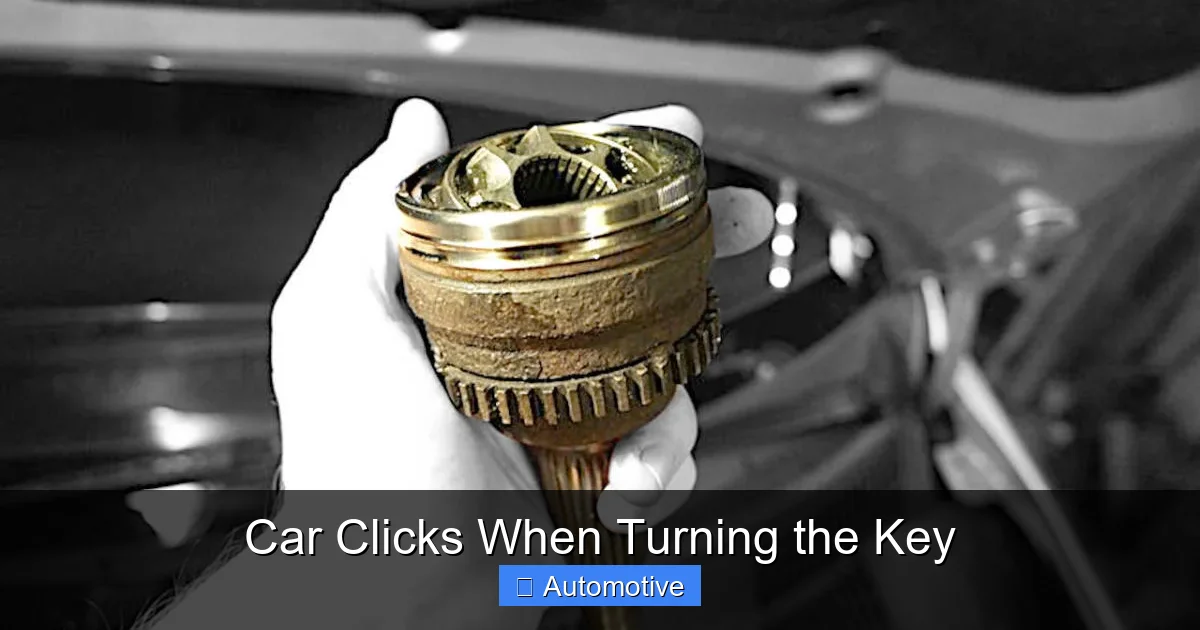
Visual guide about Car Clicks When Turning the Key
Image source: images.saymedia-content.com
While many clicking issues can be resolved at home, some problems require professional attention. Here’s when it’s time to call a mechanic:
– The battery is new and fully charged, but the car still won’t start.
– You hear grinding or whining noises when turning the key.
– The car starts intermittently or only when the key is jiggled.
– You suspect an issue with the ignition switch or wiring.
– You’re uncomfortable working with electrical systems.
A mechanic can perform advanced diagnostics, such as checking voltage drop across circuits or testing the starter under load. They can also rule out less common issues like a seized engine or a faulty fuel pump (though these usually don’t cause clicking).
Preventing Future Clicking Issues
The best way to avoid hearing that dreaded click is to maintain your car’s electrical system. Here are some preventive tips:
– **Test your battery annually**, especially before winter.
– **Clean battery terminals** every six months to prevent corrosion.
– **Replace your battery** every 3–5 years, even if it seems to be working.
– **Use a battery maintainer** if you don’t drive often.
– **Park in a garage** during extreme temperatures to protect the battery.
– **Listen for warning signs**, like slow cranking or dim lights, and address them early.
Regular maintenance can save you from being stranded and extend the life of your car’s electrical components.
Final Thoughts
Hearing your car click when turning the key is never fun, but it’s rarely a sign of serious trouble. In most cases, the issue stems from a weak battery, poor connections, or a worn starter—problems that are often fixable with a little know-how and the right tools.
By understanding how your car’s starting system works and following a logical troubleshooting process, you can save time, money, and frustration. And if you’re ever in doubt, don’t hesitate to consult a professional. Your safety and peace of mind are worth it.
Remember: a little prevention goes a long way. Keep your battery in good shape, check your connections regularly, and pay attention to how your car starts. With proper care, that annoying click could become a thing of the past.
Frequently Asked Questions
Why does my car click once when I turn the key?
A single loud click usually means the starter solenoid is engaging but the motor isn’t spinning. This is often due to a weak battery, bad connections, or a faulty starter. Check the battery voltage and terminals first.
Can a bad alternator cause clicking when starting?
Not directly. The alternator charges the battery while the engine runs, but it doesn’t power the starter. However, a failing alternator can drain the battery over time, leading to a weak charge and clicking when starting.
How much does it cost to replace a starter?
Starter replacement typically costs between $300 and $600, including parts and labor. The price varies by vehicle make and model, and whether you use OEM or aftermarket parts.
Is it safe to jump-start a car that clicks?
Yes, as long as you follow proper jump-starting procedures. Connect the cables in the correct order (positive to positive, negative to ground), and avoid sparks near the battery. If the car starts, drive it for at least 30 minutes to recharge the battery.
Why does my car click in cold weather?
Cold temperatures reduce a battery’s ability to deliver power. The engine oil also thickens, making it harder to turn over. This combination often leads to clicking when starting in winter.
Can I drive my car if it clicks but eventually starts?
It’s not recommended. Intermittent clicking suggests an underlying issue that could leave you stranded. Have the battery, starter, and connections checked as soon as possible to avoid a complete failure.
