
How to Get a Key Out of a Car

Getting a key out of a car—whether it’s stuck in the ignition or locked inside—can be stressful, but it’s often fixable with the right approach. This guide covers safe, practical methods to retrieve your key without damaging your vehicle or voiding warranties.
Key Takeaways
- Check the basics first: Ensure the car is in Park (or Neutral for manuals) and the brake is pressed—many ignition keys won’t release otherwise.
- Use the shift interlock override: Most modern cars have a small button or slot near the shifter to manually release the key when the brake isn’t working.
- Avoid DIY lockpicking unless trained: Improper tools can damage locks or airbags; call a professional locksmith if keys are locked inside.
- Keep a spare key accessible: Store a duplicate with a trusted person or in a secure magnetic key box to prevent future lockouts.
- Know your car’s anti-theft features: Some vehicles disable key removal if the system detects a fault—consult your owner’s manual.
- Use manufacturer apps or roadside assistance: Many automakers offer remote unlock services via smartphone apps or 24/7 support lines.
- Prevent future issues: Regularly clean ignition cylinders and replace worn keys to avoid jams.
Key Takeaways
- Understanding How to Get a Key Out of a Car: Provides essential knowledge
📑 Table of Contents
Why Keys Get Stuck—And Why It Happens More Than You Think
We’ve all been there: you’re rushing to grab groceries, drop off the kids, or make it to a meeting on time—and suddenly, your car key won’t budge from the ignition. Or worse, you shut the door and realize your keys are still inside, staring back at you through the window like a cruel joke. It’s frustrating, inconvenient, and can throw your entire day off track. But before you panic or start yanking at the key like it owes you money, take a breath. Most key-related car issues are solvable—and often preventable.
Understanding why keys get stuck in the first place is half the battle. Modern vehicles come equipped with sophisticated safety systems designed to protect both you and your car. For example, automatic transmissions have a feature called the “shift interlock,” which prevents the key from being removed unless the vehicle is in Park and the brake pedal is pressed. This stops accidental shifts into Drive or Reverse when exiting the car. Similarly, many cars won’t allow the key to come out if the driver’s door is open or if the seatbelt isn’t buckled—small safeguards that can feel like obstacles when you’re in a hurry.
But sometimes, these systems malfunction. A dead battery, a faulty brake light switch, or a worn ignition cylinder can all interfere with normal key release. And if your key is physically damaged—bent, cracked, or covered in grime—it might not seat properly in the ignition, making removal difficult. Even temperature changes can play a role: cold weather can cause metal parts to contract, while heat can warp plastic components inside the lock.
The good news? In most cases, getting your key out doesn’t require a tow truck or a trip to the dealership. With a little patience, the right tools, and some know-how, you can resolve the issue yourself—or at least know when to call for help. This guide will walk you through every common scenario, from keys stuck in the ignition to those locked safely (but maddeningly) inside the cabin.
Step-by-Step: How to Get a Key Out of the Ignition

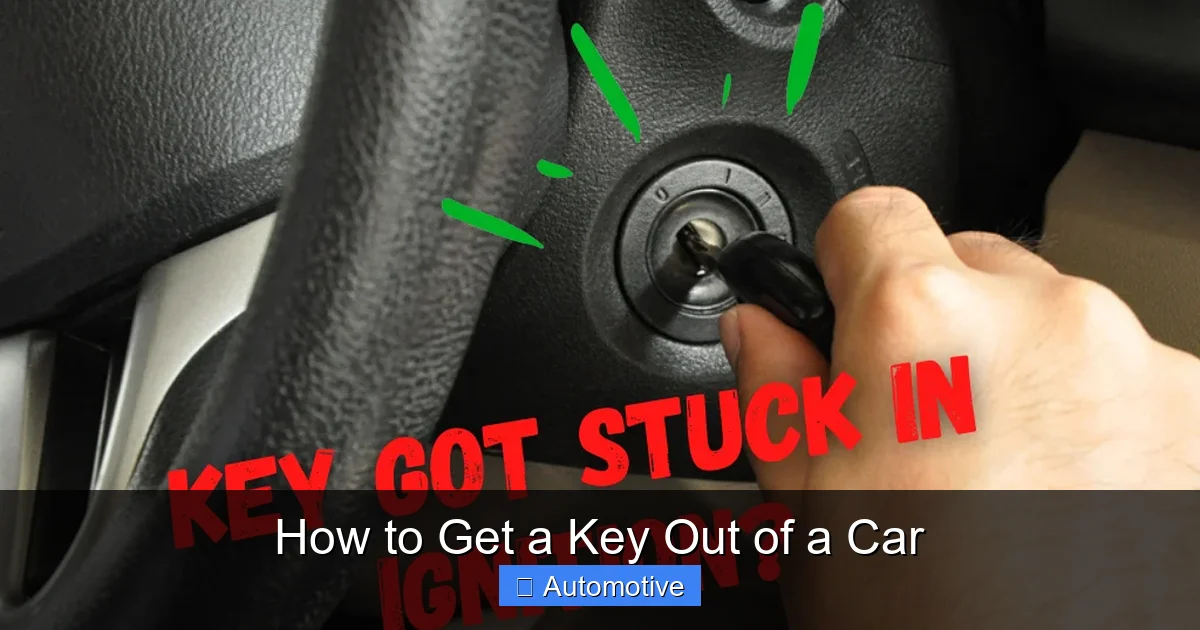
Visual guide about How to Get a Key Out of a Car
Image source: carpursuits.com
If your key is physically in the ignition but won’t come out, start with the simplest fixes before moving to more advanced solutions. Most ignition lock issues are caused by one of a few common culprits, and addressing them in order can save you time and stress.
1. Confirm the Gear Shift Is Fully in Park
It sounds obvious, but you’d be surprised how often this is the culprit. On automatic vehicles, the key cannot be removed unless the transmission is securely in Park. Sometimes, the shifter may appear to be in Park, but it’s actually slightly between Park and Reverse—especially if the car is on an incline or the shifter mechanism is worn.
Try this: with your foot firmly on the brake, gently wiggle the shifter back and forth while pulling it firmly into the Park position. Listen for a solid “click.” Once it’s fully engaged, try turning the key to the “Off” or “Lock” position and removing it. If it still won’t come out, move to the next step.
2. Press the Brake Pedal Firmly
The brake pedal plays a crucial role in the key release mechanism. Most cars require the brake to be pressed before the key can be removed. This is part of the shift interlock system—a safety feature that ensures the driver is actively engaged before exiting the vehicle.
If your brake lights aren’t working, the car’s computer might not detect that the brake is pressed, even if you’re standing on it. Check your brake lights: have someone stand behind the car while you press the pedal, or look in your rearview mirror to see if they illuminate. If they don’t, the brake light switch may be faulty. In that case, you’ll need to use the manual override (covered below).
3. Use the Shift Interlock Override Button
Every modern automatic vehicle is equipped with a shift interlock override—a small, often hidden button or slot that allows you to manually release the shifter and key in case of an electrical failure. This is your best friend when the brake switch isn’t working or the battery is dead.
Here’s how to find and use it:
– Look around the shifter console, usually near the base of the gear selector.
– You’ll typically see a small plastic cover or a tiny slot labeled “Shift Lock” or “Override.”
– Use a small tool—like a paperclip, flathead screwdriver, or even a key—to press the button or insert into the slot.
– While holding the override, press the brake and shift into Neutral or Park.
– Now try removing the key.
For example, on a Honda Accord, the override is a small rectangular slot on the side of the shifter. On a Toyota Camry, it’s a round button under a plastic cap. Your owner’s manual will have exact instructions—keep it handy!
4. Check the Ignition Cylinder for Debris or Wear
Over time, dust, dirt, and pocket lint can accumulate inside the ignition cylinder, preventing the key from turning smoothly. Similarly, if your key is worn or bent, it may not engage the internal tumblers correctly.
Try spraying a small amount of electrical contact cleaner or graphite lubricant (never oil-based lubricants like WD-40—they attract dirt) into the ignition. Insert and remove the key several times to work the cleaner in. If the key is visibly damaged, consider getting a replacement cut by a locksmith or dealership.
5. Test the Battery and Electrical System
A weak or dead battery can cause all sorts of electrical gremlins, including preventing the key from releasing. Even if the car starts, low voltage can confuse the immobilizer or shift interlock system.
Check your dashboard for warning lights, and try starting the car. If it cranks slowly or doesn’t start at all, jump-start the battery or replace it. Once the electrical system is stable, the key should release normally.
What to Do If Your Keys Are Locked Inside the Car
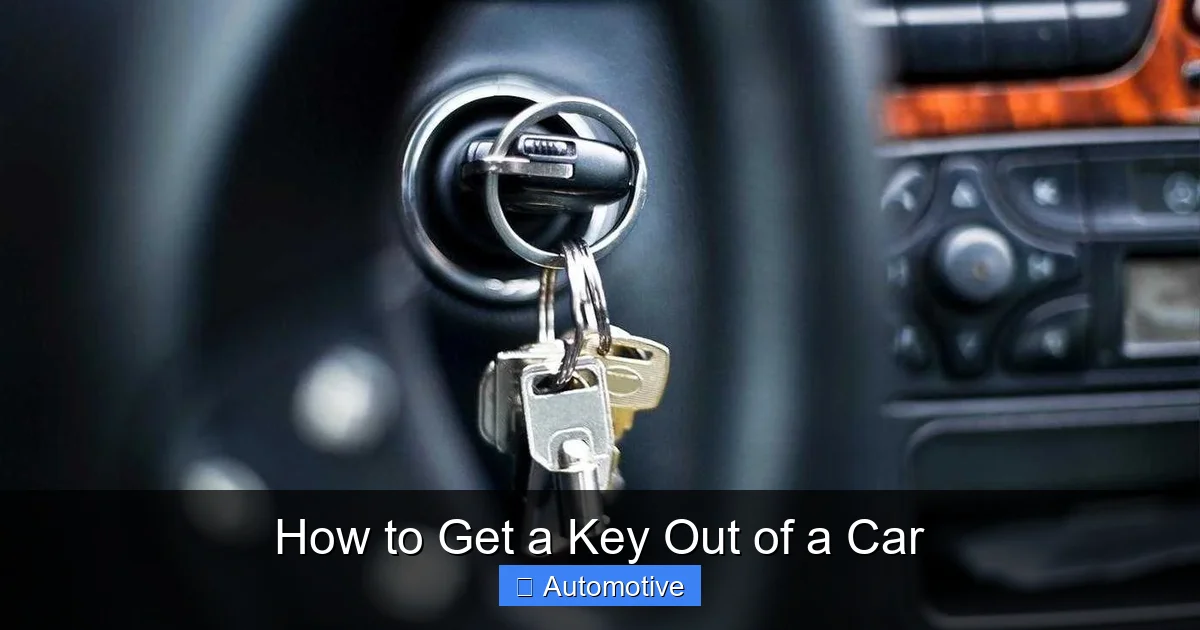
Visual guide about How to Get a Key Out of a Car
Image source: engineerine.com
Now, let’s tackle the other common nightmare: you’ve closed the door, and your keys are sitting on the passenger seat, mocking you from behind the glass. This happens more often than you’d think—especially with keyless entry systems that automatically lock when you walk away.
Before you consider breaking a window (please don’t!), there are several safe and effective ways to get back in.
1. Check for a Hidden Key or Spare
Many cars come with a hidden key compartment. Some are under the bumper, behind a wheel well, or in the trunk. Luxury brands like BMW and Mercedes often include a physical key blade inside the key fob that can be used to unlock the driver’s door manually.
To access it:
– Look for a small release button or switch on the key fob.
– Slide or pop out the physical key.
– Use it to unlock the door like a traditional key.
If you’ve installed a magnetic key box under your car, now’s the time to use it. Just make sure it’s securely attached and in a discreet location.
2. Use Your Car’s Smartphone App
If your vehicle is connected to a manufacturer app—like MyChevrolet, FordPass, or Toyota App—you may be able to unlock it remotely. These apps use cellular or Wi-Fi connectivity to send commands to your car, allowing you to lock, unlock, start, or even locate your vehicle.
To use this feature:
– Open the app on your phone.
– Log in with your account.
– Select “Unlock Doors” or a similar option.
– Wait a few seconds for the command to process.
Note: This only works if your car has an active data connection and the feature is enabled. Some apps require a subscription after the first year.
3. Call Roadside Assistance
Most car insurance policies and manufacturer warranties include roadside assistance, which often covers lockouts. Services like AAA, Allstate Motor Club, or your automaker’s 24/7 support line can send a technician to unlock your car—usually within 30 to 60 minutes.
When you call, have your vehicle identification number (VIN), location, and proof of ownership ready. The technician will use specialized tools to unlock the door without damaging the locks or windows.
4. Use a Slim Jim or Lockout Tool (With Caution)
A Slim Jim is a long, flat metal strip designed to manipulate the locking mechanism inside a car door. While effective, it requires skill and can damage wiring, airbags, or window regulators if used incorrectly.
Only attempt this if:
– You’re familiar with your car’s door mechanism.
– The car is older (pre-2000s) and doesn’t have side airbags.
– You have the proper tool and a steady hand.
Insert the Slim Jim between the window and the weather stripping, guide it down to the lock rod, and hook it to pull up. This simulates the action of the interior lock button.
Warning: Modern cars with side airbags and complex wiring make Slim Jim use risky. If you’re unsure, call a professional.
5. Try the “Wedge and Rod” Method
This method uses a plastic wedge (or even a tire iron in a pinch) and a long, rigid rod (like a coat hanger) to unlock the door.
Steps:
– Insert the wedge between the door and frame, near the top corner, to create a small gap.
– Straighten a coat hanger and insert it through the gap.
– Feel for the lock button or lever inside the door panel.
– Push or pull to unlock.
This works best on cars with manual locks or older models. Newer vehicles with electronic locks may require more precision.
When to Call a Professional Locksmith
Visual guide about How to Get a Key Out of a Car
Image source: carfromjapan.com
While DIY methods can save time and money, there are times when calling a professional is the smartest—and safest—choice.
Signs You Need a Locksmith
– The key is broken off in the ignition or door.
– You’ve tried multiple methods and the key still won’t come out.
– Your car has advanced anti-theft systems (e.g., transponder keys, encrypted fobs).
– You’re in an unsafe location and need quick, reliable help.
– You’re uncomfortable using tools or fear damaging your vehicle.
A licensed automotive locksmith has the training, tools, and experience to handle complex lockouts without causing damage. They can extract broken keys, reprogram fobs, and even create duplicates on the spot.
What to Expect from a Locksmith
When you call a locksmith, they’ll ask for:
– Your location and vehicle make/model.
– Proof of ownership (registration or ID).
– A description of the problem.
Most arrive within 30–60 minutes and can resolve the issue in under 15 minutes. Costs vary by location and complexity, but expect to pay $50–$150 for a standard lockout.
How to Choose a Reputable Locksmith
Not all locksmiths are created equal. To avoid scams:
– Look for licensed, insured professionals.
– Check reviews on Google, Yelp, or the Better Business Bureau.
– Get a quote upfront—avoid those who give vague estimates.
– Ask if they’re affiliated with a national company (e.g., Pop-A-Lock, Mr. Locks).
Preventing Future Key Lockouts and Ignition Issues
An ounce of prevention is worth a pound of cure—especially when it comes to car keys. A few simple habits can save you from repeat lockouts and expensive repairs.
Keep a Spare Key Handy
The easiest way to avoid a lockout is to have a backup. Consider:
– Giving a spare to a family member or trusted friend.
– Storing one in a secure magnetic key box under the car.
– Using a smart lockbox that opens with a code or app.
Avoid hiding keys in obvious places like under the mat or in the wheel well—thieves know these spots too.
Maintain Your Keys and Ignition
Regular maintenance can prevent mechanical failures:
– Clean your keys with soap and water to remove dirt and grime.
– Replace worn or damaged keys promptly.
– Lubricate the ignition cylinder with graphite powder every 6–12 months.
– Avoid attaching heavy keychains that strain the ignition.
Upgrade to a Keyless Entry System
If you frequently lose or lock in your keys, consider upgrading to a keyless entry or push-button start system. Many aftermarket kits are available, or you can trade up to a newer vehicle with built-in smart features.
Use Technology to Your Advantage
Enable features like:
– Automatic door unlocking when the engine is off.
– Smartphone app integration for remote access.
– Geofencing alerts that notify you if you walk away without locking the car.
These small tech upgrades can make a big difference in convenience and security.
Conclusion: Stay Calm, Stay Prepared
Getting a key out of a car—whether it’s stuck in the ignition or locked inside—can feel like a major crisis, but it’s usually a temporary inconvenience with a straightforward solution. By understanding your car’s safety systems, knowing the right tools and techniques, and keeping a cool head, you can resolve most issues quickly and safely.
Remember: start with the basics—check the gear shift, press the brake, and use the override button. If that doesn’t work, explore smartphone apps, roadside assistance, or professional help. And most importantly, take steps to prevent future lockouts by keeping a spare key and maintaining your ignition system.
With the tips in this guide, you’ll be ready for whatever your car throws at you—no tow truck required.
Frequently Asked Questions
Can I remove my key if the car battery is dead?
Yes, but you may need to use the shift interlock override. Most cars allow manual key removal when the battery is dead by pressing a hidden button near the shifter. Check your owner’s manual for the exact location.
Is it safe to use a Slim Jim on modern cars?
It can be risky. Modern vehicles have side airbags and complex wiring near the door locks. Using a Slim Jim improperly can trigger airbags or damage electronics. Only attempt this if you’re experienced—otherwise, call a locksmith.
Why won’t my key come out even though I’m in Park?
The brake pedal may not be fully pressed, or the brake light switch could be faulty. The car’s computer needs to detect brake engagement to release the key. Try pressing the brake harder or use the override button.
Can I unlock my car with a coat hanger?
It’s possible on older cars with manual locks, but difficult and risky on newer models. The “wedge and rod” method works better, but even then, you might damage the door panel. Professional tools are safer and more effective.
How much does it cost to get a locksmith to unlock my car?
Most automotive locksmiths charge between $50 and $150 for a standard lockout, depending on location, time of day, and vehicle type. Always ask for a quote before they begin work.
What should I do if my key breaks off in the ignition?
Stop immediately—don’t try to force it. Use needle-nose pliers to gently remove any visible pieces, then call a locksmith. They have specialized tools to extract broken keys without damaging the ignition cylinder.