
Why Does My Camper Smell Like Sewer

If your camper smells like sewer, it’s usually due to a dry P-trap, faulty seals, or a clogged vent. These odors are not only unpleasant but can signal serious plumbing issues. The good news? Most causes are easy to fix with simple maintenance and awareness.
Key Takeaways
- Dry P-traps are the #1 cause: When water evaporates from drain traps, sewer gases escape into your camper. Always keep water in all drains, especially in unused rigs.
- Check your black water tank seal: A worn or misaligned tank valve can leak odors. Inspect and replace seals regularly to prevent leaks.
- Vent blockages lead to odor buildup: Roof vents allow air into the system. If blocked by debris or critters, pressure changes can pull sewer smells indoors.
- Improper dumping causes lingering smells: Residual waste in hoses or tanks breeds bacteria. Always flush thoroughly after dumping and use tank treatments.
- Cracked or loose plumbing joints release gas: Over time, connections under sinks or toilets can loosen. Tighten fittings and inspect for cracks.
- Use enzyme-based treatments: These break down waste naturally and reduce odor-causing bacteria in your holding tanks.
- Prevention beats repair: Regular maintenance, proper storage, and routine inspections keep your camper smelling fresh year-round.
📑 Table of Contents
Why Does My Camper Smell Like Sewer? A Common But Fixable Problem
You’ve just pulled into your favorite campsite, unzipped the door, and—bam!—a foul sewer smell hits you like a wet towel. You’re not alone. Thousands of RV owners face this stinky surprise every year. That unmistakable odor—rotten eggs, garbage, or worse—can ruin your trip before it even begins. But don’t panic. Most sewer-like smells in campers are caused by simple, fixable issues in the plumbing or waste system.
Understanding why your camper smells like sewer is the first step to solving it. Unlike a house, your RV’s plumbing is compact, mobile, and exposed to temperature swings, vibrations, and infrequent use—all of which can lead to odor problems. The good news? You don’t need to be a plumber to fix it. With a little know-how and regular care, you can keep your camper smelling fresh and clean, no matter where the road takes you.
The Science Behind Sewer Smells in RVs
Sewer gas isn’t just smelly—it’s a mix of hydrogen sulfide, methane, ammonia, and other compounds produced by decomposing waste. In a properly functioning RV, these gases are safely vented outside through the roof. But when something goes wrong, they sneak back into your living space. The most common entry points? Drains, toilets, and tank seals.
Visual guide about Why Does My Camper Smell Like Sewer
Image source: gocarlife.com
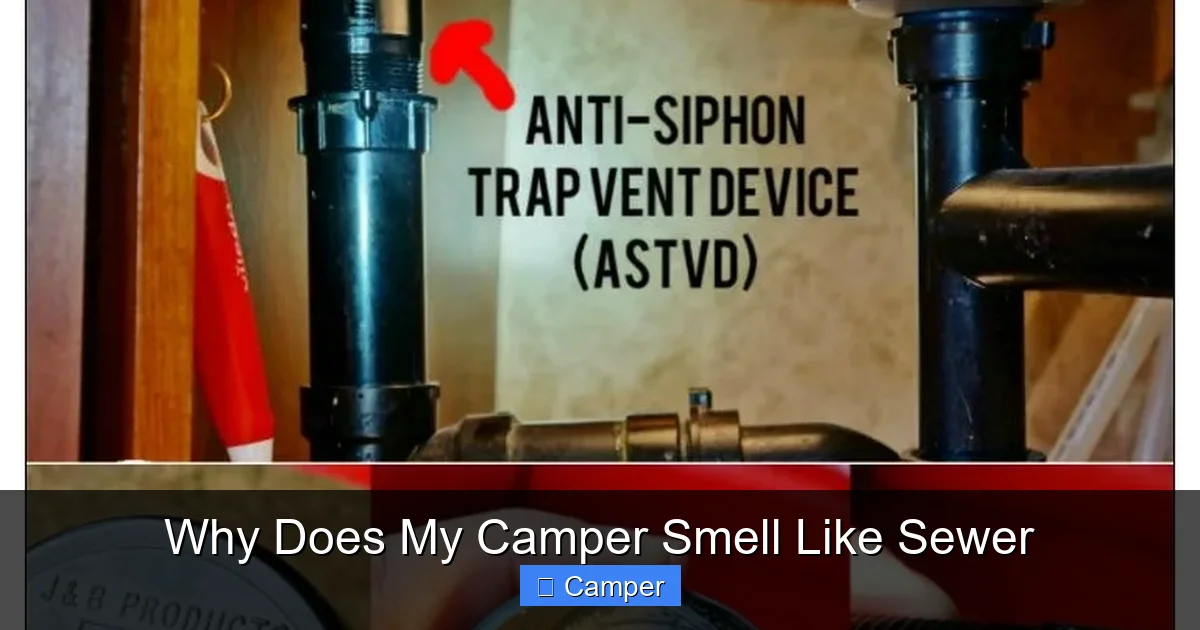
Your RV’s plumbing system relies on water traps—curved pipes under sinks and showers—to block sewer gas from rising up through the drains. These U-shaped bends, called P-traps, hold water that acts as a seal. But in campers, especially those stored for long periods, that water can evaporate. Once the trap is dry, gas flows freely into your camper. It’s like leaving a window open in a stinky basement—except the window is under your sink.
How Sewer Gas Travels in an RV
Sewer gas doesn’t just come from the toilet. It can escape from any drain connected to the waste system. That includes the kitchen sink, bathroom sink, shower, and even the toilet’s flush valve. When the system is under negative pressure—like when you flush or drain water quickly—it can pull air (and odor) from dry traps or compromised seals.
Another pathway is through the roof vent. This vent allows air to enter the plumbing system so water can flow smoothly. But if it’s blocked by leaves, bird nests, or debris, the system can’t balance pressure. This creates suction that pulls sewer gas back down the pipes and into your camper. Think of it like trying to drink from a straw with the top sealed—nothing flows, and pressure builds.
Why RVs Are More Prone to Odor Issues
Campers are more vulnerable to sewer smells than homes for several reasons. First, they’re often used seasonally. A camper stored all winter may have dry P-traps by spring. Second, vibrations from travel can loosen connections or crack seals. Third, many RVs use gravity-fed or low-pressure systems that are more sensitive to blockages and poor venting.
And let’s not forget the black water tank. This is where human waste is stored until dumping. If not cleaned properly, residue builds up, creating a breeding ground for bacteria that produce foul odors. Even a small amount of leftover waste can stink up your entire rig if the tank isn’t sealed or vented correctly.
Top 5 Causes of Sewer Smells in Campers
Now that you understand how sewer gas gets in, let’s look at the most common culprits. Identifying the source is key to fixing the problem fast. Here are the top five reasons your camper smells like sewer—and what you can do about each one.

Visual guide about Why Does My Camper Smell Like Sewer
Image source: cdn.shopify.com
1. Dry P-Traps in Drains
This is the #1 cause of sewer odors in RVs. Every drain—sink, shower, toilet—has a P-trap filled with water to block gas. But if your camper sits unused for weeks or months, that water evaporates, especially in hot or dry climates. Once the trap is dry, sewer gas flows freely into your living space.
How to fix it: Pour a cup of water down each drain—kitchen sink, bathroom sink, shower, and toilet (yes, even the toilet has a trap). Do this before every trip, especially after storage. For long-term storage, consider using a product like Trap Saver, which adds a non-toxic sealant to prevent evaporation.
Pro tip: Add a few drops of lemon or lavender essential oil to the water. It won’t stop the gas, but it’ll mask any lingering smell while you fix the root cause.
2. Faulty or Worn Black Water Tank Seals
The black water tank holds your toilet waste. It’s sealed with a gate valve and rubber gaskets. Over time, these seals wear out, crack, or get misaligned. When that happens, odors can leak out—even if the valve is closed.
How to fix it: Inspect the valve and seals regularly. Look for cracks, warping, or black residue around the valve area. Replace worn gaskets with high-quality replacements like Valterra or Camco models. Always close the valve completely after dumping, and never leave it open unless draining.
Example: A friend once complained of a persistent sewer smell near his toilet. After checking the P-trap and vent, he discovered the black tank valve wasn’t fully seated. A quick adjustment and new gasket solved the problem in minutes.
3. Blocked or Clogged Roof Vent
The roof vent is essential for proper airflow in your RV’s plumbing system. It lets air in so water can drain smoothly and prevents vacuum locks. But if it’s blocked—by leaves, bird nests, or even a spider web—the system can’t breathe. This causes negative pressure, which pulls sewer gas back into the camper.
How to fix it: Inspect the roof vent at least twice a year. Use a flashlight to look inside. If you see debris, clean it out with a brush or compressed air. Consider installing a vent cover to keep critters and leaves out while allowing airflow.
Pro tip: After heavy rain or wind, check the vent. Storms often blow debris onto roofs, and a blocked vent can cause odors within hours.
4. Improper Dumping and Tank Cleaning
How you dump your tanks matters. If you don’t flush them properly, waste sticks to the walls and bottom. Over time, this buildup hardens and breeds bacteria that produce strong odors. Even a small amount of residue can stink up your camper.
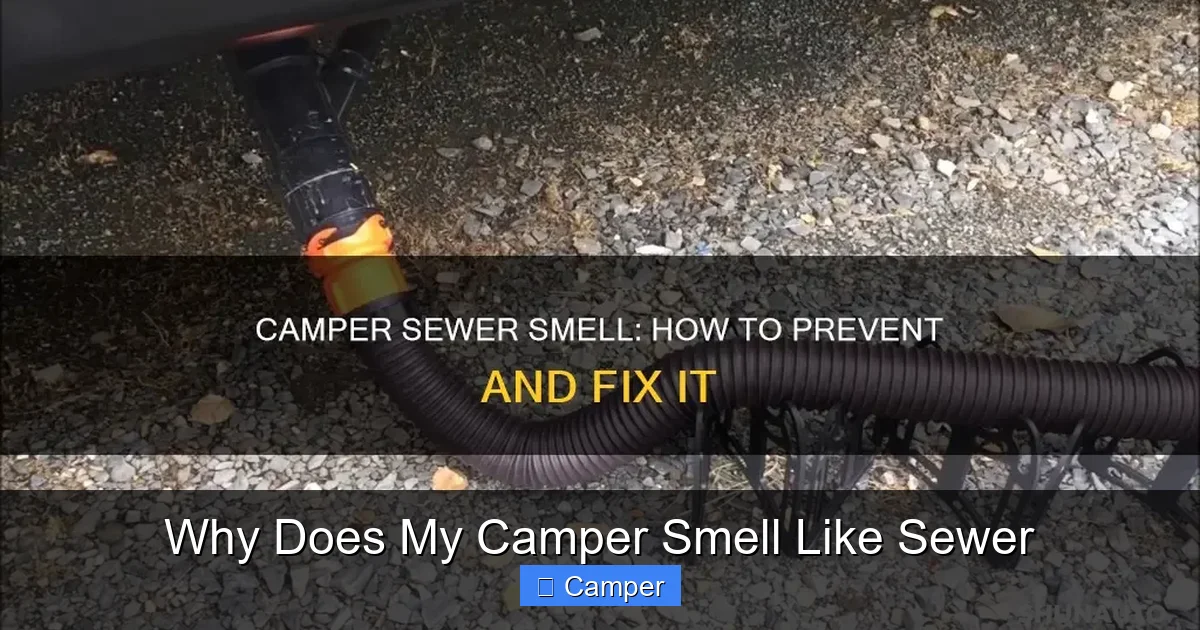
How to fix it: Always use a tank flush system or attach a flush wand to your sewer hose. After dumping, run clean water through the tank for several minutes. Use a transparent elbow on your sewer hose so you can see when the water runs clear.
Example: One RVer noticed a smell every time he flushed the toilet. He discovered old waste was stuck to the tank walls. After a deep clean with a flush wand and enzyme treatment, the odor vanished.
5. Loose or Cracked Plumbing Connections
Vibrations from driving can loosen fittings under sinks, toilets, or in the walls. Even small leaks in the waste line can release sewer gas. Cracks in PVC pipes or rubber hoses are also common, especially in older RVs.
How to fix it: Inspect all visible plumbing connections. Tighten any loose fittings with a wrench. Look for water stains, mold, or dampness—signs of a leak. Replace cracked hoses or pipes immediately. Use RV-safe sealant on threaded joints to prevent future leaks.
Pro tip: Use a flashlight and mirror to check hard-to-reach areas. If you smell gas near a connection, spray it with soapy water. Bubbles indicate a leak.
Prevention Tips: How to Keep Your Camper Smelling Fresh
An ounce of prevention is worth a pound of cure—especially when it comes to sewer smells. A few simple habits can save you from stinky surprises on the road. Here’s how to keep your camper fresh year-round.
Visual guide about Why Does My Camper Smell Like Sewer
Image source: shunauto.com
Use Enzyme-Based Tank Treatments
Chemical treatments might mask odors, but they don’t break down waste effectively. Enzyme-based products, like Happy Campers or Unique RV Digest-It, use natural bacteria to dissolve waste and eliminate odor at the source.
How to use: Add the recommended amount to your black water tank after dumping. Let it sit for a few hours or overnight before flushing. Use regularly—every time you dump—to keep tanks clean and odor-free.
Pro tip: Avoid formaldehyde-based treatments. They’re harsh, can damage seals, and aren’t eco-friendly.
Keep Drains Filled with Water
Before every trip, pour water down all drains. This renews the P-trap seal and blocks sewer gas. It’s a quick 2-minute task that prevents major headaches.
Bonus: Add a capful of RV drain cleaner to each drain monthly to break down grease and soap scum that can trap odors.
Inspect and Maintain Your Roof Vent
Make roof vent checks part of your seasonal maintenance. Clean it, check for damage, and ensure it’s not blocked. A clear vent keeps air flowing and odors out.
Store Your Camper Properly
If you’re storing your RV for the winter, take extra steps to prevent odors. Pour a cup of RV antifreeze into each drain to prevent freezing and evaporation. Seal the toilet bowl with plastic wrap to block gas. And consider using a dehumidifier to reduce moisture that can encourage mold and mildew.
Flush Tanks Thoroughly After Dumping
Never skip the flush. Use a tank flush system or wand to rinse the tank until the water runs clear. This removes residue that causes odors and clogs.
When to Call a Professional
Most sewer smells can be fixed with DIY methods. But sometimes, the problem is deeper. If you’ve tried everything and the smell persists, it’s time to call an RV technician. They can inspect hidden plumbing, test for leaks, and replace hard-to-reach components.
Signs you need professional help:
- The smell is strong and localized near a wall or floor
- You see water damage or mold
- Your toilet won’t flush properly
- Multiple drains are slow or clogged
- You suspect a cracked tank or major leak
Don’t ignore persistent odors. They could indicate a health hazard, like methane buildup or mold growth.
Conclusion: Fresh Air Ahead
That sewer smell in your camper isn’t just annoying—it’s a sign that something in your plumbing system needs attention. But with the right knowledge and a little maintenance, you can eliminate odors and enjoy a fresh, clean-smelling RV.
Remember: dry P-traps, faulty seals, blocked vents, and poor tank cleaning are the usual suspects. Fix them early, and you’ll save time, money, and your sense of smell. Stay proactive, use enzyme treatments, and inspect your system regularly. Your next adventure should be about scenic views and campfire stories—not stinky surprises.
So the next time you open your camper door, take a deep breath. With these tips, that breath should be full of fresh air—not sewer gas.
Frequently Asked Questions
Why does my camper smell like sewer only when I flush the toilet?
This usually means your black water tank valve isn’t sealing properly or the P-trap in the toilet is dry. Check the valve and pour water into the toilet bowl to restore the seal.
Can sewer gas in my RV be dangerous?
In small amounts, sewer gas is mostly a nuisance. But high levels of hydrogen sulfide or methane can be harmful. Ensure proper ventilation and fix leaks promptly.
How often should I clean my black water tank?
Clean it every time you dump, using a flush system. Do a deep clean with enzymes or a tank scrubber every 1–2 months to prevent buildup.
Will pouring bleach down the drain fix the smell?
Bleach may mask odors temporarily, but it doesn’t break down waste and can damage seals. Use enzyme-based treatments instead for long-term odor control.
Can a cracked black water tank cause sewer smells?
Yes. Even a small crack can leak odors or waste. Inspect your tank regularly, especially after rough travel or temperature changes.
How do I stop sewer smells when storing my RV?
Pour water or antifreeze into all drains, seal the toilet bowl, and use a dehumidifier. Check P-traps before your first trip out.
