
Why Does My Camper Smell Like Rotten Eggs

If your camper smells like rotten eggs, the most common culprit is hydrogen sulfide gas from your RV’s propane system or water heater. This issue can also stem from stagnant water, clogged drains, or sewer gas leaks. Identifying the source quickly and taking action ensures a safer, more enjoyable camping experience.
Picture this: You’ve just arrived at a beautiful campsite, the sun is setting, and you’re ready to unwind in your cozy camper. You open the door, take a deep breath… and are hit with a foul odor that smells exactly like rotten eggs. Your excitement deflates faster than a punctured air mattress. What’s going on? Why does your camper smell like rotten eggs?
You’re not alone. This stinky surprise is one of the most common complaints among RV and camper owners. While it’s easy to panic—especially if you suspect a gas leak—the good news is that most causes are fixable with a little detective work and routine maintenance. The smell of rotten eggs in your camper is typically caused by hydrogen sulfide gas, which has a distinct sulfur-like odor. This gas can come from several sources, including your propane system, water heater, plumbing traps, or even stagnant water in hidden tanks. Understanding where the smell is coming from is the first step to eliminating it and restoring fresh air to your home on wheels.
Key Takeaways
- Hydrogen sulfide gas from propane leaks or water heaters is a top cause of rotten egg smells in campers. This gas is toxic and flammable, so immediate inspection is crucial.
- Stagnant water in tanks, traps, or hoses can produce sulfur-like odors. Regular flushing and sanitizing prevent buildup.
- Clogged or dry P-traps under sinks and showers allow sewer gas to escape. Pouring water into unused drains monthly helps maintain the seal.
- Faulty or aging water heaters often develop sulfur bacteria in the anode rod. Replacing the rod or switching to an aluminum-zinc model reduces odors.
- Improperly vented or damaged sewer lines can leak gas into living spaces. Inspect seals, vents, and connections during routine maintenance.
- Prevention includes regular cleaning, using tank treatments, and checking for leaks. A little upkeep goes a long way in keeping your camper fresh.
- Always prioritize safety—turn off propane and ventilate the area if you suspect a gas leak. When in doubt, consult a professional RV technician.
📑 Table of Contents
Common Causes of Rotten Egg Smell in Campers
When your camper smells like rotten eggs, it’s usually a sign that something in your system is producing hydrogen sulfide gas. This gas is notorious for its “rotten egg” scent, even in tiny amounts. While it’s unpleasant, it’s rarely dangerous at low levels—but it can signal bigger issues that need attention. Let’s break down the most common culprits behind this foul odor.
1. Propane Leaks or Contaminated Fuel
Propane is a clean-burning fuel used in many campers for heating, cooking, and refrigeration. However, it’s odorless in its natural state. To help detect leaks, manufacturers add a chemical called mercaptan, which gives propane a strong sulfur or rotten egg smell. So, if you’re smelling rotten eggs near your stove, furnace, or propane tank, a leak could be the cause.
But here’s a twist: sometimes the smell isn’t from a leak at all. Propane can become contaminated with sulfur compounds during refining or storage, especially if it’s been sitting in a tank for a long time. This contaminated fuel can produce a rotten egg odor when burned, even if there’s no actual leak. If the smell is strongest near appliances that use propane, this could be the issue.
Safety first: If you suspect a propane leak, turn off the gas supply immediately, open all windows and doors, and avoid using electrical switches or flames. Use a soapy water solution to check for bubbles around connections—this indicates a leak. If you’re unsure, evacuate the camper and call a certified RV technician.
2. Water Heater Issues and Sulfur Bacteria
Your camper’s water heater is another prime suspect. Over time, bacteria can grow inside the tank, especially if the water sits stagnant for weeks or months. These bacteria feed on the magnesium or aluminum anode rod inside the heater and produce hydrogen sulfide gas as a byproduct—hence the rotten egg smell.
This problem is more common in areas with high sulfur content in the water supply, but it can happen anywhere. The smell is usually strongest when you first turn on the hot water tap, especially after the camper has been unused for a while. You might notice it in the shower, kitchen sink, or bathroom faucet.
To confirm, try running only cold water. If the smell disappears, the hot water system is likely the source. Flushing the water heater and replacing the anode rod can often solve the problem. Some RVers switch to an aluminum-zinc anode rod, which is less reactive with sulfur bacteria, or remove the rod entirely if they use a tankless water heater.
3. Dry or Clogged P-Traps in Plumbing
Ever heard of a P-trap? It’s that curved pipe under your sink or shower drain that holds a small amount of water. This water creates a seal that prevents sewer gas from traveling up through the drain and into your camper. But if a drain hasn’t been used in a while—like the shower in a rarely used bathroom—the water in the P-trap can evaporate. Once that happens, sewer gas can escape, bringing that unmistakable rotten egg smell with it.
This is especially common in campers that sit unused for weeks or months. The smell might come and go, depending on humidity and temperature, but it’s most noticeable after long periods of inactivity. You might also notice gurgling sounds from the drain or slow drainage, which are signs of a compromised trap.
The fix is simple: pour a cup of water down each unused drain once a month. This replenishes the water seal and blocks sewer gas. For extra protection, consider using a drain seal product or installing a vented drain cover.
4. Stagnant Water in Freshwater or Gray Water Tanks
Your camper’s freshwater and gray water tanks can also be odor factories if not maintained properly. Stagnant water—especially in warm climates—can breed bacteria that produce hydrogen sulfide gas. This is more likely if you’ve left water sitting in the tanks for weeks without use or cleaning.
Gray water tanks, which collect water from sinks and showers, are particularly prone to odors because they contain soap, food particles, and other organic matter. Over time, this sludge can decompose and release foul-smelling gases. If the tank isn’t vented properly or the vent is blocked, the gas has nowhere to go but back into your camper.
To prevent this, always drain and flush your tanks after each trip. Use a tank cleaner or enzyme-based treatment to break down residue. Some RVers add a cup of bleach to the freshwater tank periodically (followed by a thorough rinse) to kill bacteria. Just be sure to use RV-safe products and never mix chemicals.
5. Sewer Gas Leaks from Damaged Lines or Vents
Your camper’s plumbing system is connected to a network of pipes and vents that allow waste to flow out and air to enter the system. If any of these components are cracked, loose, or improperly sealed, sewer gas can leak into your living space. This gas contains hydrogen sulfide, methane, and other compounds that smell like rotten eggs.
Common trouble spots include the toilet seal (also called the wax ring), drain hose connections, and roof vents. A damaged roof vent can allow wind-driven rain to enter the system, disrupting the air balance and forcing gas back into the camper. Similarly, a loose connection under the sink or shower can let gas escape.
Inspect all visible plumbing connections regularly. Look for signs of corrosion, cracks, or loose fittings. Check the roof vent for debris, damage, or improper sealing. If you suspect a leak, use a smoke test or have a professional inspect the system.
How to Diagnose the Source of the Smell
Now that you know the possible causes, how do you figure out which one is to blame? Diagnosing the source of a rotten egg smell in your camper requires a bit of investigation, but it’s easier than you think. Start by narrowing down where the odor is strongest.
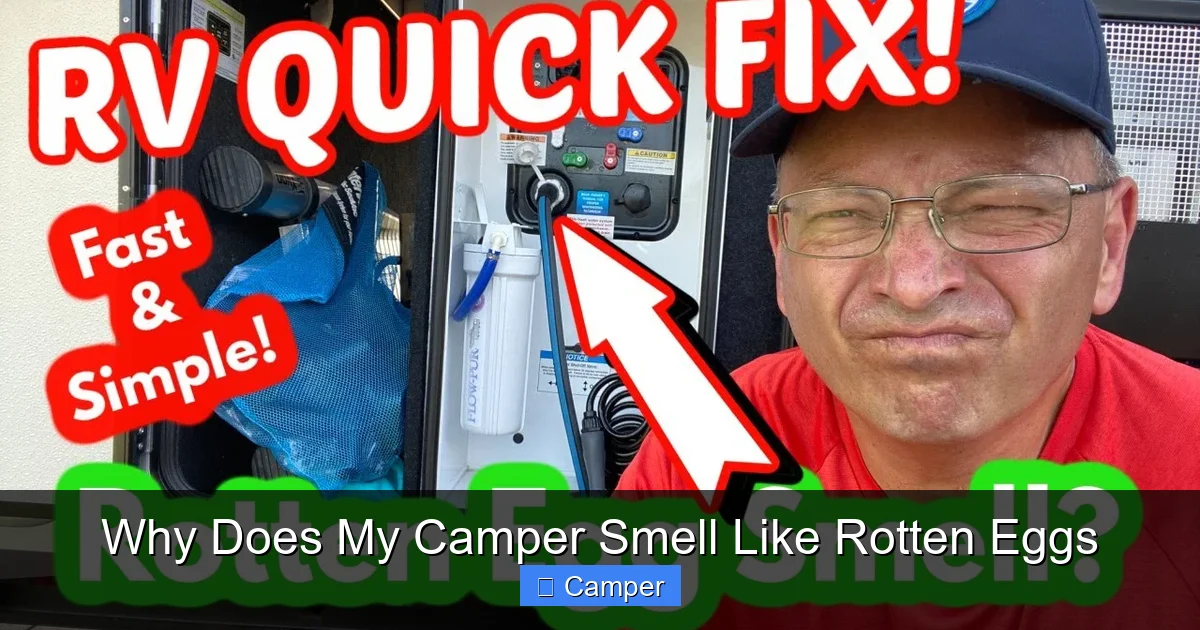
Visual guide about Why Does My Camper Smell Like Rotten Eggs
Image source: gocarlife.com
Step 1: Identify the Location
Walk through your camper and note where the smell is most intense. Is it near the kitchen? The bathroom? The water heater compartment? The propane tank area? This will help you eliminate some possibilities right away.
For example, if the smell is only present when you run hot water, focus on the water heater. If it’s near the stove or furnace, check the propane system. If it’s coming from the shower drain, suspect a dry P-trap.
Step 2: Test the Water
Run both hot and cold water from each faucet. If the smell appears only with hot water, the water heater is likely the culprit. If it’s present in both, the issue might be in the freshwater tank or plumbing lines.
You can also fill a glass with water and smell it directly. If the water itself smells like rotten eggs, the problem is in the tank or heater. If the water smells fine but the air smells bad when you run it, the issue might be bacterial growth in the pipes.
Step 3: Check for Leaks
Inspect all propane connections, including the tank, regulator, and appliance lines. Use a soapy water solution—apply it to joints and watch for bubbles. If you see bubbles forming, there’s a leak. Turn off the gas and tighten or replace the faulty component.
Also check the area around the water heater, toilet, and drains for signs of moisture, corrosion, or loose fittings. A musty smell or visible water damage can indicate a hidden leak.
Step 4: Smell the Vents
Go outside and check the roof vents, especially the plumbing vent near the bathroom. Place your nose near the vent (safely!) and see if you can detect the odor. If the smell is stronger outside, the vent might be blocked or damaged, allowing gas to escape into the camper.
Also inspect the gray water tank vent, usually located on the side of the camper. A clogged vent can cause pressure buildup and force odors back into the living space.
Effective Solutions and Fixes
Once you’ve identified the source, it’s time to take action. Here are proven solutions for each common cause of rotten egg smells in campers.
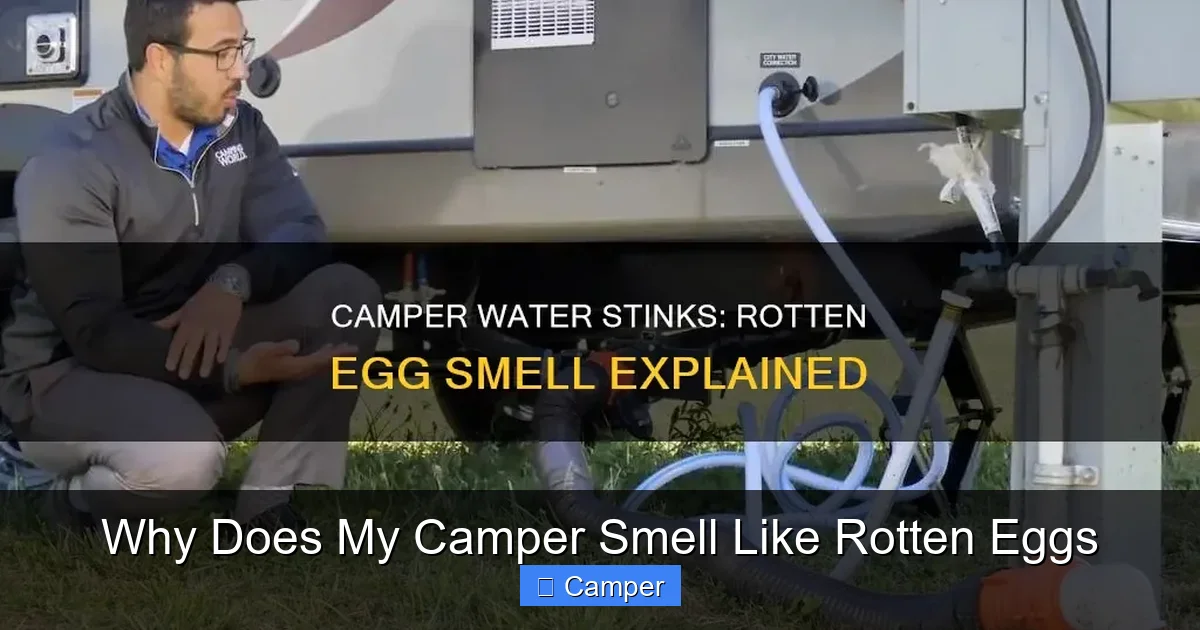
Visual guide about Why Does My Camper Smell Like Rotten Eggs
Image source: shunauto.com
Fixing Propane-Related Odors
If the smell is from a propane leak, safety is paramount. Turn off the gas supply, ventilate the area, and avoid any ignition sources. Tighten loose connections or replace damaged hoses. If the odor persists, have a certified technician inspect the system.
If the propane is contaminated, drain the tank and refill it with fresh fuel from a reputable supplier. Consider using a fuel filter to catch impurities. Some RVers also install propane leak detectors for added peace of mind.
Cleaning and Maintaining the Water Heater
To eliminate sulfur bacteria in the water heater, start by turning off the power and water supply. Drain the tank completely, then flush it with a vinegar solution (1 part vinegar to 4 parts water) or a commercial RV water heater cleaner. Let it sit for several hours, then flush again with fresh water.
Next, inspect the anode rod. If it’s corroded or coated in sludge, replace it with a new one. Consider switching to an aluminum-zinc anode rod, which is less reactive with sulfur bacteria. If you rarely use hot water, you can remove the anode rod entirely—just be aware this may void your warranty and increase corrosion risk.
Restoring P-Trap Seals
For dry P-traps, simply pour a cup of water down each unused drain. Do this monthly, especially if your camper sits unused for long periods. For extra protection, use a drain seal product that creates a temporary barrier without blocking water flow.
If the trap is clogged, use a plunger or drain snake to clear it. Avoid harsh chemical drain cleaners, as they can damage RV plumbing. Instead, opt for enzyme-based cleaners that break down organic matter safely.
Sanitizing Water Tanks
To clean your freshwater and gray water tanks, drain them completely after each trip. Flush with clean water, then add a tank cleaner or a mild bleach solution (1/4 cup of unscented bleach per 15 gallons of water). Let it sit for a few hours, then flush thoroughly until the smell is gone.
For gray water tanks, use enzyme-based treatments regularly to prevent buildup. These products break down soap scum, grease, and food particles, reducing odors and clogs.
Repairing Leaks and Vents
If you find a cracked pipe, loose connection, or damaged seal, replace or repair it immediately. Use RV-safe sealants and fittings. For roof vents, clean out debris and ensure the flap opens and closes freely. Replace any cracked or warped vent covers.
Consider installing a vent filter or charcoal canister to absorb odors before they enter the camper. These are especially useful in humid or high-odor environments.
Prevention Tips for a Fresh-Smelling Camper
The best way to deal with a rotten egg smell is to stop it before it starts. With a few simple habits, you can keep your camper smelling fresh all season long.
Visual guide about Why Does My Camper Smell Like Rotten Eggs
Image source: shootingstar-rvresort.com
Regular Maintenance Schedule
Create a maintenance checklist and follow it after every trip. Include tasks like draining tanks, flushing the water heater, checking P-traps, and inspecting propane connections. Set reminders on your phone or calendar to stay on track.
Use Tank Treatments
Invest in high-quality tank treatments for both freshwater and gray water systems. Look for products with enzymes or bacteria that break down waste and prevent odors. Use them regularly, even when the camper is in storage.
Ventilate Properly
Always use the exhaust fan when showering or cooking to reduce moisture and odors. Open windows when weather permits to improve airflow. Consider using a small dehumidifier in humid climates.
Store Smart
When storing your camper, drain all water systems, including the water heater and traps. Add a cup of RV antifreeze to each drain to prevent freezing and seal the traps. Cover vents with breathable covers to keep out pests and debris.
Inspect After Long Periods of Inactivity
Before your first trip of the season, do a thorough inspection. Check for odors, leaks, and blockages. Run water through all faucets and drains to flush out stagnant water. Test the propane system and water heater.
When to Call a Professional
While many odor issues can be resolved with DIY fixes, some problems require expert help. If you’ve tried everything and the smell persists, or if you suspect a serious gas leak, don’t hesitate to call a certified RV technician.
Professionals have specialized tools to detect leaks, test water quality, and inspect hidden plumbing. They can also replace complex components like water heaters, propane regulators, and sewer lines. Investing in professional service can save you time, money, and stress in the long run.
Conclusion
Discovering a rotten egg smell in your camper can be alarming, but it’s rarely a sign of disaster. Most causes—like sulfur bacteria, dry P-traps, or contaminated propane—are common and fixable with the right approach. By understanding the sources, diagnosing the issue, and taking preventive measures, you can keep your camper smelling fresh and enjoy every adventure without worry.
Remember, regular maintenance is your best defense. A little effort goes a long way in preventing odors and ensuring a safe, comfortable camping experience. So the next time you step into your camper and catch a whiff of something foul, don’t panic—grab your toolkit, follow these tips, and breathe easy knowing you’ve got this.
Frequently Asked Questions
Is a rotten egg smell in my camper dangerous?
A rotten egg smell is often caused by hydrogen sulfide gas, which can be toxic in high concentrations. While low levels are usually not harmful, they may indicate a propane leak or other issue that requires immediate attention. Always ventilate the area and investigate the source.
Can I use bleach to clean my camper’s water tank?
Yes, but use it carefully. Mix 1/4 cup of unscented household bleach per 15 gallons of water, let it sit for a few hours, then flush thoroughly until the smell is gone. Never mix bleach with other chemicals.
How often should I replace my water heater anode rod?
Inspect the anode rod annually and replace it when it’s corroded or less than 1/2 inch thick. In areas with high sulfur water, consider switching to an aluminum-zinc rod or removing it if you don’t use hot water often.
Why does my camper smell like rotten eggs only when I run hot water?
This usually points to sulfur bacteria in the water heater. The bacteria react with the anode rod and produce hydrogen sulfide gas. Flushing the tank and replacing the rod often solves the problem.
Can a clogged vent cause a rotten egg smell?
Yes. A blocked or damaged plumbing vent can prevent proper airflow, causing sewer gas to back up into the camper. Check roof and tank vents for debris or damage and clean or repair as needed.
Should I be worried if the smell comes and goes?
Intermittent odors often indicate a dry P-trap or seasonal changes in humidity. Pour water down unused drains monthly and inspect traps regularly. If the smell persists, investigate further for leaks or tank issues.
