
Passenger Tire Vs All Season

Passenger tires and all-season tires aren’t mutually exclusive—many passenger tires are all-season. Understanding the distinction helps you choose the right tire for safety, comfort, and longevity based on your climate and driving habits.
Key Takeaways
- Passenger tires refer to vehicle type: Designed for cars, crossovers, and light-duty vehicles, not trucks or commercial use.
- All-season tires describe performance: Built to handle dry, wet, light snow, and moderate temperatures year-round.
- Many passenger tires are all-season: Most standard car tires fall into both categories, but not all all-season tires are passenger-specific.
- Climate matters most: All-season tires work well in mild winters, but harsh snow demands winter or all-weather tires.
- Performance varies by design: Some all-season passenger tires prioritize comfort, while others focus on handling or fuel efficiency.
- Tread life and warranty differ: Passenger all-season tires often come with longer tread warranties due to everyday use.
- Check the sidewall markings: Look for “P” (passenger) and “M+S” or 3PMSF symbols to confirm tire type and capability.
📑 Table of Contents
Understanding the Basics: What Is a Passenger Tire?
When shopping for new tires, you’ll often see the term “passenger tire” on labels and product descriptions. But what does it actually mean? Simply put, a passenger tire is designed specifically for use on passenger vehicles—cars, sedans, coupes, hatchbacks, and small crossovers. These tires are not intended for heavy-duty trucks, commercial vehicles, or high-load applications.
The key identifier of a passenger tire is the “P” prefix in its size designation. For example, a common size like P215/60R16 means it’s a passenger tire with a section width of 215 millimeters, an aspect ratio of 60%, and fits a 16-inch wheel. This “P” stands for “P-metric,” a sizing system used in North America for light-duty vehicles. Without the “P,” the tire might be a metric (Euro-metric) size, which can have different load ratings even if the dimensions look similar.
Why the “Passenger” Label Matters
The passenger classification affects more than just size—it influences construction, load capacity, speed rating, and intended use. Passenger tires are engineered for comfort, low road noise, and smooth handling. They typically have lower load indexes compared to light truck (LT) tires, meaning they can’t carry as much weight. This makes them ideal for everyday commuting, family trips, and city driving.
For example, a Honda Civic or Toyota Camry will almost always use passenger tires. These vehicles don’t need the rugged durability of truck tires, and their suspension systems are tuned for a softer, more comfortable ride. Using the wrong type—like an LT tire—could lead to a harsher ride, reduced fuel efficiency, and even handling issues.
Common Features of Passenger Tires
- Softer sidewalls: For better ride comfort and shock absorption.
- Lower load ratings: Designed for typical car weights, not heavy cargo.
- Speed ratings from S to Y: Covering speeds from 112 mph up to 186 mph, depending on performance needs.
- Focus on tread life and fuel efficiency: Many include low-rolling-resistance compounds to improve gas mileage.
It’s also worth noting that passenger tires come in various performance categories—standard, touring, performance, and ultra-high-performance (UHP). Each serves a different driving style, from relaxed highway cruising to spirited cornering on twisty roads.
What Are All-Season Tires?
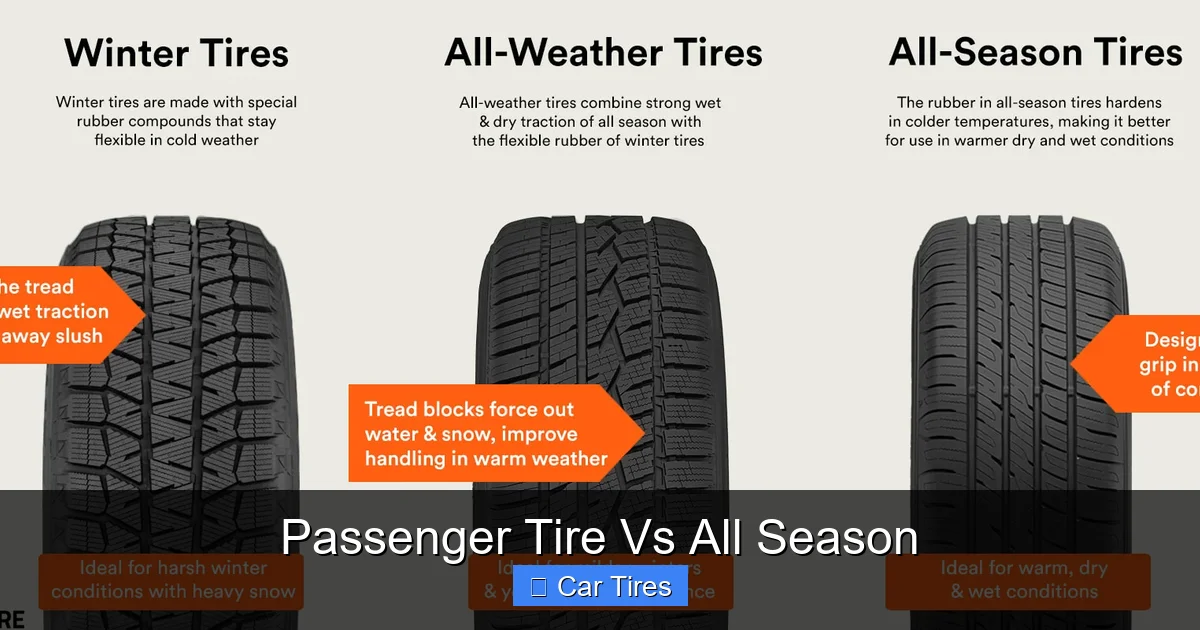
Now let’s talk about all-season tires. Unlike passenger tires, which are defined by vehicle type, all-season tires are defined by their performance across multiple weather conditions. These tires are engineered to provide reliable traction in dry, wet, and light snow conditions, making them a popular choice for drivers in regions with moderate climates.
Visual guide about Passenger Tire Vs All Season
Image source: images.simpletire.com
The term “all-season” implies versatility. These tires use a specialized rubber compound that stays flexible in cooler temperatures (but not extreme cold) and a tread pattern designed to channel water away to prevent hydroplaning. They also include siping—tiny slits in the tread blocks—that improve grip on wet or lightly snow-covered roads.
How All-Season Tires Are Built
All-season tires balance several competing factors: grip, tread life, noise, and fuel efficiency. The rubber compound is a key part of this balance. It’s softer than summer tires (for better cold-weather grip) but harder than winter tires (to prevent excessive wear in warm weather). This compromise allows the tire to perform adequately year-round without needing seasonal swaps.
The tread design typically features circumferential grooves for water evacuation, lateral grooves for lateral grip, and a mix of rib and block patterns for stability. Many modern all-season tires also incorporate silica into the tread compound, which enhances wet traction without sacrificing durability.
All-Season vs. All-Weather: What’s the Difference?
It’s easy to confuse all-season with all-weather tires, but they’re not the same. All-season tires are not rated for severe winter conditions. If you see the Three-Peak Mountain Snowflake (3PMSF) symbol on the sidewall, it’s an all-weather tire—not just all-season. All-weather tires meet stricter snow traction standards and can legally be used in winter conditions in many regions.
For example, a standard all-season tire might struggle in heavy snow or icy roads, while an all-weather tire with the 3PMSF symbol will perform significantly better. If you live in an area with frequent snowfall, especially above 45 degrees latitude, all-weather or dedicated winter tires are a safer choice.
Passenger Tire vs All Season: Are They the Same?
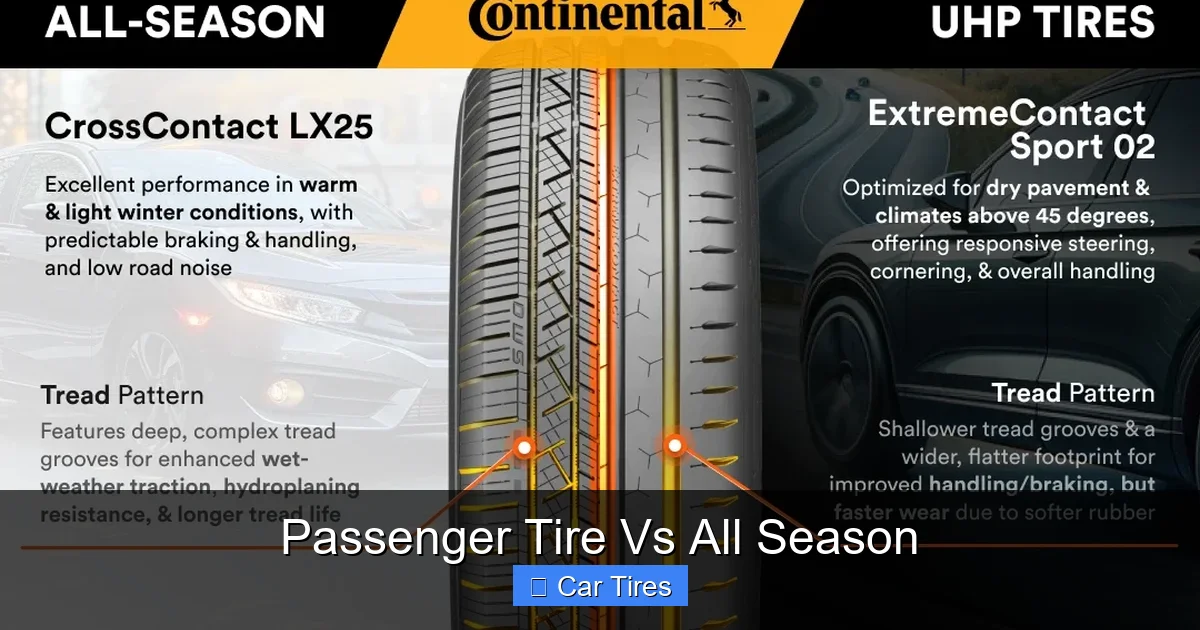
This is where things get interesting—and a bit confusing. The short answer? Many passenger tires are all-season, but not all all-season tires are passenger tires. The two terms describe different aspects of a tire: one refers to the vehicle type, the other to performance capability.
Visual guide about Passenger Tire Vs All Season
Image source: images.simpletire.com
Think of it like this: “Passenger” is about who the tire is for (your car), while “all-season” is about what the tire can do (handle various weather). A tire can be both—and most are. For instance, a P225/50R17 94H tire with an M+S (Mud and Snow) rating is a passenger tire that’s also all-season.
Overlap in the Market
The vast majority of tires sold for everyday cars are passenger all-season tires. Brands like Michelin, Goodyear, Bridgestone, and Continental offer lines such as the Michelin Defender, Goodyear Assurance, and Bridgestone Turanza—all of which are passenger tires with all-season capabilities.
These tires are designed for the average driver who wants one set of tires that will last several years and perform well in most conditions. They’re ideal for city driving, highway commutes, and occasional road trips. You’ll find them on vehicles ranging from compact cars like the Honda Fit to midsize sedans like the Toyota Avalon.
When They Don’t Overlap
However, not all all-season tires are passenger tires. Some are designed for light trucks, SUVs, or crossovers and may carry an “LT” (Light Truck) designation. These tires have higher load capacities and stiffer sidewalls, making them better suited for heavier vehicles or towing.
Similarly, not all passenger tires are all-season. Some are summer tires, optimized for warm weather and high performance, with minimal tread depth and no snow capability. Others are winter tires, built for ice and deep snow, with aggressive tread patterns and soft rubber that would wear quickly in summer.
For example, a Porsche 911 might come with summer performance tires that are passenger-rated but not all-season. These tires offer excellent grip on dry roads but become dangerously slippery in cold or wet conditions. In contrast, a Subaru Outback typically uses passenger all-season or all-weather tires to handle its all-terrain lifestyle.
Performance Comparison: How Do They Stack Up?
Now that we’ve clarified the definitions, let’s compare how passenger all-season tires perform in real-world driving scenarios. The goal isn’t to say one is “better” than the other—since they often overlap—but to understand how design choices affect your driving experience.
Visual guide about Passenger Tire Vs All Season
Image source: lesschwab.com
Wet and Dry Traction
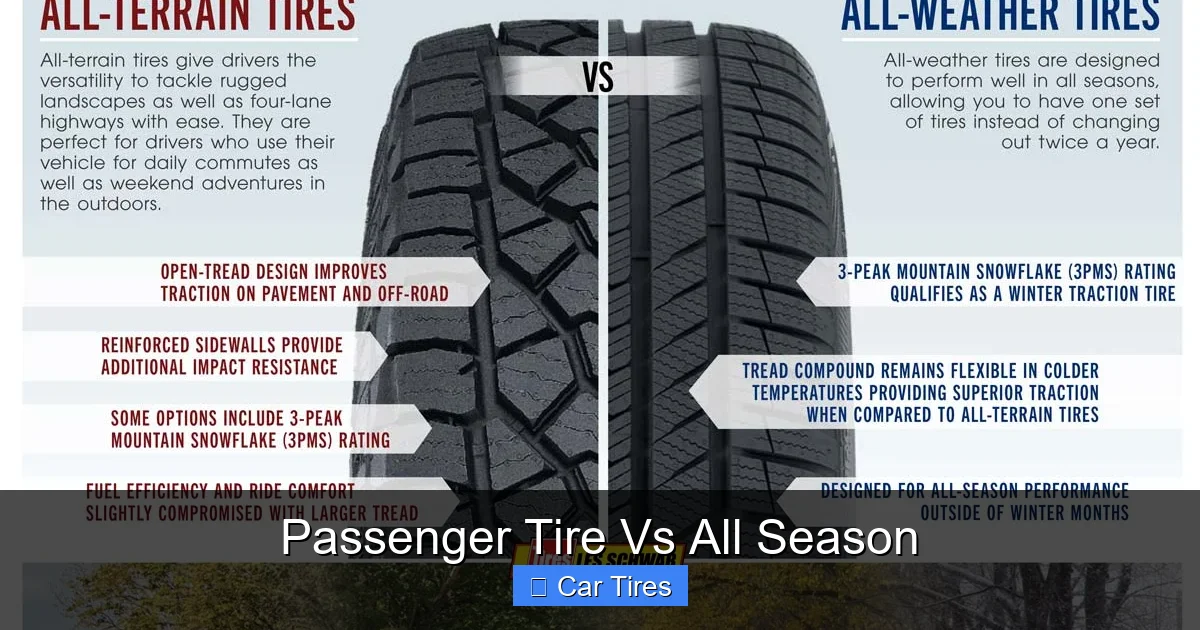
All-season passenger tires generally offer solid wet and dry traction. The silica-enhanced tread compounds and circumferential grooves help channel water away, reducing the risk of hydroplaning. In dry conditions, the tread blocks provide stable contact with the road, supporting confident cornering and braking.
However, they’re not as grippy as summer performance tires. If you enjoy spirited driving or live in a warm climate with little rain, a summer tire might offer sharper handling. But for most drivers, the all-season compromise is more than adequate.
Snow and Ice Performance
This is where all-season tires show their limitations. While they can handle light snow and slush, they struggle in deep snow, packed ice, or temperatures consistently below 45°F (7°C). The rubber compound hardens in cold weather, reducing flexibility and grip.
For example, driving on a snowy mountain pass with all-season tires might feel manageable at first, but as snow accumulates and temperatures drop, you’ll notice longer stopping distances and reduced traction. In contrast, winter tires remain soft and pliable, with deeper tread and more siping for better bite on ice.
Tread Life and Durability
One of the biggest advantages of passenger all-season tires is their long tread life. Manufacturers design them to last 50,000 to 80,000 miles or more, depending on the model and driving habits. Treadwear ratings (like 600 or 800) give you a rough idea of longevity—higher numbers mean longer life.
For instance, the Michelin Defender T+H boasts a 80,000-mile tread warranty and is known for its durability. It uses a wear-resistant compound and even tread wear technology to extend life. In contrast, performance-oriented passenger tires may prioritize grip over longevity, wearing out faster.
Comfort and Noise
Passenger tires, especially touring all-season models, are built for a quiet, comfortable ride. Features like variable pitch tread blocks and noise-reducing foam liners help minimize road noise. This makes them ideal for long highway drives or daily commutes where comfort matters.
Compare that to a performance tire, which may have a stiffer sidewall and more aggressive tread pattern—great for handling but noisier and harsher over bumps. If you value a smooth, quiet ride, a passenger all-season tire is likely the better choice.
Fuel Efficiency
Many modern passenger all-season tires are designed with low rolling resistance in mind. This means they require less energy to roll, which translates to better fuel economy. Tires like the Bridgestone Ecopia or Goodyear Assurance Fuel Max are marketed specifically for their eco-friendly performance.
Over the life of the tire, this can add up to significant fuel savings—especially for high-mileage drivers. While the difference per tank might be small, it contributes to lower emissions and reduced fuel costs over time.
Choosing the Right Tire for Your Needs
So, how do you decide between a passenger tire and an all-season tire—or more accurately, which combination suits your vehicle and lifestyle? The answer depends on several factors: your climate, driving habits, vehicle type, and personal preferences.
Consider Your Climate
If you live in a region with mild winters—think Southern California, Texas, or Florida—an all-season passenger tire is likely perfect. You’ll get reliable performance year-round without the hassle of seasonal tire changes.
But if you experience harsh winters with heavy snow and sub-freezing temperatures—like in Minnesota, Maine, or the Rocky Mountains—you should consider winter tires or all-weather tires with the 3PMSF symbol. All-season tires simply aren’t safe enough in those conditions.
Evaluate Your Driving Habits
Do you drive mostly in the city, or do you take frequent long highway trips? Are you a cautious driver, or do you enjoy pushing your car’s limits? These questions help narrow down your options.
For example, a family driving a minivan for school runs and grocery trips will benefit from a comfortable, long-lasting passenger all-season tire. A weekend enthusiast with a sporty coupe might prefer a high-performance summer tire for better handling, even if it means switching tires seasonally.
Check Your Vehicle’s Requirements
Always consult your owner’s manual or the tire placard on the driver’s side door jamb. This will tell you the correct tire size, load index, and speed rating for your vehicle. Using the wrong size or type can affect safety, handling, and even your warranty.
For instance, putting LT tires on a passenger car can lead to a rougher ride and reduced fuel economy. Conversely, using passenger tires on a heavy SUV or truck might result in overloading and premature failure.
Budget and Warranty
Passenger all-season tires vary widely in price, from budget options under $100 per tire to premium models over $200. Higher-end tires often come with better warranties, longer tread life, and improved performance.
Look for treadwear warranties, road hazard protection, and mileage guarantees. Some brands even offer free rotation and balancing for the life of the tire. While it’s tempting to go cheap, investing in quality tires can save money and improve safety in the long run.
Maintenance Tips for Passenger All-Season Tires
Once you’ve chosen the right tires, proper maintenance ensures they perform well and last as long as possible. Here are some practical tips to keep your passenger all-season tires in top shape.
Regular Tire Rotations
Rotate your tires every 5,000 to 7,500 miles to promote even wear. Front tires typically wear faster due to steering and braking forces, so moving them to the rear helps balance tread life. Most manufacturers recommend a specific rotation pattern—check your manual or ask your tire shop.
Check Tire Pressure Monthly
Underinflated tires wear unevenly, reduce fuel efficiency, and increase the risk of blowouts. Overinflated tires can lead to a harsh ride and reduced traction. Use a reliable gauge to check pressure when the tires are cold (before driving).
The correct pressure is listed on the door jamb placard—not the maximum pressure printed on the tire sidewall. For example, if your car calls for 32 psi, don’t inflate to 44 psi just because the tire says it can handle that.
Inspect for Damage and Wear
Look for cracks, bulges, punctures, or uneven wear patterns. Feathering (scalloped wear) might indicate alignment issues, while cupping could point to worn shocks. Address these problems early to avoid costly repairs or tire failure.
Wheel Alignment and Balancing
Get your alignment checked if you notice pulling to one side, uneven wear, or after hitting a pothole. Balancing ensures smooth rotation and reduces vibration. Both services are typically included with tire purchases or available for a small fee.
Store Tires Properly (If Switching Seasonally)
If you use winter tires in cold months, store your all-season passenger tires in a cool, dry place away from sunlight and ozone sources (like motors). Use tire bags or stacks to prevent flat spots, and avoid stacking them vertically for long periods.
Conclusion: Making the Smart Choice
Understanding the difference between passenger tires and all-season tires empowers you to make informed decisions about your vehicle’s safety and performance. While the terms often overlap, they serve different purposes: one defines the tire’s intended vehicle, the other its weather capability.
For most drivers, a high-quality passenger all-season tire offers the best balance of comfort, durability, and all-around performance. It’s the go-to choice for daily commuting, family travel, and moderate climates. But if you face extreme weather or demand high performance, specialized tires—like winter, summer, or all-weather—may be worth the investment.
Ultimately, the right tire is the one that matches your driving environment, vehicle needs, and personal preferences. Take the time to research, read reviews, and consult with a trusted tire professional. Your safety, comfort, and peace of mind are worth it.
Frequently Asked Questions
Are all passenger tires all-season?
No, not all passenger tires are all-season. While many are, passenger tires can also be summer, winter, or performance-specific. The “passenger” label refers to the vehicle type, not the weather capability.
Can I use all-season tires in snow?
All-season tires can handle light snow and slush, but they are not recommended for heavy snow, ice, or prolonged cold weather. For severe winter conditions, use winter or all-weather tires with the 3PMSF symbol.
What does the “P” on a tire mean?
The “P” stands for “P-metric,” indicating the tire is designed for passenger vehicles. It’s part of the North American sizing system and helps distinguish passenger tires from light truck (LT) or commercial tires.
How long do passenger all-season tires last?
Most passenger all-season tires last between 50,000 and 80,000 miles, depending on the model, driving habits, and maintenance. Check the treadwear rating and warranty for specifics.
Do I need different tires for summer and winter?
If you live in an area with harsh winters, yes—winter tires provide superior grip in snow and ice. In mild climates, all-season passenger tires are usually sufficient year-round.
Can I mix passenger and all-season tires?
It’s not recommended to mix different tire types on the same vehicle. For safety and performance, use four identical tires—same brand, model, size, and type—on all wheels.