
Best Tire Pressure Monitoring System for Travel Trailers

Choosing the best tire pressure monitoring system for travel trailers is essential for safe, smooth towing. A reliable TPMS helps prevent blowouts, improves fuel economy, and extends tire life—especially important when hauling heavy loads over long distances.
Key Takeaways
- Enhanced Safety: A quality TPMS alerts you to dangerous pressure drops or overheating, helping prevent tire blowouts while towing.
- Improved Fuel Efficiency: Properly inflated tires reduce rolling resistance, which can boost gas mileage and save money on long trips.
- Tire Longevity: Maintaining correct pressure reduces uneven wear, extending the life of your travel trailer tires.
- Real-Time Monitoring: Modern systems offer live updates on tire pressure and temperature, viewable from your tow vehicle’s dashboard or smartphone.
- Easy Installation: Most top-rated TPMS units are wireless and tool-free, making setup quick and hassle-free.
- Peace of Mind: Whether you’re boondocking in the desert or cruising down the highway, a TPMS lets you focus on the journey, not tire stress.
📑 Table of Contents
- Why Every Travel Trailer Owner Needs a Tire Pressure Monitoring System
- How a TPMS Works: The Tech Behind the Safety
- Top Features to Look for in a Travel Trailer TPMS
- Top 5 TPMS Models for Travel Trailers in 2024
- Installation Tips: Setting Up Your TPMS Like a Pro
- Common Mistakes to Avoid When Using a TPMS
- Conclusion: Invest in Safety and Peace of Mind
Why Every Travel Trailer Owner Needs a Tire Pressure Monitoring System
Let’s be honest—when you’re hitting the open road with your travel trailer in tow, the last thing you want is a surprise blowout on the side of a remote highway. Tires are the unsung heroes of any RV adventure, silently carrying thousands of pounds over rough terrain, extreme temperatures, and long distances. But they’re also vulnerable. Underinflation, overheating, and slow leaks can turn a dream trip into a roadside nightmare.
That’s where a tire pressure monitoring system (TPMS) comes in. Think of it as your tire’s personal bodyguard—constantly watching over pressure and temperature levels, and alerting you the moment something goes wrong. For travel trailer owners, this isn’t just a nice-to-have gadget; it’s a critical safety tool. Unlike your car, your trailer doesn’t have a built-in TPMS (in most cases), so you’re flying blind without one. A good system gives you real-time data, so you can react before a small issue becomes a big problem.
Imagine driving through the desert at 80°F outside, and your trailer tires are heating up to 140°F due to underinflation. Without a TPMS, you’d never know—until it’s too late. But with a reliable monitoring system, you’d get an instant alert, pull over, and adjust the pressure. That simple action could prevent a blowout, a blown axle, or even a serious accident.
How a TPMS Works: The Tech Behind the Safety
Visual guide about Best Tire Pressure Monitoring System for Travel Trailers
Image source: autovfix.com
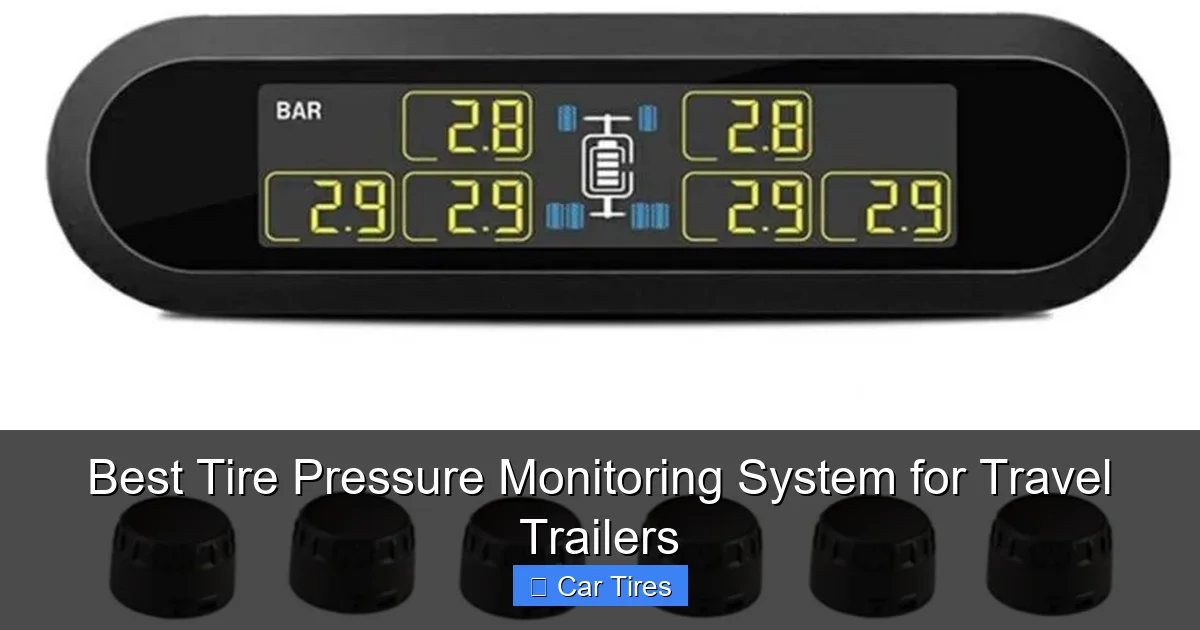
At its core, a tire pressure monitoring system uses sensors to track the air pressure and temperature inside each tire. These sensors are typically mounted on the valve stems—either internally or externally—and send data wirelessly to a display unit in your tow vehicle. Most modern systems use radio frequency (RF) signals to transmit information, updating every few seconds so you always have the latest readings.
There are two main types of TPMS sensors: internal and external. Internal sensors are installed inside the tire, usually by a professional, and are more accurate and durable since they’re protected from the elements. External sensors screw onto the valve stem and are easier to install yourself, but they’re more prone to damage from road debris or theft.
Once the sensors detect a change in pressure—say, a drop below the recommended PSI—they trigger an alert on your monitor. Many systems also monitor temperature, which is crucial because heat builds up quickly in underinflated tires. Some advanced models can even detect slow leaks, rapid deflation, or sensor battery life, giving you a complete picture of your tire health.
One of the biggest advantages of a TPMS is its ability to monitor all tires simultaneously. Whether you have a single-axle pop-up or a massive fifth wheel with six tires, a good system can handle it. Most units support up to 10 or 12 tires, making them ideal for larger travel trailers and toy haulers.
Top Features to Look for in a Travel Trailer TPMS
Visual guide about Best Tire Pressure Monitoring System for Travel Trailers
Image source: m.media-amazon.com
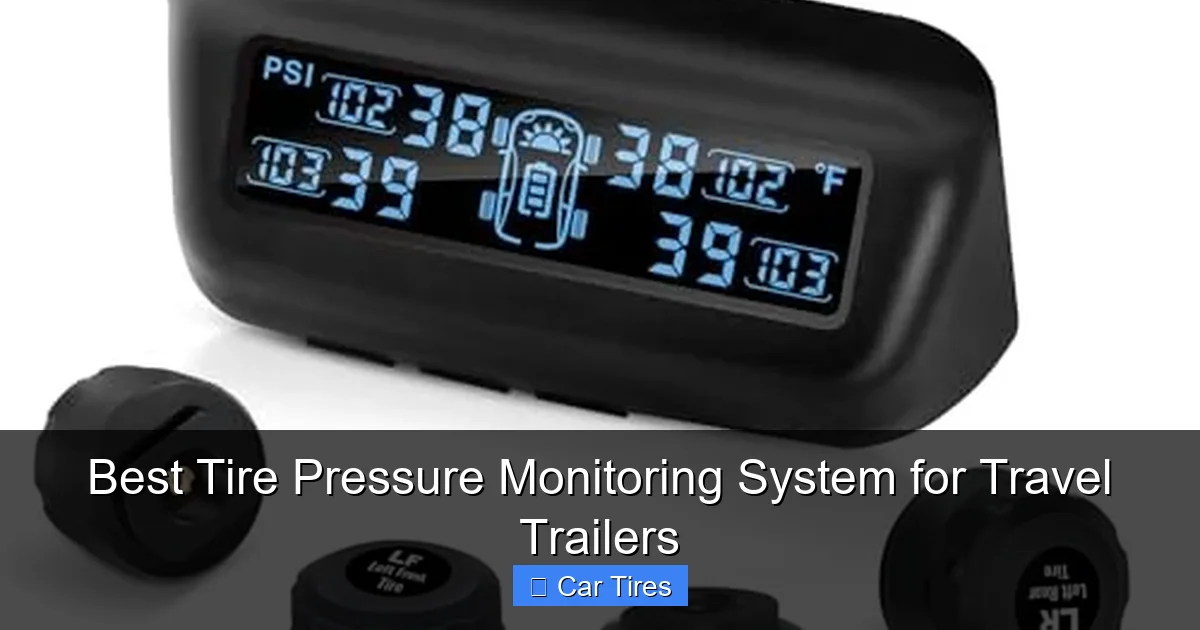
Not all tire pressure monitoring systems are created equal. When shopping for the best tire pressure monitoring system for travel trailers, it’s important to know what features matter most. Here’s a breakdown of the key specs and functions to prioritize.
Real-Time Alerts and Customizable Thresholds
The whole point of a TPMS is to warn you before trouble starts. That means you need instant alerts when pressure drops below a safe level or temperature spikes. Look for systems that allow you to set custom thresholds—like 10% below recommended PSI or temperatures over 150°F. This way, you’re not getting false alarms every time the weather changes, but you’ll still be notified of real dangers.
Some systems even offer different alert types: visual (flashing lights), audible (beeps), or vibration (on your phone or monitor). If you’re driving in noisy conditions or have hearing impairments, a visual or vibration alert can be a lifesaver.
Long Battery Life and Low Maintenance
Travel trailer tires aren’t changed often, so your TPMS sensors should last for years. Most high-quality sensors use lithium batteries that last 5 to 7 years. Some models even have replaceable batteries, so you don’t have to buy a whole new system when the power runs out.
External sensors are easier to check and replace, but internal ones are more secure and less likely to be damaged. If you’re planning long-term use, internal sensors are usually the better investment.
Easy Installation and User-Friendly Display
Nobody wants to spend hours installing a TPMS. The best systems are wireless and tool-free—just screw on the sensors, pair them with the monitor, and you’re good to go. Look for models with clear, backlit displays that are easy to read in daylight or at night. Some units even come with suction cup mounts or dashboard clips for flexible placement.
Bonus points if the system has a mobile app. Many newer TPMS models sync with your smartphone via Bluetooth, letting you check tire status from your pocket. This is especially handy when you’re parked and want to do a quick pre-trip check.
Durability and Weather Resistance
Your travel trailer tires face rain, snow, mud, and extreme heat. Your TPMS sensors need to handle it all. Look for sensors with IP67 or higher waterproof ratings, meaning they can withstand immersion in water up to 1 meter deep. Shock resistance is also important—sensors should survive potholes, curbs, and rough terrain without failing.
Compatibility with Multiple Axles and Tire Types
Travel trailers come in all shapes and sizes. Whether you have a lightweight teardrop or a heavy-duty bunkhouse, your TPMS should support your setup. Most systems work with standard valve stems (Schrader valves), but if you have dual wheels or special tire configurations, double-check compatibility.
Also, consider whether the system can handle different tire types—like ST (Special Trailer) tires, which are common on travel trailers and have different pressure requirements than passenger car tires.
Top 5 TPMS Models for Travel Trailers in 2024
Visual guide about Best Tire Pressure Monitoring System for Travel Trailers
Image source: m.media-amazon.com
Now that you know what to look for, let’s dive into some of the best tire pressure monitoring systems on the market. These models stand out for their reliability, features, and real-world performance.
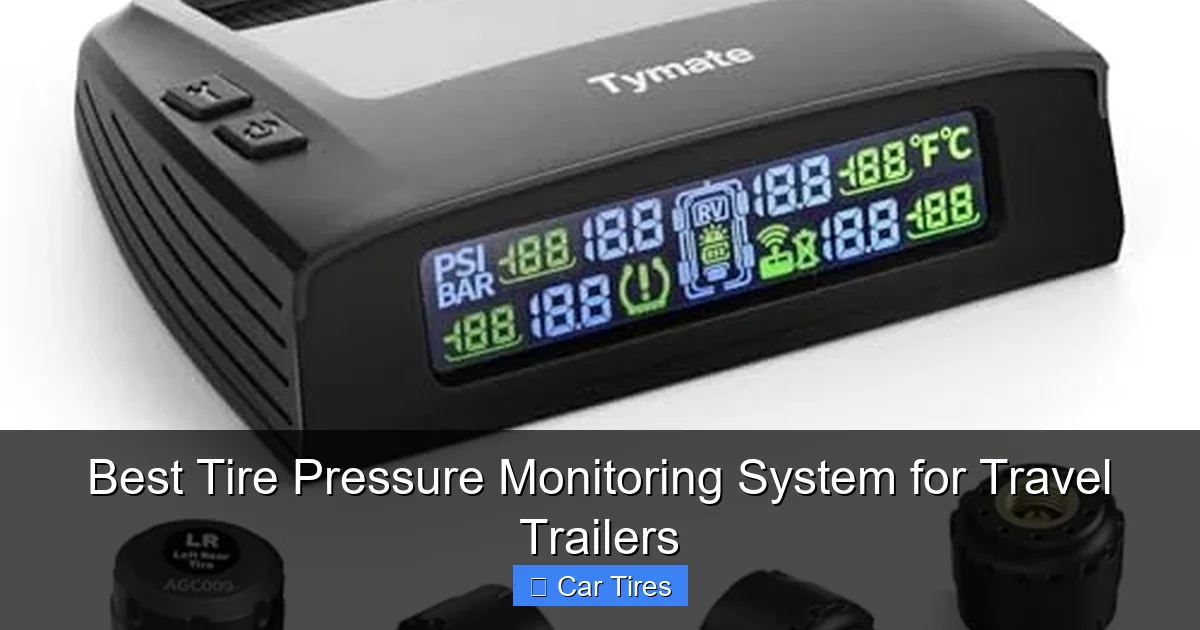
1. Tymate M8-TPMS Real-Time Wireless TPMS
The Tymate M8 is a favorite among RV enthusiasts for its balance of price and performance. It comes with four external sensors and a large, easy-to-read LCD monitor. The system monitors pressure from 0 to 110 PSI and temperature from -40°F to 176°F, making it suitable for all climates.
One standout feature is its customizable alerts. You can set low-pressure, high-pressure, and high-temperature thresholds, and the system will beep and flash when any tire goes out of range. The sensors are waterproof and shock-resistant, and the monitor can be mounted on your dashboard or windshield.
Users love the simple setup—just screw on the sensors, pair them with the monitor, and you’re done. The Tymate app (available for iOS and Android) lets you check tire status remotely, which is great for peace of mind when you’re away from your rig.
2. EEZTire TPMS Real-Time Monitoring System
The EEZTire system is known for its accuracy and durability. It includes four internal sensors that are installed inside the tire, offering better protection and longer battery life (up to 7 years). The monitor features a bright, color display with real-time graphs and historical data, so you can track trends over time.
What sets EEZTire apart is its advanced alert system. It can detect rapid pressure loss (like a puncture), slow leaks, and sensor tampering. The system also supports up to 22 tires, making it ideal for large fifth wheels or multi-trailer setups.
Installation is a bit more involved since the sensors go inside the tire, but many users say it’s worth the effort for the added reliability. The EEZTire app provides detailed reports and allows you to share data with family members or fellow travelers.
3. TireMinder Smart TPMS with Bluetooth
If you love smart tech, the TireMinder Smart system is a top pick. It uses Bluetooth to connect to your smartphone, eliminating the need for a separate monitor. The app displays real-time pressure and temperature for up to 22 tires, with customizable alerts and trip logs.
The sensors are external and easy to install, and they’re powered by long-life batteries. The app also includes a “Find My RV” feature, which uses GPS to help you locate your trailer in large campgrounds—a fun bonus for forgetful travelers.
One downside is that you need your phone nearby to receive alerts, so it’s not ideal if you prefer a dedicated dashboard display. But for tech-savvy RVers, the convenience and connectivity are hard to beat.
4. Lippert Tire Linc TPMS
Lippert is a trusted name in RV components, and their Tire Linc system is designed specifically for travel trailers and fifth wheels. It includes four internal sensors and a sleek, tablet-style monitor that mounts on your dashboard.
The system integrates with Lippert’s OneControl app, allowing you to monitor tire pressure alongside other RV systems like slide-outs, leveling jacks, and lighting. This unified control is a game-changer for tech-forward RVers.
Tire Linc also offers real-time diagnostics, including sensor battery status and signal strength. The sensors are built to last, with a 5-year battery life and rugged construction. While it’s on the pricier side, many users say the integration and reliability justify the cost.
5. Garmin TPMS for RVs
Garmin, known for GPS navigation, has entered the TPMS market with a high-quality system designed for RVs and travel trailers. It features four external sensors and a compact, sunlight-readable monitor.
The Garmin TPMS stands out for its integration with Garmin GPS units. If you already use a Garmin RV navigator, you can view tire data directly on the screen—no extra monitor needed. The system also sends alerts to your phone via the Garmin Drive app.
Sensors are easy to install and offer accurate readings, and the system supports up to 10 tires. While it’s not as feature-rich as some competitors, its simplicity and brand reliability make it a solid choice for Garmin users.
Installation Tips: Setting Up Your TPMS Like a Pro
Installing a tire pressure monitoring system doesn’t have to be complicated. With the right approach, you can have your TPMS up and running in under an hour. Here’s how to do it right.
Step 1: Choose the Right Location for the Monitor
Your monitor should be easy to see while driving but not block your view. Common spots include the dashboard, windshield (with a suction cup), or side window. Avoid placing it near air vents or direct sunlight, which can affect readability.
If you’re using a smartphone app, make sure your phone is within Bluetooth range (usually 30–50 feet). Some apps allow you to mount your phone on the dashboard for a built-in look.
Step 2: Install the Sensors Correctly
For external sensors, simply unscrew the valve stem cap, screw on the sensor, and tighten by hand. Don’t over-tighten—this can damage the valve or sensor. Make sure the sensor is snug and secure.
For internal sensors, you’ll need to remove the tire and install the sensor inside, usually by a tire shop or RV technician. This ensures proper placement and prevents leaks.
Step 3: Pair the Sensors with the Monitor
Follow the manufacturer’s instructions to pair each sensor with the monitor. This usually involves pressing a button on the sensor and the monitor simultaneously. Most systems will beep or flash when pairing is successful.
Label each sensor (e.g., “Front Left,” “Rear Right”) so you know which tire is which. Some systems auto-detect tire positions, but manual labeling is more reliable.
Step 4: Set Your Alert Thresholds
Check your travel trailer’s tire pressure recommendations (usually found on a sticker inside the door or in the owner’s manual). Set your TPMS alerts to trigger at 10–15% below that number. For temperature, set alerts at 150°F or higher.
Test the system by slightly deflating one tire and confirming the alert works. This ensures everything is functioning before you hit the road.
Step 5: Perform Regular Maintenance
Check your sensors every few months for dirt, damage, or loose fittings. Clean them with a damp cloth and ensure they’re tight. Replace batteries as needed (usually every 5–7 years).
Also, recalibrate the system if you change tires or rotate them. Some systems require re-pairing after tire changes.
Common Mistakes to Avoid When Using a TPMS
Even the best system won’t help if you’re not using it correctly. Here are some common pitfalls to watch out for.
Ignoring the Alerts
A TPMS is only useful if you respond to its warnings. Don’t assume a low-pressure alert is a false alarm—pull over and check the tire. A slow leak can turn into a blowout in minutes.
Not Setting Custom Thresholds
Using the default settings might not match your trailer’s needs. Always customize your alerts based on your tire’s recommended PSI and typical driving conditions.
Forgetting to Check Sensor Batteries
Dead sensors won’t send data. Check battery status regularly and replace them before they fail. Some systems notify you when battery life is low.
Installing Sensors on Damaged Valve Stems
If your valve stem is cracked or corroded, the sensor won’t seal properly. Replace damaged stems before installing sensors to prevent leaks.
Using the Wrong Type of Sensor
External sensors are easier but less durable. Internal sensors are more reliable but require professional installation. Choose based on your needs and budget.
Conclusion: Invest in Safety and Peace of Mind
When it comes to towing a travel trailer, safety should always come first. Tires are one of the most critical—and often overlooked—components of your setup. A blowout can cause loss of control, damage to your rig, or even a serious accident. That’s why investing in the best tire pressure monitoring system for travel trailers isn’t just smart—it’s essential.
A quality TPMS gives you real-time insight into your tire health, helping you avoid disasters before they happen. It improves fuel efficiency, extends tire life, and gives you the confidence to explore remote destinations without worry. Whether you choose a budget-friendly option like the Tymate M8 or a high-end system like Lippert Tire Linc, the peace of mind is priceless.
Remember, the best system is the one you actually use. Choose a model that fits your lifestyle, install it correctly, and pay attention to the alerts. With the right TPMS, every mile of your journey will be safer, smoother, and more enjoyable.
Frequently Asked Questions
Do I really need a TPMS for my travel trailer?
Yes, especially if you tow frequently or travel long distances. Travel trailer tires are prone to underinflation and overheating, and a TPMS helps prevent blowouts and accidents by alerting you to issues in real time.
Can I install a TPMS myself?
Most external sensor systems are designed for DIY installation and take less than an hour. Internal sensors may require professional help to install properly inside the tire.
How often should I check my tire pressure manually?
Even with a TPMS, it’s wise to check tire pressure manually before long trips or after temperature changes. A TPMS is a backup, not a replacement, for regular maintenance.
Will a TPMS work in extreme cold or heat?
Yes, most quality systems are designed to operate in temperatures from -40°F to 176°F. Just make sure the sensors are rated for your climate.
Can a TPMS detect a slow leak?
Yes, many advanced systems can detect gradual pressure drops and alert you before the tire becomes dangerously underinflated.
Do I need a separate monitor, or can I use my phone?
It depends on the system. Some TPMS models require a dedicated monitor, while others connect to your smartphone via Bluetooth or Wi-Fi for added convenience.
