
Tire Pressure Light Comes on and Off

If your tire pressure light comes on and off, it’s often due to temperature changes, slow leaks, or sensor issues—not always a flat tire. This intermittent warning doesn’t always mean danger, but it shouldn’t be ignored. Regular checks and understanding your TPMS can keep you safe on the road.
Key Takeaways
- Temperature fluctuations are a top cause: Cold mornings can drop tire pressure, triggering the light, which may go off as tires warm up during driving.
- Slow leaks may be to blame: A small puncture or valve stem issue can cause gradual air loss, leading to an on-and-off warning.
- TPMS sensors can malfunction: Dead batteries or damaged sensors may send false signals, especially in older vehicles.
- Underinflated tires are risky: Even brief low pressure reduces fuel efficiency, handling, and tire life.
- Manual checks are still essential: Relying solely on the TPMS light can be dangerous; use a gauge monthly.
- Reset the system correctly: After inflating tires, follow your vehicle’s TPMS reset procedure to avoid persistent warnings.
- Seasonal changes matter: Tire pressure drops about 1 PSI for every 10°F temperature decrease—check tires in fall and winter.
📑 Table of Contents
Why Does the Tire Pressure Light Come On and Off?
You’re driving along, maybe heading to work or running errands, when suddenly—your dashboard lights up. The tire pressure monitoring system (TPMS) warning light flashes or stays on. You pull over, check your tires, and they look fine. You add a little air, and the light goes off. But a few days later? It’s back. Again.
Sound familiar?
If your tire pressure light comes on and off, you’re not alone. This frustrating, confusing issue affects millions of drivers every year. And while it might seem like a minor annoyance, it’s actually a signal worth paying attention to. The TPMS is designed to alert you when one or more of your tires are significantly underinflated—typically 25% below the recommended pressure. But when the light flickers on and off, it’s often not a full-blown emergency. Instead, it’s usually a sign of something subtler: temperature changes, a slow leak, or a glitch in the sensor system.
Understanding why this happens—and what you can do about it—can save you money, improve your safety, and keep your car running smoothly. In this guide, we’ll break down the most common reasons your tire pressure light comes on and off, how to diagnose the issue, and what steps you can take to fix it for good.
How the TPMS Works: A Quick Overview
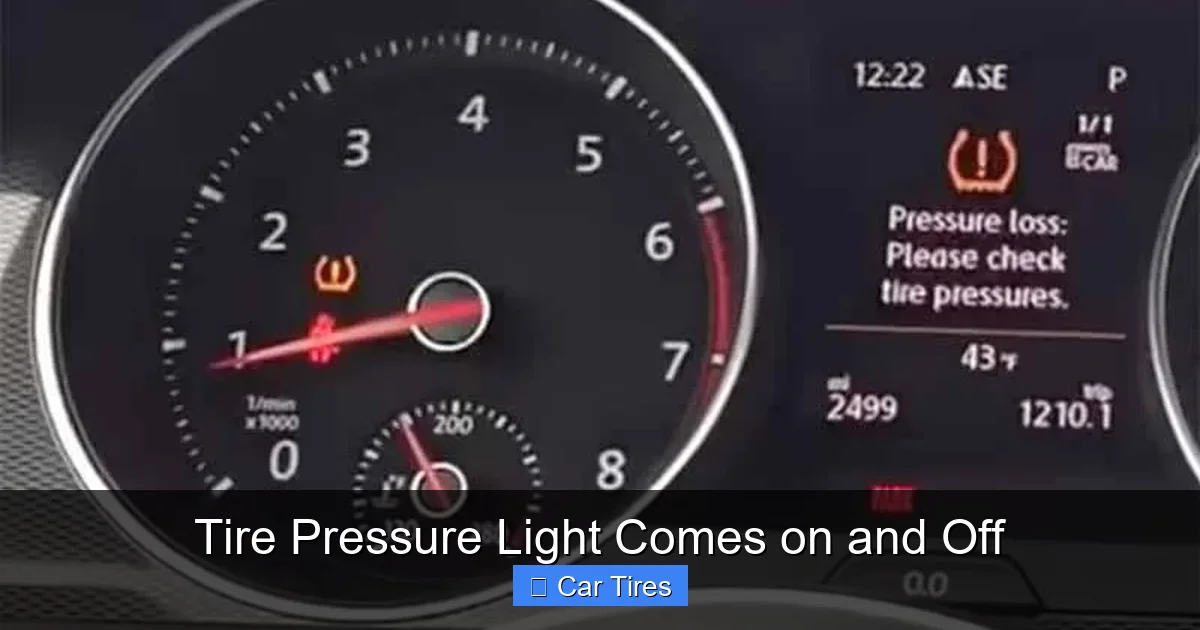
Visual guide about Tire Pressure Light Comes on and Off
Image source: tiregrades.com
Before diving into the causes, it helps to understand how your car’s tire pressure monitoring system actually works. The TPMS is a safety feature required on all vehicles sold in the U.S. since 2008. Its job is simple: monitor the air pressure in your tires and warn you if it drops too low.
There are two main types of TPMS:
Direct TPMS
This system uses sensors mounted inside each tire (usually on the valve stem or wheel rim). These sensors measure the actual air pressure and send real-time data to your car’s computer via radio signals. If pressure drops below the threshold, the system triggers the warning light. Direct TPMS is accurate and provides specific information about which tire is low.
Indirect TPMS
This system doesn’t use physical sensors. Instead, it relies on your car’s anti-lock braking system (ABS) wheel speed sensors. When a tire is underinflated, it rotates faster than the others. The ABS detects this difference and triggers the TPMS light. Indirect systems are less precise and can’t tell you which tire is low—just that one might be.
Most modern cars use direct TPMS because it’s more reliable. But both systems can experience issues that cause the light to come on and off. And while the technology is helpful, it’s not perfect. Sensors can fail, signals can get disrupted, and environmental factors can interfere with readings.
That’s why it’s so important to understand not just how the system works—but why it might give you false or intermittent alerts.
Top Causes of an Intermittent Tire Pressure Light
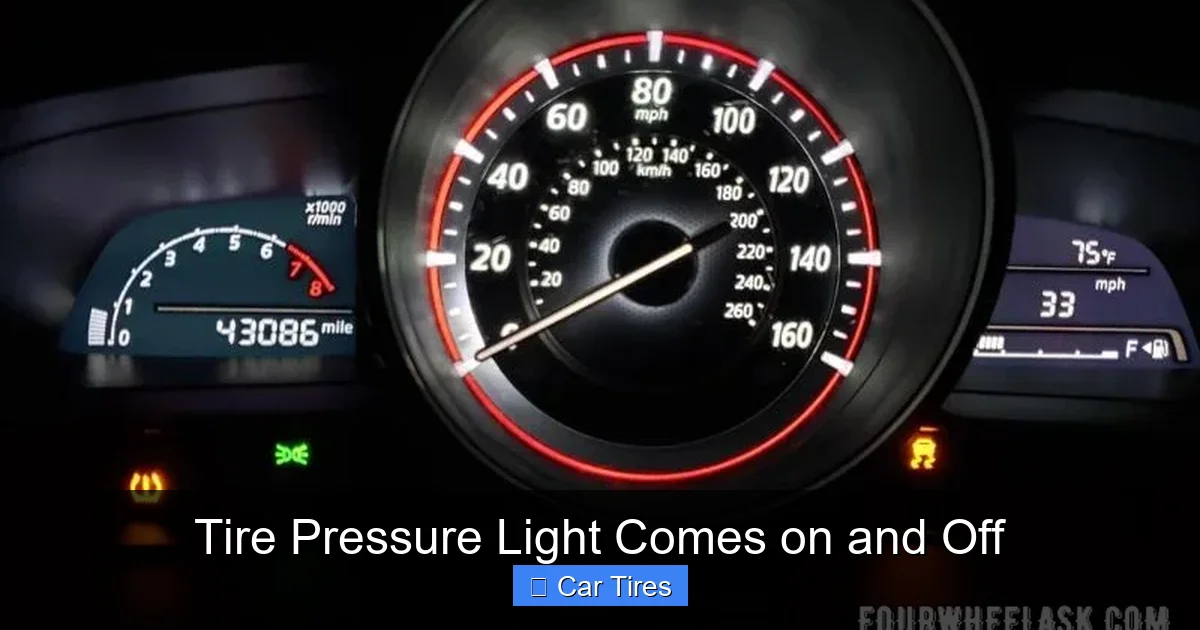
Visual guide about Tire Pressure Light Comes on and Off
Image source: fourwheelask.com
Now that you know how TPMS functions, let’s look at the most common reasons your tire pressure light comes on and off. These aren’t always serious problems, but they do require attention.
1. Temperature Changes
This is the number one cause of a flickering TPMS light—especially in fall and winter. Air contracts when it gets cold. For every 10°F drop in temperature, your tire pressure drops by about 1 PSI (pound per square inch). So if it’s 70°F during the day and drops to 40°F at night, your tires could lose 3 PSI overnight.
Imagine your tires are properly inflated at 35 PSI in the morning. After a cold night, they drop to 32 PSI. That’s still within a safe range for many vehicles—but if your TPMS threshold is set at 30 PSI, the light might not come on. But if the drop pushes one tire below that threshold, the light will flash. Then, as you drive and the tires warm up from friction, the pressure increases again. The light goes off.
This cycle can repeat daily during seasonal transitions. It’s especially common in regions with large temperature swings.
Example: You live in Colorado. In October, mornings are chilly—around 35°F—but afternoons reach 65°F. Your TPMS light comes on at 7 a.m. but disappears by 9 a.m. as you drive to work. This is likely just cold weather at work.
2. Slow Leaks
A slow leak is another frequent culprit. Unlike a sudden flat, a slow leak loses air gradually—maybe 1–2 PSI per week. This can cause the TPMS light to come on when pressure dips below the threshold, then go off if you top off the air or if temperature changes temporarily increase pressure.
Common causes of slow leaks include:
– A damaged or corroded valve stem
– A small puncture from a nail or screw
– A cracked wheel rim
– Poor seal between the tire and rim (common after tire mounting)
These leaks are often hard to spot. You might not hear hissing or see visible damage. But over time, they can lead to underinflated tires, which increase wear, reduce fuel economy, and raise the risk of a blowout.
Tip: If your light comes on and off regularly, especially after a few days of driving, inspect your tires for embedded objects. Use soapy water on the valve stem and tire surface—bubbles will form if there’s a leak.
3. Faulty or Dying TPMS Sensors
TPMS sensors aren’t built to last forever. Most have a battery life of 5 to 10 years. As the battery weakens, the sensor may send inconsistent or delayed signals. This can cause the light to flicker or come on randomly—even when tire pressure is normal.
Other sensor issues include:
– Physical damage from potholes or curbs
– Corrosion from road salt or moisture
– Signal interference from electronic devices or other vehicles
If your car is more than 7 years old and the TPMS light behaves erratically, a failing sensor is a strong possibility.
Example: You have a 2015 sedan. The TPMS light comes on every few weeks, but all tires are properly inflated. A mechanic checks the sensors and finds one has a weak battery. Replacing it solves the problem.
4. Recent Tire Work or Rotation
If you’ve recently had your tires rotated, replaced, or repaired, the TPMS system may need to be reset. Some vehicles automatically recalibrate, but others require a manual reset procedure. If this isn’t done, the system might misread pressure levels or confuse which sensor belongs to which tire.
Additionally, during tire service, sensors can be damaged or dislodged. A loose sensor may not transmit data correctly, leading to false warnings.
Tip: After any tire service, ask the technician if the TPMS was reset. If not, consult your owner’s manual for the correct reset procedure—often involving a button under the steering wheel or a sequence of ignition turns.
5. Uneven Tire Wear or Mismatched Tires
If your tires are worn unevenly or you’re using mismatched tires (different brands, sizes, or tread depths), it can affect how they roll and how pressure is distributed. This can confuse indirect TPMS systems, which rely on wheel speed differences.
Even with direct TPMS, uneven wear can lead to inconsistent pressure readings, especially if one tire is more porous or damaged than others.
Example: You replaced only two front tires after a blowout. The new tires have slightly different rolling resistance. Your indirect TPMS detects a speed difference and triggers the light—even though all tires are properly inflated.
How to Diagnose the Problem
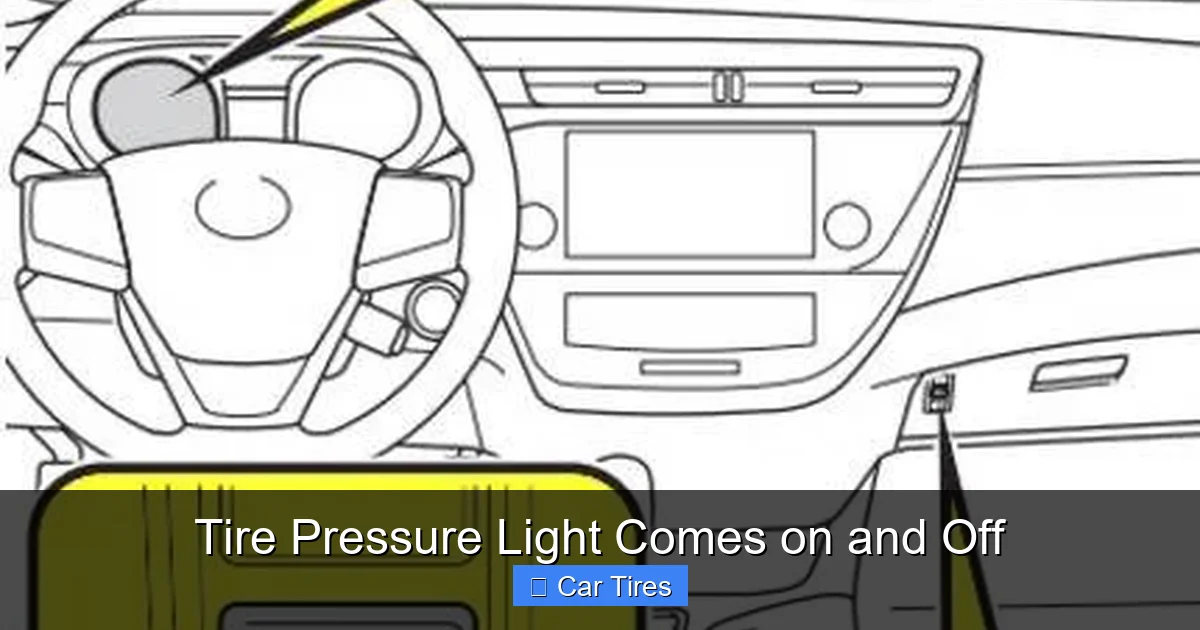
Visual guide about Tire Pressure Light Comes on and Off
Image source: seventrumpet.com
When your tire pressure light comes on and off, the first step is diagnosis. Don’t ignore it—even if the tires look fine. Here’s how to figure out what’s really going on.
Step 1: Check Tire Pressure Manually
Your TPMS is a warning system, not a replacement for manual checks. Use a reliable tire pressure gauge (digital or analog) to measure the pressure in all four tires—including the spare if you have one.
– Check pressure when tires are cold (before driving or after sitting for 3+ hours).
– Compare readings to the recommended PSI listed on the driver’s side door jamb or in the owner’s manual.
– Note any significant differences between tires.
Tip: Keep a tire gauge in your glove compartment. It’s cheap, easy to use, and gives you accurate data the TPMS can’t.
Step 2: Look for Visible Damage
Inspect each tire carefully:
– Check for nails, screws, or glass embedded in the tread.
– Examine the sidewalls for cracks, bulges, or cuts.
– Look at the valve stem—is it cracked, bent, or leaking?
Use a spray bottle with soapy water. Spray it on the valve stem and tire surface. If bubbles form, you’ve found a leak.
Step 3: Monitor the Pattern
Keep a log of when the light comes on:
– Does it happen in the morning but go away after driving?
– Is it tied to cold weather or rainy days?
– Does it happen after highway driving or short trips?
Patterns can point to temperature sensitivity, sensor issues, or driving conditions.
Step 4: Use an OBD2 Scanner (Optional)
If you’re tech-savvy, an OBD2 scanner with TPMS functionality can read sensor data directly. These tools show real-time pressure and temperature from each sensor, helping you pinpoint which tire is problematic.
Many auto parts stores (like AutoZone or O’Reilly) offer free TPMS scans if you don’t want to buy a scanner.
Step 5: Visit a Professional
If you can’t find the cause, take your car to a trusted mechanic or tire shop. They can:
– Perform a leak test (including submerging tires in water)
– Check sensor battery life and signal strength
– Inspect wheels for damage or corrosion
– Reset or reprogram the TPMS system
Don’t delay—persistent or erratic TPMS warnings can mask real safety issues.
How to Fix an On-and-Off TPMS Light
Once you’ve identified the cause, it’s time to fix it. Here’s how to address the most common issues.
Fix 1: Adjust for Temperature Changes
If cold weather is the culprit, the solution is simple: check and adjust tire pressure more frequently during seasonal changes.
– In fall and winter, check pressure weekly.
– Inflate tires to the recommended PSI when cold.
– Consider using nitrogen instead of air—it’s less affected by temperature swings (though the benefit is minor for most drivers).
Pro Tip: Don’t overinflate to compensate for cold weather. Overinflated tires reduce traction and wear unevenly.
Fix 2: Repair Slow Leaks
If you find a leak:
– Small punctures (under 1/4 inch) can often be repaired with a plug or patch—but only if they’re in the tread area, not the sidewall.
– Damaged valve stems can be replaced easily and inexpensively.
– Cracked wheels or bead leaks may require professional repair or wheel replacement.
Never drive on a tire with a known leak. Even slow leaks can worsen quickly.
Fix 3: Replace Faulty TPMS Sensors
If a sensor is dead or damaged, it needs replacement. Most sensors are integrated into the valve stem and must be replaced as a unit.
– Cost: $50–$150 per sensor (parts and labor).
– Some shops include sensor programming in the price.
– After replacement, the system must be reset or relearned.
Note: Some vehicles require a special tool to program new sensors. Ask your mechanic if they have the right equipment.
Fix 4: Reset the TPMS System
After inflating tires or replacing sensors, reset the system:
– Turn the ignition to “on” (don’t start the engine).
– Press and hold the TPMS reset button (usually under the steering wheel) until the light blinks three times.
– Drive the car for 10–20 minutes to allow the system to recalibrate.
Check your owner’s manual for exact steps—procedures vary by make and model.
Fix 5: Replace Worn or Mismatched Tires
If uneven wear or mismatched tires are causing issues, consider replacing all four tires with the same brand, model, and size. This ensures consistent performance and accurate TPMS readings.
Preventing Future TPMS Warnings
An ounce of prevention is worth a pound of cure. Here’s how to avoid the tire pressure light coming on and off in the future.
Check Tire Pressure Monthly
Make it a habit. Set a calendar reminder or check during your weekly gas fill-up. Cold pressure checks are most accurate.
Rotate Tires Regularly
Follow your manufacturer’s recommendation (usually every 5,000–7,500 miles). Rotation promotes even wear and helps maintain consistent pressure.
Inspect Tires During Oil Changes
Ask your mechanic to check tire condition and pressure during routine service. It’s a quick add-on that can catch problems early.
Protect Sensors from Damage
Avoid potholes and curbs when possible. When mounting new tires, ensure technicians use TPMS-safe procedures to avoid damaging sensors.
Use Quality Air or Nitrogen
Standard air contains moisture, which can corrode sensors over time. Nitrogen is dry and stable, but it’s not necessary for most drivers. If you use nitrogen, stick with it—mixing air and nitrogen reduces benefits.
Keep Your Car’s Software Updated
Some vehicles receive TPMS software updates via dealership service. These can improve sensor communication and reduce false alerts.
When to See a Mechanic Immediately
While many TPMS warnings are harmless, some signal real danger. Seek professional help right away if:
– The light stays on constantly (not flickering)
– You notice a flat tire or significant air loss
– The tire feels soft or wobbles while driving
– You hear hissing or see visible damage
– The light comes on after a recent tire repair or rotation
Ignoring a persistent warning could lead to a blowout, especially at high speeds.
Conclusion
The tire pressure light coming on and off can be confusing, but it’s rarely a reason to panic. In most cases, it’s caused by temperature changes, slow leaks, or sensor issues—not an immediate safety threat. However, it’s a reminder that your tires need attention.
By understanding how your TPMS works, checking tire pressure regularly, and addressing issues promptly, you can keep your car safe, efficient, and reliable. Don’t rely solely on the dashboard light. Take control with a simple tire gauge and a little routine maintenance.
Your tires are the only part of your car that touches the road. Treat them well, and they’ll carry you safely for miles to come.
Frequently Asked Questions
Why does my tire pressure light come on when it’s cold?
Cold temperatures cause air inside tires to contract, lowering pressure. For every 10°F drop, tire pressure decreases by about 1 PSI. This can trigger the TPMS light, especially in the morning. The light often goes off as tires warm up during driving.
Can a TPMS sensor battery die and cause false warnings?
Yes. TPMS sensors have batteries that last 5–10 years. When the battery weakens, the sensor may send inconsistent signals, causing the light to flicker or come on randomly—even when pressure is normal.
Is it safe to drive if the tire pressure light comes on and off?
It’s usually safe for short distances if the tires look fine and pressure checks out. But don’t ignore it. A flickering light can indicate a slow leak or sensor issue that could worsen. Check pressure and inspect tires as soon as possible.
Do I need to reset the TPMS after adding air?
Not always. Many systems reset automatically after driving a short distance. But if the light stays on, consult your owner’s manual for the correct reset procedure—often involving a button or ignition sequence.
Can a nail in my tire cause the light to come on and off?
Yes. A small puncture from a nail can cause a slow leak, leading to gradual air loss. The light may come on when pressure drops, then go off if you add air or temperature changes temporarily increase pressure.
Should I replace all four TPMS sensors at once?
Not necessarily. Replace only the faulty sensor unless they’re all old (7+ years). However, if one has failed, others may follow soon. Some mechanics recommend replacing all at once for peace of mind, but it’s not required.
