
Best Bicycle Tire Company 32mm

Choosing the right 32mm bicycle tire can transform your ride, whether you’re commuting, touring, or hitting gravel paths. This guide breaks down the best bicycle tire companies offering high-quality 32mm options, focusing on durability, comfort, and performance across various conditions.
When it comes to upgrading your bike, one of the most impactful changes you can make is swapping out your tires. And if you’re riding a road bike, hybrid, or gravel machine with 32mm clearance, you’re in a sweet spot—wide enough for comfort and grip, yet narrow enough to maintain speed and efficiency. But with so many brands claiming to offer the “best” bicycle tire in 32mm, how do you know which company truly delivers?
The truth is, not all tires are created equal. Some prioritize speed, others focus on durability, and a few strike the perfect balance. The best bicycle tire company for 32mm tires isn’t just about who makes the lightest or cheapest option—it’s about who consistently produces reliable, high-performing tires that match your riding style. Whether you’re dodging potholes in the city, cruising country lanes, or exploring gravel backroads, the right 32mm tire can make all the difference.
In this guide, we’ll dive deep into the top bicycle tire companies offering 32mm options. We’ll explore what makes each brand stand out, compare real-world performance, and help you find the perfect match for your needs. From puncture protection to rolling resistance, tread patterns to tubeless compatibility, we’ve got you covered. Let’s roll.
Key Takeaways
- Schwalbe leads in innovation: Known for puncture resistance and smooth rolling, Schwalbe’s 32mm tires are top picks for urban and light gravel riding.
- Continental balances performance and price: Their 32mm offerings deliver excellent grip and longevity, ideal for road and mixed-surface cyclists.
- Panaracer excels in comfort: With supple casings and low rolling resistance, Panaracer tires offer a plush ride on rough roads.
- WTB delivers off-road versatility: WTB’s 32mm tires are perfect for gravel and adventure riders needing traction without sacrificing speed.
- Tubeless compatibility matters: Many top 32mm tires now support tubeless setups, reducing flats and improving ride quality.
- Width isn’t just about size: A 32mm tire provides a sweet spot between speed and comfort, ideal for endurance and daily use.
- Brand reputation and real-world testing count: The best bicycle tire companies back their products with rigorous testing and rider feedback.
📑 Table of Contents
Why 32mm Tires Are a Game-Changer
Gone are the days when road bikes were limited to skinny 23mm or 25mm tires. Modern frame designs and rider preferences have pushed the trend toward wider tires, and 32mm has emerged as a favorite for many cyclists. But why?
First, let’s talk comfort. A 32mm tire offers significantly more air volume than narrower options, which means better shock absorption. This translates to a smoother ride over rough pavement, cracked sidewalks, and even light gravel. You’ll feel less fatigue on long rides, especially if you’re commuting or touring.
Next, grip and stability. Wider tires have a larger contact patch with the road, improving traction in corners and during braking. This is especially helpful in wet conditions or when navigating uneven surfaces. You’ll feel more confident leaning into turns or stopping quickly when needed.
And don’t think wider means slower. Advances in tire technology have made 32mm tires surprisingly efficient. Many modern designs use low rolling resistance compounds and optimized tread patterns to maintain speed without sacrificing comfort. In fact, some studies suggest that wider tires at lower pressures can actually roll faster over real-world surfaces than narrow tires at high pressure.
The Sweet Spot for Versatility
One of the biggest advantages of 32mm tires is their versatility. They’re wide enough to handle light off-road adventures but narrow enough to keep up on group rides or fast commutes. This makes them ideal for:
– Urban commuters who face potholes, curbs, and debris
– Long-distance riders seeking comfort over hours in the saddle
– Gravel explorers dipping into dirt paths without going full mountain bike
– Fitness cyclists who want a balance of speed and cushioning
If your bike has clearance for 32mm tires, you’re in a great position to enjoy the best of both worlds. And the best bicycle tire companies have taken note, offering a range of 32mm models tailored to these diverse needs.
Top Bicycle Tire Companies for 32mm Tires
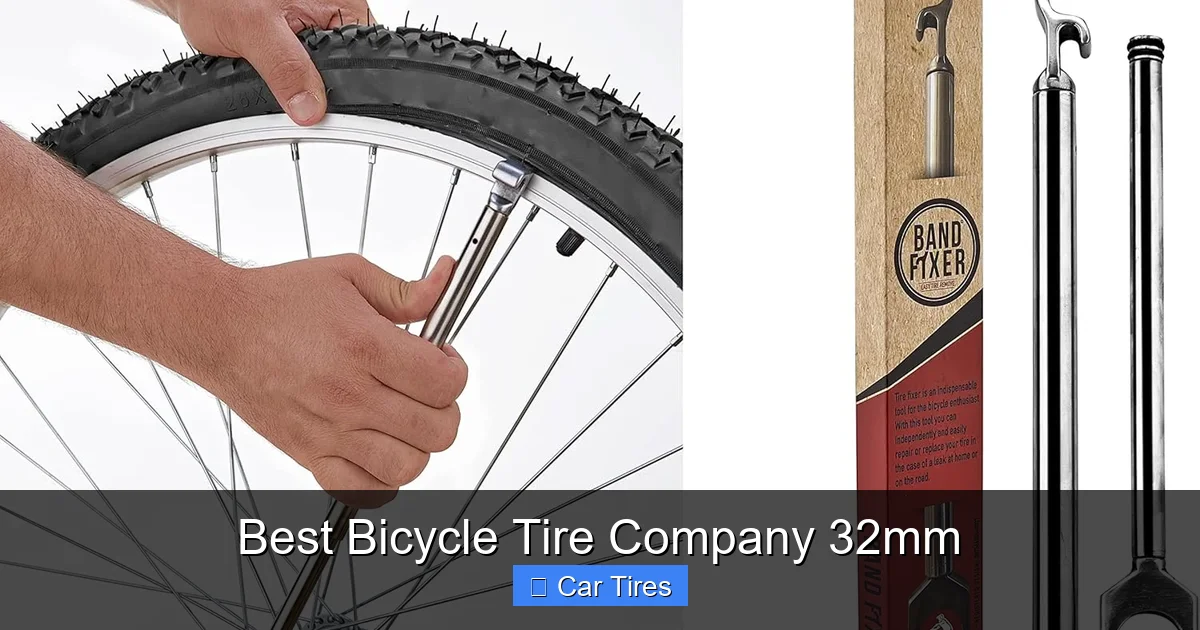
Visual guide about Best Bicycle Tire Company 32mm
Image source: m.media-amazon.com
Now that we’ve established why 32mm tires are worth your attention, let’s meet the brands leading the charge. These companies have earned their reputation through innovation, quality control, and real-world performance. Here are the top contenders for the title of best bicycle tire company in the 32mm category.
Schwalbe: The Puncture-Proof Pioneer
When it comes to reliability, few names resonate like Schwalbe. This German company has been crafting high-quality bicycle tires since 1922, and their 32mm lineup is a testament to their expertise. Schwalbe is best known for their Marathon series, particularly the Marathon Plus and Marathon Racer.
The Marathon Plus is legendary for its puncture resistance. It features a thick layer of SmartGuard—a rubber insert that acts like a built-in tire liner. While this adds a bit of weight, it’s a trade-off many commuters and tourers are happy to make. I’ve personally ridden thousands of miles on Marathon Plus tires and can count the number of flats on one hand.
For those who want similar protection without the bulk, the Marathon Racer offers a lighter, faster-rolling alternative. It still includes SmartGuard but uses a more supple casing for better ride quality. Both models come in 32mm and are available in reflective sidewall versions for added visibility.
Schwalbe also excels in tread design. Their 32mm tires often feature a smooth center strip for low rolling resistance, with subtle shoulder knobs for cornering grip. This makes them ideal for mixed-surface riding—perfect for city streets that turn into gravel paths.
Continental: The Performance Powerhouse
Continental is a household name in both car and bicycle tires, and their bike division is no slouch. Based in Germany, Continental brings automotive-grade engineering to the cycling world. Their 32mm offerings, like the Grand Prix 5000 and Gatorskin, are favorites among road cyclists and endurance riders.
The Grand Prix 5000 is often hailed as one of the best all-around road tires available. In 32mm, it delivers a plush ride thanks to its Vectran Breaker puncture protection and BlackChili compound. This rubber blend reduces rolling resistance while improving grip—especially in wet conditions. I’ve used these on century rides and was impressed by how they smoothed out rough chip-seal roads.
For riders prioritizing durability, the Gatorskin is a solid choice. It uses a Duraskin layer to resist cuts and abrasions, making it great for urban environments with glass and debris. While not as supple as the GP 5000, it’s a reliable workhorse that can handle daily abuse.
Continental also offers tubeless-ready versions of their 32mm tires, which is a big plus. Running tubeless allows you to lower tire pressure for better comfort without risking pinch flats. Plus, sealant can plug small punctures on the go—ideal for long rides where a flat could mean a long walk home.
Panaracer: The Comfort King
If you’re after a buttery-smooth ride, Panaracer should be on your radar. This Japanese brand has built a cult following among gravel and endurance riders for their supple casings and high-thread-count fabrics. Their 32mm tires, like the GravelKing and Randonneur, are designed for comfort over long distances.
The GravelKing SK (Side Knob) is a standout in the 32mm category. It features a file tread in the center for low rolling resistance, with small knobs on the shoulders for off-road grip. I’ve taken these on mixed-terrain rides where pavement turned to dirt, and they handled both with ease. The casing is surprisingly supple, giving a lively, responsive feel that rivals much more expensive tires.
For pure road use, the Randonneur is a classic. It’s a durable, puncture-resistant tire with a smooth tread pattern optimized for paved surfaces. While not as fast as some race-oriented models, it’s incredibly reliable—perfect for daily commuting or long weekend rides.
One thing that sets Panaracer apart is their attention to detail. Their tires often come with reflective sidewalls, Kevlar beads for easy mounting, and clear labeling for pressure recommendations. It’s these small touches that make a big difference when you’re out on the road.
WTB: The Off-Road Specialist
Wilderness Trail Bikes (WTB) may not be as well-known as Schwalbe or Continental, but they’re a force to be reckoned with in the gravel and adventure cycling world. Based in California, WTB designs tires for real-world conditions—muddy trails, rocky paths, and everything in between.
Their 32mm offerings, like the Riddler and Exposure, are built for riders who want to go beyond the pavement. The Riddler 32mm features a versatile tread pattern with tightly spaced center knobs for speed and wider shoulder knobs for cornering on loose surfaces. It’s a favorite among gravel racers and bikepackers.
The Exposure, on the other hand, leans more toward road use but with added durability. It has a smooth center with micro-knobs on the edges, making it a great all-rounder for mixed-surface rides. Both tires are tubeless-ready and use WTB’s Dual DNA rubber compound—softer on the edges for grip, harder in the center for longevity.
What I love about WTB is their rider-first approach. They test their tires in actual riding conditions, from the Sierra Nevada to the Pacific Northwest. This real-world feedback shows in the performance—these tires don’t just look good on paper; they deliver when it counts.
Vittoria: The Italian Innovator
Vittoria brings Italian flair to the tire world, combining style with serious performance. Known for their use of graphene-infused rubber compounds, Vittoria tires offer a unique blend of grip, durability, and low rolling resistance.
Their 32mm lineup includes the Corsa and Terreno models. The Corsa is a high-end road tire with a cotton casing option for an ultra-supple ride. The graphene compound enhances wet grip and reduces heat buildup, which is great for long, fast descents. I’ve used these in group rides and noticed how confidently they gripped in corners, even when wet.
The Terreno is Vittoria’s gravel-focused option. In 32mm, it’s a fast-rolling tire with a file tread center and aggressive side knobs. It’s perfect for riders who want to explore dirt roads without switching bikes. The tubeless setup is straightforward, and the tire holds air well even at lower pressures.
Vittoria also stands out for their sustainability efforts. They’ve introduced eco-friendly packaging and are working toward carbon-neutral production. For environmentally conscious riders, this is a nice bonus.
What to Look for in a 32mm Bicycle Tire
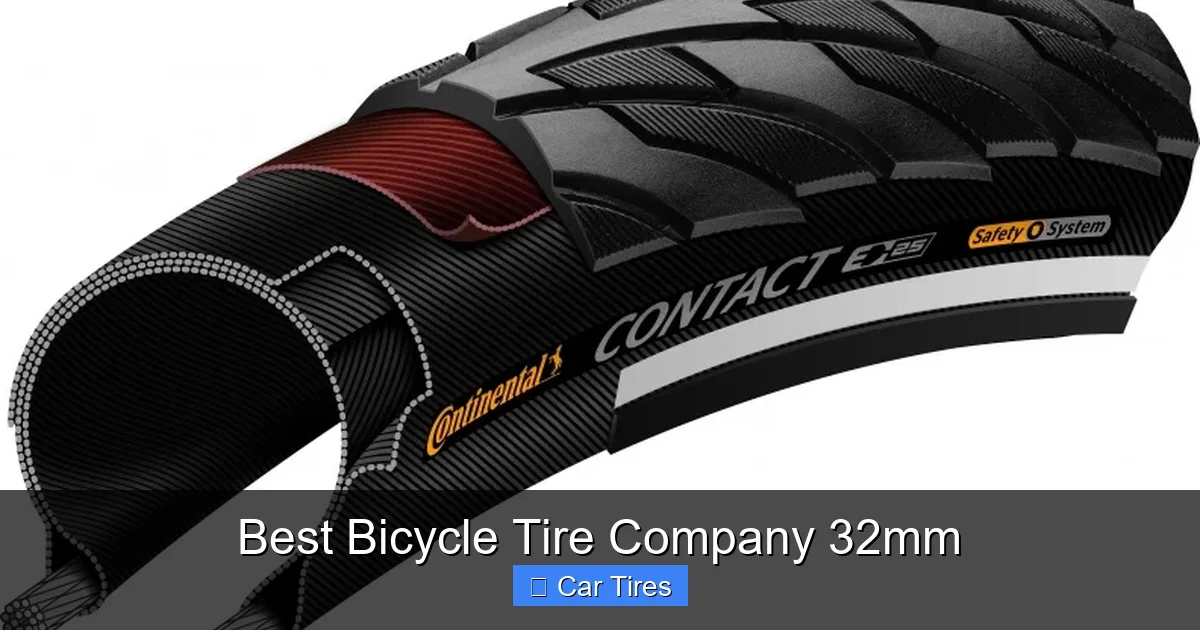
Visual guide about Best Bicycle Tire Company 32mm
Image source: i5.walmartimages.com
With so many great options, how do you choose the right 32mm tire for your needs? Here are the key factors to consider when shopping.
Puncture Protection
Flats are the bane of every cyclist’s existence. Look for tires with built-in protection layers like Schwalbe’s SmartGuard, Continental’s Vectran Breaker, or Panaracer’s puncture-resistant belts. These add a bit of weight but can save you hours of frustration.
Rolling Resistance
A tire’s rolling resistance determines how much effort it takes to keep moving. Lower resistance means faster, easier riding. Look for tires with high-quality rubber compounds and smooth tread patterns. Brands like Continental and Vittoria use advanced materials to minimize resistance without sacrificing grip.
Tread Pattern
The tread affects how the tire performs on different surfaces. Smooth treads are best for pavement, while knobby patterns offer better grip on dirt or gravel. Some tires, like the WTB Riddler, use a hybrid design for versatility.
Tubeless Compatibility
Tubeless tires allow you to run lower pressures for better comfort and traction. They also reduce the risk of pinch flats and can self-seal small punctures. Many top 32mm tires now come tubeless-ready—just make sure your rims are compatible.
Weight
Lighter tires accelerate faster and feel more responsive. However, ultra-light models may sacrifice durability. For most riders, a mid-weight tire offers the best balance.
Price and Value
Top-tier tires can cost $60–$100 each, but they often last longer and perform better than budget options. Consider the cost per mile—sometimes paying more upfront saves money in the long run.
Real-World Performance: Rider Experiences
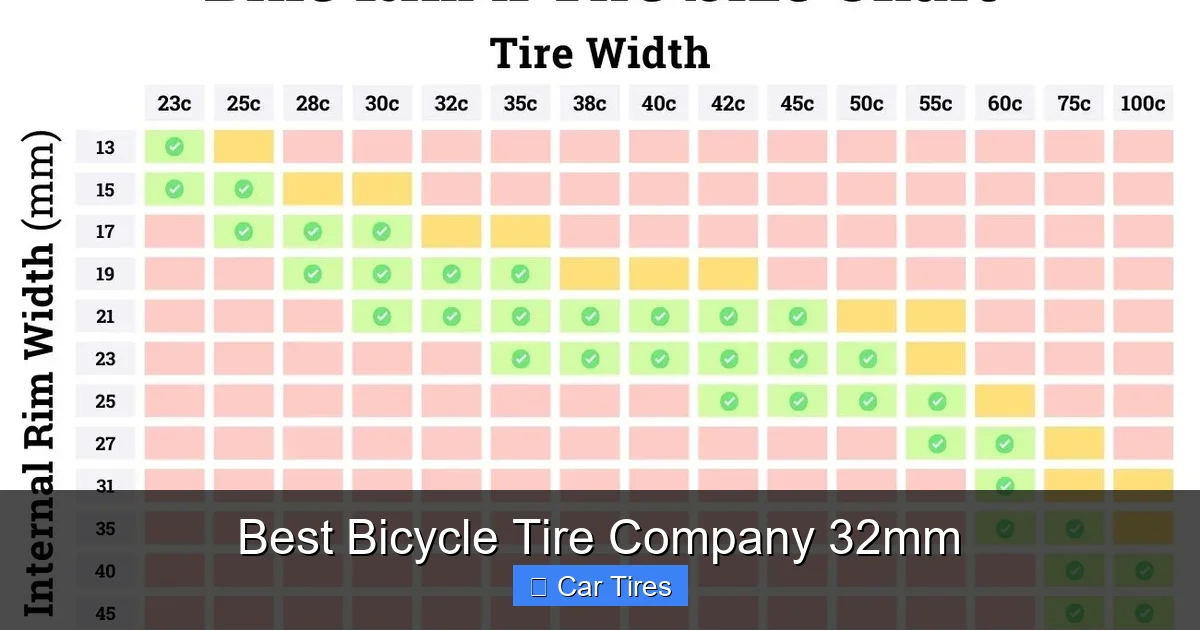
Visual guide about Best Bicycle Tire Company 32mm
Image source: biketips.com
Theory is great, but how do these tires actually perform on the road? Let’s hear from real riders who’ve put 32mm tires to the test.
Commuter Perspective: Sarah, Urban Rider
Sarah rides 15 miles round-trip to work in a busy city. She switched from 28mm to 32mm Schwalbe Marathon Racers and noticed an immediate difference. “The ride is so much smoother,” she says. “I don’t feel every crack in the pavement anymore. And I’ve had zero flats in six months—even after riding through construction zones.”
Long-Distance Cyclist: Mike, Century Rider
Mike logs over 100 miles a week and recently upgraded to Continental Grand Prix 5000 32mm tires. “They’re fast, but also comfortable,” he notes. “On a recent 120-mile ride, my hands and back felt great the whole time. The grip in wet corners was confidence-inspiring.”
Gravel Explorer: Jess, Adventure Cyclist
Jess uses WTB Riddler 32mm tires for weekend gravel trips. “They roll fast on pavement but don’t feel sketchy when I hit dirt,” she says. “I’ve taken them on muddy trails and rocky paths, and they’ve held up well. Plus, the tubeless setup makes it easy to adjust pressure on the fly.”
These stories highlight a common theme: the best bicycle tire company isn’t just about specs—it’s about how the tire performs in real life.
Maintenance Tips for 32mm Tires
Even the best tires need care to perform at their peak. Here’s how to keep your 32mm tires in top shape.
Check Pressure Regularly
Tire pressure affects comfort, grip, and rolling resistance. Use a quality gauge and follow the manufacturer’s recommendations. For 32mm tires, a common range is 60–80 psi for road use, but lower pressures (40–60 psi) work well for gravel or tubeless setups.
Inspect for Wear and Damage
Look for cuts, embedded glass, or worn tread. Replace tires when the tread is smooth or you see cords through the rubber. Catching issues early prevents flats and blowouts.
Clean Your Tires
Dirt and debris can hide punctures or damage the casing. Wipe down your tires after rides, especially if you’ve been on gravel or muddy trails.
Rotate if Needed
If you notice uneven wear, consider rotating your tires (front to back) to extend their life. This is more common on bikes with different wheel sizes or braking patterns.
Store Properly
Keep your bike in a cool, dry place away from direct sunlight. UV rays can degrade rubber over time.
Conclusion: Finding Your Perfect 32mm Match
The search for the best bicycle tire company in the 32mm category doesn’t end with a single winner. Instead, it’s about finding the brand and model that aligns with your riding style, terrain, and priorities. Whether you value puncture resistance, speed, comfort, or versatility, there’s a 32mm tire out there for you.
Schwalbe leads in reliability, Continental in performance, Panaracer in comfort, WTB in off-road capability, and Vittoria in innovation. Each brings something unique to the table, and many riders find themselves mixing and matching based on the season or trip.
Ultimately, the best tire is the one that keeps you riding—safely, comfortably, and confidently. So don’t be afraid to experiment. Try a new brand, test a tubeless setup, or adjust your pressure. Small changes can lead to big improvements in your cycling experience.
Invest in quality, maintain your tires, and enjoy the ride. Because when your tires are right, every mile feels better.
Frequently Asked Questions
What is the best 32mm bicycle tire for commuting?
The Schwalbe Marathon Racer is a top choice for commuting due to its excellent puncture protection, smooth ride, and reflective sidewalls for safety. It handles city debris well and offers low rolling resistance for efficient daily rides.
Can I use 32mm tires on a road bike?
Yes, many modern road bikes have clearance for 32mm tires. Check your frame and fork specs to ensure compatibility. Wider tires improve comfort and grip without sacrificing much speed.
Are 32mm tires good for gravel riding?
Absolutely. 32mm tires strike a great balance for light gravel and mixed-surface riding. Look for models with slight tread like the WTB Riddler or Panaracer GravelKing for best performance.
Do 32mm tires slow you down?
Not necessarily. Modern 32mm tires use advanced compounds and designs to minimize rolling resistance. In real-world conditions, they can be as fast or faster than narrower tires due to better traction and comfort.
Should I go tubeless with 32mm tires?
Tubeless setups are highly recommended for 32mm tires. They allow lower pressures for comfort, reduce pinch flats, and can self-seal small punctures. Just ensure your rims are tubeless-compatible.
How long do 32mm bicycle tires last?
Lifespan varies by brand, riding conditions, and maintenance. High-quality tires like Continental GP 5000 or Schwalbe Marathon can last 2,000–4,000 miles with proper care. Regular inspections help maximize longevity.
