
My Car Has a Flat Tire

Discovering your car has a flat tire can be stressful, but knowing how to respond safely and efficiently makes all the difference. This guide walks you through immediate steps, changing a tire, understanding causes, and preventing future issues—so you’re never left stranded.
Key Takeaways
- Stay calm and pull over safely: As soon as you notice a flat, signal, slow down, and move to a secure, level area away from traffic.
- Use your spare tire and jack correctly: Always consult your owner’s manual for proper jacking points and torque specs to avoid damage or injury.
- Know when to call for help: If you’re on a busy highway, in bad weather, or lack tools, roadside assistance is the safest option.
- Understand common causes of flats: Punctures, underinflation, worn tread, and road hazards are the top culprits behind most flat tires.
- Regular maintenance prevents flats: Check tire pressure monthly, inspect tread depth, and rotate tires every 5,000–7,000 miles.
- Consider upgrading to run-flat or all-season tires: These options offer added durability and peace of mind in various driving conditions.
- Keep an emergency kit in your car: Include a spare tire, jack, lug wrench, flashlight, gloves, and a tire pressure gauge.
📑 Table of Contents
- My Car Has a Flat Tire: What Now?
- Step-by-Step: How to Safely Change a Flat Tire
- When to Call for Help Instead of Changing the Tire Yourself
- Common Causes of Flat Tires and How to Avoid Them
- Preventing Flat Tires: Maintenance and Best Practices
- What to Keep in Your Car Emergency Kit
- Conclusion: Stay Prepared, Stay Safe
My Car Has a Flat Tire: What Now?
You’re driving down the road, maybe heading to work, picking up groceries, or enjoying a weekend drive—when suddenly, something feels off. The steering wheel pulls to one side. You hear a rhythmic thumping sound. Or worse, you glance at your dashboard and see the tire pressure warning light glowing like a red alarm. Your heart sinks. My car has a flat tire.
It’s a scenario no driver wants to face, but it happens to millions every year. Whether it’s a slow leak from a nail in the tread or a sudden blowout from hitting a pothole, a flat tire can bring your day to a screeching halt. The good news? Most flat tire situations are manageable—if you know what to do. The key is staying calm, acting safely, and having the right knowledge and tools on hand.
In this comprehensive guide, we’ll walk you through every step of dealing with a flat tire—from the moment you realize something’s wrong to getting back on the road. You’ll learn how to assess the situation, change a tire like a pro, understand why flats happen, and take proactive steps to prevent them in the future. Whether you’re a seasoned driver or a new car owner, this guide will equip you with the confidence and skills to handle a flat tire with ease.
Step-by-Step: How to Safely Change a Flat Tire
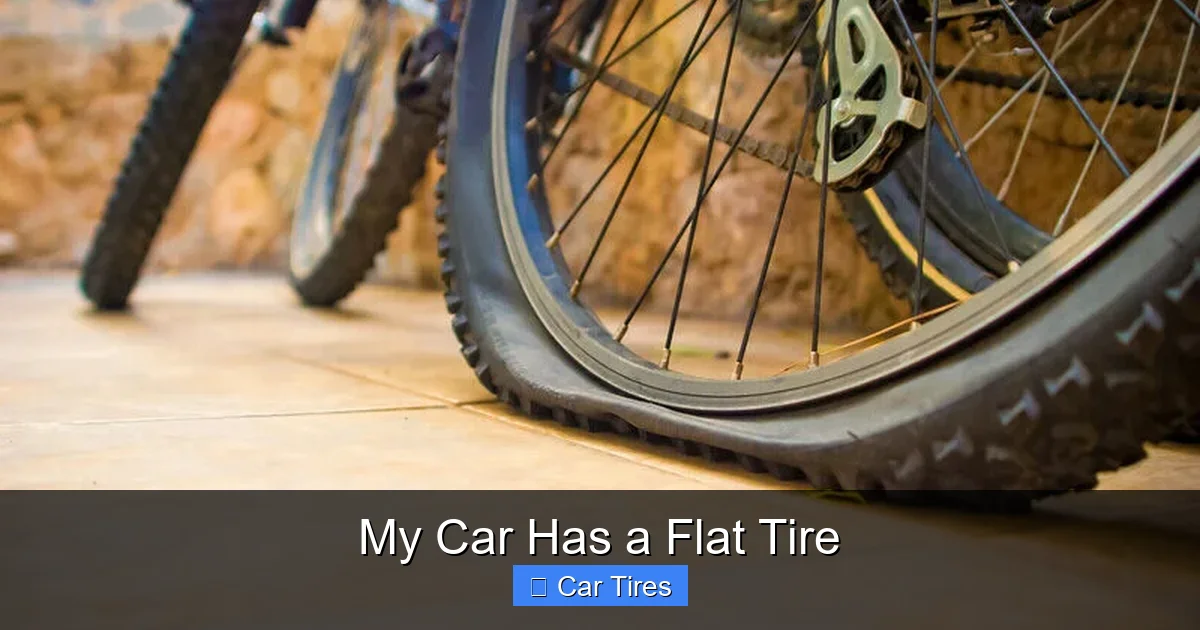
Visual guide about My Car Has a Flat Tire
Image source: cyclingsavvy.org
Changing a flat tire might seem intimidating, but with the right approach, it’s a straightforward process. Here’s a detailed, step-by-step guide to help you replace a flat tire safely and efficiently.
1. Find a Safe Location
The first and most important step is getting your vehicle to a safe spot. As soon as you notice the flat, don’t panic. Signal your intention to pull over, reduce your speed gradually, and steer toward the shoulder or a wide, level area away from traffic. Avoid sharp curves, hills, or narrow roads. If you’re on a busy highway, try to exit at the next ramp or find a well-lit rest area.
Once stopped, turn on your hazard lights to alert other drivers. This simple action can prevent accidents and give you time to assess the situation without pressure.
2. Gather Your Tools and Prepare the Vehicle
Before you start, make sure you have everything you need. Most cars come equipped with a spare tire (often a “donut” or temporary spare), a jack, and a lug wrench. Check your trunk—these items are usually stored under the floor mat or behind a panel.
Next, engage the parking brake to prevent the car from rolling. If you have wheel wedges or bricks, place them in front of or behind the tires for extra security. Then, remove the hubcap (if your car has one) using the flat end of the lug wrench or a screwdriver. This will expose the lug nuts.
3. Loosen the Lug Nuts
Using the lug wrench, turn the nuts counterclockwise to loosen them. Don’t remove them completely yet—just break their resistance. This is easier to do while the tire is still on the ground, as the weight of the car keeps the wheel from spinning.
Pro tip: If the nuts are tight, use your body weight. Stand on the wrench or use a pipe for extra leverage. Just be careful not to slip.
4. Jack Up the Vehicle
Now it’s time to lift the car. Locate the proper jacking point near the flat tire—this is usually a reinforced section of the frame, marked in your owner’s manual. Never jack the car on plastic, suspension parts, or the oil pan.
Place the jack securely under the jacking point and slowly pump or crank it until the flat tire is about 6 inches off the ground. Double-check that the car is stable before proceeding.
5. Remove the Flat Tire and Install the Spare
With the car lifted, fully unscrew and remove the loosened lug nuts. Keep them in a safe place—like a hubcap or your pocket—so you don’t lose them.
Gently pull the flat tire straight off the wheel bolts. It might be heavy, so use both hands and keep your back straight. Set it aside on its side to prevent it from rolling away.
Now, align the spare tire with the wheel bolts and push it onto the hub. Make sure it sits flush. Replace the lug nuts by hand, tightening them in a star or crisscross pattern to ensure even pressure.
6. Lower the Car and Tighten the Lug Nuts
Slowly lower the jack until the spare tire touches the ground but doesn’t bear the full weight of the car. Use the lug wrench to fully tighten the lug nuts in the star pattern. Then, lower the car completely and remove the jack.
Give the lug nuts one final tighten with the wrench. This ensures they’re secure and won’t loosen while driving.
7. Replace the Hubcap and Clean Up
If your spare tire allows, reattach the hubcap. Pack up your tools, including the flat tire, and stow them back in the trunk. Don’t forget to check the spare tire’s pressure—most temporary spares require higher PSI than regular tires.
Finally, drive cautiously. Temporary spares are not designed for long distances or high speeds. Most have a maximum speed of 50 mph and a range of 50–70 miles. Visit a tire shop as soon as possible to repair or replace the flat.
When to Call for Help Instead of Changing the Tire Yourself
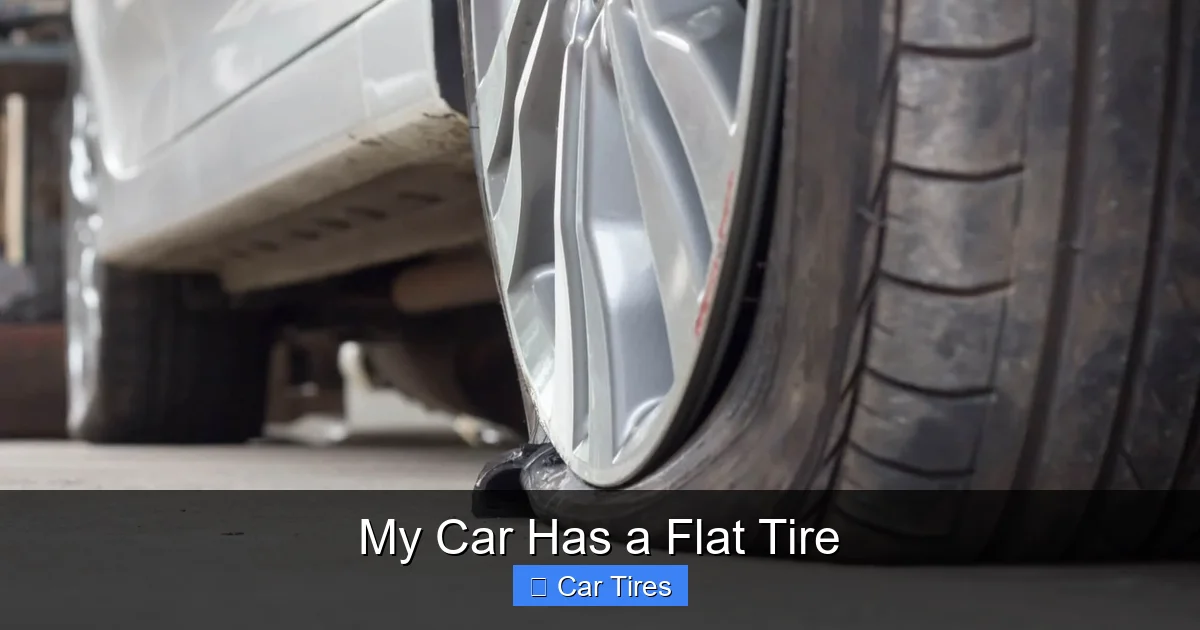
Visual guide about My Car Has a Flat Tire
Image source: urbankenyans.com
While changing a flat tire is a valuable skill, it’s not always the best or safest option. There are several situations where calling for professional help is the smarter choice.
Dangerous or Unsafe Locations
If you’re on a busy highway, in heavy traffic, or on a narrow road with no shoulder, attempting to change a tire puts you at serious risk. Other drivers may not see you, especially at night or in bad weather. In these cases, it’s safer to stay in your locked car with seatbelts on and call roadside assistance.
Bad Weather Conditions
Rain, snow, ice, or high winds can make changing a tire extremely hazardous. Slippery surfaces increase the risk of the jack slipping or the car shifting. Cold weather can also make metal tools harder to handle and increase the chance of injury. If the weather is severe, wait for help in a safe, sheltered location.
Lack of Tools or Experience
Not every car comes with a spare tire—some newer models use tire inflators or run-flat tires. If you don’t have a spare, jack, or wrench, you won’t be able to change the tire yourself. Similarly, if you’ve never changed a tire before, the process can be confusing and risky. In these cases, calling a tow truck or roadside service is the best move.
Physical Limitations
Changing a tire requires strength, balance, and mobility. If you have a medical condition, are pregnant, elderly, or injured, attempting to lift a tire or operate a jack could lead to harm. Don’t risk your safety—call for assistance.
Multiple Flat Tires or Severe Damage
If more than one tire is flat or the damage is extensive (like a shredded sidewall), a spare won’t help. You’ll need a tow to a repair shop. Also, if the wheel is bent or the rim is damaged, driving on a spare could cause further issues.
Peace of Mind and Convenience
Even if you can change a tire, sometimes it’s just easier to let the professionals handle it. Many auto insurance policies and membership programs (like AAA) offer free or low-cost roadside assistance. If you’re in a hurry, stressed, or simply prefer not to get dirty, calling for help is a perfectly reasonable choice.
Common Causes of Flat Tires and How to Avoid Them
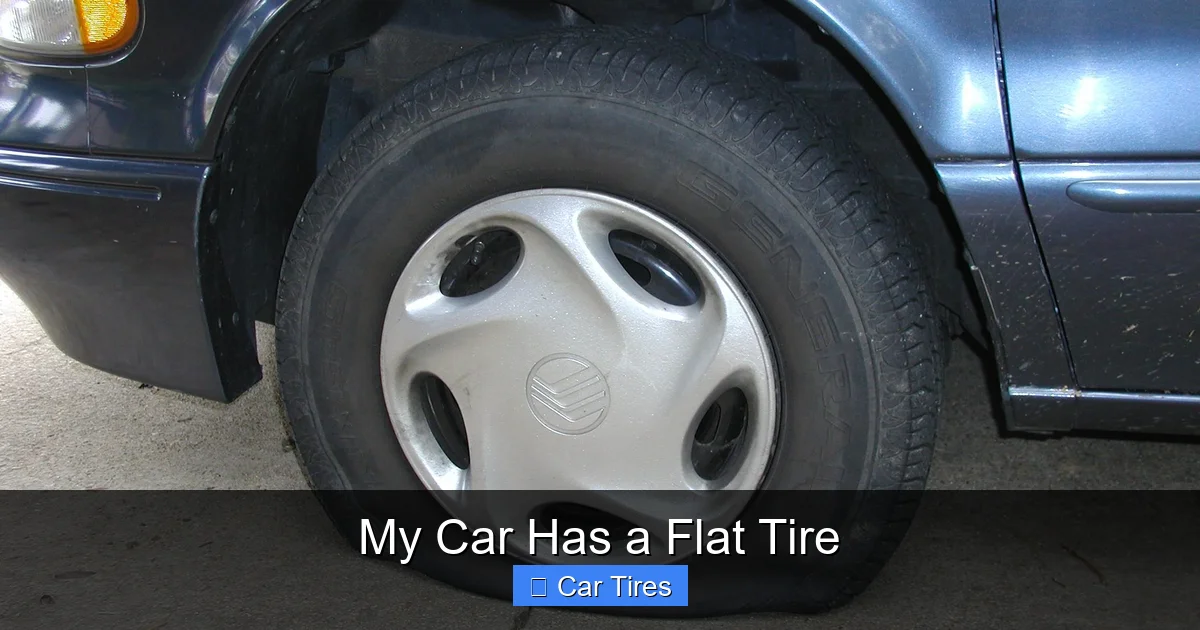
Visual guide about My Car Has a Flat Tire
Image source: myersautoks.com
Understanding why your car has a flat tire is the first step toward preventing it in the future. While some causes are unavoidable, many are the result of neglect or poor driving habits. Here are the most common culprits and how to avoid them.
Punctures from Road Debris
Nails, screws, broken glass, and sharp rocks are the leading cause of flat tires. These objects can pierce the tread and cause slow leaks or sudden blowouts. Punctures are especially common in construction zones, poorly maintained roads, or areas with heavy traffic.
Prevention tip: Avoid driving over debris when possible. If you see a nail or screw in your tire, don’t remove it—it may be acting as a plug. Drive slowly to the nearest repair shop for assessment.
Underinflation and Overinflation
Tires that are underinflated wear unevenly, overheat, and are more prone to blowouts. Overinflated tires, on the other hand, have reduced traction and are more likely to burst from impact. Both conditions stress the tire structure and increase the risk of failure.
Prevention tip: Check your tire pressure at least once a month using a reliable gauge. Refer to the recommended PSI listed on the driver’s side door jamb or in your owner’s manual. Don’t rely on the tire sidewall—those numbers are maximum pressures, not optimal ones.
Worn or Damaged Tread
As tires age, the tread wears down, reducing grip and increasing the risk of punctures. Bald tires are especially vulnerable to flats because the rubber is thinner and more exposed. Cracks in the sidewall, bulges, or dry rot are also signs of aging and potential failure.
Prevention tip: Inspect your tires regularly for signs of wear. Use the “penny test”: insert a penny into the tread with Lincoln’s head upside down. If you can see the top of his head, it’s time for new tires. Replace tires every 6–10 years, even if they look fine.
Road Hazards and Impact Damage
Potholes, curbs, and debris can cause immediate damage to tires. Hitting a deep pothole at speed can bend the rim, pinch the tire, or cause a blowout. Even minor curb scrapes can weaken the sidewall over time.
Prevention tip: Drive cautiously on unfamiliar roads, especially at night. Slow down when approaching potholes or construction zones. Avoid parking too close to curbs.
Valve Stem Issues
The valve stem is a small rubber or metal component that allows air to enter the tire. Over time, it can crack, become loose, or get damaged, leading to slow leaks.
Prevention tip: During tire inspections, check the valve stem for cracks or leaks. Replace worn valve stems when getting new tires.
Improper Installation or Repairs
If a tire wasn’t mounted correctly or a previous repair was done poorly, it can lead to air loss or structural failure. For example, a patch that wasn’t sealed properly can leak over time.
Prevention tip: Always have tires installed or repaired by a certified technician. Ask about the repair method—plugs are temporary; patches are more durable.
Preventing Flat Tires: Maintenance and Best Practices
The best way to deal with a flat tire is to avoid it altogether. With regular maintenance and smart driving habits, you can significantly reduce the risk of a flat.
Check Tire Pressure Monthly
Tire pressure fluctuates with temperature changes. Cold weather causes pressure to drop, while heat increases it. Even a small drop in pressure can affect handling and increase wear.
Action step: Keep a digital tire pressure gauge in your glove compartment. Check pressure when tires are cold (before driving or after sitting for 3+ hours). Adjust as needed.
Inspect Tires Regularly
Look for cuts, bulges, cracks, or embedded objects. Run your hand over the tread and sidewalls to feel for abnormalities. Pay attention to uneven wear patterns, which may indicate alignment or suspension issues.
Action step: Perform a visual inspection every time you fill up gas. Take a few minutes to walk around your car and check each tire.
Rotate Tires Every 5,000–7,000 Miles
Tires wear differently depending on their position. Front tires typically wear faster due to steering and braking forces. Rotating them ensures even wear and extends tire life.
Action step: Follow the rotation pattern recommended in your owner’s manual (usually front-to-back or cross-pattern). Mark tires with tape to track their positions.
Align and Balance Wheels Annually
Misaligned wheels cause uneven tread wear and reduce tire lifespan. Unbalanced tires lead to vibrations and increased stress on components.
Action step: Have a professional check alignment and balance during routine maintenance or if you notice pulling or shaking.
Drive Defensively
Avoid aggressive driving, hard braking, and sharp turns, which put extra stress on tires. Stay alert for road hazards and give yourself time to react.
Action step: Scan the road ahead and maintain a safe following distance. Slow down in construction zones or areas with potholes.
Upgrade to High-Quality Tires
Not all tires are created equal. Investing in durable, all-season, or run-flat tires can improve performance and reduce the risk of flats.
Action step: Research tire ratings for tread life, traction, and durability. Consider brands known for reliability, like Michelin, Bridgestone, or Goodyear.
What to Keep in Your Car Emergency Kit
Being prepared can turn a stressful flat tire situation into a manageable one. Here’s what every driver should have in their car emergency kit.
- Spare tire: Ensure it’s properly inflated and in good condition.
- Jack and lug wrench: Match the size and type recommended for your vehicle.
- Tire pressure gauge: Digital gauges are more accurate than analog.
- Flashlight with extra batteries: Essential for nighttime repairs.
- Work gloves: Protect your hands from dirt, grease, and sharp edges.
- Reflective triangles or flares: Increase visibility to other drivers.
- Portable tire inflator: Useful for slow leaks or topping off pressure.
- Basic toolkit: Include pliers, screwdrivers, and duct tape.
- First aid kit: For minor cuts or injuries.
- Phone charger or power bank: Keep your phone charged in case you need to call for help.
Store these items in a sturdy, waterproof container in your trunk. Check and update your kit every six months.
Conclusion: Stay Prepared, Stay Safe
Discovering your car has a flat tire is never convenient, but it doesn’t have to be a disaster. With the right knowledge, tools, and mindset, you can handle the situation safely and get back on the road quickly. Whether you choose to change the tire yourself or call for help, the key is staying calm and acting wisely.
Remember, prevention is always better than reaction. Regular maintenance, proper tire care, and defensive driving can go a long way in avoiding flats. And when they do happen, being prepared with an emergency kit and a clear plan makes all the difference.
So the next time you hear that telltale thump or see that warning light, take a deep breath. You’ve got this. Because now, you know exactly what to do when your car has a flat tire.
Frequently Asked Questions
Can I drive on a flat tire?
No, you should never drive on a completely flat tire. Doing so can damage the wheel, suspension, and brake components, and may cause a loss of control. Pull over safely and assess the situation.
How fast can I drive on a spare tire?
Most temporary spare tires (donuts) have a maximum speed limit of 50 mph and should only be driven for 50–70 miles. Check your owner’s manual for specific guidelines.
How often should I check my tire pressure?
Check your tire pressure at least once a month and before long trips. Tires can lose pressure over time, especially in cold weather.
Can a flat tire be repaired?
Many punctures in the tread area can be repaired by a professional, but damage to the sidewall or large tears usually require tire replacement. Always have a technician evaluate the damage.
Why did my tire go flat overnight?
A sudden flat overnight could be due to a slow leak from a puncture, a faulty valve stem, or temperature changes causing pressure loss. Inspect the tire for damage and check for embedded objects.
Do all cars come with a spare tire?
Not anymore. Some newer vehicles use tire inflators, run-flat tires, or don’t include a spare at all. Check your owner’s manual or trunk to confirm what your car includes.
