
Signs of Bad Battery in Car

A failing car battery doesn’t always announce itself with a warning light. Common signs of a bad battery in car include slow engine cranking, dim headlights, and electrical issues. Recognizing these symptoms early can save you from being stranded and help extend your vehicle’s lifespan.
Key Takeaways
- Slow engine cranking is one of the earliest and most common signs of a bad battery in car, especially in cold weather.
- Dim or flickering headlights when idling or at low speeds often indicate insufficient power from the battery.
- Electrical malfunctions like power windows, radio, or dashboard lights acting up can point to a weak battery.
- The check engine or battery warning light on your dashboard may illuminate due to charging system problems linked to the battery.
- Swollen battery case or corrosion around terminals are physical signs of damage or overcharging.
- Old age (3–5 years) is a major factor—most car batteries lose efficiency after this period, even if they appear to work.
- Frequent jump-starts or needing a boost to start your car regularly means it’s time to test or replace the battery.
📑 Table of Contents
Introduction: Why Your Car Battery Matters
Your car’s battery is like the heart of its electrical system—it powers everything from the ignition to the infotainment system. Without a healthy battery, your vehicle simply won’t start, no matter how well the engine runs. Yet, many drivers ignore the subtle warning signs until it’s too late, leaving them stranded in a parking lot or on the side of the road.
Understanding the signs of a bad battery in car isn’t just about convenience—it’s about safety and cost savings. A failing battery can lead to unexpected breakdowns, damage to your alternator, or even leave you unable to use essential features like headlights or windshield wipers in bad weather. The good news? Most battery issues give off clear signals long before they fail completely. By learning to recognize these symptoms early, you can take action before your car refuses to turn over.
Common Symptoms of a Failing Car Battery
Car batteries don’t die overnight. Instead, they gradually lose their ability to hold a charge, often sending out warning signals over days or weeks. If you know what to look for, you can catch a bad battery before it leaves you stranded. Here are the most common signs of a bad battery in car that every driver should recognize.

Visual guide about Signs of Bad Battery in Car
Image source: community.tucson.com
1. Slow Engine Crank
One of the first and most noticeable signs of a bad battery in car is a slow or labored engine crank. When you turn the key or press the start button, instead of the engine firing up quickly, it may take longer—sometimes with a grinding or clicking sound. This happens because the battery doesn’t have enough power to turn the starter motor at full speed.
For example, imagine you’re running late for work and hop into your car. You turn the key, and instead of the usual quick “vroom,” the engine groans and takes a few seconds to start. That’s a red flag. In cold weather, this symptom becomes even more pronounced, as batteries lose efficiency in low temperatures. If your car struggles to start on chilly mornings, it’s a strong indicator that your battery is nearing the end of its life.
2. Dim or Flickering Headlights
Your headlights are a great visual clue about your battery’s health. A healthy battery provides consistent power, keeping your lights bright whether the engine is running or not. But if you notice your headlights are dim—especially when the car is idling or at a stop—it could mean the battery isn’t delivering enough voltage.
Try this simple test: Turn on your headlights with the engine off. If they’re noticeably dim, or if they flicker when you press the accelerator, your battery may be weak. Another sign is if the lights brighten when you rev the engine—this suggests the alternator is compensating for a failing battery. While the alternator charges the battery while driving, it can’t fully recharge a damaged or old battery.
3. Electrical Issues and Malfunctions
Modern cars rely heavily on electrical systems, from power windows and locks to infotainment screens and climate control. When the battery is weak, these systems may behave erratically. You might notice that your power windows move slower than usual, your radio resets itself, or your dashboard lights flicker or dim unexpectedly.
For instance, if your car’s clock resets every time you start the engine or your seat heaters take longer to warm up, it’s often a sign of inconsistent power delivery. These issues can also be caused by faulty wiring or a bad alternator, but a weak battery is one of the most common culprits. If multiple electrical components are acting up at once, it’s worth having your battery tested.
4. Dashboard Warning Lights
Modern vehicles are equipped with warning lights that alert you to potential problems. Two key indicators related to battery health are the battery warning light and the check engine light. The battery warning light—usually shaped like a battery or labeled “ALT” or “CHG”—comes on when the charging system isn’t working properly.
This could mean the battery isn’t being charged by the alternator, or the battery itself can’t hold a charge. The check engine light may also illuminate due to voltage irregularities detected by the car’s computer. While these lights can indicate other issues, they’re often linked to battery or charging system problems. Don’t ignore them—get your vehicle scanned for error codes to pinpoint the cause.
5. Swollen Battery Case or Corrosion
Sometimes, the signs of a bad battery in car are visible to the naked eye. Pop the hood and inspect your battery. If the plastic casing appears bloated or swollen, it’s a sign of overheating or overcharging, which can damage the internal components. This often happens in hot climates or if the voltage regulator is faulty.
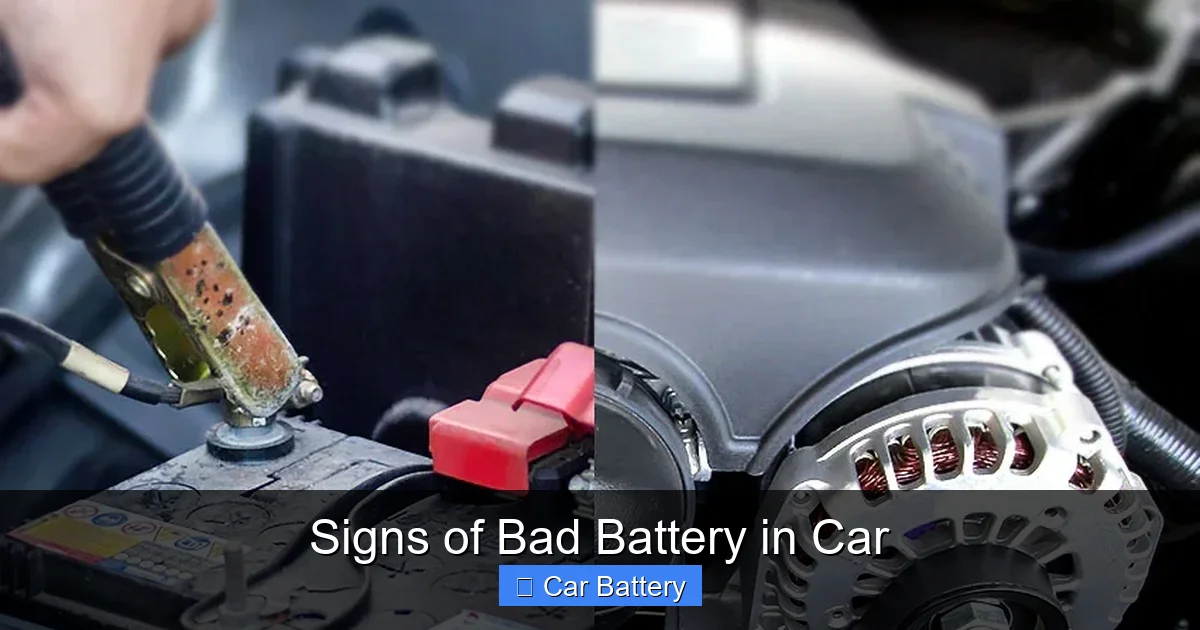
Another common visual clue is corrosion around the battery terminals. This white, green, or blue crusty buildup forms when battery acid leaks and reacts with metal. While some corrosion is normal, excessive buildup can interfere with the connection between the battery and the car’s electrical system. If you see corrosion, clean it carefully with a mixture of baking soda and water, and wear gloves and eye protection.
Age and Lifespan: When to Expect Battery Failure
Even the best car batteries don’t last forever. Most standard lead-acid batteries have a lifespan of 3 to 5 years, depending on driving habits, climate, and maintenance. If your battery is approaching or past this age, it’s wise to start monitoring it closely—even if it seems to be working fine.

Visual guide about Signs of Bad Battery in Car
Image source: scanneranswers.com
How Climate Affects Battery Life
Extreme temperatures—both hot and cold—can significantly shorten a battery’s life. In cold climates, the chemical reactions inside the battery slow down, reducing its ability to deliver power. This is why many drivers experience battery failure during winter months. On the flip side, high heat accelerates corrosion and evaporation of the electrolyte fluid, leading to internal damage.
For example, a battery in Arizona may fail after just 3 years due to constant exposure to 100°F+ temperatures, while one in Minnesota might last 4–5 years but struggle to start the car on sub-zero mornings. If you live in an area with extreme weather, consider investing in a battery designed for harsh conditions or have it tested more frequently.
Driving Habits and Battery Health
How you drive also impacts battery longevity. Short trips—like driving to the grocery store or school—don’t give the alternator enough time to fully recharge the battery. Over time, this can lead to a gradual loss of charge and reduced battery life. Similarly, frequently using electronics (like GPS, phone chargers, or seat warmers) with the engine off drains the battery.
To extend your battery’s life, try to take longer drives occasionally to allow the alternator to recharge it fully. If you don’t drive often, consider using a battery maintainer or trickle charger to keep it topped up. These devices provide a low, steady charge and can prevent sulfation—a process where lead sulfate crystals build up on the battery plates, reducing efficiency.
Testing Your Car Battery: DIY and Professional Options
Wondering if your battery is on its last legs? The good news is that testing it is easier than you might think. You don’t need to be a mechanic to check your battery’s health—there are simple tools and methods anyone can use.
Visual guide about Signs of Bad Battery in Car
Image source: autoowa.com
Using a Multimeter
A multimeter is a handheld device that measures voltage, current, and resistance. To test your battery, set the multimeter to DC voltage (usually marked as “V” with a straight line). With the engine off, touch the red probe to the positive terminal and the black probe to the negative terminal.
A healthy battery should read between 12.4 and 12.7 volts. If it’s below 12.4 volts, the battery may be partially discharged. A reading below 12 volts usually indicates a weak or failing battery. Start the engine and check the voltage again—it should rise to 13.7–14.7 volts, showing the alternator is charging the battery. If it doesn’t increase, the alternator may be the issue.
Load Testing
Voltage alone doesn’t tell the whole story. A battery might show a good voltage but fail under load—meaning it can’t deliver enough power when needed. This is where a load test comes in. Many auto parts stores offer free load testing, where they simulate the demand of starting the engine to see if the battery can handle it.
During a load test, the technician applies a load equal to half the battery’s cold cranking amps (CCA) for 15 seconds. If the voltage drops below 9.6 volts, the battery is considered weak or failing. This test is especially useful for older batteries that appear to work but may not have enough reserve capacity.
Professional Inspection
If you’re unsure about DIY testing or notice multiple warning signs, it’s best to visit a mechanic or auto shop. They can perform a comprehensive inspection, including checking the battery, alternator, and starter. Many shops also use computerized diagnostic tools to assess the entire charging system.
Some dealerships and service centers offer free battery checks, especially during seasonal maintenance. Take advantage of these services—especially before winter or long road trips. A professional can also recommend the right replacement battery based on your vehicle’s make, model, and driving conditions.
When to Replace Your Car Battery
Knowing when to replace your battery can save you from unexpected breakdowns. While some batteries last longer than others, there are clear signs it’s time for a new one.
Age Is a Major Factor
If your battery is 3 years or older, start planning for a replacement—even if it’s still working. Most manufacturers recommend replacing batteries every 4–5 years as a preventive measure. Waiting too long increases the risk of sudden failure, especially in extreme weather.
Frequent Jump-Starts
If you’ve needed a jump-start more than once in the past few months, your battery is likely failing. Jump-starting can get you going temporarily, but it doesn’t fix the underlying issue. Repeated jumps can also strain the alternator and other electrical components.
Failed Load Test
If a professional load test shows your battery can’t hold a charge under demand, it’s time for a replacement. Don’t wait for a complete failure—replace it before it leaves you stranded.
Visible Damage or Leaks
A swollen case, cracks, or acid leaks are serious signs of battery failure. These conditions can be dangerous and may damage other parts of your vehicle. Replace the battery immediately and dispose of the old one properly at a recycling center.
Tips to Extend Your Battery’s Life
While all batteries eventually wear out, you can take steps to maximize their lifespan and performance.
Keep It Clean
Regularly inspect and clean the battery terminals to prevent corrosion. Use a wire brush and a baking soda solution to remove buildup. Apply a thin layer of petroleum jelly or terminal protector spray to prevent future corrosion.
Secure the Battery
A loose battery can vibrate and damage internal components. Make sure it’s securely mounted in the tray. Check the hold-down clamp and tighten it if necessary.
Limit Short Trips
As mentioned earlier, short trips don’t allow the battery to recharge fully. Combine errands when possible, or take longer drives occasionally to keep the battery charged.
Turn Off Accessories
Don’t leave lights, radios, or chargers on when the engine is off. These drain the battery and can lead to a dead battery overnight.
Use a Battery Maintainer
If you don’t drive often, invest in a smart battery maintainer. These devices plug into an outlet and keep your battery at optimal charge without overcharging.
Conclusion: Stay Ahead of Battery Failure
Your car battery is a critical component that deserves attention. Ignoring the signs of a bad battery in car can lead to inconvenient breakdowns, costly repairs, and even safety risks. By staying alert to symptoms like slow cranking, dim lights, and electrical glitches, you can take action before it’s too late.
Regular maintenance, timely testing, and understanding your battery’s lifespan are key to avoiding surprises. Whether you’re a daily commuter or an occasional driver, a little awareness goes a long way. When in doubt, get your battery tested—most auto shops offer this service for free. Remember, replacing a battery proactively is far better than being stranded with a dead one. Keep your car running smoothly by giving your battery the care it deserves.
Frequently Asked Questions
How long do car batteries typically last?
Most car batteries last between 3 to 5 years, depending on climate, driving habits, and maintenance. Extreme temperatures and frequent short trips can shorten this lifespan.
Can a bad battery affect my car’s performance?
Yes, a weak battery can cause slow engine cranking, dim lights, and electrical malfunctions. In severe cases, it may prevent the car from starting at all.
Is it safe to jump-start a car with a bad battery?
Jump-starting is safe in emergencies, but it doesn’t fix a failing battery. Repeated jumps can damage the alternator and other electrical components.
What causes car battery corrosion?
Corrosion forms when battery acid leaks and reacts with metal terminals. It’s often caused by overcharging, age, or damage to the battery case.
Should I replace my battery in winter?
Winter is a good time to replace an old or weak battery, as cold weather reduces battery efficiency. Replacing it before winter can prevent cold-weather failures.
Can I test my car battery at home?
Yes, you can use a multimeter to check voltage or visit an auto parts store for a free load test. Both methods help determine if your battery is still in good condition.
