
What Type of Battery for My Car

Selecting the correct car battery is crucial for dependable performance and longevity. This guide breaks down battery types, sizes, and key factors to help you make the right choice for your vehicle and driving needs.
Key Takeaways
- Know your battery type: The most common types are lead-acid (flooded), AGM (Absorbent Glass Mat), and EFB (Enhanced Flooded Battery), each suited for different vehicles and driving styles.
- Check your owner’s manual: It lists the recommended battery group size, cold cranking amps (CCA), and reserve capacity (RC) for your specific make and model.
- Match the battery to your car’s technology: Start-stop vehicles require AGM or EFB batteries to handle frequent engine restarts.
- Consider climate conditions: Cold climates demand higher CCA ratings, while hot climates benefit from heat-resistant batteries with better durability.
- Don’t ignore maintenance: Even maintenance-free batteries need occasional checks for corrosion, terminal tightness, and charge levels.
- Replace proactively: Most car batteries last 3–5 years—don’t wait for a dead battery to replace it.
- Buy from a trusted retailer: Look for warranties, recycling programs, and professional installation services.
📑 Table of Contents
- What Type of Battery for My Car? A Complete Guide to Choosing the Right One
- Understanding Car Battery Basics
- Types of Car Batteries: Which One Is Right for You?
- How to Choose the Right Battery for Your Car
- Signs You Need a New Battery
- Installation and Maintenance Tips
- Where to Buy and What to Look For
- Conclusion
What Type of Battery for My Car? A Complete Guide to Choosing the Right One
Ever been stranded in a parking lot because your car won’t start? It’s frustrating, avoidable, and usually points to one culprit: the battery. But with so many options on the market, how do you know what type of battery for my car is actually the right one? Whether you’re replacing an old battery or upgrading for better performance, making the right choice can save you time, money, and stress down the road.
Car batteries aren’t one-size-fits-all. They vary by chemistry, size, power output, and compatibility with your vehicle’s electrical system. Some cars need high-capacity batteries for power-hungry accessories, while others rely on advanced start-stop technology that demands specialized battery types. Understanding these differences is the first step toward reliable performance and longer battery life. In this guide, we’ll walk you through everything you need to know to pick the perfect battery for your car—no mechanic degree required.
Understanding Car Battery Basics
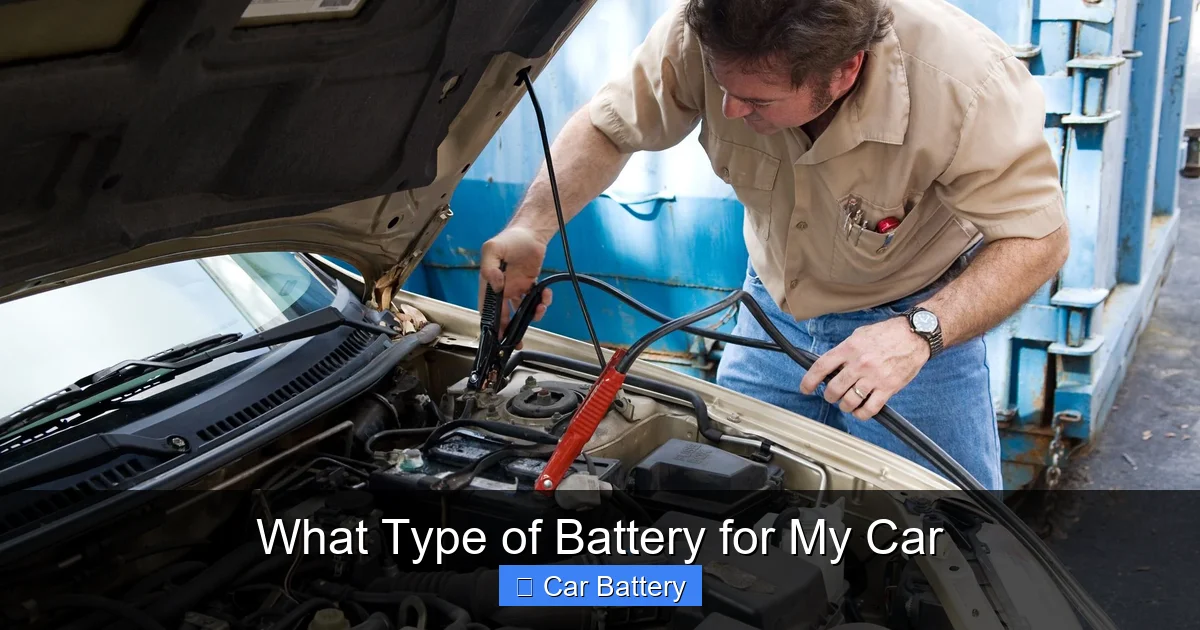
Before diving into specific types, it helps to understand how car batteries work and what they do. At its core, a car battery stores electrical energy and delivers it to start the engine, power the lights, run the radio, and support all electronic systems when the engine is off. Once the engine runs, the alternator takes over to power the car and recharge the battery.
Visual guide about What Type of Battery for My Car
Image source: wrench.com
How a Car Battery Works
A typical car battery uses a chemical reaction between lead plates and sulfuric acid (the electrolyte) to generate electricity. When you turn the key, the battery sends a burst of power to the starter motor, which cranks the engine. This process requires a lot of current in a short time—measured in cold cranking amps (CCA). The higher the CCA, the better the battery performs in cold weather.
Batteries also have a reserve capacity (RC), which tells you how long the battery can run essential systems if the alternator fails. For example, a battery with a 120-minute RC can power your car for two hours without the engine running. These specs matter because they directly affect reliability, especially in emergencies or extreme weather.
Key Battery Specifications to Know
When shopping for a battery, you’ll come across several important numbers:
- Group Size: This refers to the physical dimensions and terminal placement. It ensures the battery fits securely in your car’s battery tray. Common group sizes include 24F, 35, 48, and 65—check your owner’s manual or current battery label.
- Cold Cranking Amps (CCA): The number of amps a battery can deliver at 0°F for 30 seconds while maintaining at least 7.2 volts. Higher CCA is better for cold climates.
- Reserve Capacity (RC): Measured in minutes, it indicates how long the battery can supply 25 amps before dropping below 10.5 volts.
- Voltage: Most cars use 12-volt batteries, but some hybrids or EVs may have additional high-voltage systems.
- Amp-Hour (Ah): A measure of total energy storage. Higher Ah means longer runtime, useful for vehicles with lots of electronics.
Knowing these specs helps you compare batteries and choose one that matches or exceeds your car’s requirements. Never go below the manufacturer’s recommended CCA or group size—doing so can lead to poor performance or damage.
Types of Car Batteries: Which One Is Right for You?
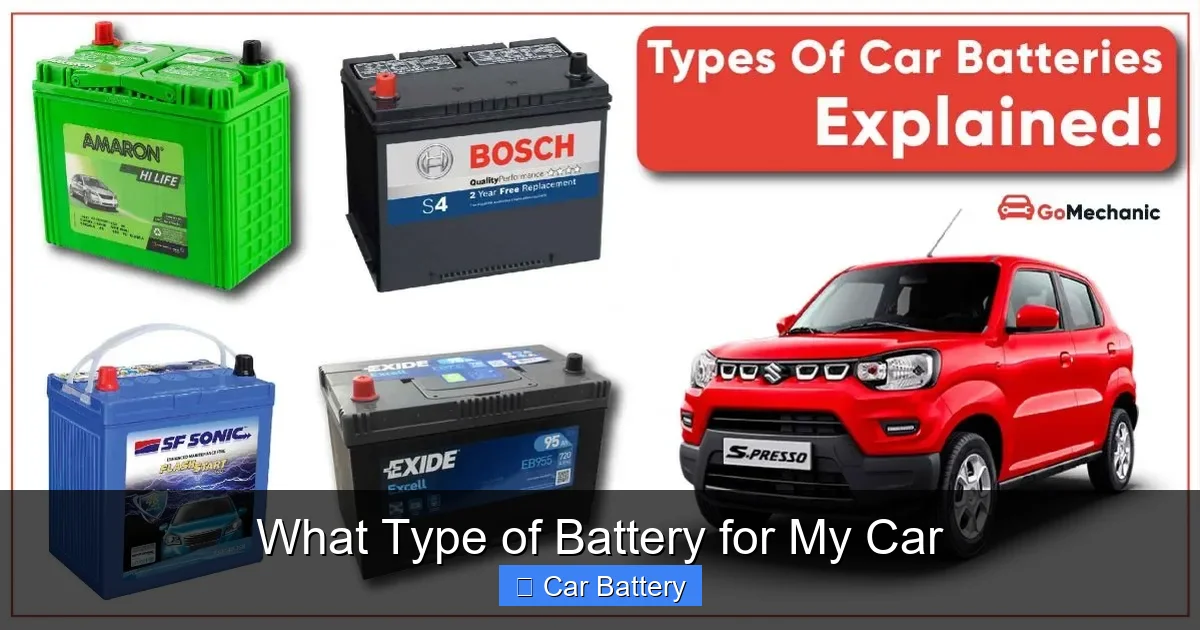
Not all car batteries are created equal. The type of battery you need depends on your vehicle, driving habits, and climate. Here are the three most common types of car batteries and how they differ.
Visual guide about What Type of Battery for My Car
Image source: premierliteracy.net
1. Flooded Lead-Acid (FLA) Batteries
Also known as wet-cell batteries, these are the most common and affordable type. They use liquid electrolyte and require periodic maintenance, such as checking water levels and cleaning terminals. While they’re reliable and widely available, they’re best for standard vehicles without advanced electronics.
Flooded batteries are ideal if you drive a basic sedan or SUV in moderate climates. However, they can spill acid if tipped and aren’t suitable for vehicles with start-stop systems. If you choose this type, make sure to top off distilled water regularly (if accessible) and inspect for corrosion.
2. Absorbent Glass Mat (AGM) Batteries
AGM batteries are sealed, maintenance-free, and use a fiberglass mat to absorb the electrolyte. This design makes them spill-proof, vibration-resistant, and capable of delivering high bursts of power. They’re commonly used in luxury cars, performance vehicles, and those with start-stop technology.
Why choose AGM? They handle frequent charging and discharging better than flooded batteries, making them perfect for modern cars with high electrical demands. For example, if your car has heated seats, a premium sound system, or automatic start-stop, an AGM battery is likely the best match. They also last longer—typically 4–6 years—and perform well in both cold and hot climates.
3. Enhanced Flooded Battery (EFB)
EFB batteries are a step up from standard flooded batteries. They’re designed for entry-level start-stop vehicles and offer better cycle life and charge acceptance. While not as advanced as AGM, they’re more affordable and still provide reliable performance for city driving with frequent stops.
If your car has a basic start-stop system (no regenerative braking or energy recovery), an EFB battery is a solid choice. It’s a cost-effective middle ground between traditional and high-performance batteries. However, avoid using EFB in high-end vehicles—AGM is the better option there.
Other less common types include lithium-ion (used in some EVs and hybrids) and gel batteries (used in specialty applications like RVs or marine vehicles). For most everyday drivers, though, FLA, AGM, and EFB cover the full spectrum of needs.
How to Choose the Right Battery for Your Car
Now that you know the types, how do you pick the right one? It’s not just about picking the most expensive or highest-rated battery. The best choice depends on several factors unique to your situation.
Visual guide about What Type of Battery for My Car
Image source: i.ytimg.com
Check Your Owner’s Manual
This is your first and most important step. The manual lists the exact battery group size, CCA, and RC recommended by the manufacturer. For example, a Honda Civic might require a Group 35 battery with 500 CCA, while a Ford F-150 might need a Group 65 with 800 CCA. Sticking to these specs ensures compatibility and prevents electrical issues.
If you’ve lost your manual, you can usually find it online by searching your car’s make, model, and year. Alternatively, check the label on your current battery—it will show the group size and specs.
Consider Your Driving Habits
Do you mostly drive short distances in the city? Or do you take long highway trips? Short, frequent trips don’t give the alternator enough time to fully recharge the battery, which can shorten its life. In this case, an AGM or EFB battery with better charge acceptance is a smarter choice.
On the other hand, if you drive long distances regularly, a standard flooded battery may suffice. But if you use a lot of electronics—like dash cams, phone chargers, or aftermarket stereos—opt for a higher-capacity AGM to handle the extra load.
Factor in Climate Conditions
Weather plays a big role in battery performance. In cold climates (below freezing), engines are harder to start, so you need a battery with a high CCA rating. For example, in Minnesota or Canada, a battery with 700+ CCA is ideal. In warmer areas like Arizona or Texas, heat can degrade batteries faster, so look for models with heat-resistant designs and longer warranties.
Some batteries are specifically marketed as “cold weather” or “all-season” models. These often have enhanced plates and better electrolyte formulas to withstand temperature extremes.
Match the Battery to Your Car’s Technology
Modern cars come with features that demand more from the battery. Start-stop systems, for instance, turn the engine off at red lights and restart it when you press the gas. This puts extra strain on the battery, requiring it to recharge quickly and handle deep cycles.
If your car has start-stop, it likely requires an AGM or EFB battery. Using a standard flooded battery in such a vehicle can lead to premature failure. Similarly, luxury cars with advanced infotainment, adaptive cruise control, and multiple sensors need batteries that can support constant electrical loads.
Budget and Warranty
Battery prices range from $100 for a basic flooded battery to $300+ for a premium AGM. While it’s tempting to go cheap, investing in a quality battery can save you money in the long run. Look for models with a good warranty—typically 3–5 years, with some offering pro-rated coverage.
Also, consider the total cost of ownership. AGM batteries cost more upfront but last longer and perform better, reducing the need for early replacement. Plus, many retailers offer free installation and old battery recycling, which adds value.
Signs You Need a New Battery
Even the best batteries don’t last forever. Knowing when to replace yours can prevent unexpected breakdowns. Here are common warning signs:
- Slow engine crank: If the engine turns over slowly or hesitates when starting, the battery may be weak.
- Check Engine or Battery Light: These dashboard warnings can indicate a charging system problem, often related to the battery.
- Swollen battery case: A bulging battery is a sign of overheating or overcharging—replace it immediately.
- Old age: If your battery is over 3 years old, start monitoring it. Most fail between 3–5 years.
- Corrosion on terminals: White or blue powdery buildup can interfere with connections. Clean it with baking soda and water, but if it keeps returning, the battery may be leaking.
- Electrical issues: Flickering lights, weak radio signal, or malfunctioning accessories can point to a dying battery.
You can test your battery’s health with a multimeter or visit an auto parts store for a free load test. Many shops offer this service and can recommend a replacement if needed.
Installation and Maintenance Tips
Once you’ve chosen the right battery, proper installation and care are key to maximizing its life.
Professional vs. DIY Installation
While replacing a battery is relatively simple, it’s safer and smarter to have it done by a professional. Modern cars have complex electrical systems, and disconnecting the battery incorrectly can reset computers, trigger error codes, or damage sensitive components.
If you do it yourself, always disconnect the negative terminal first and reconnect it last. Wear gloves and safety glasses, and make sure the new battery is securely mounted. Many retailers offer free installation with purchase—take advantage of it.
Maintaining Your Battery
Even maintenance-free batteries benefit from occasional checks:
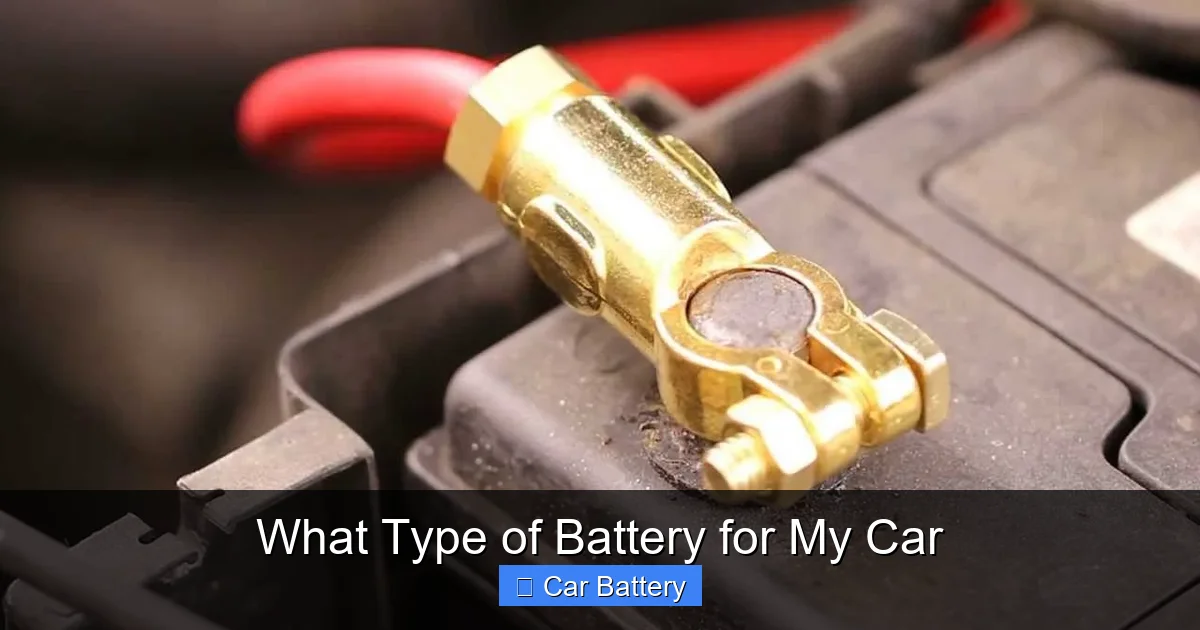
- Inspect terminals for corrosion and clean them with a wire brush and baking soda solution.
- Ensure connections are tight—loose terminals can cause starting problems.
- Check the battery’s charge level, especially before winter or long trips.
- Keep the battery tray clean and dry to prevent grounding issues.
Avoid draining the battery unnecessarily—don’t leave lights or accessories on when the engine is off. If you don’t drive often, consider a battery maintainer or trickle charger to keep it topped up.
Where to Buy and What to Look For
You can buy car batteries at auto parts stores (like AutoZone, O’Reilly, or Advance Auto Parts), dealerships, or online retailers (such as Amazon or Walmart). Each option has pros and cons.
Auto parts stores often provide free testing, installation, and recycling. Dealerships offer OEM (original equipment manufacturer) batteries, which match your car exactly but can be more expensive. Online shopping is convenient, but you’ll need to handle installation yourself or pay extra for service.
When comparing brands, look for reputable names like Optima, Interstate, DieHard, Bosch, or ACDelco. Read customer reviews and check warranty terms. A longer warranty usually indicates better quality.
Also, make sure the battery is new—not old stock. Batteries lose capacity over time, even when not in use. Look for a manufacture date within the last 6 months.
Conclusion
Choosing the right battery for your car doesn’t have to be overwhelming. By understanding the different types, checking your vehicle’s requirements, and considering your driving habits and climate, you can make a confident decision. Whether you need a basic flooded battery for a daily commuter or a high-performance AGM for a start-stop luxury car, the right choice ensures reliable starts, longer life, and peace of mind.
Remember: what type of battery for my car isn’t just about price or brand—it’s about matching the right technology to your needs. Don’t wait until your car won’t start. Proactively maintain your battery, replace it when needed, and enjoy the confidence of a vehicle that starts every time.
Frequently Asked Questions
How do I know what size battery my car needs?
Check your owner’s manual or the label on your current battery. It will list the correct group size, which ensures the battery fits properly in the tray and connects correctly.
Can I use an AGM battery in any car?
AGM batteries are compatible with most modern vehicles, but they’re essential for cars with start-stop systems. Always verify compatibility with your vehicle’s electrical requirements.
How long do car batteries last?
Most car batteries last 3–5 years, depending on climate, driving habits, and maintenance. AGM batteries often last longer—up to 6 years—with proper care.
Is it safe to replace a car battery myself?
It can be, but it’s safer to have a professional do it, especially in modern vehicles with complex electronics. If you DIY, disconnect the negative terminal first and wear protective gear.
What’s the difference between CCA and RC?
CCA (Cold Cranking Amps) measures starting power in cold weather, while RC (Reserve Capacity) indicates how long the battery can run essentials if the alternator fails. Both are important for performance.
Do I need a new battery if my car has start-stop?
Yes, start-stop vehicles require AGM or EFB batteries to handle frequent restarts and rapid recharging. Standard flooded batteries aren’t designed for this workload.