
How to Maintain a Car Battery

Proper car battery maintenance can save you from unexpected breakdowns and costly replacements. By following a few simple steps—like regular cleaning, checking voltage, and avoiding deep discharges—you can keep your battery in top condition for years.
Key Takeaways
- Clean battery terminals regularly: Corrosion buildup can disrupt electrical flow and weaken performance.
- Check voltage with a multimeter: A healthy battery should read 12.6 volts or higher when the engine is off.
- Drive your car frequently: Short trips don’t allow the alternator to fully recharge the battery.
- Keep the battery secure: Vibration can damage internal components and shorten lifespan.
- Avoid extreme temperatures: Heat accelerates wear, while cold reduces cranking power.
- Use a trickle charger in storage: Maintains charge during long periods of inactivity.
- Replace at the first sign of weakness: Don’t wait for a complete failure—early replacement prevents roadside emergencies.
📑 Table of Contents
Why Car Battery Maintenance Matters
Your car battery is the heart of your vehicle’s electrical system. It powers everything from the ignition to the lights, radio, and climate control. Without a healthy battery, your car simply won’t start—no matter how well the engine runs. Many drivers don’t think about their battery until it fails, often at the worst possible moment: in the middle of a busy commute, during a road trip, or in freezing winter weather.
But here’s the good news: maintaining a car battery isn’t complicated or expensive. With a little attention and routine care, you can extend its life, improve reliability, and avoid the frustration of being stranded. Most car batteries last between three to five years, but poor maintenance can cut that lifespan in half. On the flip side, good habits can help you get the most out of your investment. Whether you’re a seasoned driver or new to car ownership, learning how to maintain a car battery is a smart move that pays off in peace of mind and savings.
Understanding How a Car Battery Works
Before diving into maintenance tips, it helps to understand what’s happening under the hood. A car battery stores electrical energy through a chemical reaction between lead plates and sulfuric acid (the electrolyte). When you turn the key, the battery sends a burst of power to the starter motor, which cranks the engine. Once the engine is running, the alternator takes over, recharging the battery and powering the vehicle’s electrical systems.
Visual guide about How to Maintain a Car Battery
Image source: cdn.wd40company.eu
Types of Car Batteries
Not all car batteries are the same. The most common types include:
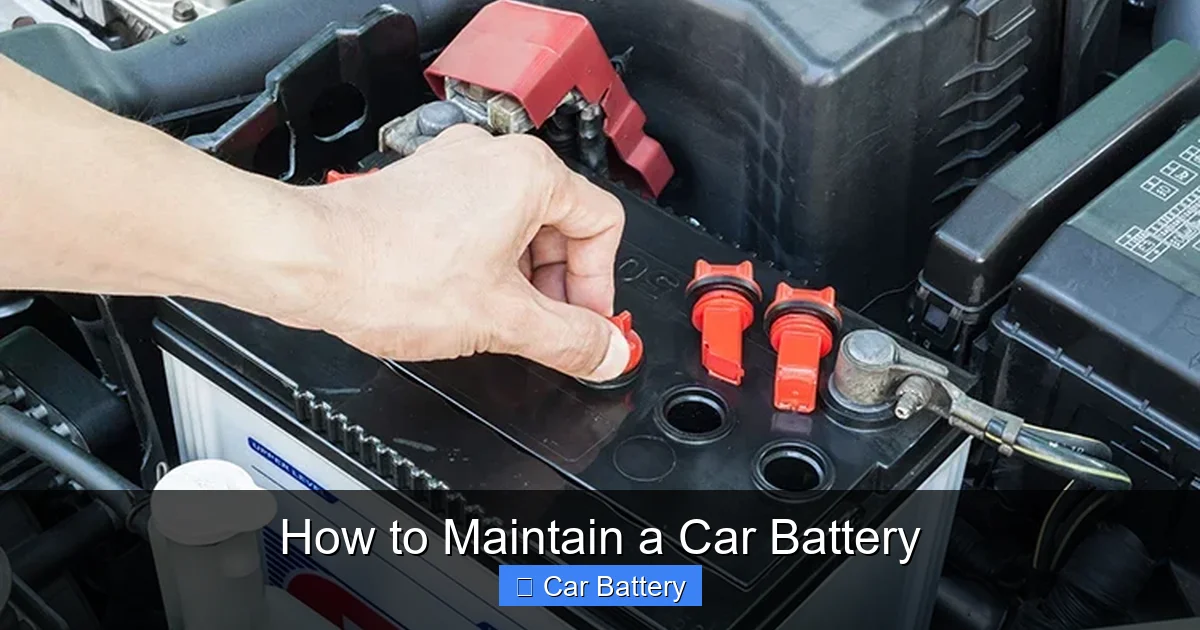
- Flooded Lead-Acid (FLA): The traditional type, requiring periodic maintenance like checking water levels.
- Absorbent Glass Mat (AGM): More advanced, sealed, and maintenance-free, commonly used in modern vehicles with start-stop technology.
- Enhanced Flooded Battery (EFB): A step up from FLA, designed for vehicles with mild hybrid systems.
Most newer cars use AGM or EFB batteries because they handle frequent charging cycles better and are more durable. However, even maintenance-free batteries benefit from regular checks and care.
Signs of a Failing Battery
Your car will often give you clues before the battery dies completely. Watch for:
- Slow engine crank (the engine turns over sluggishly)
- Dim headlights or interior lights
- Electrical issues (radio resets, power windows slow)
- Check engine or battery warning light on the dashboard
- Swollen or bloated battery case (a sign of overheating)
If you notice any of these signs, it’s time to test your battery or visit a mechanic. Ignoring them could lead to a dead battery when you least expect it.
Step-by-Step Guide to Cleaning Your Car Battery
One of the simplest yet most effective ways to maintain a car battery is by keeping it clean—especially the terminals. Over time, corrosion builds up as a white, green, or blue powdery substance around the battery posts. This corrosion acts like insulation, blocking the flow of electricity and reducing performance.
Visual guide about How to Maintain a Car Battery
Image source: media.torque.com.sg
Gather Your Supplies
You’ll need:
- Baking soda
- Water
- Wire brush or battery terminal cleaner
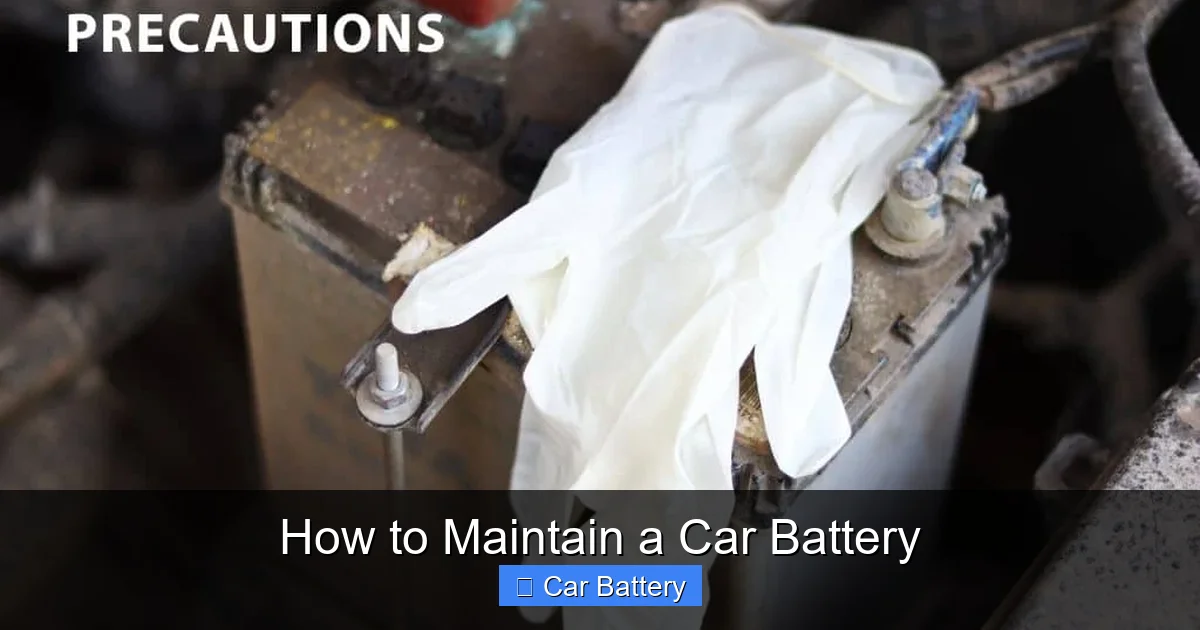
- Gloves and safety goggles
- Old toothbrush or small brush
- Petroleum jelly or battery terminal protector spray
Cleaning Process
Follow these steps carefully:
- Turn off the engine and remove the keys. Safety first—never work on a battery with the engine running.
- Disconnect the negative terminal first. Use a wrench to loosen the clamp, then remove it. Always disconnect the negative (black) cable before the positive (red) to avoid short circuits.
- Disconnect the positive terminal. Remove the red cable the same way.
- Mix a solution of 1 tablespoon baking soda with 1 cup of water. This neutralizes the acidic corrosion.
- Apply the solution to the terminals and cable ends. Use the toothbrush to scrub away the buildup. You’ll see it fizz—that’s normal.
- Rinse with clean water and dry thoroughly. Make sure no residue remains.
- Reconnect the terminals. Attach the positive cable first, then the negative. Tighten securely.
- Apply a thin layer of petroleum jelly or terminal protector. This prevents future corrosion.
Cleaning your battery every 6 to 12 months can significantly improve conductivity and extend battery life. If corrosion returns quickly, it could indicate a more serious issue, such as a leaking battery or overcharging alternator.
Testing Your Car Battery’s Health
Cleaning is important, but it won’t tell you if your battery is still holding a charge. That’s where testing comes in. Regular voltage checks help you catch problems early and avoid surprise failures.
Visual guide about How to Maintain a Car Battery
Image source: media.torque.com.sg
Using a Multimeter
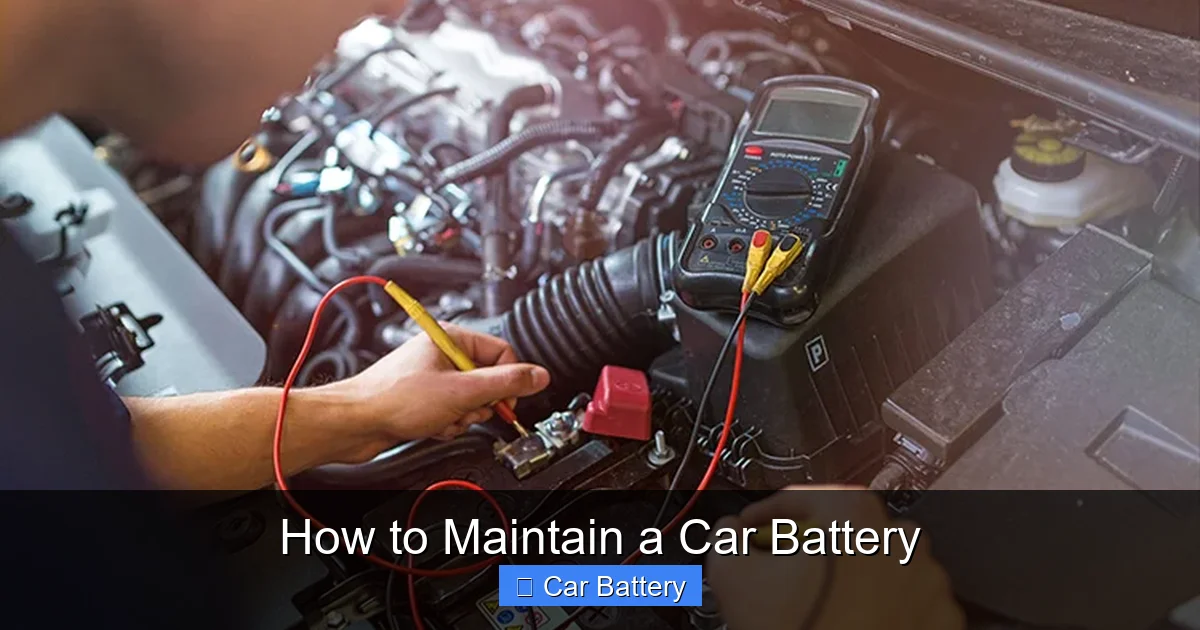
A digital multimeter is an affordable tool (usually under $20) that measures electrical voltage. Here’s how to use it:
- Set the multimeter to DC voltage (usually marked as “V” with a straight line).
- Turn off the engine and all electrical accessories (lights, radio, etc.).
- Touch the red probe to the positive terminal and the black probe to the negative terminal.
- Read the display:
- 12.6V or higher: Fully charged and healthy.
- 12.4V: About 75% charged—still okay, but monitor closely.
- 12.2V or lower: Weak or discharged—needs charging or replacement.
For the most accurate reading, test the battery after it’s been sitting for at least an hour (no driving or charging).
Load Testing
Voltage alone doesn’t tell the whole story. A battery might show 12.6V but fail under load—when starting the engine. A load test simulates this demand. You can do this yourself with a load tester, or visit an auto parts store—many offer free battery and charging system tests.
During a load test, the technician applies a load equal to half the battery’s cold cranking amps (CCA) for 15 seconds. If the voltage drops below 9.6V, the battery is weak and should be replaced.
When to Test
Test your battery:
- Before winter (cold weather reduces battery power)
- After long periods of inactivity (e.g., vacation or storage)
- If you notice any warning signs (slow start, dim lights)
- Once a year as part of routine maintenance
Regular testing gives you peace of mind and helps you plan for replacement before it’s an emergency.
Best Practices for Daily and Seasonal Care
Maintaining a car battery isn’t just about cleaning and testing—it’s also about how you use your vehicle. Small daily habits can have a big impact on battery life.
Avoid Short Trips
Your alternator needs time to recharge the battery after starting the engine. Short trips—like driving to the mailbox or a quick errand—don’t give it enough time. Over time, this leads to a gradual loss of charge, especially in winter when the battery works harder.
Tip: Combine errands into one trip, or take a longer drive once a week to help recharge the battery fully.
Turn Off Accessories When Idling
Leaving the radio, headlights, or AC running while the engine is off drains the battery quickly. Even modern cars with smart systems can’t prevent this. If you’re waiting in the car, turn off unnecessary electronics.
Example: If you’re parked at a drive-thru or waiting for someone, shut off the engine and accessories to preserve battery power.
Protect Against Extreme Temperatures
Heat and cold are two of the biggest enemies of car batteries.
- Summer: High temperatures accelerate chemical reactions inside the battery, causing it to degrade faster. Park in the shade or use a car cover when possible.
- Winter: Cold reduces the battery’s ability to deliver power. A battery that works fine in summer might struggle to start the car in freezing weather.
In cold climates, consider using a battery blanket or trickle charger during winter months. These devices keep the battery warm and maintain its charge.
Secure the Battery Properly
A loose battery can vibrate excessively, damaging internal plates and shortening its life. Check the battery hold-down clamp regularly to ensure it’s tight. If the battery moves when you shake it gently, tighten the clamp or replace it if it’s rusted or broken.
Use a Trickle Charger for Long-Term Storage
If you won’t be driving your car for weeks or months (e.g., seasonal vehicles, classic cars, or vacation), disconnect the battery or use a trickle charger (also called a battery maintainer). These devices provide a slow, steady charge to prevent discharge without overcharging.
Note: Never leave a regular charger connected for long periods—it can overcharge and damage the battery.
When to Replace Your Car Battery
Even with perfect maintenance, car batteries don’t last forever. Most last 3–5 years, but factors like climate, driving habits, and vehicle type can shorten that. Don’t wait for a complete failure—replace your battery proactively.
Age Matters
Check the manufacture date on the battery label. Most batteries have a code like “A123” where the letter represents the month (A=January, B=February, etc.) and the number is the year. If your battery is over four years old, start planning for a replacement.
Performance Decline
If you notice slower starts, dimming lights, or frequent need for jump-starts, it’s time to replace the battery—even if it’s not fully dead. A weak battery puts extra strain on the alternator and can lead to other electrical problems.
Swelling or Leaking
A bloated battery case or visible acid leakage is a red flag. This usually means the battery has overheated or been overcharged. Replace it immediately—leaking acid is dangerous and can damage other components.
Professional Installation
When replacing your battery, have it done by a professional or follow the manufacturer’s instructions carefully. Modern cars often require battery registration or coding to work properly with the vehicle’s computer system. Using the wrong battery or installing it incorrectly can cause electrical issues.
Conclusion
Learning how to maintain a car battery doesn’t require special tools or mechanical expertise. With simple steps—cleaning terminals, testing voltage, driving regularly, and protecting against extreme conditions—you can keep your battery in great shape for years. Regular care not only prevents breakdowns but also saves you money by extending the battery’s lifespan and avoiding emergency towing or replacement costs.
Think of battery maintenance as part of your overall car care routine, like oil changes or tire rotations. It’s a small investment of time that pays big dividends in reliability and peace of mind. So the next time you pop the hood, take a moment to check your battery. Your future self—and your car—will thank you.
Frequently Asked Questions
How often should I clean my car battery terminals?
Clean your battery terminals every 6 to 12 months, or whenever you notice corrosion buildup. Regular cleaning prevents electrical resistance and improves performance.
Can I jump-start my car if the battery is dead?
Yes, you can jump-start a dead battery using jumper cables and another vehicle or a portable jump starter. However, if the battery dies frequently, it may need replacement.
Is it safe to drive with a weak battery?
Driving with a weak battery is risky. It can leave you stranded and may damage the alternator over time. Have it tested and replaced if necessary.
Do I need to replace my battery in winter?
Not necessarily, but cold weather reduces battery power. If your battery is over three years old or showing signs of weakness, consider replacing it before winter hits.
Can I use baking soda to clean battery corrosion?
Yes, baking soda mixed with water is an effective and safe way to neutralize and remove battery corrosion. Always wear gloves and goggles for protection.
How long does a car battery last?
Most car batteries last between 3 and 5 years, depending on usage, climate, and maintenance. Regular care can help you get the most out of your battery.
