
Firestone vs Goodyear: Which Brand is Actually Better?

As a former tire shop manager, I have mounted thousands of tires on all kinds of cars. I push treadwear limits daily to see what rubber really works on the road. In the Firestone vs Goodyear debate, Goodyear wins for premium grip and long life. Firestone is the clear winner for drivers on a strict budget.
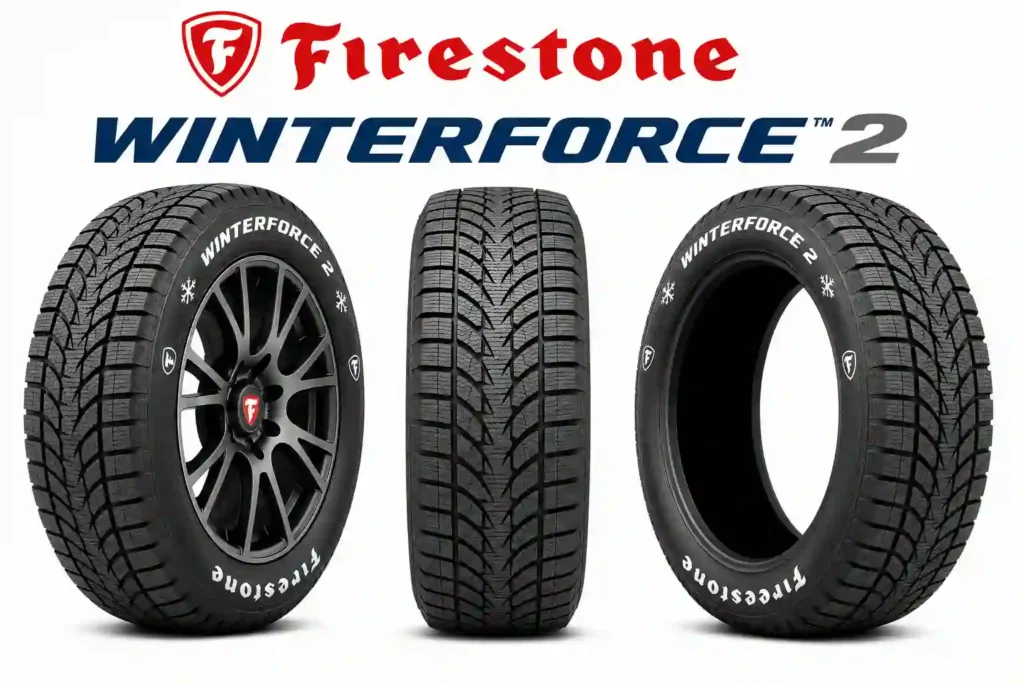
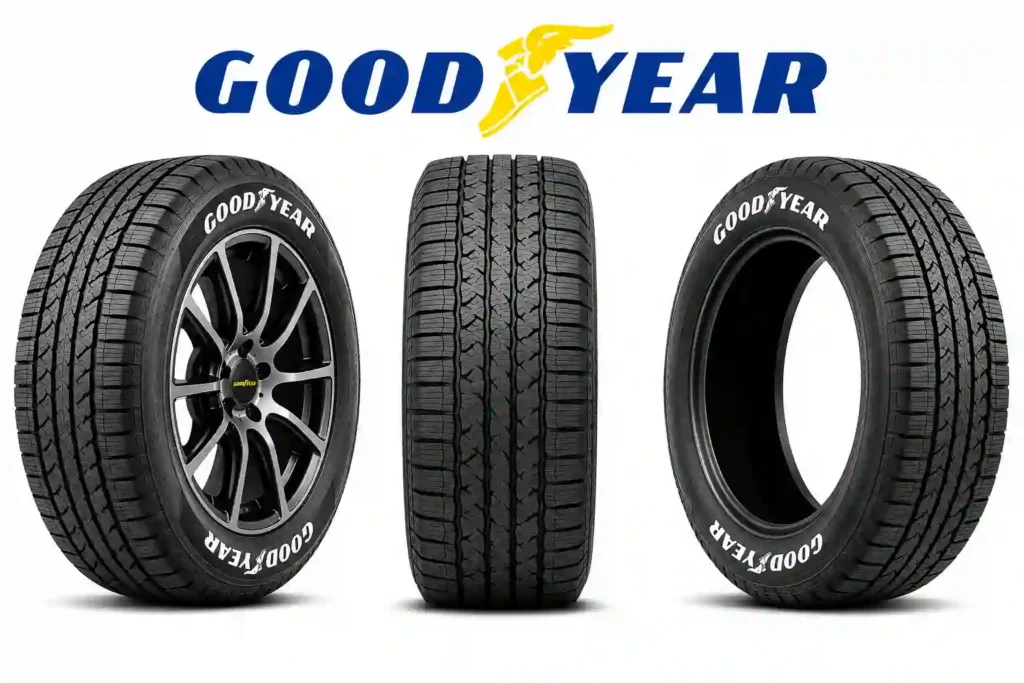
The Ultimate Brand Showdown: Firestone vs Goodyear
Welcome to the ultimate brand showdown between two tire giants. We are looking at two massive names in the automotive world today. Both brands have a long history of making safe rubber for your car.
I want to help you pick the right tire for your daily drive. We will look closely at road grip, cabin noise, and total cost. Let us see which tire really deserves your hard-earned cash.
Quick Brand Overview and Spec Comparison
Before we dive deep, let us look at the basic raw facts. This table compares the basic traits of both tire brands side by side. It shows you exactly what to expect right out of the gate.
| Feature | Firestone Tires | Goodyear Tires |
| Market Focus | Mid-Tier Value | Premium Performance |
| Price Range | Highly Affordable | Moderately Expensive |
| Best Known For | Tough Truck Tires | Quiet Touring Tires |
That table gives you a quick snapshot of both popular brands. Goodyear clearly aims for the higher end of the luxury market. Firestone offers strong value for everyday drivers who want to save money.
Brand Reputation and Market Positioning
Goodyear is known as a top-tier brand all around the globe. They spend millions on auto racing and testing new rubber technology. This makes their tires very advanced but also very expensive to buy.
Firestone is a strong mid-tier brand owned by Bridgestone. They focus on making tough, reliable tires for everyday working people. You get great performance without paying a premium brand tax.
Who Should Buy Goodyear Tires
If you drive a luxury car, you should definitely look at Goodyear. They are perfect for drivers who want the smoothest ride possible. People who drive in heavy rain also love their deep tread designs.
Who Should Buy Firestone Tires
Firestone is built for the smart shopper on a tight budget. If you drive to work every day in normal weather, they are great. They save you a lot of money while keeping your family safe.
Comparing the Overall Tire Lineups
Goodyear has a huge lineup of tires for every single vehicle. They make everything from quiet highway tires to aggressive mud tires. Their famous Assurance line is perfect for standard family cars.
Firestone keeps their tire options a bit more simple and clean. Their Destination line is highly rated for heavy trucks and SUVs. Their WeatherGrip line handles rain and light snow very well.
Focus on Daily Drivers
Both brands make great tires for standard commuter cars. Goodyear focuses on saving gas and giving a very soft ride. Firestone focuses on lasting a long time for a low retail price.
Dry Performance Across Popular Models
Dry roads are where most of us do our daily driving. This table shows how both brands score on dry, sunny pavement. We score them carefully out of ten possible points.
| Performance Metric | Firestone Score | Goodyear Score |
| Dry Braking Distance | 8.5 / 10 | 9.5 / 10 |
| Cornering Grip | 8.0 / 10 | 9.0 / 10 |
| Steering Response | 8.0 / 10 | 9.5 / 10 |
Goodyear takes a clear lead in dry steering feel and braking. Their rubber compounds grip the road tight when turning hard. Firestone still stops fast but feels a little less sharp overall.
Real-World Cornering Grip
When you turn a corner fast, you need a strong Contact Patch. This is the actual amount of rubber touching the flat road. Goodyear tires keep more rubber on the ground during sharp turns.
Wet Performance and Hydroplaning Tech
Driving in the heavy rain can be very scary for anyone. This table shows how these tires handle wet roads and deep puddles. Good wet grip saves lives when the weather gets bad.
| Wet Condition | Firestone Tires | Goodyear Tires |
| Light Rain Grip | Very Good | Excellent |
| Deep Water Safety | Average | Outstanding |
| Wet Braking Speed | Good | Very Fast |
Goodyear wins in heavy rain because of extra deep water grooves. These grooves push water away so you do not easily hydroplane. Hydroplaning is when your tire floats dangerously on top of water.
My Experience on Wet Highways
Once, I took a set of Goodyear tires on a wet highway drive. It was pouring rain, but the grip was so incredibly firm. I felt glued to the slick road even at sixty miles per hour.
Firestone in Light Rain
Firestone still does a great job in light summer rain. They use special rubber that stays soft when it gets mildly wet. Just slow down a bit if the road puddles get too deep.
Winter Performance and Snow Capabilities
Winter driving requires special tires that stay soft in the cold. Goodyear makes some of the best winter tires on the market. Their WinterCommand line is truly tough in deep snow.
Firestone offers the popular Winterforce line for snowy days. It is very affordable and digs deep into fresh powder easily. Both brands use heavy Siping to help you stop safely.
What is Tire Siping?
Siping means cutting tiny slits right into the rubber tread blocks. These tiny slits bite into slick ice and snow for extra grip. Goodyear adds many more sipes to their premium winter tires.
Stopping on Black Ice
Black ice is the most dangerous winter hazard you can face. Goodyear stops about ten feet shorter on solid black ice. Firestone needs a little more room to come to a full stop.
Comfort, Road Noise, and Ride Quality
Nobody wants a loud, bumpy ride on their way to work. We measure this using NVH, which stands for Noise, Vibration, and Harshness. It means how loud and rough the car ride feels.
Goodyear spends heavily to reduce NVH in their touring tires. They add extra foam inside the tire to block out road noise. Firestone tires tend to have a bit more highway hum.
“As a mechanic, I always tell customers you get exactly what you pay for with road noise. Premium tires like Goodyear swallow potholes, while cheaper rubber lets you feel every crack.”
Sidewall Stiffness Explained
A stiff sidewall makes the car handle much better in turns. However, it also makes the ride feel much harder on bumps. Firestone truck tires have stiff sidewalls for towing heavy loads.
Tread Life and Overall Rubber Durability
Tread life tells you how long a tire will last before going bald. This table compares the expected mileage and treadwear scores closely. It helps you see the real long-term tire value.
| Durability Metric | Firestone Tires | Goodyear Tires |
| Average Mileage | 50,000 Miles | 65,000 Miles |
| Average UTQG Score | 500 – 600 | 600 – 800 |
| Rubber Toughness | Very Good | Outstanding |
The UTQG rating is a score showing how fast a tire wears out. A higher number means the rubber lasts much longer on roads. Goodyear usually boasts a higher UTQG score than Firestone.
Why Tread Rubber Matters
Goodyear uses extra silica in their rubber to make it tough. This means it takes years for the tread to rub completely off. Firestone uses carbon black, which is good but wears slightly faster.
Who Wears Out Faster?
If you drive hard and brake fast, any tire will wear out quickly. Firestone tires might wear out a few months sooner than Goodyear. However, their lower asking price easily makes up for it.
Proprietary Tire Technology Explained
Goodyear uses something called SoundComfort Technology in their tires. It is a thick layer of foam built right into the inner rubber. This cuts down road noise by half inside the cabin.
Firestone uses Hydro-Grip technology on their wet-weather tires. This design uses round tread blocks to slice through deep water. It works great for sudden summer rain storms.
Goodyear Weather Reactive Tech
Goodyear weaves special hidden materials into the main tread pattern. As the tire wears down over time, new grooves open up. This keeps the tire very safe even when it gets old.
Comparing Warranties and Customer Guarantees
A good warranty protects you from bad factory tire defects. Goodyear offers amazing mileage warranties on their top tier tires. Some premium models are backed for up to eighty thousand miles.
Firestone also offers strong warranties for their budget buyers. They give a ninety-day trial period on many popular car models. If you hate them, you can simply return them for free.
Price and Overall Value Breakdown
Tires are expensive, so finding a good deal is key today. This table shows the average price for both popular brands. It helps you quickly see the true long-term value.
| Cost Factor | Firestone Tires | Goodyear Tires |
| Average Cost Per Tire | $120 – $160 | $160 – $220 |
| Cost Per Mile Driven | Slightly Higher | Very Low |
| Upfront Affordability | Excellent | Moderate |
Goodyear costs much more on the very first day you buy them. But they last longer, so the true cost per mile is low. Firestone saves you a big chunk of cash up front.
Who Should AVOID Goodyear
Skip Goodyear if you are going to sell your car very soon. There is no need to buy an expensive tire for a vehicle you will not keep. Save your cash and buy a cheaper set.
Who Should AVOID Firestone
Skip Firestone if you drive a heavy luxury sedan every day. The slight increase in road noise will ruin your quiet cabin. You should invest in a premium touring tire instead.
The Absolute Best Tire From Each Brand
If I had to pick the best Goodyear tire, it is the Assurance MaxLife. It lasts forever and rides like an absolute dream. It is completely perfect for long family road trips.
For Firestone, the Destination LE3 is their shining star tire. It is a fantastic tire for SUVs and mid-size light trucks. It handles dirt roads and rainy highways with total ease.
Why The Goodyear MaxLife Wins
The MaxLife stops fifteen feet shorter on wet roads than cheap rivals. Its soft silica rubber grabs the wet asphalt super tight. It gives you total peace of mind in bad storms.
Which Tire Brand Is Better for Your Needs?
Your final choice depends entirely on your daily driving habits. If you drive a lot of miles, invest your money in Goodyear. The extra comfort and road grip are well worth the money.
If you just need reliable rubber for city errands, pick Firestone. They are safe, tough, and very easy on your wallet. You will never feel bad about buying a set of them.
The Shop Manager Rule
In my years mounting tires, I learned one very simple rule. Always buy the absolute best tire you can comfortably afford today. Your tires are the only thing actually touching the ground.
Final Verdict: The Best Brand Choice
Goodyear is the clear winner for total performance and safety tech. They offer superior wet grip and extremely quiet highway rides. They are the top choice for premium daily drivers.
Firestone is an amazing runner-up that wins on pure budget value. Right now, check your vehicle door placard for your OEM size. Measure your tread with a penny, and order the winning tire today.
FAQ for Firestone vs Goodyear
Are Firestone tires made by Bridgestone?
Yes, Bridgestone bought Firestone many years ago. They share tech, but Firestone remains the budget brand for daily drivers.
Do Goodyear tires really last longer?
Generally, yes. Goodyear uses premium rubber compounds that wear slower. This gives you more safe miles before you need a new set.
Which brand is better for loud road noise?
Goodyear is much better at keeping road noise out of cars. They use sound-blocking foam to give you a very quiet, smooth ride.