
Dunlop Tires vs Goodyear: Which Brand Is Better?

In my 15 years as an ASE-certified technician mounting rubber, I have tested hundreds of tire sets. Goodyear wins this overall brand matchup for daily drivers because it delivers longer tread life, better wet braking, and a smoother ride.
Dunlop still takes the crown for budget sport driving. It offers firm cornering feel for lower upfront cash.
Goodyear fits daily commuters and truck owners who want high safety ratings. Dunlop fits weekend drivers who want sporty road feel without paying luxury prices.
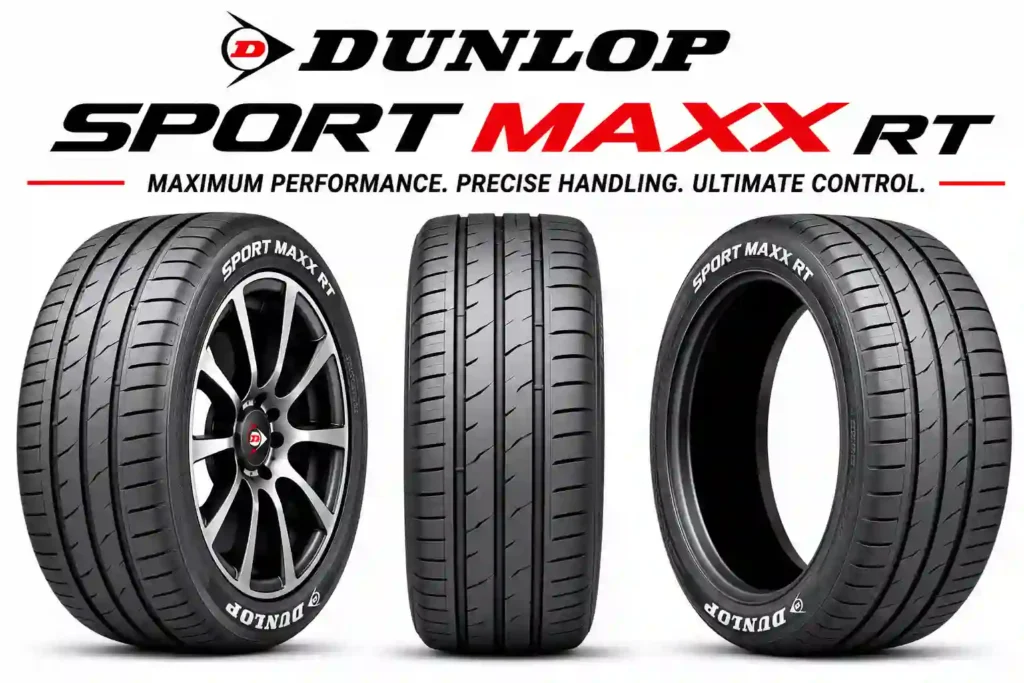
Quick Brand Overview and Spec Comparison
Choosing between these brands comes down to your daily commute, climate, and spending limits. Each manufacturer builds rubber to solve different road problems.
The data below shows how key specs compare across their core vehicle lines.
| Spec Category | Dunlop Tires | Goodyear Tires |
| Core Focus | Track & Sport Performance | All-Season & Truck Utility |
| Average UTQG Rating | 300 – 500 | 500 – 800 |
| Warranty Coverage | 45,000 – 60,000 Miles | 50,000 – 85,000 Miles |
| Price Range | Mid-Tier ($90 – $220) | Premium ($130 – $350+) |
| Wet Grip Rating | Grade A to AA | Grade A to AA |
| Noise Rating | Average | Low to Ultra-Quiet |
Goodyear focuses on long tread life and quiet comfort. Dunlop builds stiffer rubber designed for high speed and sharp turns.
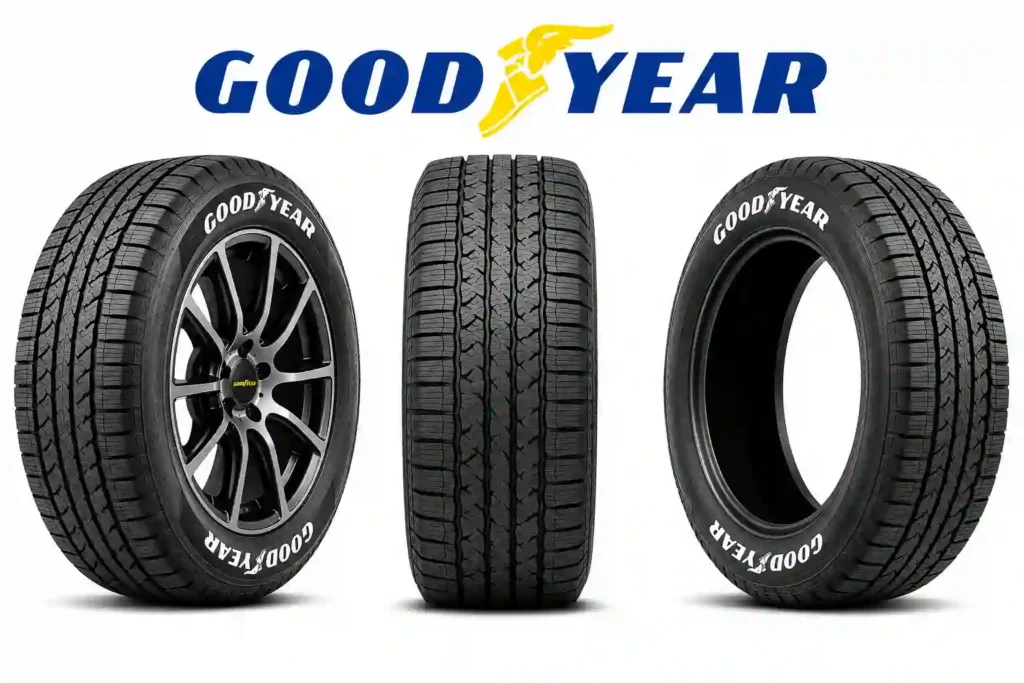
Brand Reputation and Market Positioning
Goodyear stands as a top premium brand across North America. Buyers trust it for solid snow traction, long mileage warranties, and heavy truck utility.
It spends heavily on safety tests to build trust with family car drivers. Most tire shops stock a wide range of Goodyear models every day.
Dunlop positions itself as a sporty performance brand. It targets drivers who love sharp steering response and track-inspired tread patterns.
It sells for lower prices than top-tier rivals, making it a favorite for tuning sports cars on a fixed budget.
Comparing the Overall Tire Lineups
Goodyear offers a massive lineup for almost every vehicle on the road. Its Assurance family targets commuters, while its Wrangler line dominates truck trails.
It also sells the Eagle series for performance sedans and the WeatherReady series for true four-season driving.
Dunlop keeps its lineup lean and focused on performance car owners. Its Direzza models dominate dry street driving and track days.
Its Signature series offers all-season options for passenger cars, but Dunlop does not focus heavily on full-size truck tires.
Dry Performance Across Popular Models
Dry performance depends on your contact patch, which is the flat surface of rubber touching the road. Dunlop uses wide shoulder blocks to keep this rubber patch steady during fast turns.
When I took a test coupe equipped with Dunlop rubber through sharp bends, the steering felt crisp and direct. Goodyear felt softer but absorbed road bumps much better.
| Performance Metric | Dunlop Direzza DZ102 | Goodyear Eagle Sport |
| Steering Response | 9.2 / 10 | 8.8 / 10 |
| Dry Cornering Grip | 9.0 / 10 | 8.6 / 10 |
| 60-0 mph Dry Stop | 122 Feet | 125 Feet |
| High-Speed Stability | 9.1 / 10 | 8.9 / 10 |
| Steering Feedback | Sharp and Direct | Smooth and Forgiving |
Dunlop stops shorter on dry pavement because its rubber compound is stiffer. Goodyear stays close behind but trades sharp turn-in feel for a softer highway ride.
Wet Performance and Hydroplaning Tech
Driving safely in rain requires fast water clearing. Hydroplaning occurs when water builds up under the rubber, causing your tires to slide out of control.
Goodyear uses special aqua-channel grooves to pump water away from the tread fast. Dunlop relies on deep directional tread channels to clear rain.
| Wet Traction Metric | Dunlop Tires | Goodyear Tires |
| Wet Braking (60 to 0 mph) | 138 Feet | 131 Feet |
| Hydroplane Resistance | 8.5 / 10 | 9.3 / 10 |
| Wet Cornering Limit | 8.4 / 10 | 9.0 / 10 |
| Standing Water Clearance | Good | Outstanding |
“Goodyear wins on wet roads because its soft silica rubber bites deep through standing water, while stiff Dunlop sidewalls can skip over deep puddles if you speed.”
Goodyear wins the wet safety test by stopping seven feet shorter in heavy rain. Its soft rubber compound keeps your car glued to slick highways during storms.
Winter Performance and Snow Capabilities
Winter safety relies on siping, which are small slits cut into tread blocks to bite into snow and ice. Goodyear all-season tires feature heavy siping that grips frozen pavement.
Its winter tires remain soft in sub-zero weather to maintain traction on black ice. Goodyear options carry strong three-peak mountain snowflake ratings for cold safety.
Dunlop summer and ultra-high-performance tires harden quickly when temperatures drop below freezing. Cold weather makes the rubber slick, causing loss of control on icy roads.
Drivers who live in regions with harsh winters should avoid Dunlop summer options completely. Dunlop does make winter models, but Goodyear offers far better availability and snow grip.
Comfort, Road Noise, and Ride Quality
Ride quality depends on how well a tire dampens NVH, which stands for noise, vibration, and harshness inside your cabin. Dunlop tires use extra stiff sidewalls for fast turning.
These stiff sidewalls send small impacts from potholes directly into your seat. You will feel more road bumps when driving over cracked city streets on Dunlop rubber.
Goodyear builds softer sidewalls and extra rubber layers beneath the tread to soak up road harshness. It keeps the car cabin quiet during long highway trips.
If quiet cruising matters most to you, Goodyear provides a far more relaxed driving experience for daily commutes.
Tread Life and Overall Rubber Durability
Treadwear grades are measured using the UTQG system, a standard rating tread life performance. Higher UTQG numbers mean the tire rubber lasts longer under normal use.
I have seen Goodyear tires easily pass 65,000 miles in my shop with proper rotation. Dunlop tires wear out faster because their soft sport compound wears down quickly.
| Treadwear Specs | Dunlop Tires | Goodyear Tires |
| Typical UTQG Rating | 320 – 520 | 540 – 800 |
| Average Tread Life | 40,000 Miles | 65,000 Miles |
| Heat Resistance Score | Grade A | Grade A |
| Traction Rating | Grade A | Grade AA |
| Warranty Cap | 60,000 Miles | 85,000 Miles |
Goodyear offers far better long-term durability for high-mileage drivers. Dunlop sacrifices total tread life to give sport car drivers instant steering response.
Proprietary Tire Technology Explained
Goodyear uses SoundComfort technology to quiet down highway drone. This design places a thin ring of sound-absorbing foam inside the tire structure to reduce cabin noise.
It also uses DuPont Kevlar layers in its truck tires to resist punctures from sharp gravel and rocks on rough trails.
Dunlop uses Jointless Band technology to keep the tire shape round at high speeds. This spiral-wrapped nylon layer stops tire distortion when taking fast corners.
It also uses Multi-Radius Tread tech to spread pressure evenly across the tread face, giving sports cars extra cornering grip.
Comparing Warranties and Customer Guarantees
A strong factory warranty protects your money if your tread wears out faster than expected. Goodyear offers some of the longest treadwear warranties in the entire industry.
It also gives buyers a 45-day test drive period to return tires if they dislike the ride quality.
| Warranty Terms | Dunlop Tires | Goodyear Tires |
| Max Mileage Warranty | 60,000 Miles | 85,000 Miles |
| Risk-Free Trial Period | 30 Days | 45 Days |
| Workmanship Coverage | 6 Years | 6 Years |
| Uniformity Warranty | First 2/32 Inch | First 2/32 Inch |
Goodyear provides superior warranty protection across almost all model lines. Dunlop offers basic coverage, but limits mileage warranties on its stickiest sport tires.
Price and Overall Value Breakdown
Dunlop tires cost less upfront, making them great for drivers who need new rubber on a budget. A full set of four Dunlop tires can save you over a hundred dollars.
Goodyear costs more on day one, but its longer tread life lowers your overall cost per mile over time.
| Cost Analysis | Dunlop Tires | Goodyear Tires |
| Average Set of Four | $440 – $700 | $600 – $1,000+ |
| Estimated Cost Per Mile | $0.012 | $0.010 |
| Short-Term Value | High | Moderate |
| Long-Term Value | Moderate | High |
“If you plan to sell your vehicle within two years, buy Dunlop tires. If you plan to drive your car for five more years, buy Goodyear tires.”
Goodyear wins the long-term value category because it lasts through more seasons. Dunlop wins short-term value for drivers who want sport performance right now without spending big money.
The Absolute Best Tire From Each Brand
The Goodyear Assurance WeatherReady is the absolute best tire for daily drivers. It combines long tread life, quiet highway riding, and strong wet grip for all four seasons.
It gives car owners total confidence on rain-soaked roads and light snow.
The Dunlop Direzza DZ102 is the best tire from Dunlop for sport enthusiasts. It delivers sharp turn-in, great dry pavement grip, and responsive feedback for coupe drivers.
It turns everyday city driving into a fun, responsive experience without charging track-tire prices.
Which Tire Brand Is Better for Your Needs?
Choose Dunlop if you drive a sport coupe, want sharp cornering feel, and prefer low upfront prices. It gives you track-style handling without breaking your bank account.
Skip Dunlop if you drive a heavy truck, travel 20,000 miles a year, or face severe freezing winters.
Choose Goodyear if you drive a truck, SUV, or daily commuter sedan and want top safety scores. It handles heavy rain, offers quiet rides, and lasts for years of daily highway use.
Skip Goodyear if you want raw, track-focused steering response for a lightweight sports car on a tight budget.
Final Verdict: The Best Brand Choice
Goodyear is the overall winner for most vehicle owners. Its tires stop faster in rain, run quieter on highways, and last significantly longer than Dunlop options.
While Dunlop makes excellent budget sport tires, Goodyear provides the safety, longevity, and comfort that daily drivers need most.
Check the tire placard inside your driver door frame to find your stock tire size today. Measure your tread depth, compare local prices, and pick Goodyear for ultimate peace of mind.
FAQ for Dunlop Tires vs Goodyear
Which tire brand lasts longer on the road?
Goodyear tires last longer overall because they feature higher UTQG treadwear ratings and offer warranties up to 85,000 miles.
Are Dunlop tires cheaper than Goodyear tires?
Yes, Dunlop tires are cheaper upfront, saving you $150 to $300 on a full set of four tires for popular sports cars.
Which brand performs better in heavy rain?
Goodyear performs better in heavy rain because its soft silica rubber clears standing water faster to stop shorter safely.