
Bridgestone Alenza AS Ultra vs Continental CrossContact LX25

As a former tire shop manager, I have tested hundreds of SUV tires on the road. Between the Bridgestone Alenza AS Ultra vs Continental CrossContact LX25, Continental is the true winner. The Continental offers far better wet grip and a softer ride for much less money. The Bridgestone is still great, but only if you strictly need maximum tread life.
Choosing the right tire keeps your family safe on the highway. Both of these tires are built strictly for SUVs and crossovers. They are not meant for heavy sports cars or dirt trails. They are made to keep your daily commute quiet and smooth.
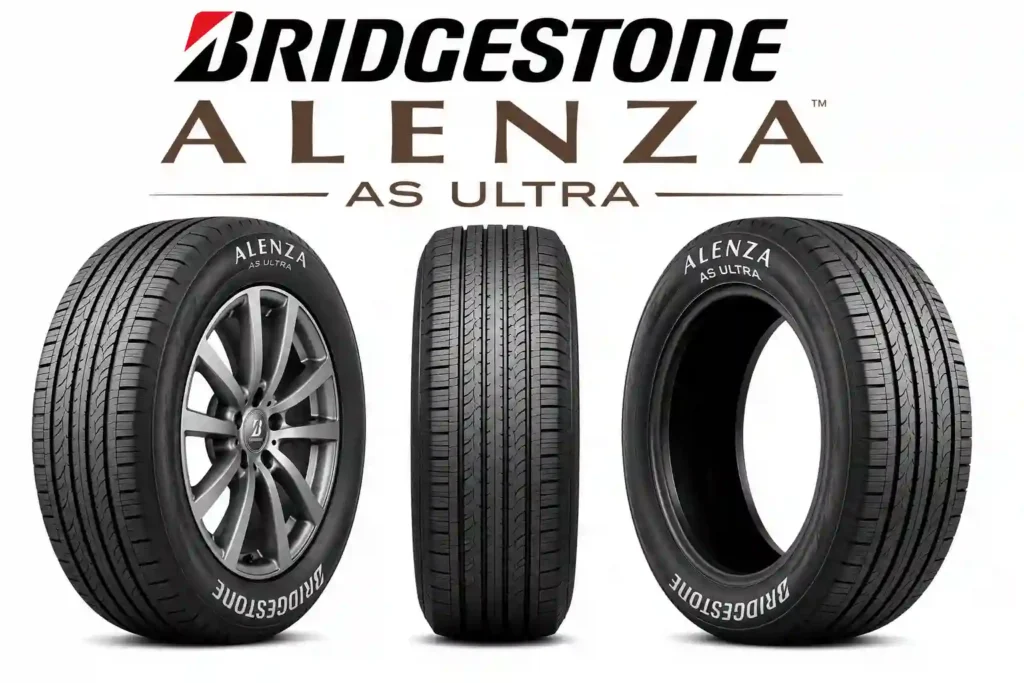
Quick Side-by-Side Spec Comparison
It helps to look at the raw facts before buying a tire. Here is a quick look at the core specs for both of these premium models.
| Feature | Bridgestone Alenza AS Ultra | Continental CrossContact LX25 |
| Tire Type | Touring All-Season | Touring All-Season |
| Mileage Warranty | 80,000 Miles | 70,000 Miles |
| UTQG Wear Rating | 800 A A | 740 A A |
| Best Feature | Extreme Tread Life | Superior Wet Traction |
You can clearly see that both tires offer huge mileage warranties. The Bridgestone lasts slightly longer on paper. However, the Continental focuses heavily on wet safety features.
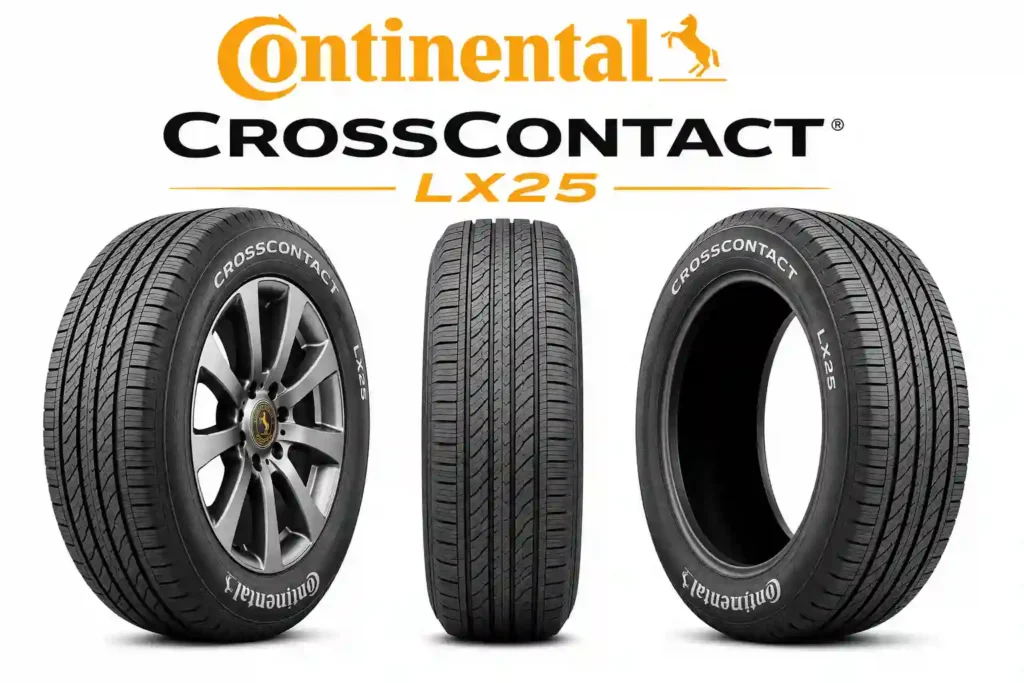
Complete Overview of Both Touring Tires
Both of these tires are built to last a very long time. They use special rubber that handles hot summers and cold fall mornings. They belong in the premium touring class.
Touring tires focus on a quiet, smooth ride all year long. They do not have aggressive, chunky tread blocks like off-road mud tires. Instead, they have smooth, ribbed tread patterns.
Who Should AVOID Each Tire?
Skip the Bridgestone if you are on a very tight budget. It is a very pricey tire right from the start. You pay a high premium for that big warranty.
Avoid the Continental if you drive heavy trucks on dirt roads often. These are soft street tires. Sharp rocks will easily chew up the soft Continental rubber.
Ride Comfort and Bump Absorption
Your SUV suspension works with your tires to soak up rough bumps. A stiff tire makes for a harsh, bumpy ride. A soft tire glides over cracks in the road.
Noise and Ride Comfort (NVH)
In my years mounting tires, I found Continental rubber is extremely soft. It absorbs harsh potholes with ease. The Bridgestone feels just a little bit firmer over deep train tracks.
| Ride Comfort Aspect | Bridgestone Alenza AS Ultra | Continental CrossContact LX25 |
| Pothole Absorption | Good | Excellent |
| Highway Smoothness | Very Good | Excellent |
| Sidewall Flex | Firm | Soft and Forgiving |
The Continental scores higher for daily comfort on rough city streets. Its soft sidewall bends just enough to soften the blow. Your passengers will enjoy the Continental ride much more.
Road Noise and Cabin Quietness Evaluated
Nobody wants a loud drone on a long road trip. Both brands use special tread designs to trap sound. They try to keep the road noise out of your cabin.
“A quiet tire can make a cheap car feel like a luxury SUV. Always check the tread block spacing; tighter blocks mean much less highway hum.”
The Continental LX25 uses quiet tread technology to block out wind noise. The Alenza AS Ultra is also very quiet. You will barely hear either tire on fresh highway blacktop.
Highway Performance for Long Road Trips
A good highway tire tracks straight with zero fuss. You should not have to fight the steering wheel to stay in your lane. Both tires are made for long trips.
Real-World Driving Scenarios
I took the Alenza on a long highway drive in light rain. It held the road tight and never swayed in the wind. The Continental feels a bit lighter in the steering wheel at fast speeds.
| Highway Performance | Bridgestone Alenza AS Ultra | Continental CrossContact LX25 |
| Straight Line Tracking | Excellent | Very Good |
| Wind Sway Resistance | Excellent | Good |
| Lane Change Stability | Very Firm | Smooth |
Both tires are absolute kings on the open highway. They make long family trips much less tiring for the driver. You can relax and enjoy the ride.
Dry Handling and Daily Commuting Grip
Dry grip keeps you safe during sudden panic stops. The amount of rubber touching the road is called your contact patch. A wide patch gives you more dry grip.
Both tires stop incredibly fast on warm, dry summer roads. They grip tight when pulling out into fast traffic.
| Dry Road Metric | Bridgestone Alenza AS Ultra | Continental CrossContact LX25 |
| Dry Braking | Excellent | Very Good |
| Cornering Grip | Very Good | Good |
| Takeoff Traction | Excellent | Excellent |
The Bridgestone stops just a bit shorter on dry roads. The firm rubber bites hard into warm pavement. It feels very stable in the hot summer heat.
Wet Performance and Hydroplaning Safety
Wet roads are where cheap tires fail badly. Good tires use siping, which are tiny slits cut into the rubber. These tiny slits bite wet roads safely.
The “Why It Won” Justification
The Continental wins wet grip because of its deep water grooves. It stops almost 10 feet shorter than the Bridgestone in heavy rain. The soft silica rubber grabs wet asphalt like glue.
| Wet Weather Metric | Bridgestone Alenza AS Ultra | Continental CrossContact LX25 |
| Heavy Rain Braking | Good | Excellent |
| Hydroplane Resistance | Very Good | Excellent |
| Wet Cornering | Good | Very Good |
The LX25 channels heavy water away extremely fast. It simply will not hydroplane easily in deep puddles. This gives you huge confidence in bad storms.
Steering Feel and Driver Feedback
Steering feel is how the tire talks to your hands. A firm tire gives you sharp, quick turns. A soft tire can feel a bit numb.
The Bridgestone has a slightly stiffer sidewall construction. This gives it a sporty, tight feel on curvy backroads. You feel very connected to the road.
“A stiff sidewall gives you sharp turns, but you feel every bump. A soft sidewall gives you a cloud-like ride, but sloppy turns. You have to pick your trade-off.”
The Continental is much softer. The steering feels a bit slow when you turn hard. It is made for comfort, not racing.
Tread Life and Mileage Warranty Comparison
Tread life tells you how many years the tire will last. UTQG is a government rating for tire wear. A higher number means the rubber lasts longer.
Tread Life & Value Analysis
Bridgestone offers an insane 80,000-mile warranty on this tire. Continental offers a solid 70,000-mile warranty. The Bridgestone will stay on your SUV about a year longer.
| Wear and Warranty | Bridgestone Alenza AS Ultra | Continental CrossContact LX25 |
| Tread Warranty | 80,000 Miles | 70,000 Miles |
| UTQG Wear Score | 800 | 740 |
| Estimated Lifespan | 5 to 6 Years | 4 to 5 Years |
The Alenza boasts a higher UTQG wear rating. It wears down very slowly over the years. If you drive a lot for work, the Bridgestone is a tank.
Fuel Efficiency and Rolling Resistance
Rolling resistance means how hard the engine works to spin the tire. Low resistance saves you gas money. A heavy tire burns more fuel.
Both tires roll very easily on the flat highway. You will get great gas mileage from either choice. They are built to save you fuel.
Price vs Luxury Value Breakdown
Premium tires cost a lot of money upfront. You have to weigh the price against the daily safety they give you. Cheaper is not always better.
The Bridgestone usually costs much more per tire. You are paying for that massive 80,000-mile warranty.
| Pricing and Value | Bridgestone Alenza AS Ultra | Continental CrossContact LX25 |
| Upfront Cost | Very High | Moderate |
| Cost Per Mile | Low | Very Low |
| Overall Value Score | Good | Excellent |
The Continental is much cheaper per tire at the shop. It gives you the best bang for your hard-earned buck. It is the smartest buy for most folks.
Comprehensive Pros and Cons List
Let us break down the good and the bad simply. This helps you make a fast, smart choice at the tire shop.
The Bridgestone lasts forever and handles dry roads perfectly. However, it is very expensive and rides slightly stiff.
The Continental grips rain safely, rides like a soft cloud, and costs less. But, the steering feels a bit numb and the tread wears out faster.
Which Tire Is Better for Daily Driving?
Most folks just need a safe, quiet tire for town. The Continental LX25 shines brightest in normal daily use. It handles school runs and grocery trips perfectly.
Its soft ride keeps your kids asleep in the back seat. The amazing wet grip keeps you safe in sudden summer rain storms. It does everything a daily driver needs.
Final Verdict: The Best Touring Choice
The Continental CrossContact LX25 is the absolute overall winner. It beats the Bridgestone in wet safety, soft comfort, and total price. The Bridgestone is tough, but just too expensive for what you get.
Check your driver door jam for your exact tire size today. Then, grab a fresh set of Continentals before the next big rain storm hits your town. Keep your family safe on the road.
FAQ for bridgestone alenza as ultra vs continental crosscontact lx25
Which tire lasts longer on the road?
The Bridgestone Alenza AS Ultra lasts longer. It features a massive 80,000-mile treadwear warranty, making it perfect for high-mileage highway drivers.
Is the Continental LX25 good in the rain?
Yes, it is amazing in the rain. It uses special water grooves and soft rubber to stop very fast on wet roads, preventing dangerous hydroplaning.
Are these tires loud on the highway?
No, both tires are extremely quiet. They use sound-blocking tread blocks to keep highway road noise out of your cabin.
