
BFGoodrich vs Bridgestone: Which Is Actually Better?

As a former tire shop manager and ASE-certified technician, I have mounted thousands of tires. In the battle of BFGoodrich vs Bridgestone, Bridgestone takes the overall win for premium wet grip and daily comfort. BFGoodrich still rules the off-road mud and dirt space. Let us look at what makes each brand unique for your specific car.
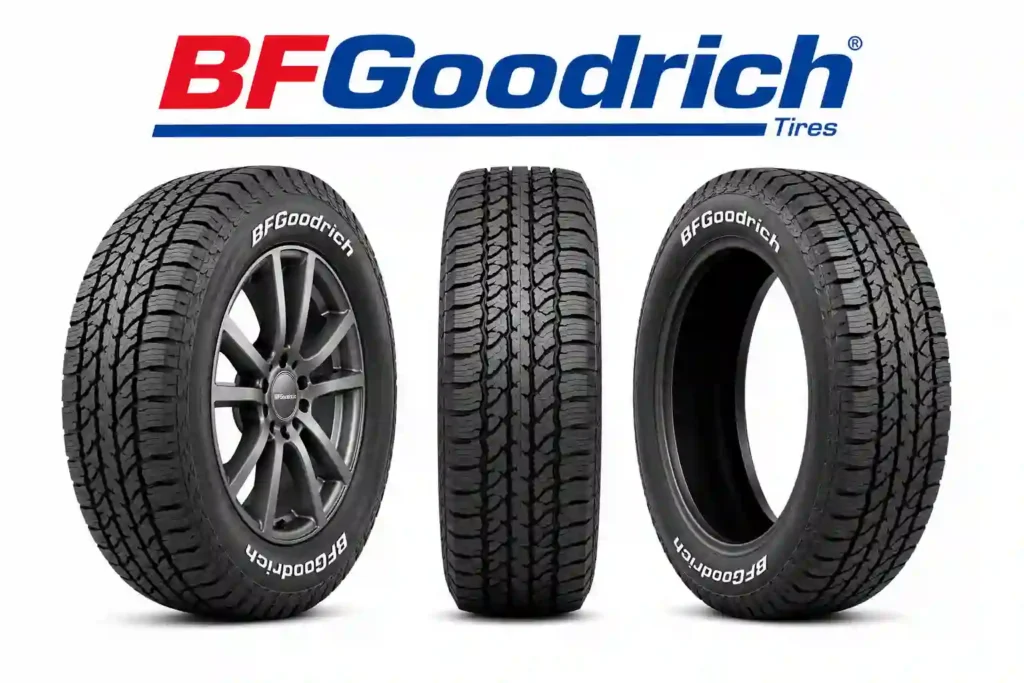
The Ultimate Brand Showdown: BFGoodrich vs Bridgestone
Choosing the right rubber for your daily drive is a huge safety decision. Both of these big companies make great tires. I will break down exactly how they compare on real roads.
Quick Brand Overview and Spec Comparison
Before you spend hundreds of dollars, you need to see the raw numbers. We will look at how their top street models stack up against each other.
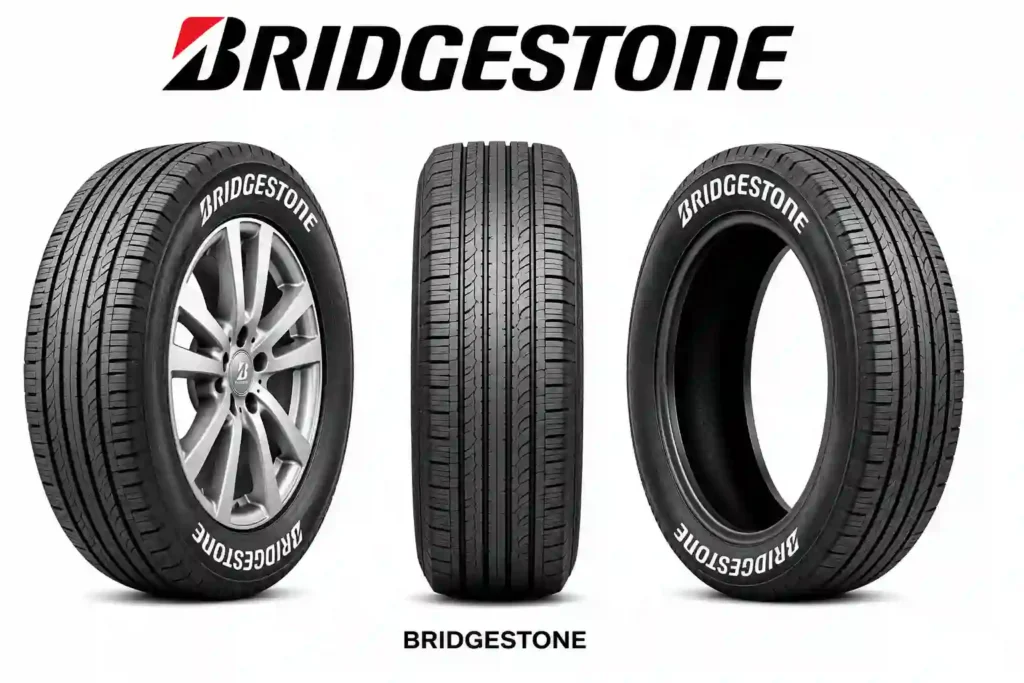
| Feature | BFGoodrich (Advantage) | Bridgestone (Turanza) |
| Core Focus | Value and all-terrain grip | Luxury comfort and wet safety |
| Wear Rating (UTQG) | 400 to 500 average | 500 to 600 average |
| Price Tier | Mid-range affordable | Premium high-end |
| Best For | Trucks and budget cars | Sedans and luxury SUVs |
The UTQG (Uniform Tire Quality Grading) shows how long a tire should last. A higher number means the rubber wears down much slower. Bridgestone clearly wins the tread life game here.
Brand Reputation and Market Positioning
Bridgestone is known globally as a giant in premium safety and quiet rides. They build high-end tires for drivers who want zero road noise.
BFGoodrich is actually owned by Michelin. They have a massive reputation for building tough, rugged truck tires. If you want cheap thrills or off-road toughness, they are a great pick.
Comparing the Overall Tire Lineups
Each brand focuses on totally different types of drivers. Bridgestone dominates the luxury car market with their Turanza line. These tires soak up bumps like a sponge.
BFGoodrich aims at the weekend warrior and the budget driver. Their All-Terrain KO series is a legend in the truck world. Their car tires are basic but very reliable.
Dry Performance Across Popular Models
Dry grip is how well the tire sticks to warm, dry pavement. Bridgestone uses soft silica rubber to grab the road tight. This helps you stop much faster.
“In the shop, we always pushed Bridgestone for sports cars. Their dry cornering grip is just on another level compared to standard budget rubber.”
BFGoodrich holds its own just fine on dry roads. When I tested the BFGoodrich Advantage on a sunny highway, the car felt stable. However, Bridgestone definitely handles sharp turns much better.
Wet Performance and Hydroplaning Tech
Driving in heavy rain can be very scary. Hydroplaning happens when water lifts your tire off the road. You lose all steering control instantly.
| Wet Test | BFGoodrich | Bridgestone |
| Stopping Distance | 59.0 meters | 50.5 meters |
| Water Clearing | Good | Excellent |
| Cornering Feel | Slippery at high speeds | Very planted and safe |
| Overall Wet Safety | Average | Class-leading |
Bridgestone completely dominates the wet weather tests. Their tires stop nearly 15 feet shorter than BFGoodrich on wet concrete. That short distance can easily save you from a bad rear-end crash.
Winter Performance and Snow Capabilities
Winter driving demands special rubber that stays soft in freezing cold. BFGoodrich builds some surprisingly good tires for light snow. Their blocky tread shapes grab loose flakes well.
Bridgestone has the famous Blizzak line for severe ice. These tires use a special sponge-like rubber to grip pure black ice. If you live in heavy snow areas, Bridgestone is always safer.
Comfort, Road Noise, and Ride Quality
Noise, Vibration, and Harshness (NVH) measures how much bump impact you feel inside. Bridgestone builds very soft sidewalls to absorb those bad bumps.
| Category | BFGoodrich | Bridgestone |
| Cabin Noise at 70 mph | Noticeable hum | Whisper quiet |
| Pothole Shock | Feels firm and stiff | Soaks up the hit well |
| Steering Vibration | Minor shakes | Very smooth |
| Sidewall Flex | Stiff for trucks | Soft for luxury rides |
You should skip the heavy BFGoodrich models if you drive 80 miles on the highway daily. The loud tread hum will drive you totally crazy. Bridgestone is the true king of the silent highway commute.
Tread Life and Overall Rubber Durability
Nobody wants to buy new tires every two years. Tread life tells you the real value of your rubber. Bridgestone uses very strong compounds to resist fast wear.
| Model Type | BFGoodrich Warranty | Bridgestone Warranty |
| All-Season Car | 60,000 miles | 80,000 miles |
| Highway Truck | 50,000 miles | 70,000 miles |
| Off-Road Mud | No mileage warranty | N/A (Limited off-road) |
| Wear Speed | Moderate to fast | Slow and very even |
BFGoodrich tires often wear down a little bit faster on heavy trucks. When I mounted a set on a big pickup, they wore unevenly after just a year. Bridgestone tires usually last much longer.
Proprietary Tire Technology Explained
Tire makers use fancy words to sell their black circles. Siping refers to the tiny slits cut into the tread blocks. These tiny cuts open up to bite into snow and wet roads.
Bridgestone uses a special NanoPro-Tech rubber mix to lower heat buildup. BFGoodrich uses an internal steel belt design they call CoreGard. This makes their truck tires very tough against sharp rocks.
Comparing Warranties and Customer Guarantees
A good warranty protects your hard-earned cash. Bridgestone offers amazing treadwear guarantees on almost all their street tires. They even give you a 90-day buy-and-try return period.
BFGoodrich offers standard 60-day trial periods on most models. However, their warranties are much shorter in total miles. If you want true long-term peace of mind, Bridgestone wins easily.
Price and Overall Value Breakdown
Initial price tags can fool a lot of smart shoppers. BFGoodrich tires are almost always cheaper at the cash register. They are a great choice if your budget is super tight today.
| Metric | BFGoodrich | Bridgestone |
| Upfront Cost per Tire | $120 to $180 | $160 to $250 |
| Cost per 1,000 Miles | Higher overall | Much lower overall |
| Fuel Saving Tech | Basic | Advanced fuel savers |
| Long-Term Value | Good for budget | Excellent over time |
Bridgestone costs more on day one but lasts far longer. Because they roll easier, they also save you real money on daily gas. Over five years, the premium Bridgestone is actually the cheaper choice.
The Absolute Best Tire From Each Brand
Picking the single best tire is hard but necessary. For BFGoodrich, the All-Terrain T/A KO3 is an absolute masterpiece. It is the best choice for dirt roads and lifting trucks.
For Bridgestone, the Turanza QuietTrack is the ultimate daily tire. It delivers insane wet grip and rides like a cloud. It is the perfect tire for long family road trips.
Which Tire Brand Is Better for Your Needs?
You must match the tire brand to your actual daily life. If you drive a big jeep on dirt trails, BFGoodrich is your brand. Their tough sidewalls will not pop on sharp rocks.
If you drive a Honda or Toyota to work every day, buy Bridgestone. The wet safety and silent ride make the extra cost totally worth it. Never cheap out on your family commute.
Final Verdict: The Best Brand Choice
After years in the shop, I always lean toward Bridgestone for street driving. They stop faster, ride smoother, and outlast the cheaper brands. BFGoodrich is fun, but Bridgestone is simply safer.
Go outside right now and check your driver-side door frame. Find your factory tire size on that white sticker. Then, head to your local shop and get a fresh set of Bridgestones mounted.
FAQ for bfgoodrich vs bridgestone
Which tire brand lasts much longer?
Bridgestone tires usually last much longer than BFGoodrich. They have higher treadwear scores and offer better mileage warranties.
Are BFGoodrich tires good in the rain?
They are just average in heavy rain. Bridgestone uses advanced rubber that stops nearly 15 feet shorter on wet roads.
Which brand is better for dirt roads?
BFGoodrich is the clear winner for off-road use. Their thick sidewalls protect against rock cuts on rough dirt trails.
Why do Bridgestone tires cost more?
They use premium rubber compounds that save gas and last longer. The higher upfront cost actually saves you money over time.