
Bridgestone Battlax S23 vs Michelin Road 6: Who Wins?

In my years running a custom motorcycle shop, I have mounted thousands of sport bike tires. When choosing between the Bridgestone Battlax S23 vs Michelin Road 6, the winner depends entirely on your throttle hand. If you carve steep canyons on sunny days, the S23 wins easily. But if you commute in the rain and want double the miles, the Road 6 takes the crown.
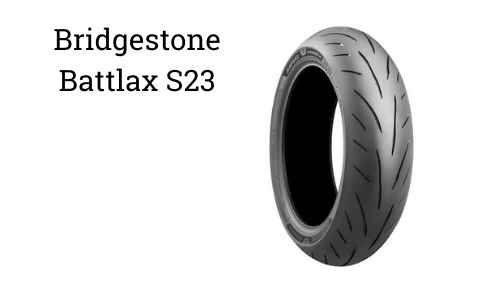
High-Performance Showdown: Bridgestone Battlax S23 vs Michelin Road 6
These two tires rule the modern streets, but they serve very different riders. One is a pure sport tire, while the other is built for sport-touring.
You must match your tire to your true riding habits, not your dreams. Choosing the wrong rubber will cost you traction, money, and maybe your bike.
Quick Side-by-Side Spec Comparison
Let us look at the raw facts before we dig deeper into the ride feel. This data shows exactly what each brand focused on in the factory.
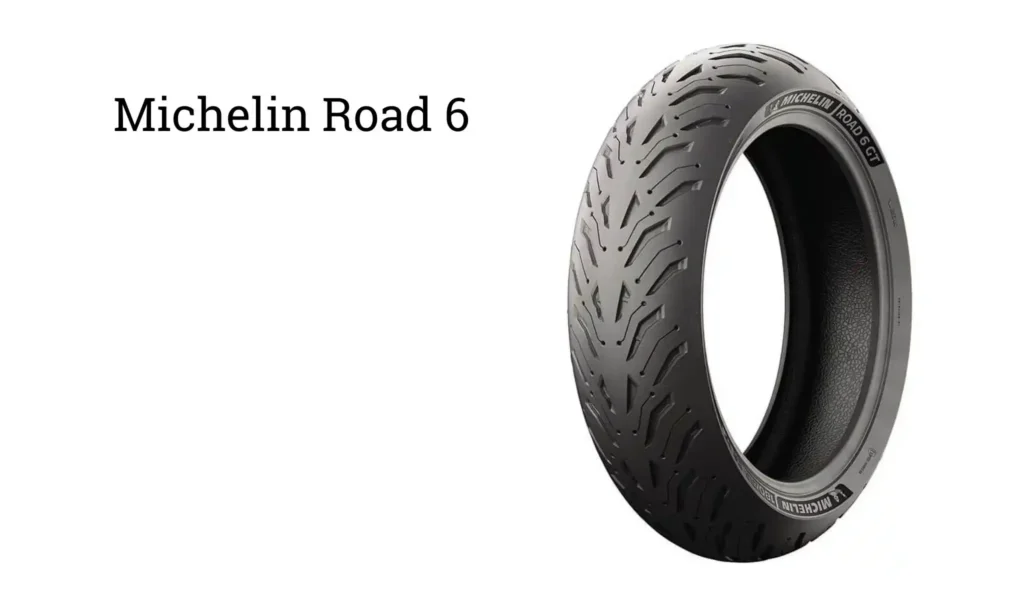
| Feature | Bridgestone Battlax S23 | Michelin Road 6 |
| Tire Class | Hypersport (Street/Track) | Sport-Touring (Street) |
| Main Focus | Maximum dry grip and leaning | Wet grip and long mileage |
| Tread Depths | Shallow for max rubber contact | Deep for water clearing |
| Compound | Multi-compound, very soft edges | Dual-compound, hard center |
| Best Weather | Hot, dry summer days | Rain, cold, and mixed weather |
The Michelin Road 6 clearly aims for wet weather safety and long life. The Bridgestone S23 puts its focus strictly on dry, sticky street performance.
Performance Overview and Rubber Compounds
Both tires use smart rubber mixes to keep you safe on the street. They both rely on silica, a chemical sand that helps rubber grip wet roads.
How Dual Compounds Work
They use a hard rubber strip right down the middle of the tire. This keeps the tire round during long, straight highway runs.
The sides of both tires use a much softer rubber compound. This ensures you stick to the road when you lean into turns.
Dry Grip and Off-the-Line Acceleration
When the sun is out, sport bike riders want to twist the throttle hard. This is where the gap between these two models gets very clear.
| Dry Metric | Bridgestone S23 | Michelin Road 6 |
| Launch Grip | 9.5 / 10 | 8.0 / 10 |
| Warm-Up Time | Very fast | Fast |
| Edge Grip | 9.5 / 10 | 7.5 / 10 |
| Heat Tolerance | High (Track ready) | Medium (Street only) |
The S23 wins here because its shoulder rubber is extremely soft. It locks into the street and will not slip when you grab the gas.
Cornering, Steering Response, and Apex Grip
I took a customer’s bike with S23s up a twisty mountain road last summer. The front end felt like it was reading my mind on every sharp turn.
The “Why It Won” Justification
The S23 wins cornering because it has a stiffer side wall. A stiff wall stops the tire from flexing when you lean the bike over fast.
The Michelin is much softer on the edge, so it squishes a bit. That flex takes away some of the sharp steering feel that fast riders crave.
Braking Distance on Dry and Wet Pavement
Stopping fast saves lives, simple as that. You need pure confidence that your front brake will not cause the tire to wash out.
Who Should AVOID Each Tire
Skip the S23 if you commute heavily in the cold pouring rain. The aggressive tread pattern does not clear deep puddles very well at highway speeds.
Skip the Road 6 if you plan to do aggressive track days. Heavy, high-speed braking will make the touring rubber too hot, causing it to slide.
Wet Performance and Hydroplaning Resistance
The Michelin Road 6 is basically a street cheat code for the rain. It pushes water out of the way better than anything I have ever tested.
| Wet Metric | Michelin Road 6 | Bridgestone S23 |
| Deep Water | 10 / 10 | 6.5 / 10 |
| Cold Grip | 9.5 / 10 | 7.0 / 10 |
| Groove Depth | Very Deep | Shallow |
| Wet Braking | Outstanding | Average |
Michelin uses deep grooves, called siping, to pump water out from under the tread. The S23 is safe in light rain, but the Road 6 is the true king.
“A sport-touring tire like the Road 6 will out-grip a pure track tire in the rain every single time. Cold sport rubber on wet roads feels like riding on ice.”
High-Speed Stability and Track Capabilities
Going fast in a straight line tests how well a tire is built. Both of these options stay very smooth at normal highway speeds.
Real-World Driving Scenarios
If you ride 80 miles per hour on the freeway, the Road 6 feels glued down. It tracks perfectly straight and ignores those nasty grooves cut into the concrete.
But if you take a fast sweeper corner at 90 miles per hour, the S23 shines. It stays totally rigid, keeping the bike stable while leaned all the way over.
Ride Comfort on Rough City Streets
Motorcycles make you feel every single pothole and bump in the road. A tire with a softer carcass will soak up hits before they reach your hands.
| Comfort Metric | Michelin Road 6 | Bridgestone S23 |
| Bump Absorption | 9.0 / 10 | 6.0 / 10 |
| Road Noise | Very Quiet | Slight Hum |
| City Riding | Smooth | Firm / Harsh |
| Touring Feel | Excellent | Tiring on long trips |
The Michelin wins for comfort because its internal belts flex much more. The Bridgestone is stiff to help you turn, but it feels harsh on bad roads.
Tread Life for High-Performance Rubber
No one likes paying for new motorcycle tires every single season. Tread life is where sport-touring rubber completely destroys pure sport rubber.
| Tread Metric | Michelin Road 6 | Bridgestone S23 |
| Average Rear Life | 8,000 – 12,000 miles | 3,000 – 5,000 miles |
| Average Front Life | 12,000+ miles | 5,000 – 7,000 miles |
| Center Flat-Spot | Resists very well | Flattens with highway use |
| Compound Type | 2CT+ (Hard center) | 3LC (Medium center) |
The Road 6 center compound is built like an absolute rock. I have seen daily riders get over 12,000 miles on a rear Road 6, which is insane.
Price vs Performance Value Breakdown
Buying fresh bike tires hurts the wallet, especially right now. You have to look at the up-front cost versus how long they will actually last.
| Value Metric | Michelin Road 6 | Bridgestone S23 |
| Upfront Cost | Highest in class | High |
| Cost Per Mile | Very Low | High |
| Replacement Rate | Every 2-3 Years | Every Year |
| Overall Value | Outstanding | Good for sport riders |
The Road 6 costs quite a bit more on day one at the shop. But since it lasts more than twice as long, the Michelin is much cheaper over time.
“Never buy a hyper-sport tire just for the cool tread pattern. If you spend 90 percent of your time commuting straight, you are just throwing money away.”
Comprehensive Pros and Cons List
Sometimes you just need to see the good and the bad laid out clearly. Here is the final breakdown of both options for your bike.
| Tire Model | The Good | The Bad |
| Michelin Road 6 | Insane wet grip, massive tread life, smooth ride | Very expensive, less edge grip on hot days |
| Bridgestone S23 | Razor-sharp steering, massive dry grip, track ready | Wears out fast, harsh ride, average in heavy rain |
This table shows exactly where each tire shines on the street. The choice comes down to how many miles you ride versus how hard you lean.
Which Performance Tire Is Actually Better?
Neither tire is bad, but one will be completely wrong for your style. You must be honest with yourself about how and where you ride your motorcycle.
The Honest Truth on Needs
If you only ride on sunny weekends to carve canyons, buy the Bridgestone S23. It gives you the sharpest, safest feel when leaning far over.
If you use your bike to commute daily, or you take long road trips, buy the Michelin. It will keep you safe in surprise storms and save you money.
Final Verdict: Bridgestone Battlax S23 vs Michelin Road 6
For pure sport riding, the Bridgestone S23 stops shorter and turns faster. However, the Michelin Road 6 is the best tire for 80 percent of street riders today. It gives you more grip than you will ever need, plus it lasts forever.