
Michelin Power 6 vs Pirelli Diablo Rosso 4: Which Is Better?

I have mounted hundreds of motorcycle tires during my years working in a speed shop. The Michelin Power 6 vs Pirelli Diablo Rosso 4 debate comes up daily among sport riders. Between the two, the Michelin Power 6 is the clear overall winner. It offers a much better balance of fast warm-up times and wet road safety for daily street riding.
Choosing between these two premium brands is always tough for riders. Both companies make incredible rubber for high-horsepower sport bikes. However, they serve two very different styles of aggressive riding.
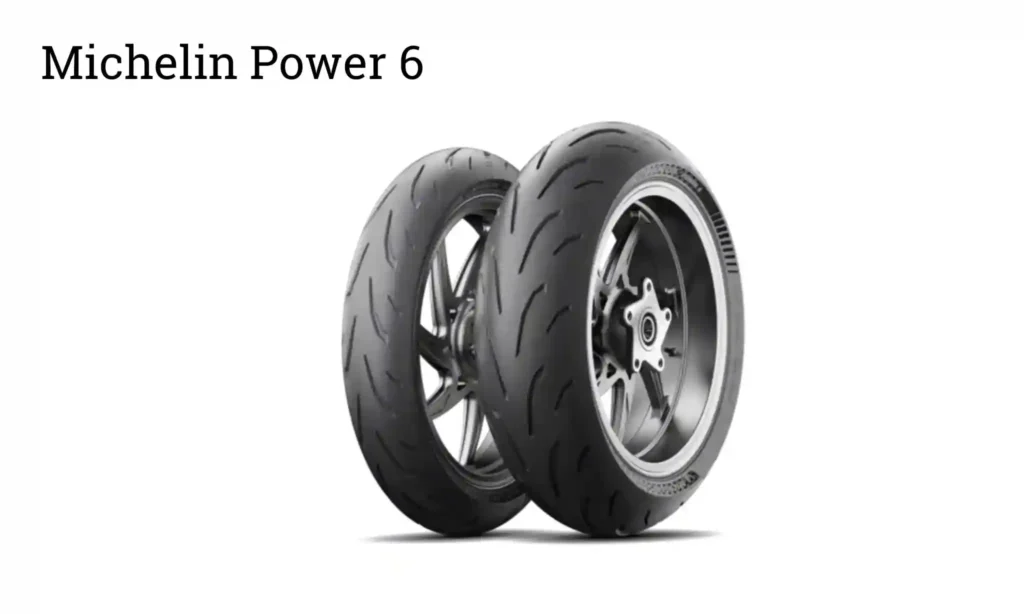
Why the Michelin Power 6 Won the Street
The Michelin won this battle because it handles real-world road conditions perfectly. It stops much shorter on wet roads due to its soft, silica-rich rubber. You do not have to ride aggressively just to get heat into the tires.
When I took these out on a chilly autumn morning, the grip was instantly there. The tire inspires total confidence before you even reach the highway. It behaves exactly how a modern street tire should behave on cold pavement.
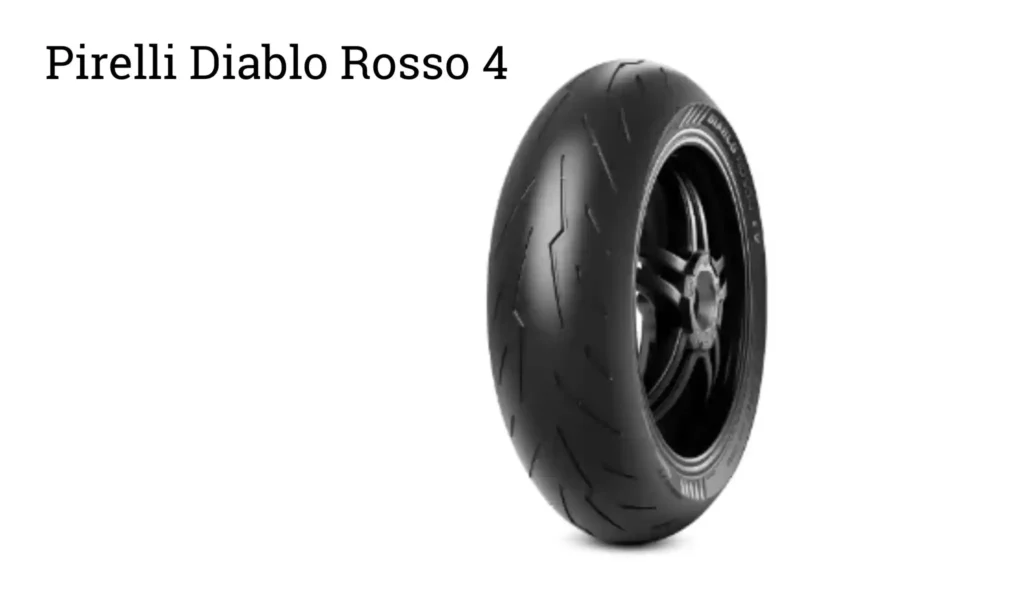
Who Should Avoid the Pirelli Diablo Rosso 4?
Skip the Pirelli if your daily commute involves heavy rain or freezing morning temperatures. The aggressive tread pattern does not clear standing water as fast as the Michelin. This tire also takes much longer to warm up at slow city speeds.
If you just commute ten miles to work in traffic, this Italian rubber is wasted on you. You will never push the tire hard enough to unlock its massive edge grip. A more casual touring tire would serve your wallet much better.
Quick Side-by-Side Spec Comparison
Looking at the raw numbers helps you understand how these tires differ. Both are rated for high speeds, but their internal designs are completely unique. Here is how their basic factory specifications match up.
| Feature | Michelin Power 6 | Pirelli Diablo Rosso 4 |
| Primary Use | Street and Light Track | Aggressive Street and Track |
| Rubber Compound | 2CT+ Dual Compound | Multi-Compound (Up to 3 zones) |
| Wet Weather Rating | Excellent | Average |
| Warm-Up Speed | Very Fast | Moderate |
| Tire Life Expectancy | 5,000 – 7,000 miles | 4,000 – 6,000 miles |
This table clearly shows where each manufacturer focused their engineering money. Michelin aimed for a well-rounded street experience with longer tread life. Pirelli built a tire that strictly prioritizes dry performance and cornering stability.
Performance Overview and Rubber Compounds
Tire technology has improved massively over the last ten years. Modern sport tires now use multiple types of rubber on the same tire. This gives you hard rubber in the middle and soft sticky rubber on the edges.
Michelin’s 2CT+ Dual Compound Tech
Michelin uses their famous 2CT+ technology on both the front and rear tires. This means a harder base layer of rubber runs underneath the entire tire structure. A softer, sticky compound is then layered on top of the outer edges.
This design keeps the tire super stable when you hit the gas in a straight line. When you lean the bike over, the soft edges grab the pavement tightly. It is a brilliant way to balance long tread life with maximum cornering safety.
Pirelli’s Cap and Base Multi-Compound
Pirelli takes a slightly more aggressive approach with their rubber mixtures. The front tire uses a dual-compound setup that is packed with silica. However, the larger rear sizes use a wild tri-compound design with five distinct grip zones.
The absolute outer edge of the Pirelli rear tire uses track-focused carbon black rubber. This material provides insane grip when the bike is leaned all the way over. It is designed to handle the massive horsepower of modern super-liter bikes.
Dry Grip and Off-the-Line Acceleration
Dry grip is the main reason you buy a hypersport motorcycle tire. Both of these options will easily handle the power of a modern sport bike. However, they deliver that power to the ground in slightly different ways.
| Dry Performance | Michelin Power 6 | Pirelli Diablo Rosso 4 |
| Off-the-Line Bite | 9/10 | 9/10 |
| High-Speed Roll-On | 9/10 | 10/10 |
| Cold Pavement Grip | 10/10 | 7/10 |
| Hot Pavement Grip | 9/10 | 10/10 |
As the table shows, the Pirelli takes the lead once the asphalt gets hot. The Michelin is much more forgiving on a brisk, cold morning. You have to decide which scenario matches your local riding climate better.
Real-World Launch Scenarios
When you twist the throttle hard at a green light, you need instant traction. The Michelin hooks up beautifully because the soft silica rubber warms up immediately. You rarely feel the rear wheel spin or step out on clean city streets.
The Pirelli requires a few miles of hard riding to reach its ideal operating temperature. Once it gets hot, the launch grip is absolutely brutal and unyielding. Just be careful leaving your driveway on a cold morning with cold rubber.
Who Needs Tri-Compound Edge Grip?
Most street riders will never use the very edge of their rear tire. Unless you drag your knee on the ground, that carbon black rubber goes unused. The Pirelli rewards highly skilled riders who push the limits of physics on closed roads.
Cornering, Steering Response, and Apex Grip
A motorcycle turns by leaning, so side-grip is wildly important. The profile shape of the tire determines how fast the bike wants to fall into a corner. A sharper tire profile makes the bike steer much quicker.
Hitting Twisty Mountain Roads
I remember testing the Pirelli Diablo Rosso 4 on a tight mountain pass. The bike flipped from left to right with zero effort at all. The steering felt incredibly sharp, almost like a dedicated track tire.
The Michelin Power 6 has a slightly more rounded, neutral profile shape. It does not drop into corners quite as violently as the Italian tire. Instead, it offers a smooth, predictable roll that builds street confidence quickly.
Feedback at Maximum Lean Angles
Tire feedback is how much road information you feel through the handlebars. When leaning hard, the Pirelli talks to you clearly and tells you exactly where the grip limit is. You can feel every tiny pebble and crack in the road surface.
A good rule of thumb in the shop is simple. If you ride in the rain, buy the French tire. If you only ride on sunny track days, buy the Italian rubber.
Braking Distance on Dry and Wet Pavement
Stopping quickly is the only thing that saves you from a serious crash. Your front tire handles about seventy percent of your total braking power. A good tire will dig into the pavement and stop you without sliding.
| Braking Condition | Michelin Power 6 | Pirelli Diablo Rosso 4 |
| Dry Stopping Power | 9/10 | 10/10 |
| Wet Stopping Power | 10/10 | 7/10 |
| Cold Stopping Power | 9/10 | 6/10 |
| Braking Feedback | 8/10 | 10/10 |
The data highlights a major divide in how these tires stop a motorcycle. The Pirelli dominates in perfectly dry, warm conditions with zero drama. The Michelin is the undisputed king of panic stops on wet or cold pavement.
Panic Stops on Cold Pavement
Imagine a car pulling out in front of you on a cold November morning. You grab a handful of front brake to avoid hitting their bumper. The Michelin Power 6 will grab the cold asphalt and stop you safely.
The Pirelli might struggle slightly in this exact same cold scenario. Because the rubber is stiff when cold, the front wheel could easily lock up. This is why street tires must be judged by real-world emergency situations.
Wet Performance and Hydroplaning Resistance
Hydroplaning happens when water builds up under the tire faster than it can escape. The tire floats on the water, and you lose all control of the bike. A good tread pattern acts like a pump to push that water away.
Rain Grooves and Siping Explained
Siping refers to tiny slits cut directly into the tire rubber. These small cuts open up as the tire rolls against the ground. They create extra biting edges that push standing water away from the tread.
The Michelin Power 6 features wide, deep grooves that channel water outward quickly. The Pirelli uses a much slicker design on the outer edges to maximize dry grip. When leaned over in the rain, the Pirelli has almost no grooves to clear water.
Riding Through Heavy Downpours
I once got caught in a massive thunderstorm while riding on a fresh set of Michelins. The tires cut through huge puddles at sixty miles per hour without twitching once. The wet grip felt almost exactly like riding on a dry road.
High-Speed Stability and Track Capabilities
When you ride very fast, wind and road forces try to shake the motorcycle. A strong tire structure keeps the bike tracking perfectly straight. Track days require a tire that will not melt or get greasy under extreme heat.
| High-Speed Factors | Michelin Power 6 | Pirelli Diablo Rosso 4 |
| Straight-Line Stability | 9/10 | 9/10 |
| Track Heat Tolerance | 7/10 | 9/10 |
| High-Speed Cornering | 8/10 | 10/10 |
| Carcass Stiffness | Medium | Very Stiff |
The Pirelli clearly wins the battle when you take the bike to a racetrack. The stiff internal cords prevent the tire from squirming under heavy track loads. The Michelin gets a bit too soft if you push it hard for twenty laps.
Pushing Past Highway Limits
On public highways, both tires are perfectly stable at all legal speeds. You will not feel any head-shake or weaving from either brand. The differences only appear when you ride aggressively on a closed circuit.
Ride Comfort on Rough City Streets
Sport bikes are already uncomfortable, so a harsh tire makes things worse. The stiffness of the tire sidewall dictates how many bumps you feel. A softer carcass acts like a secondary suspension system for your bike.
Sidewall Stiffness and Potholes
The Michelin Power 6 has a relatively flexible internal structure for a sport tire. It absorbs small bumps and bridge joints very nicely during a long ride. Your wrists and lower back will thank you after a three-hour trip.
The Pirelli Diablo Rosso 4 uses very stiff internal rayon cords to boost cornering support. This means you will feel every single pothole violently shoot up through the seat. It is a harsh street ride, but that stiffness pays off during aggressive turning.
Noise, Vibration, and Harshness (NVH)
NVH stands for Noise, Vibration, and Harshness. It measures how much shaking and road buzzing you feel through the handlebars. Stiff track-oriented tires usually have terrible NVH ratings because they prioritize grip over comfort.
Both of these tires are fairly quiet at highway cruising speeds. You will not hear a loud drone over the sound of your engine. However, the Michelin transmits much less road vibration into your hands than the Pirelli.
Tread Life for High-Performance Rubber
Sport tires burn out quickly because the soft rubber is designed to stick, not last. UTQG stands for Uniform Tire Quality Grading, but sport bike tires just use rough mileage estimates. Getting heavy miles out of sticky rubber is a massive engineering challenge.
| Tread Life Factors | Michelin Power 6 | Pirelli Diablo Rosso 4 |
| Estimated Rear Mileage | 5,000 – 7,000 | 4,000 – 6,000 |
| Estimated Front Mileage | 8,000 – 10,000 | 7,000 – 9,000 |
| Center Wear Resistance | High | Moderate |
| Edge Wear Resistance | Moderate | Low |
The Michelin takes the crown for sheer mileage and durability. The hard center compound of the 2CT+ system holds up wonderfully against highway commuting. The Pirelli rear tire tends to square off quickly if you ride a lot of straight roads.
Mileage Warranties Explained
Motorcycle tires almost never come with traditional mileage warranties like car tires do. If you burn through a rear tire in three thousand miles, that is your problem. You have to monitor your own tire pressure to get the maximum life possible.
Real-World Wear on Heavy Bikes
I put a set of these on a heavy one-thousand cc touring bike last summer. The massive torque of the big engine shredded the Pirelli rear tire very quickly. The Michelin held its round shape much longer under the heavy weight of the bike.
Price vs Performance Value Breakdown
High-performance motorcycle tires are a major financial investment. You are going to replace them often, so the cost per mile matters a lot. Let us break down how your money is actually being spent.
| Value Metrics | Michelin Power 6 | Pirelli Diablo Rosso 4 |
| Average Front Price | Premium | Premium |
| Average Rear Price | Premium | Premium |
| Cost Per Mile | Lower | Higher |
| Overall Street Value | 9/10 | 7/10 |
Both tires cost roughly the same amount up front at the tire shop. The real value difference comes from how long they stay on the bike. Because the Michelin lasts longer, its long-term cost per mile is significantly cheaper.
Initial Cost vs Replacement Frequency
Buying a cheap tire rarely saves you any money in the long run. If you buy the Pirelli, expect to visit the tire shop more frequently. The Michelin simply gives you more riding months before showing the wear bars.
Never cheap out on the only thing connecting your bike to the pavement. Your contact patch is smaller than a credit card. Make sure it sticks when you need it most.
Comprehensive Pros and Cons List
Before making a final choice, it helps to see everything in one place. No tire is perfect for every single rider or machine. Here is the honest truth about where these two tires succeed and fail.
| Tire Model | The Good (Pros) | The Bad (Cons) |
| Michelin Power 6 | Amazing wet grip, fast warm-up, long tread life. | Less extreme edge grip on the track. |
| Pirelli Diablo Rosso 4 | Incredible dry grip, sharp steering, huge lean angles. | Poor cold performance, stiff bumpy ride. |
The chart confirms what we have discussed throughout the article. Michelin built a tire that conquers every daily street scenario flawlessly. Pirelli built a weapon for carving sunny canyons and dominating weekend track days.
Which Performance Tire Is Actually Better?
The answer strictly depends on where and how you ride your motorcycle. If you are a fair-weather rider who chases high speeds in the mountains, buy the Pirelli. It offers a level of dry road sharpness that is hard to beat.
The Final Street Winner
However, for ninety percent of real-world street riders, the Michelin Power 6 is better. It does not force you to wait for the rubber to get hot. It keeps you vastly safer when it suddenly starts raining on your commute home.
Final Verdict: The Best Choice for Enthusiasts
Stop guessing which tire is best and look at your actual riding habits. If you commute daily and ride in all weather, the Michelin Power 6 is your undisputed champion. Check your motorcycle’s swingarm placard for your exact factory tire size and order a set today.