
How to Get Gum Out of a Car Seat: A Complete Guide

Discovering sticky, mashed-in chewing gum on your vehicle’s upholstery is enough to ruin any driver’s day. Whether a child dropped it in the back seat or you accidentally sat on a stray piece, that sticky mess can feel like a permanent disaster.
If you are trying to figure out how to get gum out of a car seat, you are in the right place. The natural reaction is to grab a rag and start scrubbing, but that is the worst thing you can do. Scrubbing pushes the gum deeper into the fabric fibers or spreads it further across your leather interior, turning a small problem into a massive stain.
This comprehensive guide will walk you through the safest, most effective ways to remove chewing gum from any type of car seat. We will cover household remedies, safe chemical options, and specific techniques for both cloth and leather interiors. By following these simple steps, you can restore your car’s interior without damaging the upholstery or spending a fortune at a professional detailing shop.
Quick Answer
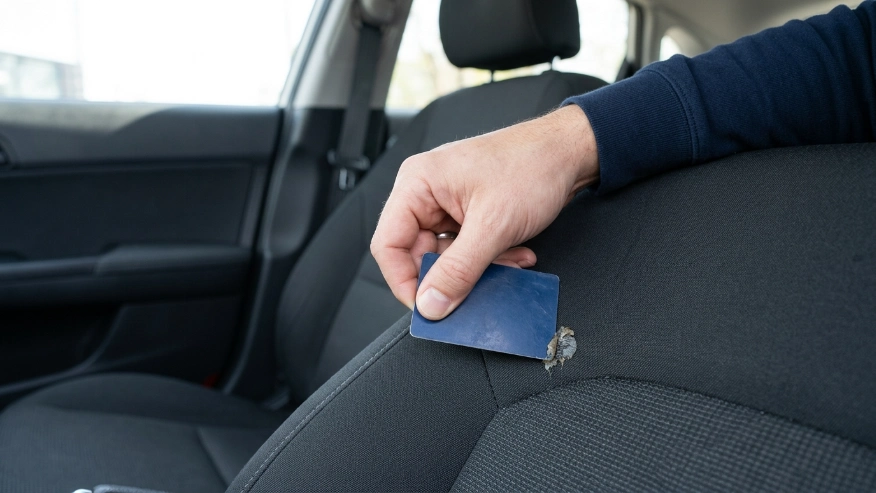
To get gum out of a car seat, the most effective method is freezing it. Place several ice cubes in a sealed plastic bag and hold it directly against the gum for 10 to 15 minutes. Once the gum freezes and hardens completely, gently scrape it off the upholstery using a dull plastic edge, like a credit card or a plastic spoon.
Understand Your Car Seat Material Before You Start
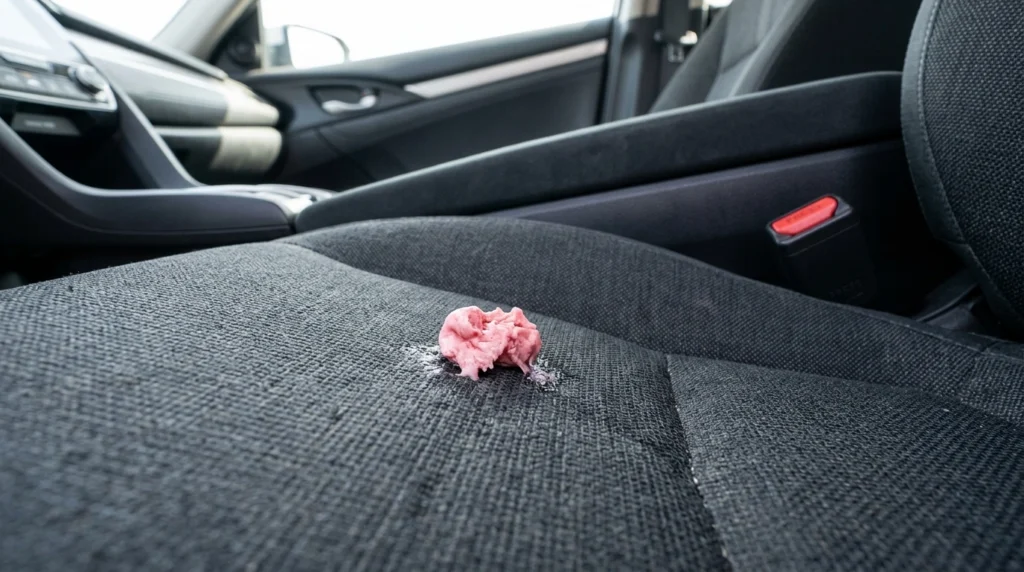
Before you tackle that sticky mess, you must identify what type of material you are working with. The cleaning method you choose heavily depends on your car’s upholstery. Using the wrong tool or liquid can cause permanent discoloration or tears.
Cloth and Fabric Seats
Cloth seats are highly absorbent and porous. When gum melts into fabric, it binds directly to the woven fibers.
When dealing with cloth, your primary goal is to avoid pushing the gum deeper into the seat cushion. You also need to be careful with oil-based solvents, as they can leave behind a dark grease stain that is just as stubborn as the gum itself.
Leather and Vinyl Seats
Leather and synthetic vinyl seats are smooth and non-porous, meaning the gum sits on the surface rather than soaking in. However, leather is delicate.
If you scrape leather too hard, you risk scratching the dye layer or puncturing the material. Harsh chemicals can also strip the natural oils from genuine leather, leading to cracking and fading over time.
Method 1: The Ice Bag Technique (Best for All Seats)
The safest and most universally recommended method for removing gum is freezing it. This works perfectly for both cloth and leather seats and rarely leaves any damage behind.
Step 1: Prepare the Ice Bag
Place three to four ice cubes into a heavy-duty plastic sandwich bag. Seal it tightly. You want to avoid placing bare ice directly on the seat, as the melting water can soak into the foam cushions and cause water stains or mold.
Step 2: Freeze the Gum
Hold the bag of ice directly against the chewing gum. Press down slightly to ensure the cold temperature transfers to the sticky residue. Keep it there for 10 to 15 minutes.
Step 3: Test the Hardness
Check the gum. It should feel rock-hard and brittle, almost like a piece of plastic. If it still feels soft or sticky in the center, reapply the ice bag for another five minutes.
Step 4: Scrape Gently
Take a dull, flat object—like an old credit card, a plastic putty knife, or a plastic spoon—and wedge it under the edge of the hardened gum. Gently pry the gum upward. It should pop or flake off in large chunks.
Step 5: Clean the Residue
Once the bulk of the gum is gone, use a soft bristle brush to sweep away the loose flakes. If any tiny pieces remain, use a piece of heavy-duty packing tape. Press the sticky side of the tape against the lingering gum flakes and pull it away quickly to lift them out of the fibers.
Method 2: The Heat Method (For Stubborn Residue)
If freezing the gum doesn’t completely work, or if the gum has been baked into the seat by the hot summer sun, you may need to use heat to lift it safely.
Step 1: Warm the Gum
Plug in a standard handheld hair dryer. Set it to medium heat and hold it about four to six inches away from the gum. Move the dryer in slow circles to avoid overheating or melting your car seat fibers.
Step 2: Use a Paper Towel to Lift
As the gum warms up, it will become very sticky and soft. Take a thick, heavy-duty paper towel and press it firmly against the warm gum.
Step 3: Peel and Repeat
Carefully peel the paper towel away. The soft gum should stick to the paper towel and lift off the seat. Repeat this process with fresh paper towels until the gum is completely transferred off the upholstery.
Method 3: Using Safe Solvents (For Lingering Stains)
Sometimes, even after you remove the bulk of the gum, a greasy, sticky residue remains. This requires a mild solvent to break down the chemical bonds of the gum base.
Using WD-40 or Dedicated Adhesive Removers
Products like WD-40 or automotive-safe bug and tar removers are excellent at dissolving sticky messes. Spray a small amount onto a clean microfiber cloth—never spray it directly onto the seat. Gently dab the sticky residue until it dissolves.
Whenever using solvents inside a vehicle, ensure all your doors and windows are open. According to the EPA guidelines on indoor air quality and solvent use, proper ventilation is critical when working with volatile organic compounds (VOCs) to prevent respiratory irritation.
Using White Vinegar
If you prefer a natural route, warm up a small bowl of distilled white vinegar in the microwave for 20 seconds. Dip a soft toothbrush into the warm vinegar and gently agitate the remaining gum residue. The slight acidity helps break down the stickiness safely.
Cleaning Up the Solvent
Solvents and WD-40 will leave a greasy spot on your seat. Mix a few drops of grease-fighting dish soap with warm water. Dip a clean cloth into the soapy water and gently scrub the area to lift the solvent out of the seat. Blot the area dry with a clean towel.
Special Considerations for Child Safety Seats
Chewing gum disasters frequently happen in the back seat, particularly on or around children’s car seats. Cleaning a child safety seat requires extra caution.
The straps and harnesses on child seats are made of specially woven webbing designed to withstand massive force during an accident. Using harsh chemicals, heavy solvents, or abrasive scrubbing can degrade this webbing and compromise the safety of the seat.
Always check the NHTSA guidelines for child safety seats and your specific manufacturer’s manual before applying any chemicals to harness straps. If gum is stuck to the safety belt, strictly use the ice bag method and mild soap. Never use bleach or industrial solvents on safety restraints.
Expert Tip:
Always perform a spot test. Before using any solvent, adhesive remover, or soap on your car seat, test it on a hidden area (like the back corner of the seat near the floor). Wait 10 minutes to ensure the chemical doesn’t bleach the fabric or strip the dye from your leather.
Post-Cleaning Care: Protecting Your Seats
Once you successfully figure out how to get gum out of a car seat, you need to restore the material. Cleaning can strip natural oils or factory protectants from your upholstery.
Maintaining your interior isn’t just about looks; it protects your investment. Following basic FTC advice on maintaining your vehicle’s value, keeping your upholstery free from stains and chemical damage is a simple way to preserve your car’s resale value.
- For Leather Seats: Apply a high-quality leather conditioner to the area you just cleaned. This restores moisture, prevents cracking, and brings back the natural shine.
- For Cloth Seats: Once the seat is completely dry, spray a fabric protectant (like Scotchgard) over the area. This creates a barrier that prevents future spills and stains from setting in.
Comparing Gum Removal Methods
To help you decide which route to take, use this quick comparison table of standard DIY gum removal methods.
| Removal Method | Best For Seat Type | Pros | Cons |
|---|---|---|---|
| Ice Bag (Freezing) | Cloth, Leather, Vinyl | Safest method, uses no chemicals, risk-free | Can take 15+ minutes for the gum to fully harden |
| Hair Dryer (Heat) | Cloth, Vinyl | Good for old, dried-out gum | Can accidentally melt synthetic seat fibers if held too close |
| WD-40 / Solvents | Cloth (with caution) | Melts away sticky residue instantly | Leaves a grease stain that requires secondary cleaning |
| Warm Vinegar | Cloth | Natural, safe, no harsh chemical fumes | Leaves a strong vinegar odor in the car for a few days |
When to Call a Professional Mechanic or Detailer
While most gum removal can be handled in your driveway, there are times when it is best to step away and hire an automotive professional. You should contact a professional auto upholstery shop or interior detailer if:
- The seat is perforated leather. Many modern cars have heated and cooled seats with tiny holes in the leather. If gum melts down into these perforations, DIY methods can push it deeper into the electronics or heating elements.
- You accidentally tore the material. If your scraping tool snagged the fabric or punctured the leather, stop immediately. An upholstery expert can patch or re-stitch the area before it spreads.
- The stain won’t lift. If your DIY cleaning attempts resulted in a massive, dark grease stain that standard upholstery cleaners cannot remove, a detailer with a commercial hot-water extractor is your best bet.
Common Mistakes Car Owners Should Avoid
When panic sets in over a dirty car seat, people often make rash decisions. Avoid these common DIY mistakes that can permanently ruin your interior:
- Using a metal knife or razor blade. Never use sharp metal tools to scrape your seats. One slip will slice right through leather or sever the woven threads of a cloth seat.
- Scrubbing the gum. Rubbing sticky gum with a towel or brush just pushes it deeper into the fabric and creates a wider stain.
- Using industrial degreasers or bleach. Heavy-duty garage chemicals are too harsh for automotive upholstery. They will bleach cloth and destroy the clear coat on modern automotive leather.
- Using an iron to heat the gum. While heat works, placing a clothing iron over a paper towel on your car seat is incredibly risky. Irons get hot enough to instantly melt synthetic car seat foam and polyester fibers.
- Leaving wet ice directly on the seat. Always put ice in a bag. Soaking your seat cushion can lead to deep-set mildew and mold growth inside the foam.
FAQs
Will WD-40 stain my car seat?
Yes, WD-40 is oil-based and will leave a temporary dark grease spot on cloth seats. However, this spot is usually easy to remove by gently scrubbing the area with a mixture of warm water and grease-cutting dish soap immediately after removing the gum.
Can I use a razor blade to scrape the gum?
No. You should never use razor blades, metal putty knives, or sharp tools on car upholstery. It is far too easy to accidentally slice through leather, vinyl, or cloth fibers, leading to expensive upholstery repairs. Always use a dull plastic edge.
Does peanut butter really work for gum removal?
The natural oils in peanut butter can break down the sticky bonds of chewing gum. However, it is not recommended for car seats—especially cloth ones—because it creates a massive, oily mess that is often harder to clean up than the original gum.
How do I remove the grease stain left by gum?
If the gum (or the solvent you used) left a greasy stain, treat it with an automotive upholstery cleaner or a few drops of standard dish soap mixed with warm water. Agitate the spot gently with a soft brush and blot it completely dry with a microfiber towel.
Is it safe to use nail polish remover on leather?
No. Nail polish remover contains acetone, which is an extremely harsh chemical. Acetone will instantly strip the dye and protective clear coat right off your leather seats, leaving a permanent white or dull chemical burn on the material.
How do I get gum out of a car seat belt or harness?
Seat belts are critical safety devices. Stick strictly to the ice bag method to freeze and pick the gum off. Do not use chemical solvents, WD-40, or heavy scrubbing on seat belts, as this can degrade the structural integrity of the safety webbing.
Conclusion
Learning how to get gum out of a car seat doesn’t have to be a stressful experience. The key is to remain patient, avoid aggressive scrubbing, and let temperature do the heavy lifting. By utilizing the ice bag method, carefully scraping with a plastic edge, and following up with safe, mild cleaners, you can easily restore your interior.
Always remember to treat your upholstery gently and condition leather seats after treating a stain. If the gum is melted deep into perforated leather or you feel uncomfortable tackling the mess yourself, don’t hesitate to reach out to a local professional auto detailer. Take action quickly, clean smartly, and you will keep your car’s cabin looking fresh, comfortable, and well-maintained for years to come.
