
Can I Check a Car Seat for Free on United?

When preparing for a family flight, keeping your child secure is the highest priority for any parent. Bringing your own child restraint system ensures a familiar, safe ride both in the air and at your destination. A common question among traveling families is whether can i check a car seat for free on united airlines. Understanding airline policies regarding baggage fees helps you plan your travel budget accurately and avoids unexpected counter charges. This comprehensive guide covers everything you need to know about checking child safety seats on United Airlines, along with essential tips for protecting your gear during transit.
Quick Answer
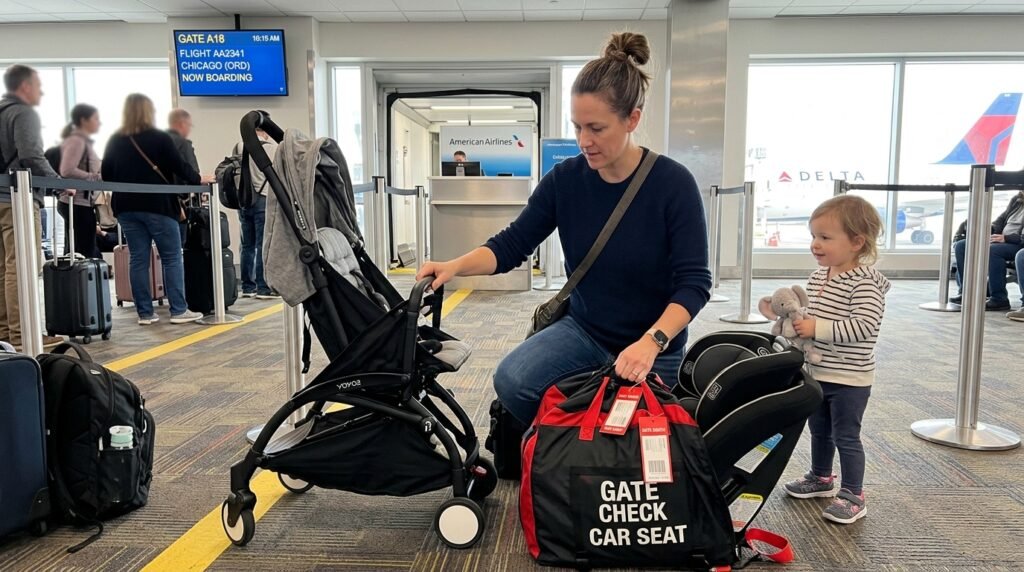
Yes, United Airlines allows you to check a child safety restraint system completely free of charge. This baggage allowance is in addition to your standard luggage limits. You can check your child safety seat at the ticket counter or gate-check it right before boarding the aircraft.
Understanding United Airlines Checked Baggage Policies for Child Gear
Traveling with children involves managing a significant amount of equipment, from strollers to travel cribs. United Airlines provides specific exemptions for families to make flying more manageable.
What You Can Check for Free
Under standard United baggage rules, traveling with an infant or child allows you to bring essential gear without paying extra fees. According to official United Airlines checked baggage policies, you are permitted to check one safety seat and one stroller per child free of charge.
- Extra Baggage Allowance: Child restraint systems and strollers do not count toward your ticketed checked bag or carry-on limit.
- Gate-Checking Option: You can choose to bring the safety device through the terminal and check it at the boarding gate.
- Aircraft Use: If you purchased a separate ticket for your child, the safety device may be used directly in the aircraft seat, provided it features proper Federal Aviation Administration approval labels.
Checking vs. Gate-Checking: Which Option Is Best?
Deciding whether to check your child restraint system at the main ticket counter or wait until the boarding gate requires weighing convenience against potential damage risks.
+--------------------------+----------------------------------+----------------------------------+
| Feature                  | Ticket Counter Check             | Gate-Check                       |
+--------------------------+----------------------------------+----------------------------------+
| Convenience in Terminal  | Hands-free walking through TSA   | Must carry through security      |
| Risk of Damage           | Higher (heavy baggage handling)  | Lower (handled directly at door) |
| Arrival Location         | Baggage claim carousel           | Jet bridge upon deplaning        |
| Availability of Use      | Unavailable after check-in       | Available until boarding time    |
+--------------------------+----------------------------------+----------------------------------+
Ticket Counter Check
Checking your equipment at the ticket counter frees you from carrying bulky items through security checkpoints and crowded terminals. However, your gear goes through the main baggage sorting system, exposing it to heavy luggage drops and rough handling.
Gate-Checking
Gate-checking lets you use the seat or stroller up until the moment you board the aircraft. You hand the equipment to ramp agents right outside the aircraft door, and it is placed carefully in the cargo hold. Upon landing, gate-checked items are usually returned right outside the aircraft door, minimizing time spent waiting at baggage claim.
Protecting Your Gear During Transit
Air travel can be tough on luggage, and child safety devices are no exception. Rough handling can compromise the structural integrity of a plastic shell or damage safety harnesses.
- Use a Padded Travel Bag: Invest in a heavy-duty, padded travel bag designed specifically for child safety equipment. This protects the item from grease, tears, and moisture.
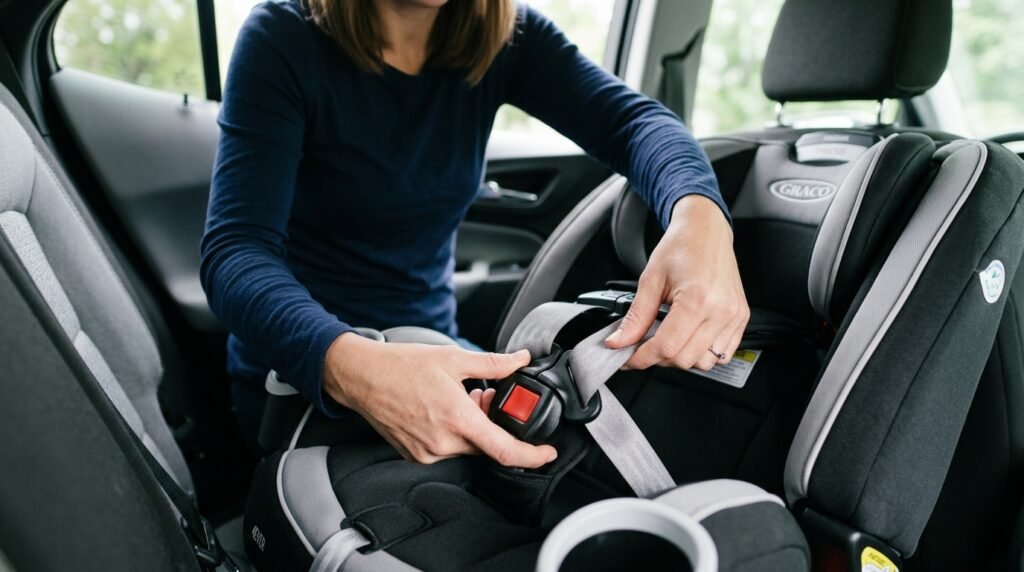
- Inspect Before Flight: Before handing your gear over to airline staff, ensure all straps, buckles, and latch mechanisms are securely tucked in or fastened so they do not catch on sorting belts.
- Inspect After Flight: Upon retrieving your item, check it thoroughly for cracks, stress marks, or missing parts before installing it in a rental car or personal vehicle. According to the NHTSA child passenger safety guidelines, any safety device involved in a severe impact or mishandled significantly should be evaluated for hidden structural damage.
When to Consult a Professional or Manufacturer
Air travel mishandling can sometimes create invisible hazards. Knowing when to seek professional advice ensures your child remains fully protected on the road.
Expert Tip: Always register your safety product with the manufacturer after purchase. This ensures you receive immediate alerts regarding recall notices or replacement parts if transit damage or manufacturing defects occur.
When to Retire or Replace Your Gear
- Visible Cracks: Any stress whitening, deep scuffs, or cracked plastic shell means the device must be replaced immediately.
- Missing Hardware: If straps, harness adjusters, or buckle tongues are lost during baggage transit, do not use makeshift fixes.
- Manufacturer Recommendations: If the airline damages the item beyond safe repair, file a baggage damage claim with United Airlines immediately before leaving the airport terminal to request compensation for a replacement.
Common Mistakes Car Owners Should Avoid
- Assuming gate-checking is always free: While United allows free checking for child gear, failing to properly tag items at the ticket counter or gate can cause confusion with baggage handlers.
- Skipping protective covers: Leaving a safety device unbagged exposes it to dirty airport conveyor belts and grease in the cargo hold.
- Forgetting FAA approval checks: Trying to use a non-approved booster or foreign-standard restraint on the plane results in flight attendants requiring you to stow it in the overhead bin or cargo hold.
- Ignoring post-flight inspections: Installing a mishandled item into a vehicle without checking for hidden structural failures puts your child at risk.
FAQs
Can I check a car seat for free on United if I have basic economy tickets?
Yes, the free baggage allowance for child safety equipment and strollers applies to all ticket classes, including Basic Economy tickets on United Airlines.
Does a car seat count toward my carry-on limit?
No, checking or gate-checking a child safety device is completely free and does not count against your standard carry-on or checked baggage allowance.
Can I pack diapers and clothes inside the car seat travel bag?
While some parents use travel bags to store extra soft items like blankets or diapers, airlines and manufacturers discourage packing heavy items because it increases the risk of damage and may violate safety inspection rules.
What should I do if United Airlines damages my child safety seat?
If your equipment arrives damaged, file a property damage claim with a United Airlines baggage service representative at the airport before leaving the terminal. Many airlines provide replacement compensation for damaged child safety equipment.
Are booster seats also checked for free?
Yes, booster seats are classified under the same child restraint guidelines and can also be checked or gate-checked free of charge on United flights.
Conclusion
Knowing the answer to can i check a car seat for free on united gives you peace of mind and keeps your travel budget intact. United Airlines allows you to check or gate-check a child safety device at no additional cost, ensuring your equipment travels with you safely. Protect your investment by using a durable travel bag, inspecting the gear carefully after landing, and utilizing your gate-checking options wisely for a stress-free family journey.
