
10 Best Baseless Infant Car Seat: Top Picks, Safety Insights, and Buying Guide

Infant car seats protect babies on every car ride, and baseless infant car seats make that protection easier to use at home and on the go. These seats clip into a compatible stroller or sit on a flat surface without a separate base, so you can move a sleeping child quickly and avoid hauling a bulky base. They still meet safety standards and offer features like adjustable harnesses, removable inserts, and impact-absorbing shells.
When choosing a baseless infant car seat, focus on safety certification, fit to your vehicle or stroller system, ease of installation and removal, weight and comfort for your baby, and whether the seat includes a reliable stability feature for car use. The most important thing is confirming the seat’s crash-test ratings and that it installs securely in your specific car or stroller without the base. We tested and compared popular baseless infant car seats to find options that balance safety, convenience, and comfort.
Best Baseless Infant Car Seats
We tested and compared top baseless infant car seats for safety, ease of use, and comfort. Below is our pick of the best options to help you find a safe, simple seat that fits your needs.
Graco SnugRide Lite LX

We recommend this seat for parents who want a lightweight, easy-to-use infant car seat that installs confidently and moves well between car and stroller.
Pros
- Very light and easy to carry with baby in the seat
- Simple install with clear level indicator and LATCH or seat belt
- Comfortable inserts for small infants and helpful canopy
Cons
- Head insert feels thin for some newborns
- Canopy fabric is bulky when folded back
- Not the plushest option as baby grows
We used the SnugRide Lite LX around town and on quick trips. Carrying the seat from car to stroller felt much easier than heavier models. The 7.2 lb weight makes a real difference when we have an armful of baby and gear.
Installation gave us confidence. The base clicks in firmly, the level indicator is clear, and switching between latch and seat belt took only a minute. The one-step stroller attachment worked smoothly when we clicked the seat onto our Graco stroller.
Our baby settled in quickly thanks to the soft head and body inserts. They gave a snug feel during short rides. Over time we noticed the head insert is on the thinner side, so we swapped it out sooner than expected for extra padding.
The canopy blocks sun well but bunches up when pushed back, which can be awkward in tight spaces. We appreciated the ProtectPlus engineering for peace of mind, though the seat isn’t the most cushioned for long rides. Overall, this feels like a practical, reliable pick for daily use.
Graco GoMax (Baseless)
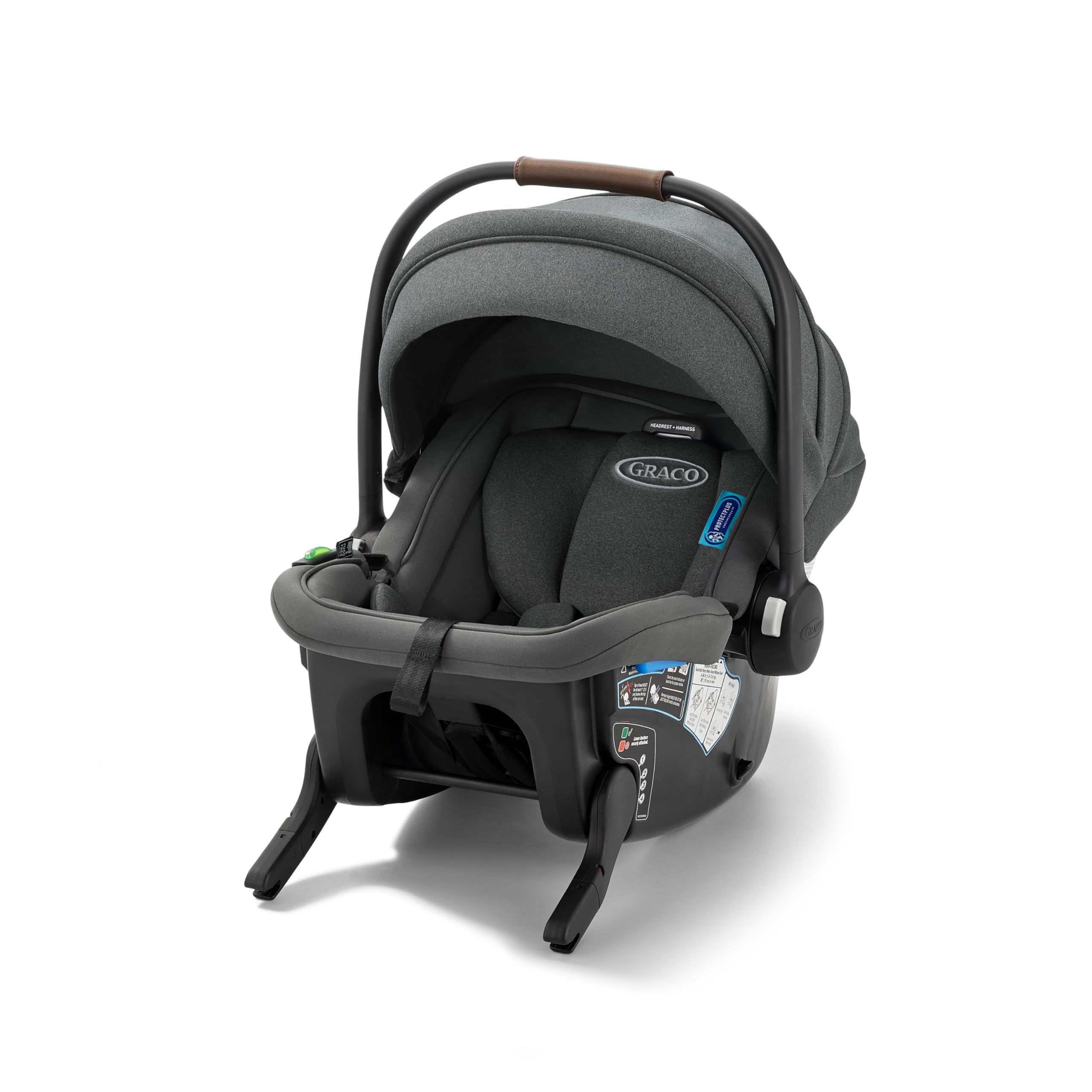
We recommend this if you want a baseless infant seat that installs fast and feels secure for short trips and swapping between cars.
Pros
- Installs in seconds with rigid LATCH.
- Quiet canopy and easy one-hand handle.
- Harness and headrest adjust together without rethreading.
Cons
- Heavier than some baseless options.
- May feel bulky in very small cars.
- Base-less install takes practice to get perfect every time.
We used the GoMax for errands and quick outings. The Insta-Install LATCH clicked in solidly and the indicator flipping to green gave us real peace of mind. Moving the seat between cars became simple once we learned the latch motion.
The Silent Shade canopy kept our baby calm during naps. Adjusting the harness and headrest together saved time and reduced fuss while still giving a snug fit. The fabrics felt soft and clean without any chemical smell.
On the downside, the seat has some heft when we carried it from the car to the house. Tight back seats required a bit more maneuvering, though the memory recline helped us avoid constant readjusting. Overall, it worked best for quick drives and for families who need to move the seat often.
Buy it if you value fast, secure baseless installs and quieter, baby-friendly materials.
Mico Pro (Maxi-Cosi)
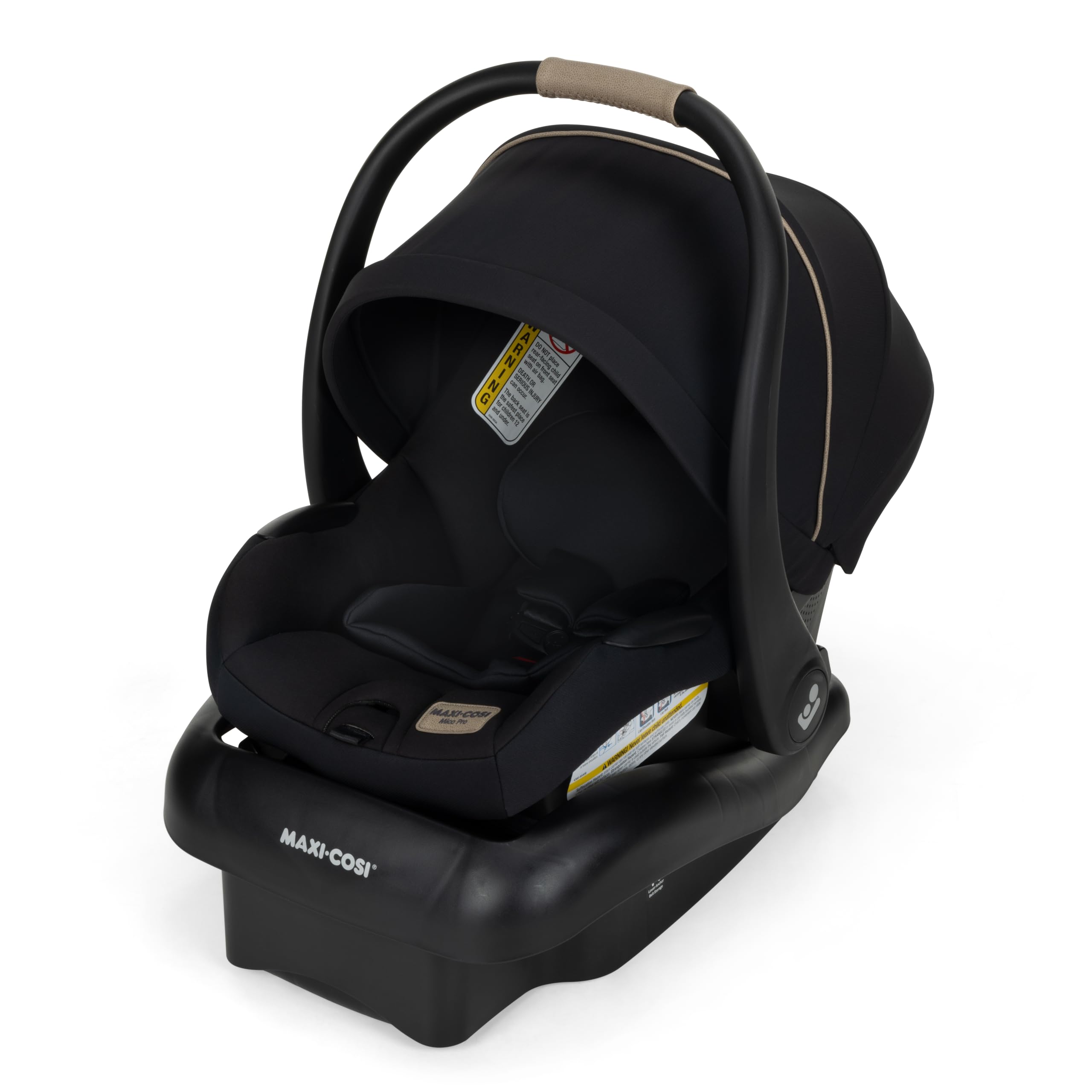
We recommend this seat if you want a lightweight, stroller-ready carrier that installs easily and feels cozy for short trips.
Pros
- Lightweight and comfortable to carry.
- Easy one-hand release and simple base installation.
- Breathable fabric and removable, machine-washable cushions.
Cons
- Ventilation may not keep very warm babies cool.
- Some padding can show wear quickly with regular use.
- Strap or cheek-pad velcro can snag delicate inserts.
We used the Mico Pro for errands and short drives. It felt light to lift and the ergonomic handle made it easier to shuffle between car and stroller. The one-hand release really helps when you are holding a baby and bags.
Installing the base with the 1-click LATCH was quick and straightforward. We also tried taxi mode without the base using the visible belt guides, which made on-the-go use simple and predictable.
The fabric is soft and machine washable, which saved us time after spills. The ClimaFlow design looked promising, but on hot days our baby seemed to run warm more than we expected.
After a few weeks of regular use, the removable inserts showed some wear where they rub against straps. That didn’t affect safety, but the look felt less new than we hoped.
Overall, this seat works well for parents who value light weight, easy transfers, and washable fabrics, but buyers should watch padding durability and actual cooling performance.
Joie Mint Latch Baseless
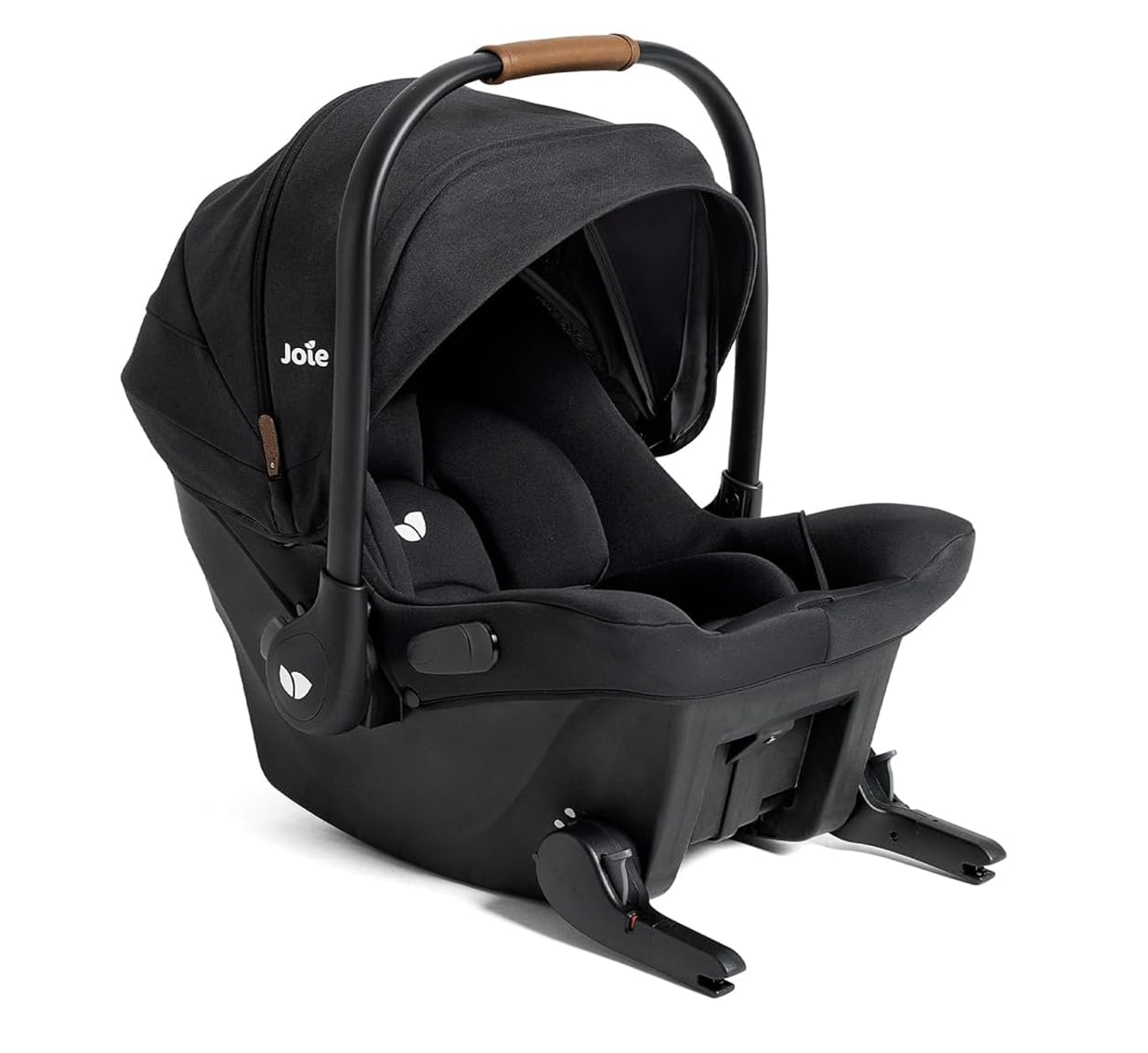
We recommend this seat if you want a lightweight, base-free carrier that feels secure and travel-ready.
Pros
- Fast click-in with built-in lower anchors.
- Light to carry and easy to move between cars.
- Big canopy and comfy padding for naps on the go.
Cons
- Limited to smaller infants (up to 30 lbs).
- A bit tight with bulky winter layers.
- Some parents may miss a dedicated base for quick daily installs.
We used this seat for short drives and a couple of flights. The latch connectors snap right into the vehicle anchors and feel reassuringly solid. Carrying the seat between cars felt easy because it’s lighter than many infant seats.
The canopy actually blocks glare and wind, and the padding kept our baby settled for naps. The handle grip made lifting in and out less awkward, and the inserts helped us get a snug fit as our baby grew.
Installing with a seat belt also worked well on planes and older cars. Still, the fit can feel snug if your baby wears thick clothes, and you’ll outgrow it sooner than convertible seats. Overall, we found it convenient, travel-friendly, and built for parents who move the carrier often.
Doona Car Seat & Stroller — Nitro Black
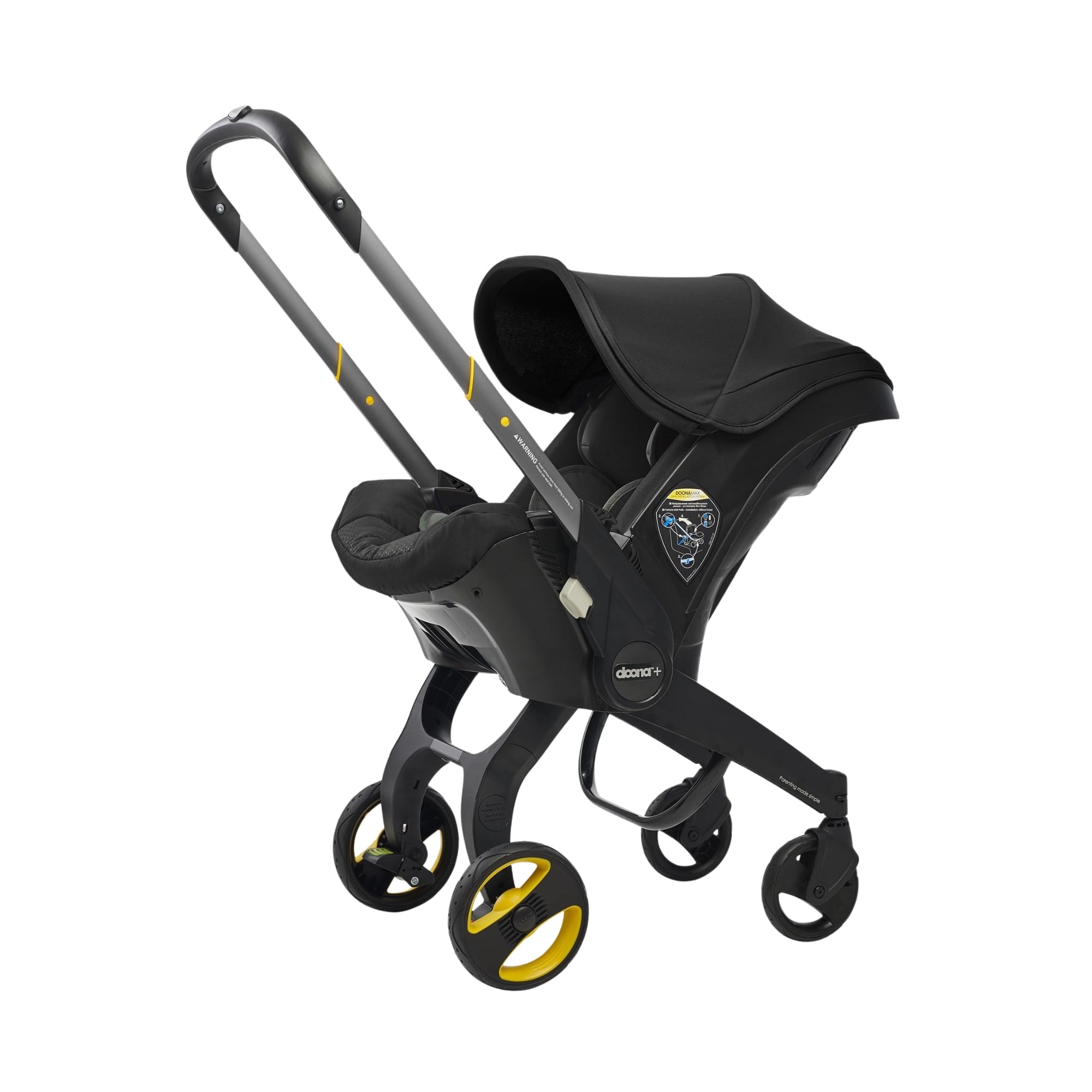
We recommend this if you want a quick, safe way to move a sleeping baby from car to stroller without extra gear.
Pros
- Instant car seat-to-stroller conversion saves time and fuss.
- Solid feel and well-padded support for newborns.
- Easy to install and travel-friendly design.
Cons
- Heavier than a standard infant car seat when carrying.
- Limited lifespan for taller babies; you’ll need a toddler seat later.
- Higher price than separate car seat and stroller options.
We used the Doona for short errands and travel, and the one-click switch from car mode to stroller truly worked as promised. It felt sturdy under our baby and kept movements smooth when we walked on pavement or through airports.
Installing the seat into our car was straightforward and confidence-inspiring. The handle and latch felt intuitive, and the included infant insert kept newborn posture snug. We liked that it folded compactly for storage.
Carrying the unit by the handle was simple for short stints, but it got heavy after a while, especially with bags. We also noticed our child outgrew it sooner than a convertible seat would allow. For quick trips and frequent transfers, though, it made life easier.
EZ‑Lift Plus (Baby Trend)

We recommend this seat if you want a lightweight, easy‑to‑carry infant car seat that balances comfort and everyday convenience.
Pros
- Very light to lift and carry
- Soft newborn padding keeps baby cozy
- Simple harness adjustments for a growing infant
Cons
- Harness length felt tight for some babies
- Fewer height positions than pricier models
- Forward‑facing orientation may not suit all parents
We used the EZ‑Lift Plus for quick store runs and a few longer drives. Carrying it felt easy even after a full day out, and the padded inserts made our newborn settle faster than with some rigid seats.
Installation and transfers between car and stroller took little time. The handle is ergonomic and the whole unit feels less bulky when moving through doors or laundromats.
We noticed the harness can feel snug on chunkier infants, so we adjusted often as our baby grew. For parents who want lightweight convenience without premium bells, this seat works well and held up through daily use.
Graco Extend2Fit
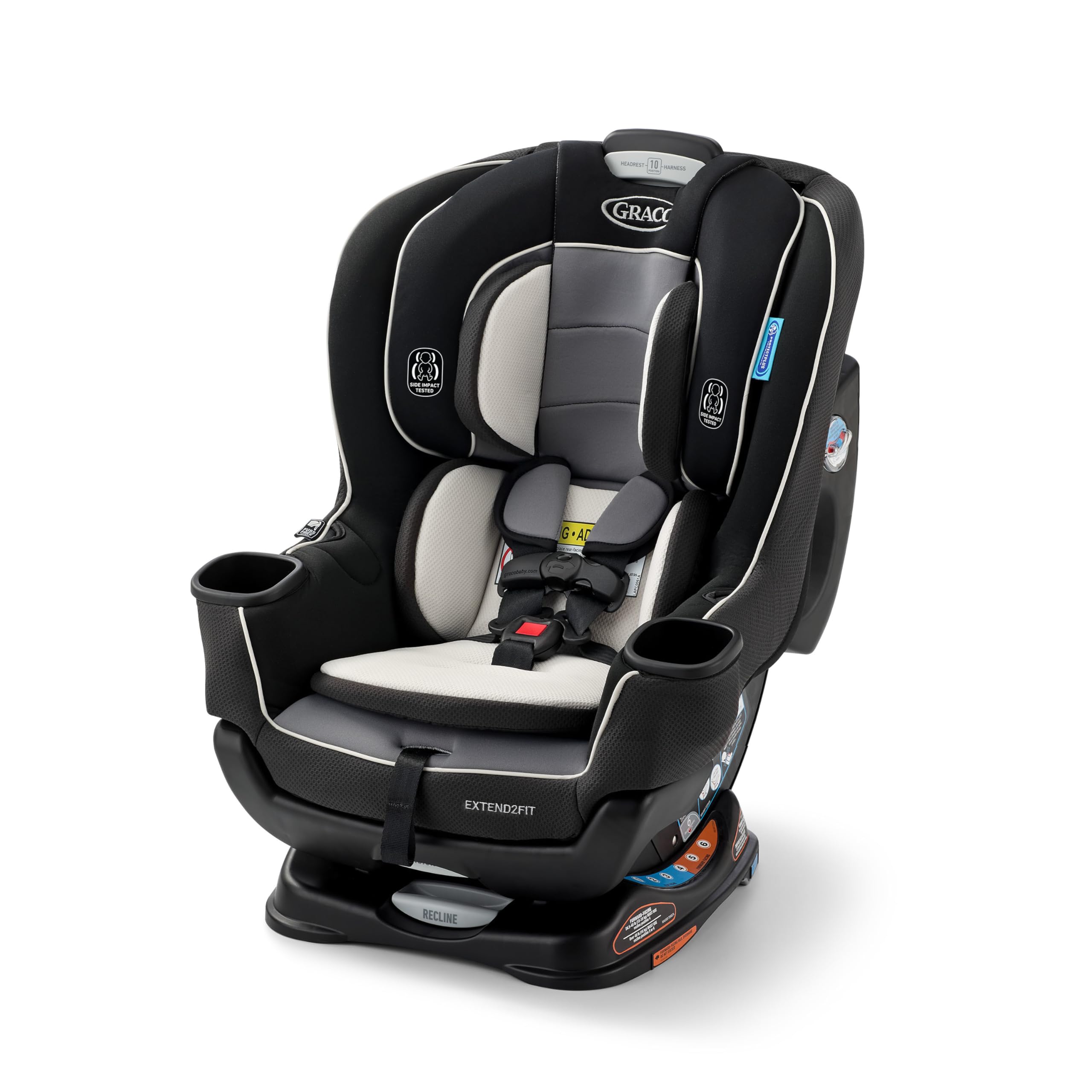
We recommend this seat if you want longer rear-facing time, easy harness adjustments, and solid safety features.
Pros
- Lets a child ride rear-facing longer with an adjustable extension panel
- Simple one-motion headrest and harness adjustment
- Feels sturdy and comfortable on longer trips
Cons
- Bulky for small cars or tight back seats
- Heavier than some infant-only carriers
- Fabric can show crumbs and spills over time
We installed this seat in two cars and used it on several long drives. It held up well and stayed secure after multiple installs. The extra legroom really matters when our kid wanted to nap rear-facing.
We liked the No-Rethread Simply Safe Adjust because raising the headrest and harness together saved time during diaper-bag chaos. The harness storage pockets keep straps out of the way while buckling, which made getting our child in and out easier.
The padding felt plush enough for longer rides, but the seat is fairly heavy to move between vehicles. We also found it takes up more room than narrower models, so check your back seat space before buying.
Ellaris 3‑in‑1 Slim Convertible (Safety 1st)

We recommend this seat if you want a lightweight, travel‑friendly convertible that grows with your child.
Pros
- Slim profile saves space in the back row.
- Easy LATCH install and light to carry.
- Machine‑washable pad and removable cup holders.
Cons
- Harness can be hard to tighten snugly.
- Feels large in very old, small cars.
- Padding is firm for some newborns.
We put this seat in our van and on a flight to test it. It slid into tight spots better than many convertibles we’ve used. The slim design actually freed up room for another seat and for us to move between rows.
Installation felt straightforward thanks to the hook‑style LATCH. We appreciated how light the shell is when moving it between vehicles or lifting it through the airport. The cup holders snap on and off, which made cleaning quicker during trips.
Getting the top harness super tight took extra effort. We had to double‑check fit several times to make sure the straps felt secure over a bigger toddler. In an older compact car, the shell looked bulky compared with newer vehicles, so measure if you own a small, older model.
Overall, the Ellaris worked well for travel and long‑term use as our child grew. The washable pad saved us time after spilled snacks, and the 5‑position headrest kept the fit right as we adjusted the harness.
Graco GoMax Infant Car Seat
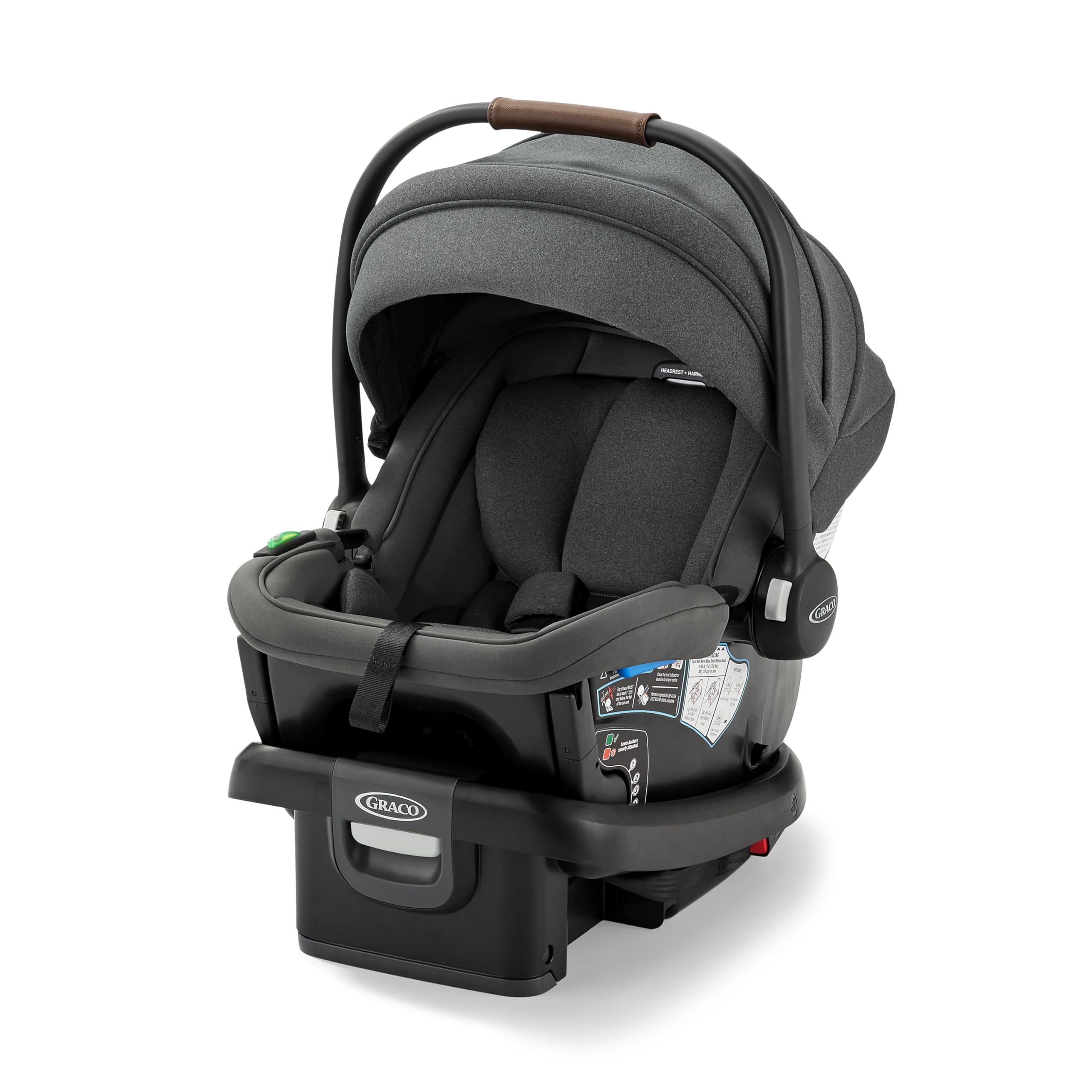
We recommend this if you want a baseless option that installs quickly, feels secure, and has easy adjustments.
Pros
- Fast, solid LATCH install that clicks into place.
- Quiet canopy and comfy fabrics without added chemicals.
- Adjusts harness and headrest together while baby stays buckled.
Cons
- Heavier than some other baseless seats we’ve used.
- Bulky to carry for long walks with a newborn.
- Some cars need careful positioning to get the recline right.
We used the GoMax across two cars and on short trips. The rigid LATCH made switching vehicles quick and confident. The install indicators turning green gave us clear feedback every time.
Getting baby in and out felt simple thanks to the one-hand handle and the no-rethread harness. Adjusting the headrest and harness at the same time saved us fumbling with straps while our infant fussed.
The seat felt well made and the fabrics were soft without a chemical smell. On the downside, it weighs more than other baseless carriers, so carrying it for long stretches felt tiring.
If you drive multiple cars and want a seat that snaps in securely without a base, this one handled that job well for our family.
Mico Pro+ (Maxi-Cosi)
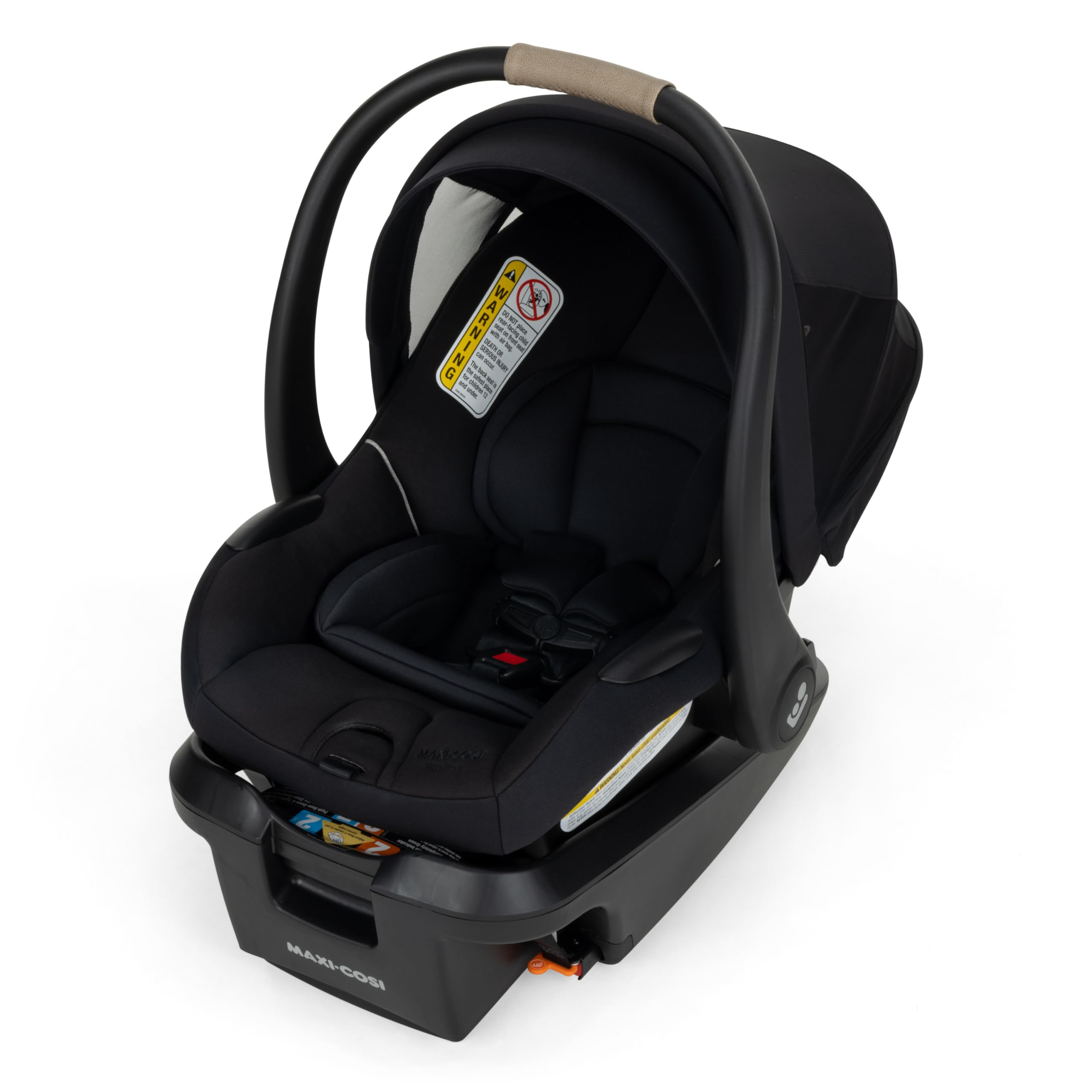
We recommend this seat if you want a lightweight, well-padded carrier that installs easily and feels premium.
Pros
- Easy one-hand release and comfortable vegan-leather handle.
- Good ventilation and soft, machine-washable fabrics.
- Simple base install with self-tightening LATCH and clear belt guides.
Cons
- Not the lightest on the market at full kit weight.
- Can feel snug as baby grows toward the top height/weight limit.
- Load leg and base add bulk for small trunks.
We carried the Mico Pro+ around town and liked how the handle sits on our hip. The one-hand release really speeds transfers to a stroller and taxis. The vegan-leather trim made it feel nicer than most infant carriers.
Installation in our cars felt straightforward. The MaxiLock base and self-tightening LATCH tightened quickly and the visible belt guides made taxi-mode easy. The three-position base helped us level the seat without guessing.
Our baby stayed cool in warm rides thanks to the ClimaFlow shell and the ventilated canopy. The removable head and lumbar pads hugged our newborn well, and all the covers came off for an easy wash.
We noticed the seat is a bit heavier than some competitors when you include the base, and the load leg takes up trunk space. Bigger infants filled the shell sooner than we hoped, so expect to move up when baby outgrows the fit.
Check price and details on Amazon
Buying Guide
We look for seats that meet safety standards and fit our car. Check for current crash-test ratings and certification labels. A good fit reduces movement and keeps the infant safer.
We value a secure installation. Look for clear belt paths or a tight LATCH fit. Some bases offer load legs or anti-rebound features; these can cut rotation in a crash.
We watch for ease of use. A base that clicks, adjusts, and levels easily helps avoid mistakes. Visual or audible indicators for correct installation give useful confirmation.
Comfort matters for the baby and the parent. Padded, breathable fabrics and an adjustable recline help with longer rides. Removable covers that wash easily save time.
We consider weight, size, and storage. A lighter base is easier to move between cars. Low-profile bases fit better in small rear seats and improve vehicle compatibility.
We compare features that affect long-term value. Look at adjustable recline, multiple harness heights, and extra padding. Check the base’s expiration date and weight/height limits to ensure it lasts through infancy.
We recommend testing in our vehicle when possible. A proper fit to our car and stroller, plus clear instructions, tells us whether the base will serve us well.
Editor’s Choice
We picked the Nuna PIPA RX as our Editor’s Choice for baseless infant car seats. It balances safety, light weight, and a simple install that many parents will find reassuring.
The PIPA RX uses a load leg and anti-rebound bar for added stability. We like that it removes the need for a separate base while still meeting strict crash standards.
Key highlights:
- Weight: Very light for an infant seat, easy to carry.
- Installation: Clear belt path and indicators make a snug fit easier.
- Comfort: Removable infant insert and breathable fabric for warmer days.
We tested usability across several cars. The seat fit well in compact and midsize vehicles without blocking rear air vents or crowding adjacent seats.
Maintenance is straightforward. The fabric unzips for machine washing, and replacement parts are easy to find if needed.
Pricing sits above mid-range, but we found the convenience and safety features justify the cost for many families. We recommend checking your specific vehicle fit before buying to ensure the best performance.
Conclusion
We chose baseless infant car seats for ease of use, safety, and space savings. They fit many cars and make carrying newborns simple.
We looked at key features: installation method, weight limits, canopy size, and compatibility with strollers. We weighed real-world use against lab tests to give practical advice.
We recommend checking your vehicle for a secure fit before buying. Try the seat in your car and verify it locks tightly without extra parts.
We also suggest reviewing expiration dates and crash history for used seats. Keep harnesses snug and follow the manufacturer’s manual every time.
Quick comparison:
- Pros: lighter, easier to carry, saves trunk space.
- Cons: may not fit all vehicles, some have lower weight limits.
We stand by choosing a seat that balances safety, comfort, and convenience for your family. If you need, we can help compare specific models based on your car and lifestyle.
FAQS
What is a baseless infant car seat?
We mean an infant car seat designed to attach directly to the vehicle seat belt or ISOFIX anchors without a separate base. These seats save space and are easier to move between cars.
Are baseless seats as safe as seats with a base?
We look for models that pass safety tests and meet regulations. Proper installation and correct belt routing are key to safety.
How do we install a baseless infant seat?
Most use the vehicle seat belt or lower anchors. We follow the manufacturer’s instructions, check belt tightness, and ensure minimal forward movement.
Can we use a baseless seat for newborns?
Yes, many fit newborns but check weight and height limits. Some include extra padding or inserts for very small babies.
Are baseless seats good for travel?
They are convenient for taxis and flights because they remove quickly and often meet airline carry-on rules. We still confirm airline policies before travel.
How do we know the seat is installed correctly?
We perform the “one-inch” test and look for a tight fit. Local inspection stations or certified technicians can help if we’re unsure.
What should we consider when buying?
We weigh safety ratings, fit in our vehicle, ease of use, and weight limits. Comfort and canopy size are useful extras too.
