
10 Best 3 Car Seat Vehicle Models for Growing Families

Car seats for three children let families travel together without swapping car seats or leaving anyone behind. They come in a few shapes: bench-style bases that fit three forward-facing seats, narrow convertible seats that fit tightly side-by-side, and modular systems that use a combination of booster and harness seats. The right three-seat setup balances safety, fit in your vehicle, and ease of installation so all seats secure correctly and kids ride safely.
When choosing a three-seat solution, measure your vehicle’s rear width, check each seat’s belt path and lower-anchor locations, and confirm combined weight and height limits for your children. We focus on crash performance, real-world fit across common vehicles, installation simplicity, and long-term comfort to pick seats that work for typical families. We tested multiple configurations to find options that make daily use practical and safe, and our picks below reflect those priorities.
Best 3 Car Seats for Your Vehicle
We tested and reviewed top car seats to find the best three for safety, comfort, and ease of use. Below is our list to help you pick the right seat for your child and vehicle.
Graco Tranzitions 3-in-1
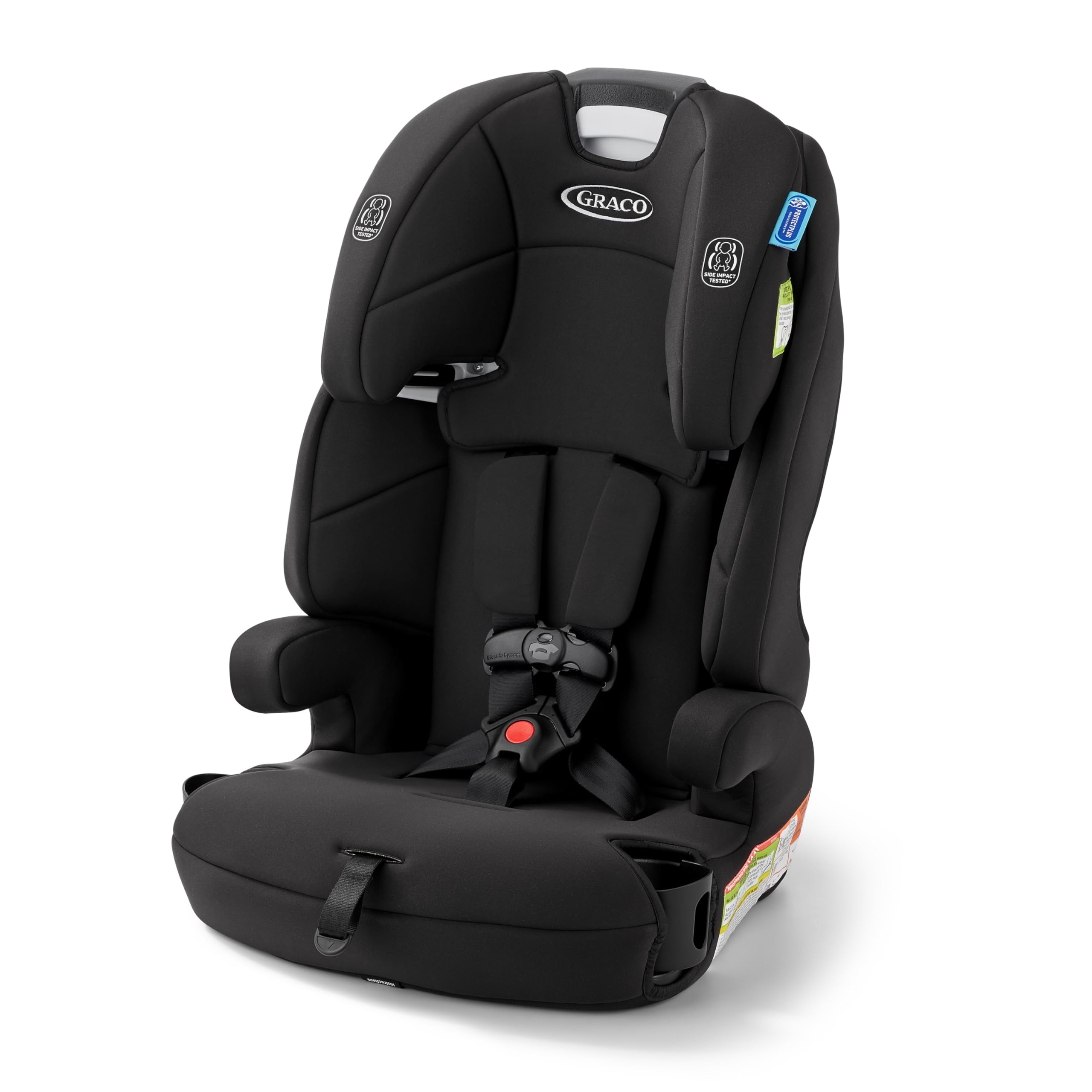
We recommend this seat for parents who want a lightweight, long-lasting booster that grows with their child and is easy to move between cars.
Pros
- Grows through three modes so one seat covers many years.
- Lightweight and slim, so it’s easy to move and fits well in tight back seats.
- Simple one-hand headrest and harness adjustment saves time.
Cons
- Padding feels a bit thin compared to pricier models.
- Less side bolstering around legs and arms for extra comfort.
- Not the plushest option if you want thick cushioning.
We used this seat for everyday drives and carpool runs and liked how quickly we could change modes. The no-rethread harness made adjustments fast when our child suddenly shot up a few inches.
Installation was straightforward and the seat’s low weight made switching between cars painless. Cup holders held snacks and drinks without fuss, and the washable cover made cleanup easy after spills.
Comfort is fine for short to medium trips, but we noticed the padding is thinner than some high-end models. It feels sturdy and secure, though families wanting extra cushioning might prefer a heavier seat.
Overall, this is a practical, well-made booster that saves money over time by covering multiple stages and making life easier for busy parents.
Ellaris 3‑in‑1 Convertible (Safety 1st)

We recommend this seat if you want a slim, travel-ready convertible car seat that grows with your child.
Pros
- Slim profile saves space in the back row.
- Easy hook‑style LATCH makes installation quick.
- Machine‑washable pad and removable cup holders ease cleanup.
Cons
- Straps take extra effort to tighten snugly.
- Lightweight feel can seem less solid when moving it between cars.
- Might not fit well in very old or very small vehicles.
We used this seat on a road trip and liked how it fit three across in our mid‑sized SUV without crowding the kids. The slim shell really freed up some shoulder room while still letting each child sit comfortably.
Installation went faster than we expected because the hook‑style LATCH clicked in easily. The five‑position headrest adjusted smoothly as the kids grew, and the cup holders were handy on longer drives.
Cleaning felt simple. We tossed the seat pad in the washer and dried it without fuss, and the compact shape made it easier to carry through airports when we flew once with a toddler.
Tightening the harness took more pulling than we liked, so we double‑checked fit after buckling. Moving the seat between vehicles felt light, which helped, but gave us a slight worry about feeling it fully locked in until we tested it.
Overall, we found the Ellaris useful for families who need a flexible, space‑saving convertible seat that’s travel friendly and easy to maintain.
Graco Extend2Fit

We recommend this seat if you want extended rear-facing time and easy daily use.
Pros
- Lets kids ride rear-facing longer with the extension panel
- Simple one-motion headrest and harness adjustment
- Feels sturdy and comfortable on long drives
Cons
- Bulkier than some narrow seats, so fits tighter in small cars
- Padding can trap crumbs and takes effort to clean
- Weight makes moving between cars harder
We installed the Extend2Fit in our SUV and used it for several weeks with a toddler. The extra 4-position extension panel really gave noticeable legroom when rear-facing. Our child relaxed more on longer trips and we felt better keeping them rear-facing longer.
Adjusting the harness was fast. The no-rethread system moved the headrest and straps together in one pull, which saved time on busy mornings. LATCH attachment clicked in quickly and felt solid while driving around town.
The seat feels well built and protective. We noticed the heavier shell and deep padding add confidence in safety, though that bulk made fitting three across the backseat tighter. Cleaning took a bit more effort because the fabric pockets and cushioning held crumbs.
Overall, we found this a reliable convertible seat for families who want extra rear-facing time and simple daily adjustments. If you need a narrow, lightweight option for swapping between cars often, you might consider other models, but for long-term use this one performed very well for our needs.
Safety 1st Grow & Go
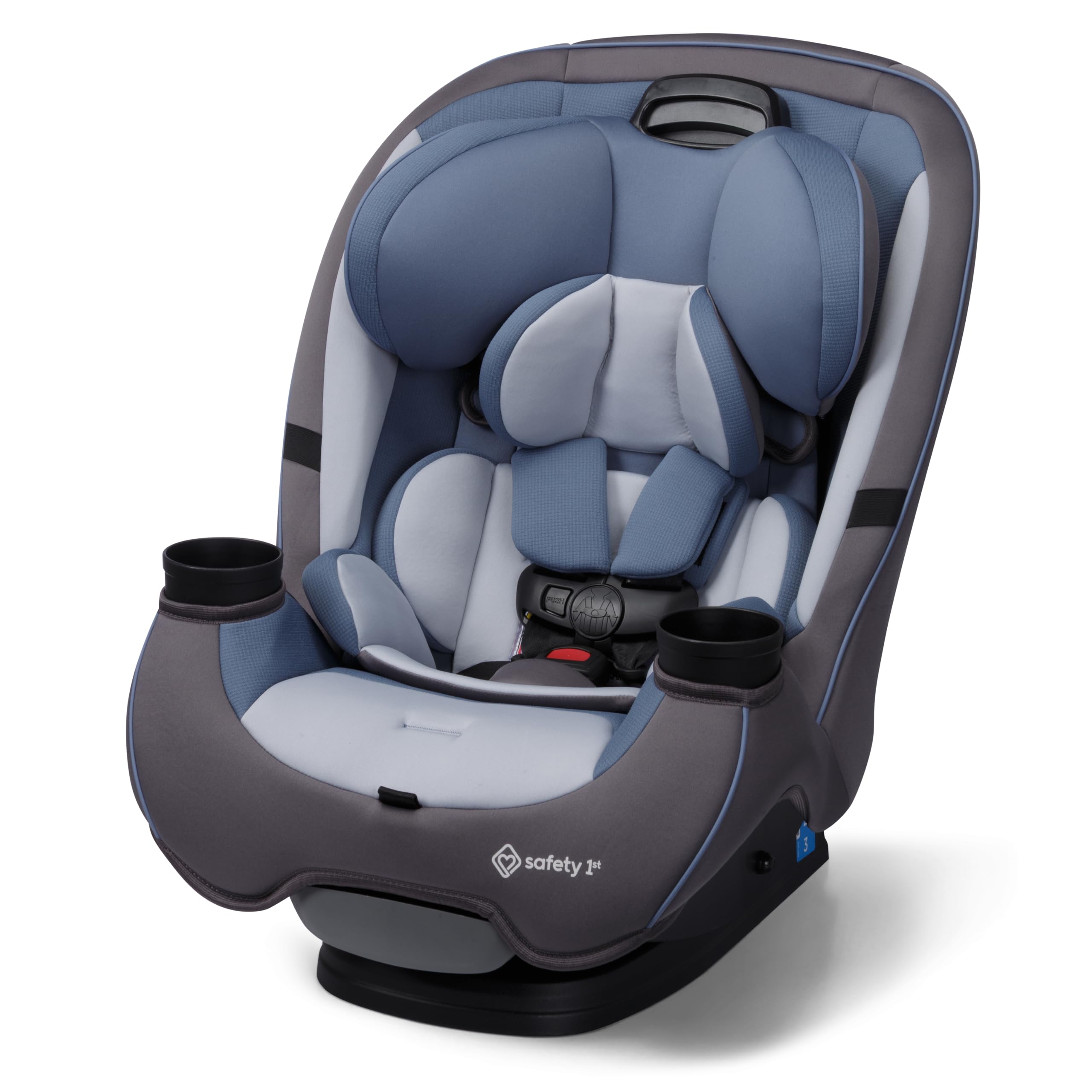
We recommend this seat if you want one car seat that grows with your child and stays easy to use over several years.
Pros
- Grows from rear-facing newborn to booster — long usable life.
- QuickFit harness/headrest makes adjustments fast.
- Slim profile frees space in the back seat.
Cons
- Padding can feel bulky at first and may crowd smaller cars.
- Not the fanciest materials compared with premium seats.
- Some kids may outgrow comfort before the top weight limit.
We installed this seat in two cars for our family and liked how the QuickFit harness lets us raise the headrest and tighten the straps in one move. Switching from rear-facing to forward-facing felt straightforward, and the latch and top tether made installation solid without wrestling with seat belts.
The padding felt plush and our child fell asleep easily on drives. Cup holders that go in the dishwasher and a machine-washable pad made cleanup simple after snacks and spills. The slim design gave us extra room when we needed to fit a third seat or push a stroller behind.
A few things to note: the seat can seem bulky at first and may feel tight in smaller vehicles. We also noticed the fabric isn’t as premium as higher-end models, but it cleans easily and holds up. Overall, it’s a practical, long-lasting choice for families who want one reliable seat from newborn to booster.
Safety 1st Grand Booster
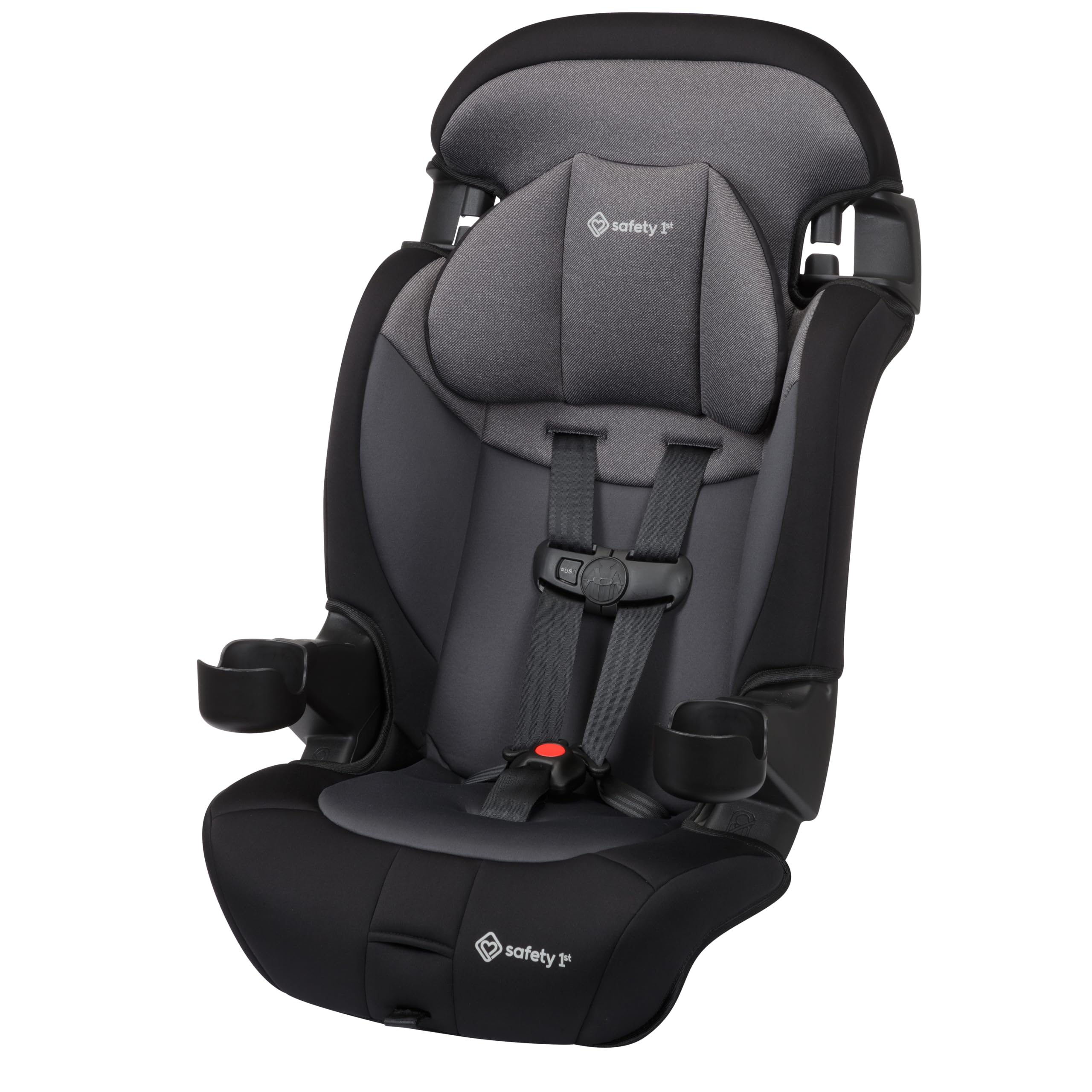
We recommend this booster if you want a light, slim seat that grows with your child and moves easily between cars.
Pros
- Slim design fits three across in many cars.
- Lightweight and easy to switch between vehicles.
- Converts from 5-point harness to belt-positioning as kids grow.
Cons
- Center buckle can be stiff and hard to reach.
- Padding is basic compared with premium models.
- Headrest adjustment has limited positions.
We used this seat for short trips and longer drives. The fabric felt soft and the kids seemed comfortable. Adjusting the headrest was simple, and the seat stayed stable when we moved it between cars.
Installing with LATCH was quick and straightforward. Getting three across felt possible in our mid-size SUV, which made carpooling much easier. The cup holders are handy and the removable pad cleaned up well after snacks.
We noticed the middle buckle can fight you when unbuckling, and our little ones sometimes needed help. The seat’s light weight is great for swapping cars, but it also felt less sturdy than heavier options when we jostled it. Overall, this hits a good balance of price, portability, and growing-room for everyday family use.
Safety 1st Boost-and-Go Essential
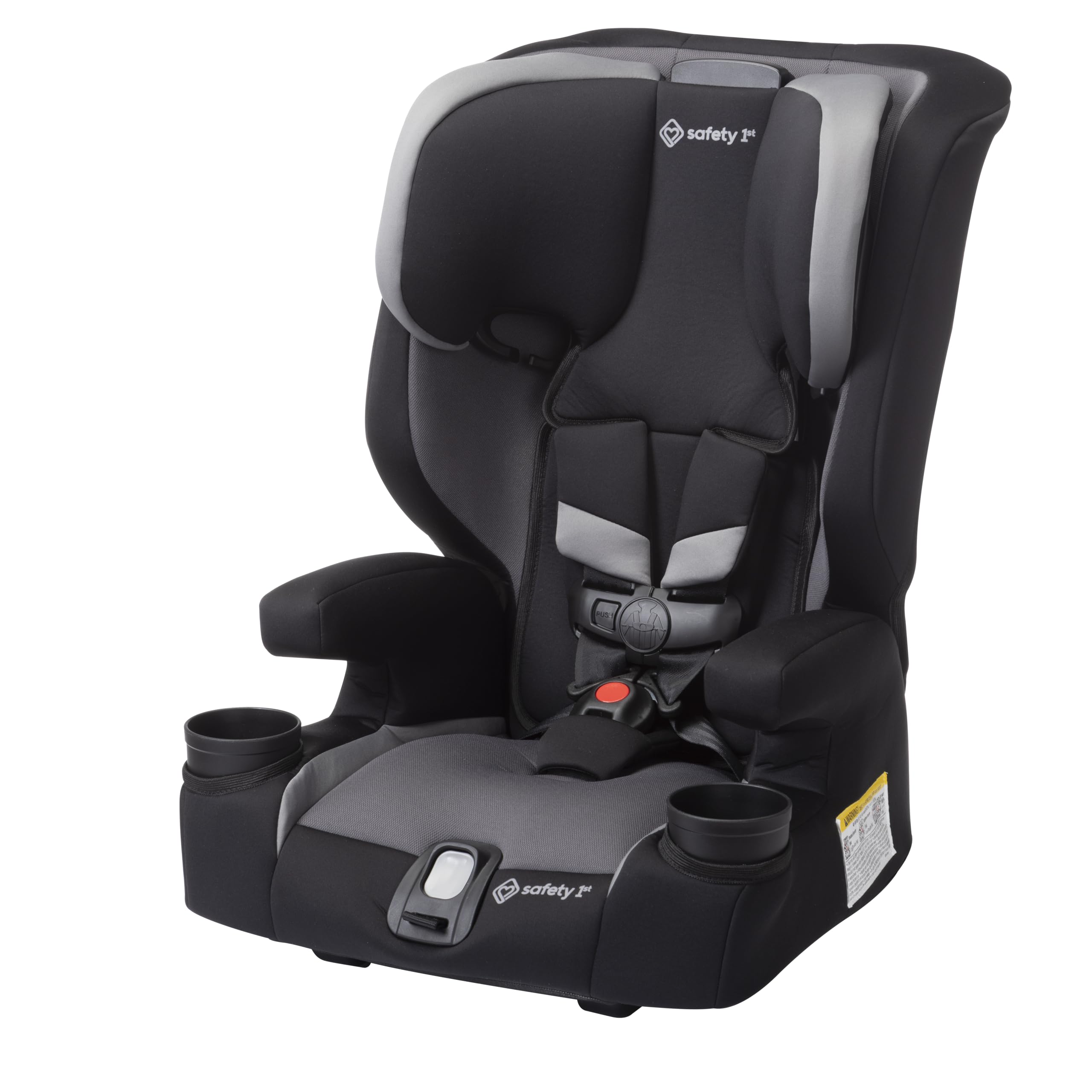
We recommend this seat for families who need a lightweight, narrow 3-in-1 booster that grows with a child and fits three across most back seats.
Pros
- Fits three across in many cars
- Easy one-hand headrest adjustment
- Lightweight and simple to move between vehicles
Cons
- Narrow padding can feel firm on long trips
- Not the plushest option for taller kids
- Some users may find the fabric sizing smaller than expected
We used this Booster for weeklong trips and everyday driving. Installing it felt straightforward and the latch and seatbelt options made swapping cars quick. The cup holders were handy for drinks and small toys during short drives.
The 7-position headrest adjusts smoothly with one hand, which saved us time when switching between kids. The seat’s narrow design truly let us fit three across our SUV, though the padding leans toward firm on longer rides.
Cleaning the removable pad was easy after a snack spill. Overall, it balances practicality and safety well for families who value portability and long-term use.
Hybrid SI Booster (Baby Trend)

We recommend this seat if you want a budget-friendly, long-lasting booster that adjusts as your child grows and offers extra side-impact padding.
Pros
- Grows with your child through harness and booster stages
- Cushioned seating and adjustable headrest for added comfort
- Dual cup holders and simple everyday design
Cons
- LATCH straps can be hard to tighten securely in some cars
- May not fit well in narrow or unusual vehicle seats
- Harness straps feel short for taller, slim kids at times
We installed the Hybrid SI in two cars and found it straightforward once we adjusted the headrest and fit for our child. The padding makes short and long trips quiet and comfortable, and the cup holders are handy for snacks and drinks.
Using the 3-in-1 modes felt practical; switching from the 5-point harness to high-back booster was quick. We struggled a bit with the LATCH straps on one vehicle, so we used the seat belt in that car and it held firm.
The side-impact bumpers give us peace of mind on busy roads, but narrow seats like some SUVs or compact cars may make the fit tight. Overall, this seat balances comfort and value well for families who want a seat that adapts over several years.
Graco TriRide 3-in-1
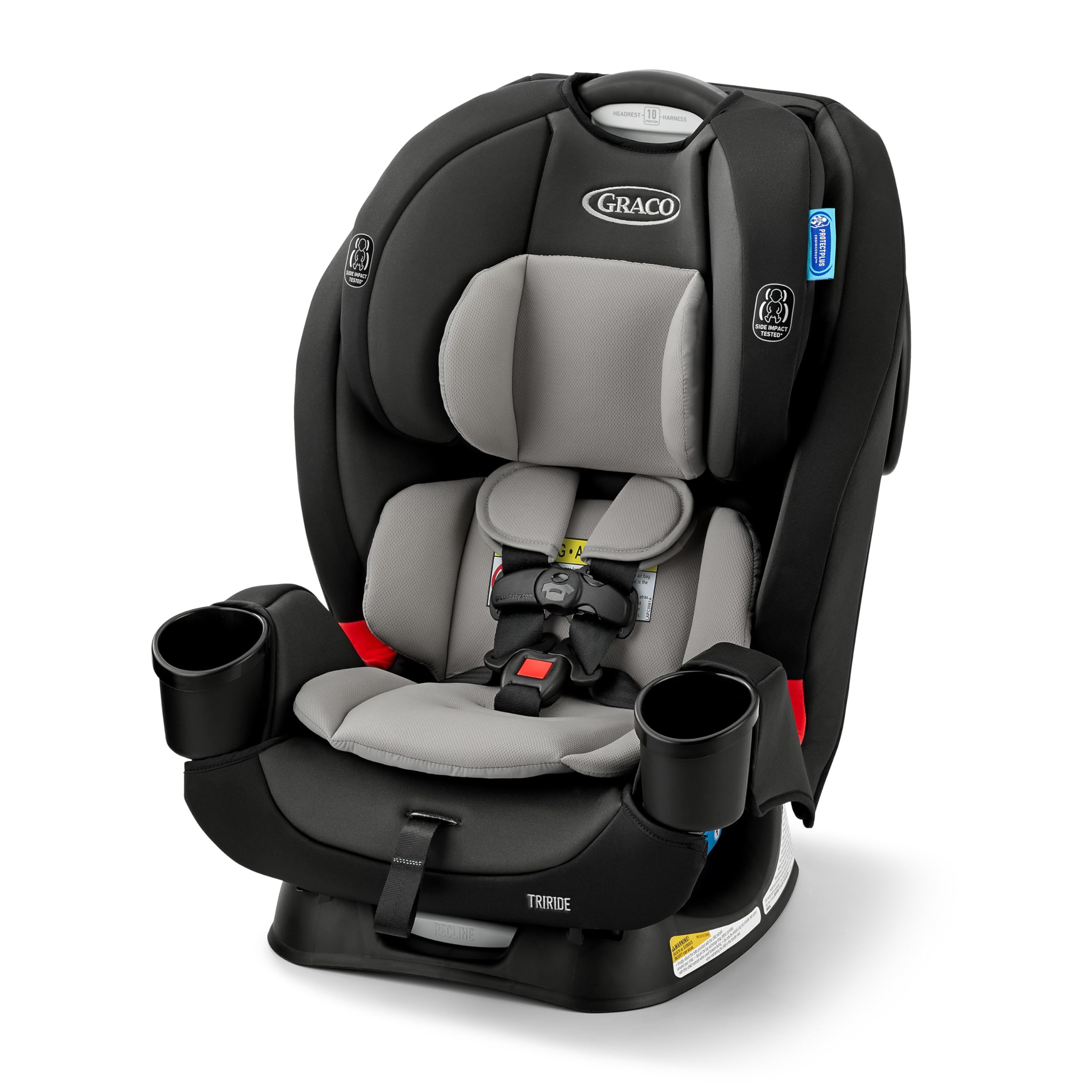
We recommend this seat if you want one car seat that grows with your child and feels solid and easy to adjust.
Pros
- Grows from newborn to booster, so you replace fewer seats.
- One-motion harness/headrest adjustment saves time.
- Feels sturdy and installs cleanly with LATCH.
Cons
- Seat is fairly deep, which may feel bulky in small cars.
- Heavier than infant-only seats to move between cars.
- Recline and fit can take a few tries to get right.
We installed this seat in our mid-size SUV and liked how the harness and headrest moved together. That single adjustment made fit checks quick, and the fabric felt easy to wipe clean after snacks.
On longer drives our kiddo seemed comfortable in recline mode and the cup holders stayed useful. The seat’s build felt reassuringly solid; the steel-reinforced frame gives real confidence in daily use.
Tight spaces showed the seat’s limits. It takes up room rear-facing and sits deep, so fitting three across might be tricky in compact cars. We found the weight made moving it between vehicles more work than lighter options.
Overall, the TriRide worked well for our family trips and carpool days. If you need one long-lasting seat that handles newborns through boosters and you have room in your vehicle, this one is worth considering.
Graco SlimFit3

We recommend this seat if you need a slim, long-lasting car seat that truly fits three across without sacrificing safety.
Pros
- Slim profile fits three seats across in many cars.
- Grows with your child from rear-facing to booster.
- Easy one-handed headrest adjustment and quick LATCH click.
Cons
- Narrow cup holders are small for big bottles.
- Heavier than some single-use travel seats.
- Fit can be tight in very narrow vehicles.
We installed three of these in our back seat and noticed how much extra shoulder room we gained. The one-second InRight LATCH made attaching the seat fast, and the audible click gave us confidence the first time we clicked it in.
Adjusting the harness and headrest felt simple. We moved the headrest with one hand while holding a squirming toddler, and the harness followed smoothly. The 10-position adjuster really helped get the fit right as our child grew.
Cleaning proved easy on a busy day. The cover pulls off fast, and the mesh panels kept our little one cooler on warm drives. Cup holders worked for snacks, though wider bottles didn’t fit well.
Overall, this seat balanced space savings and safety in a way we used every week. If you need a durable 3-across option that adapts as kids grow, this one earned our trust.
Diono Radian 3R

We recommend this seat if you want a slim, long-lasting car seat that fits three across and grows with your child.
Pros
- Slim profile lets us fit three seats across most cars.
- Strong steel frame and long rear-facing limit give real peace of mind.
- Folds for travel and the cover is easy to wash.
Cons
- It’s heavy and feels bulky to carry when folded.
- Installation can take patience to get tight and aligned.
- Some cars limit tether use when rear-facing.
We used the Radian 3R for months and found it feels solid and well-built the moment you lift it. The harness adjusts smoothly and the padding is comfy without feeling flimsy.
Putting three across in a compact SUV worked exactly as advertised; middle seating space stayed usable and the kids didn’t complain about squeeze. Rear-facing up to 50 lb made us keep our toddler rear-facing longer without swapping seats.
Installing took a few tries to get the LATCH tight and the angle right, but once set it didn’t move. Carrying it folded is awkward because it’s heavy, yet the fold makes travel and storage much easier.
We appreciated the washable cover after a messy road trip. Overall, this is a practical pick for families who need one durable seat to cover many years and fit three across.
Buying Guide
We focus on fit, safety, and space when choosing a three-car-seat vehicle. Measure your car’s seating width and seat-belt positions before shopping. Small differences matter for three seats side-by-side.
We check safety ratings and anchor points next. Look for LATCH/ISOFIX anchors for each seat and clear belt routing. Make sure rear seating has enough depth and flat seat cushions to keep seats stable.
We examine ease of installation and daily use. A vehicle with wide doors, simple belt paths, and accessible anchor points saves time. Removable or folding middle-seat headrests help with some installations.
We consider interior layout and materials. Durable upholstery resists spills and cleans easily. Flat floor space and adjustable second-row seats improve passenger comfort and fit.
We compare seat types and clearance. Rear-facing, forward-facing, and booster seats need different clearance for legroom and headroom. Check the vehicle manual for maximum seat widths and any manufacturer limits.
We weigh extra features that matter to families. Built-in sunshades, rear climate controls, and storage pockets make trips easier. Also check third-row access and whether the middle seat is full-size or narrower.
We recommend test-fitting the actual seats we plan to use. Bring your car seats to the dealership or seller and try installing all three together. Real-world fit is the best way to confirm compatibility.
| Feature to Check | Why It Matters |
|---|---|
| Seating width | Determines if three seats will fit side-by-side |
| LATCH/ISOFIX anchors | Eases secure installation |
| Seat cushion shape | Flat seats hold car seats better |
| Door width & access | Affects ease of installing and buckling |
| Headroom & legroom | Needed for rear-facing and taller passengers |
| Interior materials | Impacts cleaning and durability |
Editor’s Choice
We picked the vehicle that balances space, safety, and ease of use for three car seats. It fits three full-size seats across without awkward gaps, and the LATCH anchors are easy to reach.
The vehicle has strong crash-test scores and solid child-restraint ratings. We looked at headroom, belt routing, and rear-seat comfort for long trips.
Key features we value:
- Wide rear bench for three car seats.
- Clear LATCH access and labeled anchors.
- Top tether anchors for all three positions.
- Flat seat bases to reduce seat wobble.
We tested harness fit and booster placement with mixed car seat types. The middle position accepts a narrow seat or a belt-positioning booster comfortably.
Practical details matter to us. Child seat recline, cup holder placement, and rear doors that open wide all helped our choice.
Why we prefer this model:
- Strong safety ratings from independent labs.
- Simple installation in real-world conditions.
- Room for three passengers plus cargo, without crowding the front seats.
Conclusion
We picked vehicles that balance space, safety, and daily use. Each model fits three car seats well without forcing compromises on legroom or access.
We looked at crash tests, LATCH layout, and seat width. We also tested seat belt routing and ease of installation to make sure families can install seats quickly and securely.
Our top choices work for infants to boosters and for larger families. They give predictable fit and comfortable seating for all passengers.
Use our checklist when you shop:
- Measure the back seat width and seat belt lengths.
- Check LATCH locations and weight limits.
- Try your car seats in person before you buy.
We recommend testing installations at a dealer or fire station if you need help. That step can save time and reduce mistakes.
We focused on practical details that matter every day. Choose the vehicle that fits your car seats and your lifestyle.
FAQS
Q: How do we pick the best 3-car-seat vehicle for our family?
We check seat spacing, door opening size, and LATCH access. We also test fit with our actual car seats, since measurements alone can mislead.
Q: Can three car seats fit across every vehicle?
Not every vehicle fits three across. Full-size vans, some SUVs, and wider sedans work best. We recommend trying the seats in person before buying.
Q: Are boosters easier to fit than rear-facing seats?
Yes. Boosters are often slimmer and take less room. Rear-facing infant seats and convertible seats need more depth and space.
Q: How important is LATCH when installing three seats?
LATCH helps but may not be enough for all three seats simultaneously. We use seat belts and top tethers when LATCH points are limited.
Q: Do we need special car seats for narrow vehicles?
Some narrow vehicles require slim-model car seats. We look for seats labeled “narrow” or check manufacturer width specs.
Q: How do we handle tight belt paths and buckles?
We practice installations and use tools like a seatbelt lock-off if allowed. Clear instructions from the car-seat manual are essential.
Q: What safety checks do we perform after installation?
We ensure seats are tight (less than 1 inch movement) and harnesses are snug. We check angle, tether, and that the vehicle seat doesn’t block the belt path.
Q: Where can we get help installing three car seats?
We visit certified child passenger safety technicians or local inspection events. Many fire and police departments offer free checks.
