
10 Best Spot for Car Seat: Choosing the Safest Location in Your Vehicle

Choosing the best spot for a car seat matters for your child’s safety and your peace of mind. Car seats protect children in crashes, but their effectiveness depends a lot on where you place them. We focus on common vehicle layouts and seat types so you can pick the spot that fits your car and child.
The main things to check are rear-seat placement, seat-belt or LATCH fit, and whether the seat faces rearward or forward based on your child’s age and size. Placing a car seat in the center rear is often safest when it fits properly, but side seats can be better if the center doesn’t allow a secure install. We tested real-world fit and ease of installation to guide you through the best options and what to watch for next.
Best Spots for a Car Seat
Below is our full list of the best spots for a car seat. We chose options that balance safety, ease of use, and convenience for parents and caregivers. Use this list to find a spot that fits your car model and keeps your child secure.
Spot Creep Headrest Covers
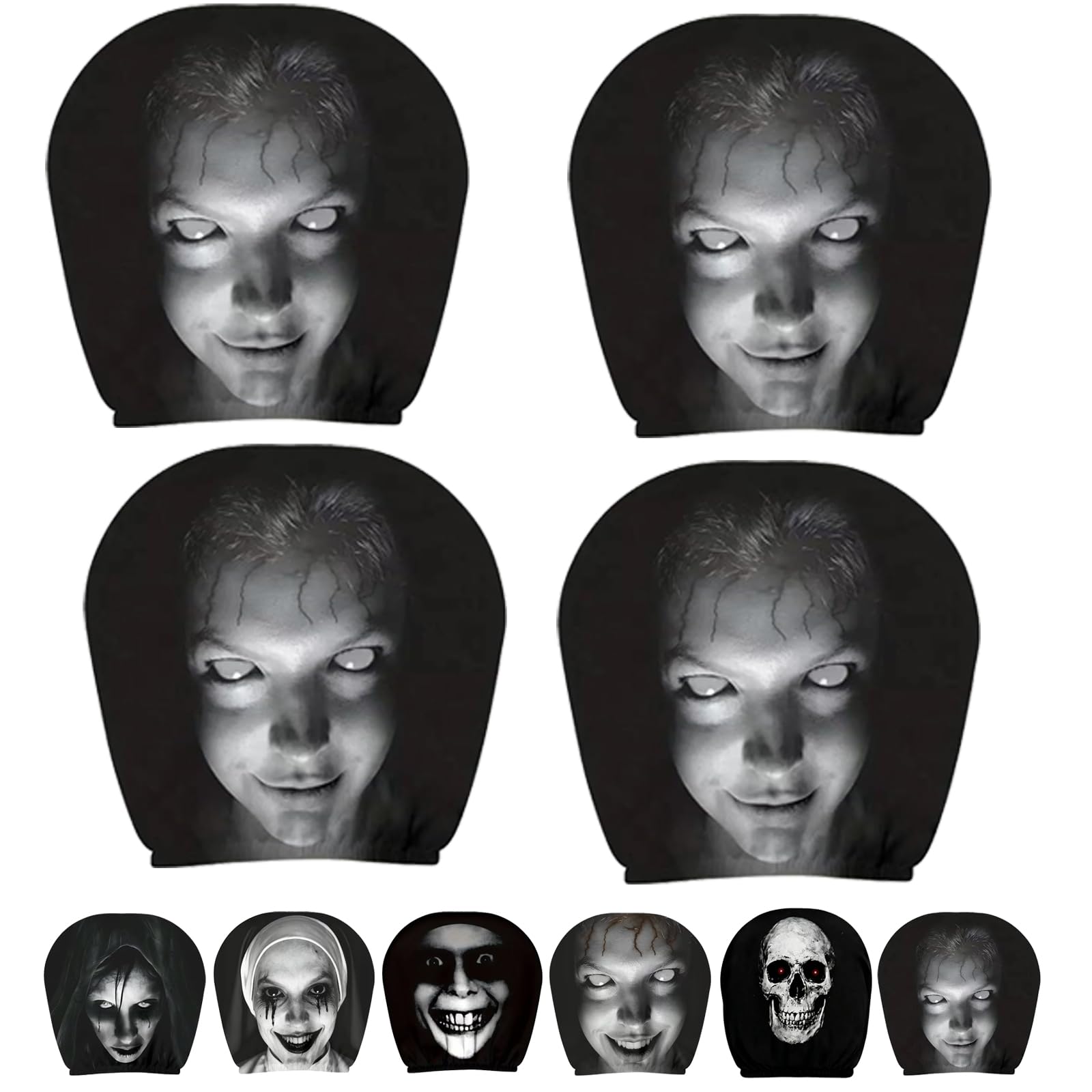
We recommend this if you want a fast, spooky way to change your car’s look for parties or Halloween.
Pros
- Eye-catching horror print that really stands out.
- Stretchy polyester slips on quickly and stays put.
- Breathable fabric feels comfortable on longer drives.
Cons
- Theme is niche — not for everyday or formal use.
- No warranty or brand support listed.
- Only headrest coverage, not full-seat protection.
We put these on for a weekend trip to a Halloween event and liked how simple installation was. The covers slide over the headrests in seconds and the print looked sharp under different lighting.
During a drive the covers did not slip or bunch, and the polyester felt breathable even on warm days. The scary faces drew comments at a stoplight, which is great if you want a bold, playful look.
If you want a quick seasonal update without replacing seats, these work well for us. They won’t protect the whole seat and they won’t match every style, but they do exactly what they promise.
Meolsaek Seat Protector

We recommend this if you want solid protection for leather or cloth seats and a non-slip surface under a child car seat.
Pros
- Thick padding shields seats from imprints and wear.
- Waterproof top fabric wipes clean quickly.
- Non-slip backing and straps keep a car seat from sliding.
Cons
- Pockets can collect crumbs and need cleaning.
- Not a perfect fit for every vehicle shape.
- Slight bulk under the car seat may change belt routing.
We used this cover under a rear-facing infant seat and noticed less marking on our leather. The padding felt firmer than cheap mats, and the car seat sat steadier once we tightened the straps.
Cleaning took no time. We spilled a snack and wiped it off with a damp cloth. No staining or lingering smell appeared after several uses.
Installation needs a minute to get straps and headrest right. Once secured, the protector stayed put through drives and short stops. The pocket at the bottom held a few toys, but it can trap crumbs if you don’t clean it often.
Chicco GoFit ClearTex Plus
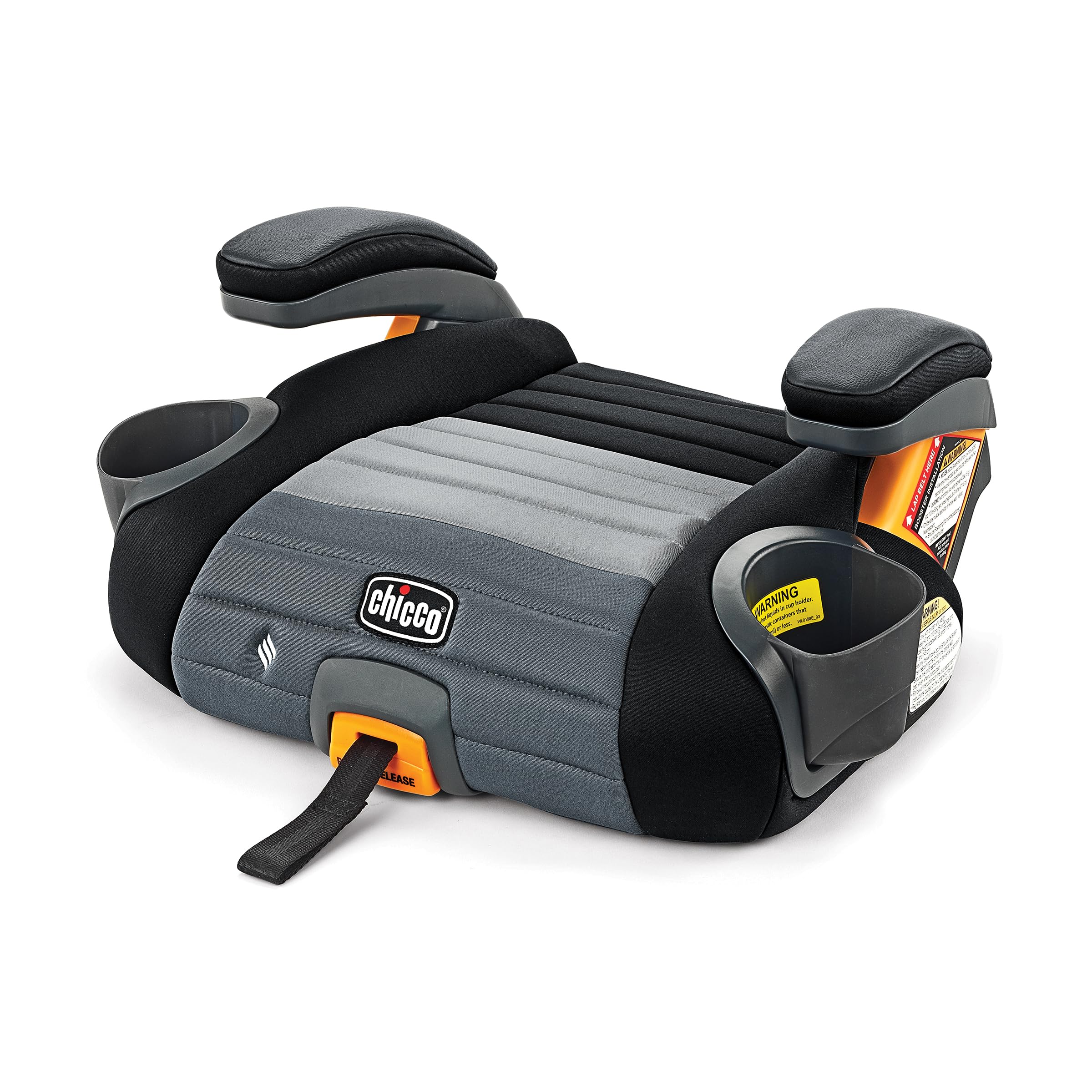
We recommend this booster if you want a light, easy-to-move seat with good belt positioning and simple cleaning.
Pros
- Lightweight and easy to carry between cars.
- LATCH and quick-release make install and removal fast.
- Comfortable padding and washable fabrics.
Cons
- Backless design may offer less side support than high-back boosters.
- Cup holders add bulk when folded out.
- Requires child to sit still and use the vehicle belt correctly.
We used this booster for short trips and school runs. Getting it in and out of the car felt effortless thanks to the built-in handle and one-hand release. The LATCH keeps it from sliding while our child climbs in and out.
The seat padding really makes a difference on longer drives. The contoured ErgoBoost foam supported knees and hips without feeling stiff. Fabrics came off easily for washing, which we appreciated after snacks and spills.
Positioning the vehicle belt was straightforward with the integrated guides and shoulder clip. On the downside, younger or very active kids might need more back and head support than this model gives. Cup holders work well but stick out more than we expected.
We liked that the materials avoid flame retardant chemicals and that the seat feels solid for its weight. If you need a portable, easy-care booster that sits flat in your car, this was a reliable pick for our family.
Chicco GoFit ClearTex Plus Backless Booster Car Seat
Siivton Seat Protector

We recommend this if you want strong, easy-to-clean protection for leather or fabric seats under a child car seat.
Pros
- Thick padding that stops dents and pressure marks
- Stays put with non-slip backing and headrest strap
- Handy mesh pockets for snacks and small toys
Cons
- Lower mesh pockets can sag if overloaded
- Universal fit may need minor adjustment in some cars
- A bit bulky for very tight back seats
We used this under our child seat for several weeks and liked how solid it felt. The thick cushion cut down on pressure marks and kept the leather looking new.
Installation took only a few minutes. The headrest strap locks in place and the anti-slip backing actually helped during short, bumpy drives.
The pockets held small toys and wipes, though we found they drooped when stuffed too full. Still, cleanup was fast — a quick wipe or shake removed crumbs and dirt.
Overall, this protector gave our seats real day-to-day defense without fuss, and it worked with our ISOFIX car seat anchors.
MUJERBAY Spot & Stain Cleaner
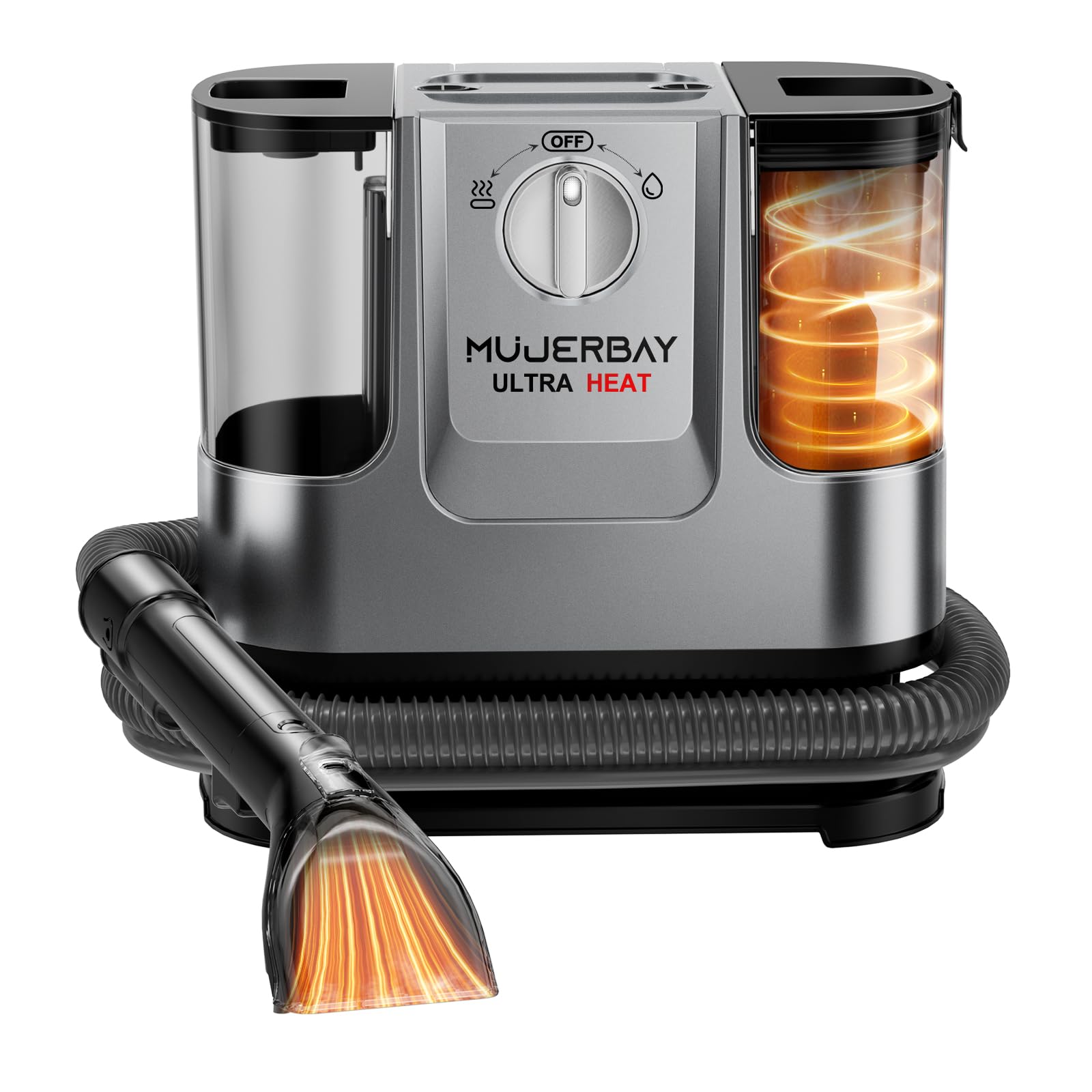
We recommend this if you need a compact spot cleaner with strong suction and quick heat for small jobs, but not if you want a large tank or heavy-duty daily use.
Pros
- Heats water fast to help lift stains.
- Strong suction cleans deep on seats and upholstery.
- Easy to move with wheels and a long hose.
Cons
- Small clean tank means frequent refills.
- Build feels a bit cheap in spots.
- Some users report leaking if water sits overnight.
We used this around our car and on a few couch stains. The heat function really helped loosen dried messes. It cut cleaning time on small spots and left fabric noticeably cleaner.
The suction surprised us for a compact machine. It pulled pet hair and wet mess out of seat creases better than a hand tool. Maneuvering around car seats felt easy thanks to the hose and wheels.
Emptying and refilling took more trips than we liked because the clean tank is small. We also saw one minor leak after leaving water inside overnight, so we now rinse and dry it after use. Overall, it works well for occasional spot cleaning, but not ideal for heavy, frequent detailing.
Uwant Spot Cleaner Y100
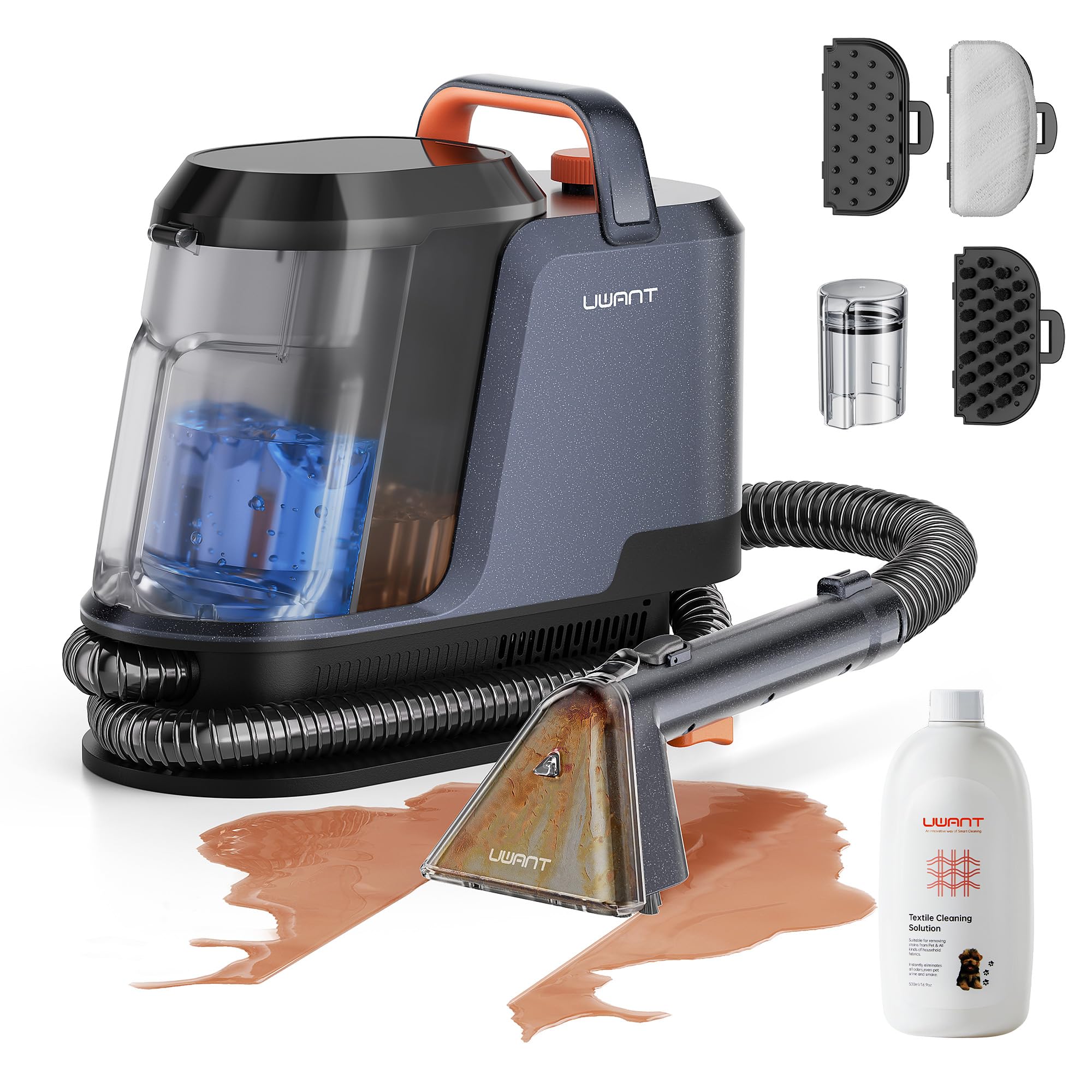
We recommend this if you want a compact, strong-suction spot cleaner that works well on cars and upholstery.
Pros
- Powerful 18Kpa suction lifts set-in stains fast.
- 2-in-1 water tank makes filling and emptying simple.
- Compact and light enough to carry into a car or between rooms.
Cons
- Not for deep whole-room carpet cleaning.
- Waste tank fills quickly on very dirty surfaces.
- Corded use limits reach without an extension.
We used the Uwant Y100 around the house and in our car. It felt lighter than larger machines and fit easily into the trunk. The suction pulled out old spots from seats and a small area rug in one pass.
Handling the water tanks was easier than we expected. The single combined tank system saved time when switching between clean and dirty water. Emptying the waste tank required a careful pour, but it was straightforward.
Attachments made the job flexible. The high-density brush and velvet tool helped with couch fabric and seat seams. For big jobs, though, we found it best for spots and small areas rather than whole carpets.
Pick this if you want a portable cleaner for cars, couches, and quick stain fixes. Uwant Spot Cleaner Y100
Chemical Guys Citrus Fabric Cleaner

We recommend this if you want an easy, ready-to-use spray that lifts many common stains and leaves a fresh citrus scent.
Pros
- Easy spray-and-wipe use for quick spot cleaning.
- Foamy formula lifts dirt so it wipes away without hard scrubbing.
- Smells fresh and works on seats, carpets, and mats.
Cons
- Performance varies—some tough or old stains may not come out.
- Foaming is inconsistent between bottles.
- A 16 oz bottle can disappear fast with heavy use.
We used this on coffee, juice, and kid-related spots. The foam made lifting fresh spills simple, and the citrus scent helped remove musty odors. It saved us time compared with shampooing an entire seat.
On older or set-in stains the results were mixed. Some marks faded a lot, others barely budged even after scrubbing. We learned to test a small area first and to follow up with a deeper cleaner if needed.
Application felt straightforward: spray, agitate lightly with a brush or cloth, then wipe or vacuum. For quick touch-ups between deep cleans, this product worked well and smelled pleasant while drying.
Chemical Guys Citrus Fabric Cleaner
Graco TurboBooster 2.0

We recommend this booster when you want a light, well-built seat that helps the belt fit children comfortably and safely.
Pros
- Easy to move between cars and installs in seconds.
- Comfortable padding and hide-away cup holders kids like.
- Strong crash-tested design gives extra peace of mind.
Cons
- No back support for taller or sleep-prone kids.
- Lacks LATCH anchors, so seat belt routing must be correct.
- Minimal color/pattern choices raise price for some designs.
We used this booster for short errands and longer drives. It felt light to carry and clicked into place quickly with the seat belt. Our child settled in fast and liked the cup holders.
On a long drive the padding stayed comfy but we noticed no head support when our child dozed. We would not use this for toddlers who still fall asleep upright or for kids who need lateral support.
Moving it between vehicles was simple and low stress. The seat belt sat across our child correctly, and the armrests helped guide the belt to the right spot. Overall, it’s a strong pick when you need a practical, no-fuss booster.
Ellaris 3-in-1 Convertible Car Seat

We recommend this seat for families who want a slim, travel-ready convertible car seat that grows with a child.
Pros
- Slim profile saves space in tight back seats.
- Easy hook-style LATCH makes installation quick.
- Machine-washable pad and removable cup holders simplify cleanups.
Cons
- Straps take extra effort to tighten snugly.
- Some older cars may still feel crowded despite slim design.
- Lightweight build can feel less solid when moving the seat between vehicles.
We used this seat for a few weeks while swapping kids between cars. It fit well in our minivan and left room for a third seat in the middle. The adjustable 5-position headrest made quick height changes easy as our toddler grew.
Installing with the hook-style LATCH felt faster than many other seats we’ve tried. The slim shape really helped when fitting two seats side-by-side. We liked how the cup holders detach for washing and that the pad goes in the dryer.
On the downside, tightening the harness to get a truly snug fit required more patience than expected. Carrying the seat is easy because it’s light, but that same lightness made it feel a bit less sturdy when we moved it between vehicles. Still, for travel and everyday use, it balanced convenience and comfort well.
Allaboutsla Car Seat Cushion
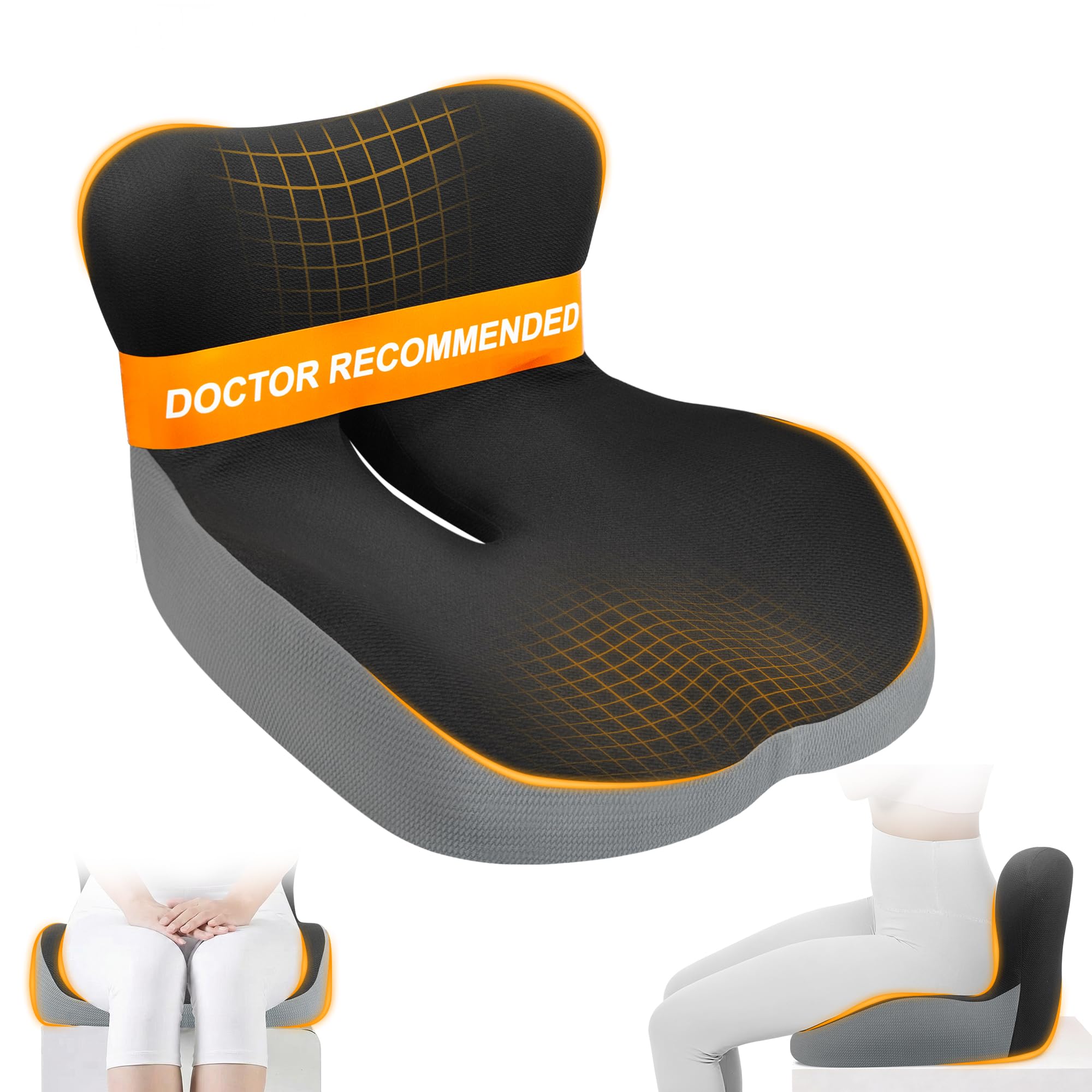
We recommend this cushion if you want firmer lumbar support and a taller seat that helps on long drives or office days.
Pros
- Firm, high-density memory foam that stays supportive.
- L-shaped design adds real lower-back support.
- Breathable, washable cover and a non-slip base.
Cons
- Feels a bit tall for smaller seats and shorter drivers.
- Not ideal if you prefer very soft, plush cushions.
- May need some time to get used to the height and shape.
We used this cushion on long car trips and at our desk, and the difference showed up quickly. The foam holds shape and gives steady support across hips and lower back. It stopped the usual sinking feeling you get with thinner pads.
Putting it on felt like raising the seat a touch and filling the small gap under our lower back. That extra height helped posture and reduced back fatigue after a few hours. The fabric stayed cool and the cover was easy to remove for washing.
A few testers found it too tall in compact cars or trucks and preferred it on office chairs instead. We also noticed the L-shape takes getting used to; it isn’t the best pick if you want something soft and squishy right away. Overall, it worked well for longer sits and felt durable enough to keep using.
Buying Guide
We focus on safety, fit, and ease of use when choosing the best spot for a car seat. Start by checking your vehicle manual for recommended seating positions and airbag warnings.
We look for seats that match the child’s age, weight, and height. Rear-facing is safest for infants and toddlers; forward-facing and booster seats follow as the child grows.
We consider installation options next. LATCH anchors and seat belt installation both work, but we choose the method that gives the tightest, most secure fit. A seat that clicks or has clear indicators helps confirm correct installation.
We inspect the car seat’s physical features. Look for a stable base, easily adjustable harness, and clear recline settings. Padded straps and breathable fabric improve comfort on long rides.
We weigh convenience features too. Removable covers that wash easily, simple harness adjustments, and low-profile designs that fit multiple seating positions make daily use easier.
We prioritize crash protection features. Energy-absorbing foam, a strong shell, and side-impact protection matter most. Check that the seat has clear labeling for weight and height limits.
We test the placement by fitting the car seat into different rows if possible. A center position often offers more distance from doors but may not fit all seats. Use a short trial ride to confirm visibility and access for buckling.
We keep documentation handy. Save the vehicle and car seat manuals and record the seat’s model and manufacture date for future reference.
Editor’s Choice
We pick the rear middle seat as our top choice for a car seat when possible. It gives the best protection in most crashes because it sits farthest from impact points. We prefer this spot for infants and toddlers.
Installation matters more than location if the seat cannot be centered. We recommend a seat with a clear belt path and easy-to-read level indicators. A seat that clicks into place with ISOFIX/LATCH adds certainty.
If the rear middle has a raised hump or no proper anchor points, choose the outboard rear seat. Those seats often have top tether anchors and firm lower anchors. We advise moving the seat to the safer outboard position rather than forcing a poor middle install.
We favor seats that allow tight installation and minimal forward movement. Look for models with visible lock-offs, built-in belt routing, and a strong recline adjustment. Those features cut error and improve protection.
Quick checklist:
- Rear middle seat: best when it fits and anchors are good.
- Outboard rear seat: choose if middle lacks anchors or proper fit.
- Use ISOFIX/LATCH when available and follow the manual.
- Ensure tight installation and correct recline angle.
We also stress checking your vehicle owner’s manual and the car seat instructions every time. Rules and anchor placement vary, and we trust documented guidance over guesswork.
Conclusion
We recommend the rear middle seat when it fits the car and the car seat. It usually gives the best protection in side impacts and keeps the child farthest from the sides. We note that not all cars or car seats allow a safe, tight fit in the center.
If the center cannot secure the seat tightly, use a rear outboard seat. We prefer seats with lower anchors or a top tether for easier, solid installation. Follow the car seat and vehicle manuals every time.
We urge checking for proper angle, belt routing, and limited seat movement. A properly installed seat should not move more than one inch at the belt path. We also suggest having a certified technician inspect the installation if possible.
Keep infants rear-facing as long as the seat allows. We favor rear-facing until at least age 2 or until the child reaches the seat’s weight or height limit. Then move to forward-facing with a harness, and later to a booster when the harness no longer fits.
Use these quick checks:
- Secure installation (≤1 inch movement)
- Correct harness fit (snug, chest clip at armpit level)
- Appropriate seat type and orientation for age/size
We commit to prioritizing safety and proper fit. Our goal is practical, clear steps so children travel as safely as possible.
FAQS
Where is the safest spot for a car seat?
We place the car seat in the back center when possible. The center seat is usually farthest from impact in side collisions.
Can we use the passenger seat for a car seat?
Yes, but only if the back seat is unavailable. The back seat remains safer for children under 13.
How do we know if the seat is installed correctly?
Check for tightness: the car seat should not move more than one inch side-to-side or front-to-back. We also follow the car seat manual and our vehicle owner’s manual.
When should we switch from rear-facing to forward-facing?
Keep children rear-facing as long as the car seat allows. Most seats recommend rear-facing until at least age 2 or longer based on height and weight limits.
Is it safe to use a secondhand car seat?
We avoid seats with unknown history, crash involvement, or missing parts. A used seat can be safe if it has a clear history, is not expired, and has all labels and instructions.
How do we know when a car seat expires?
Check the label on the seat for an expiration date or manufacture date. Materials break down over time, so we follow those dates.
Who can help us install a car seat?
Certified technicians at local inspection stations or fire departments can assist. Many areas offer free checks; we recommend getting help if unsure.
